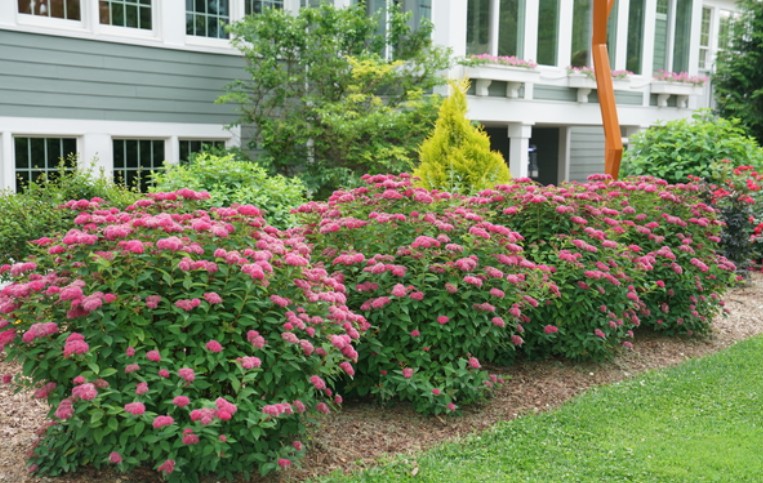
Low maintenance means something genuinely different from drought tolerant, even though the 2 categories overlap more than people expect. A low-maintenance shrub is one that doesn’t need constant pruning to hold its shape, doesn’t attract the pests and diseases that turn into a season-long spraying project, and doesn’t drop messy fruit or require the kind of soil amendment that has to be repeated every year. Plenty of low-maintenance shrubs actually want regular water, they just don’t demand much else once they’re getting it.
That’s part of why this list pulls from genuinely different corners of the shrub world than a pure drought-tolerant one would. Panicle hydrangea and summersweet both want consistent moisture to look their best, but neither needs the kind of fussy pruning schedule, pest management, or soil pH babying that keeps a gardener busy all season. On the other end, a handful of genuinely tough, low-water shrubs earn a spot here too, since needing almost nothing at all is its own kind of low maintenance.
The common thread across all 70 is simple: plant it, give it a reasonable start, and it mostly takes care of itself from there. The Missouri Botanical Garden’s plant finder is a useful way to check a specific species’ actual care requirements and mature size before committing a permanent spot in the landscape to it.
What follows covers 70 low-maintenance shrubs, spanning evergreen structure plants, flowering shrubs, and a handful of genuinely tough, low-input natives.
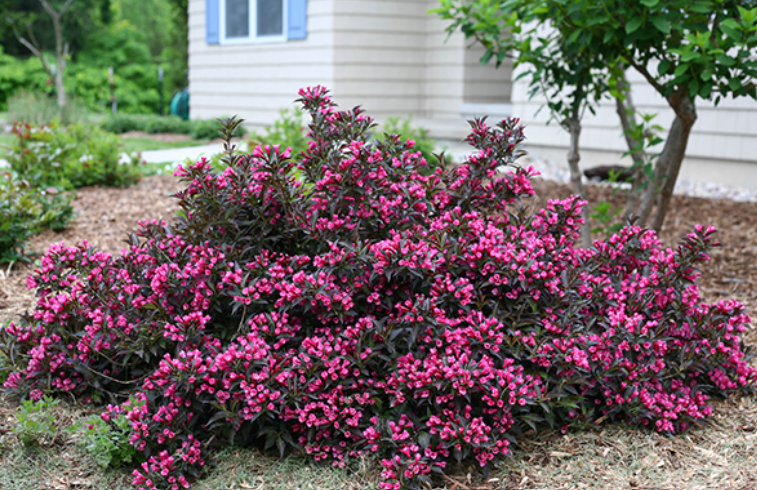
Boxwood
Boxwood forms a dense, naturally rounded evergreen shrub that holds its shape well without frequent shearing, making it a genuine low-maintenance foundation plant even in a formal setting. Its fine, small leaves stay attractive year-round in most climates.
It tolerates a range of soil types and light conditions, needing only occasional watering once established and almost no fertilizer to stay healthy.
Inkberry Holly
Inkberry holly, a native evergreen holly, produces small black berries and fine, glossy foliage on a shrub that tolerates wet soil better than most other hollies. Its naturally rounded form needs minimal pruning to stay tidy.
It handles both sun and partial shade, adapting to a range of soil moisture levels that would stress out less flexible evergreen shrubs.
Japanese Holly
Japanese holly produces small, boxwood-like leaves on a dense evergreen shrub that requires little pruning to maintain a neat, compact form. Its fine texture has made it a popular boxwood substitute in regions where boxwood struggles with disease.
It tolerates a range of soil and light conditions, needing minimal fertilizer or supplemental care once its root system is established.
Winterberry Holly
Winterberry holly, a deciduous holly, produces a spectacular display of bright red berries along bare branches each winter, requiring a male pollinator plant nearby but otherwise very little ongoing care. Its berries persist well into the cold season, providing food for wildlife.
It tolerates wet, poorly drained soil better than almost any other landscape shrub, thriving in exactly the soggy conditions that stress out most alternatives.
Panicle Hydrangea
Panicle hydrangea produces large, cone-shaped flower clusters that reliably bloom on new wood each year, eliminating the pruning-timing guesswork that plagues some other hydrangea types. It tolerates considerably more sun than most other hydrangeas.
It wants regular water but otherwise needs little fuss, blooming reliably from a simple late-winter pruning without any special soil pH manipulation required.
Also Read: Drought Tolerant Shrubs For Landscaping
Oakleaf Hydrangea
Oakleaf hydrangea produces distinctive, deeply lobed leaves that turn a rich burgundy in fall, alongside cone-shaped white flower clusters that age to a soft pink through summer. Its native status makes it well adapted to a range of regional conditions.
It tolerates partial shade better than most other flowering shrubs, needing minimal pruning beyond removing the occasional spent flower head.
Virginia Sweetspire
Virginia sweetspire produces drooping, fragrant white flower spikes in early summer and vivid burgundy fall color, a genuinely low-maintenance native shrub tolerating both sun and shade. Its arching form needs little corrective pruning to look good.
It tolerates wet soil exceptionally well, making it a useful choice for a rain garden or a low spot where other shrubs would struggle.
Summersweet
Summersweet, also called clethra, produces fragrant white or pink flower spikes in mid to late summer, drawing pollinators in genuine numbers while asking for very little maintenance in return. Its native status suits it to a range of regional soil conditions.
It tolerates wet soil and partial shade well, needing only an occasional light shaping rather than any real structural pruning.
Fothergilla
Fothergilla produces fragrant, bottlebrush-like white flowers in spring and vivid orange-to-red fall color on a genuinely low-maintenance native shrub. Its compact size fits well into a smaller foundation planting.
It tolerates both sun and partial shade, requiring minimal pruning and no regular fertilizing to perform reliably year after year.
Arrowwood Viburnum
Arrowwood viburnum produces clusters of white spring flowers and blue-black fall berries on a tough, adaptable native shrub that tolerates a wide range of soil and light conditions. Its dense growth makes it a useful, low-fuss screening plant.
It requires minimal pruning to maintain an attractive natural form and tolerates both wet and moderately dry soil without much complaint.
Doublefile Viburnum
Doublefile viburnum produces striking, flat-topped white flower clusters arranged in neat rows along horizontal branches each spring, a genuinely low-maintenance flowering shrub once established. Its layered, tiered growth habit provides real structural interest.
It tolerates a range of soil conditions and needs only minimal pruning to keep its naturally attractive branching pattern intact.
Leatherleaf Viburnum
Leatherleaf viburnum produces large, deeply veined evergreen leaves and clusters of creamy white spring flowers on a substantial, low-maintenance shrub. Its bold texture provides year-round structure in a mixed border.
It tolerates partial shade and a range of soil types, needing minimal pruning beyond occasional shaping.
Snowball Viburnum
Snowball viburnum produces enormous, rounded clusters of white flowers each spring that genuinely resemble snowballs, requiring little more than an occasional light pruning after flowering to stay tidy. Its old-fashioned charm has kept it a garden staple for generations.
It tolerates a range of soil conditions and light exposure, adapting well to both a sunny border and a partially shaded foundation planting.
Sweet Box
Sweet box produces small, intensely fragrant white flowers in late winter on a genuinely low-maintenance evergreen shrub well suited to deep shade where few other flowering plants perform at all. Its glossy, dark green foliage stays attractive year-round.
It tolerates dry shade better than almost any other flowering shrub, making it a genuine solution for a difficult, low-light spot under mature trees.
Ninebark
Ninebark produces clusters of small white or pink spring flowers and distinctive, peeling, multi-layered bark that provides genuine winter interest. Many modern cultivars offer deep purple or gold foliage color through the growing season.
It tolerates a wide range of soil and light conditions, requiring minimal pruning and no special fertility program to thrive.
Japanese Spirea
Japanese spirea produces small, flat clusters of pink or white flowers over a long summer bloom period on a compact, genuinely easy-care shrub. Its fine, dense foliage requires little more than an occasional shearing to stay tidy.
It tolerates a range of soil types and full sun to light shade, blooming reliably without any fussy pruning schedule to follow.
Vanhoutte Spirea
Vanhoutte spirea produces cascading, arching branches covered in small white flowers each spring, an old-fashioned shrub that’s remained popular specifically for how little care it demands. Its graceful, fountain-like form needs minimal shaping.
It tolerates a wide range of soil conditions and full sun, requiring only an occasional post-bloom pruning to keep its natural form.
Forsythia
Forsythia produces one of the earliest, most vivid yellow flower displays of the entire growing season, blooming reliably on old wood with essentially no fussing required beyond an occasional post-bloom prune. Its fast growth quickly fills a bare spot in a border.
It tolerates a wide range of soil types and full sun to light shade, asking for very little beyond that single yearly pruning if shape control is wanted.
Also Read: Shrubs With Orange Berries
Kerria
Kerria produces bright yellow, rose-like flowers on slender green stems that provide genuine winter interest even without leaves. Its suckering growth habit fills in a shaded bed with minimal input from the gardener.
It tolerates shade better than most other flowering shrubs, needing only occasional thinning to keep its spreading habit in check.
Deutzia
Deutzia produces clusters of small white or pink star-shaped flowers each spring on a genuinely low-maintenance shrub requiring minimal pruning beyond a light post-bloom shaping. Its fine-textured foliage provides a soft backdrop for showier plants nearby.
It tolerates a range of soil conditions and full sun to light shade, asking for very little ongoing care once established.
Mock Orange
Mock orange produces intensely fragrant white flowers each late spring, filling a garden with a scent genuinely reminiscent of orange blossoms, on a shrub that needs only occasional post-bloom pruning. Its old-fashioned charm has kept it a garden staple for generations.
It tolerates a wide range of soil types and full sun to partial shade, requiring minimal ongoing maintenance once established.
Weigela
Weigela produces abundant trumpet-shaped spring flowers in pink, red, or white on a genuinely easy-care shrub that tolerates a wide range of soil conditions. Many modern cultivars offer dark purple or variegated foliage for extra seasonal interest.
It requires minimal pruning beyond an occasional post-bloom shaping and tolerates both sun and light shade without much complaint.
Dwarf Mugo Pine
Dwarf mugo pine forms a low, naturally rounded evergreen mound requiring essentially no pruning to maintain its neat, compact form. Its dense needles provide year-round texture and structure in a foundation planting.
It tolerates a range of soil conditions and full sun, needing no fertilizer or special care once established in the ground.
Dwarf Alberta Spruce
Dwarf Alberta spruce forms a naturally dense, perfectly conical evergreen shrub requiring no shearing or shaping to maintain its classic Christmas-tree form. Its fine, soft needles provide a formal, tidy presence in a foundation planting.
It tolerates full sun to partial shade and a range of soil types, growing slowly enough that it rarely outgrows its intended space.
Globe Arborvitae
Globe arborvitae forms a naturally rounded evergreen shrub requiring minimal shearing to maintain its tidy, ball-like shape. Its dense, scale-like foliage provides year-round green structure in a border or foundation planting.
It tolerates a range of soil conditions and full sun to light shade, asking for very little beyond occasional watering during genuinely dry stretches.
Cotoneaster
Cotoneaster produces small white or pink spring flowers followed by red berries on a genuinely low-maintenance shrub tolerating poor soil and considerable neglect. Its arching, spreading branches work well cascading over a wall or slope.
It tolerates drought and poor soil with real ease, needing minimal pruning to maintain an attractive natural form.
Burning Bush
Burning bush, more formally winged euonymus, produces intensely saturated red fall foliage on a genuinely low-maintenance shrub tolerating a wide range of soil and light conditions. It’s become invasive in parts of the country, so checking regional guidance before planting is worth doing.
It requires minimal pruning to maintain a tidy, rounded form and tolerates both sun and partial shade without much complaint.
Also Read: Shrubs With Yellow Berries
St. John’s Wort
St. John’s wort produces bright yellow flowers with prominent stamens over a long summer bloom period on a genuinely low-maintenance shrub. Its compact size and reliable flowering have made it a popular low-fuss border plant.
It tolerates a range of soil conditions and full sun to partial shade, needing minimal ongoing care once established.
Red Twig Dogwood
Red twig dogwood produces vivid red winter stem color that provides genuine cold-season interest long after the leaves have dropped, requiring only an occasional hard prune every few years to keep the brightest young stems coming. Its white spring flowers and berries add additional seasonal value.
It tolerates wet soil exceptionally well, making it a useful low-maintenance choice for a rain garden or a consistently damp low spot.
Yellow Twig Dogwood
Yellow twig dogwood shares red twig dogwood’s winter stem interest in a golden-yellow color instead, providing the same low-maintenance seasonal appeal with a different color palette. Its care needs mirror its red-stemmed relative closely.
It tolerates wet soil and requires the same occasional hard pruning every few years to maintain vivid young stem color.
Bayberry
Bayberry produces aromatic, waxy gray berries on a genuinely tough, low-maintenance native shrub tolerating poor, sandy soil and coastal salt exposure. Its evergreen to semi-evergreen foliage provides year-round structure in milder climates.
It tolerates a wide range of soil and moisture conditions, needing minimal pruning or fertilizer once established.
Chokeberry
Chokeberry, also called aronia, produces white spring flowers, dark fall berries, and vivid red fall foliage on a genuinely low-maintenance native shrub. Its berries are increasingly harvested for their antioxidant content in addition to their ornamental value.
It tolerates a wide range of soil conditions, from wet to moderately dry, requiring minimal pruning to maintain an attractive form.
Serviceberry
Serviceberry, in its shrub forms, produces white spring flowers, edible summer berries, and vivid fall color on a genuinely low-maintenance native plant. Its multi-season interest requires very little active management to deliver.
It tolerates a range of soil and light conditions, needing minimal pruning beyond removing the occasional root sucker.
Rose of Sharon
Rose of Sharon produces large, hibiscus-like flowers through the heat of late summer, a season when few other shrubs are still blooming, requiring only an occasional post-bloom prune to control size. Its tolerance for heat and humidity makes it a reliable summer performer.
It tolerates a wide range of soil types and full sun, self-seeding readily enough that deadheading is worth considering if volunteer seedlings aren’t wanted.
Buttonbush
Buttonbush produces distinctive, spherical white flower clusters that genuinely resemble pincushions, a native shrub tolerating consistently wet soil better than almost any other flowering option. Its unusual bloom shape draws pollinators in real numbers.
It thrives in a rain garden or pond edge setting, requiring minimal pruning and no special fertility program to perform well.
Sweetshrub
Sweetshrub produces unusual, maroon, spice-scented flowers in spring on a genuinely low-maintenance native shrub. Its fragrance, often compared to strawberries or old-fashioned apples, is a genuine garden novelty.
It tolerates both sun and partial shade, requiring minimal pruning to maintain its naturally rounded form.
Witch Hazel
Witch hazel produces spidery, fragrant yellow or orange flowers in late fall or even winter, blooming when almost nothing else in the garden is active. Its unusual bloom timing alone makes it worth the minimal care it requires.
It tolerates a range of soil and light conditions, needing only occasional light shaping rather than any real structural pruning.
Leucothoe
Leucothoe produces arching stems of small, bell-shaped white flowers and glossy evergreen foliage that often takes on a bronze or purple tint in cold weather. Its low, cascading form works well in a shaded foundation planting.
It tolerates shade and acidic soil well, needing minimal pruning beyond removing the occasional damaged stem.
Mountain Laurel
Mountain laurel produces intricate, cup-shaped spring flowers in shades of pink and white on a genuinely low-maintenance native evergreen shrub once it’s sited in the acidic, well-drained soil it prefers. Its glossy foliage provides year-round structure.
It tolerates partial shade well, requiring minimal pruning and no regular fertilizing once established in the right spot.
Pieris
Pieris, also called andromeda, produces cascading clusters of small, bell-shaped flowers in early spring alongside glossy evergreen foliage that often emerges in vivid red new growth. Its low-maintenance profile matches mountain laurel’s once it’s properly sited.
It tolerates partial shade and acidic soil, needing minimal ongoing care beyond an occasional light shaping.
Camellia
Camellia produces elegant, rose-like flowers in fall through winter, a genuine rarity among flowering shrubs, once it’s established in the acidic, well-drained soil and partial shade it prefers. Its glossy evergreen foliage provides handsome year-round structure.
It requires minimal pruning and no regular fertilizing once properly sited, rewarding a modest upfront siting effort with years of low-fuss bloom.
Also Read: Shrubs That Turn Yellow in Fall
Yucca
Yucca produces stiff, sword-like evergreen leaves and a tall flower spike of white or cream blooms, needing essentially no ongoing maintenance once established in full sun and well-drained soil. Its architectural form provides year-round structure without any pruning at all.
It tolerates extended drought and poor soil, asking for nothing beyond the occasional removal of a spent flower stalk.
Juniper
Juniper, in its many shrub forms, tolerates poor soil, drought, and considerable neglect, requiring minimal pruning to maintain a naturally attractive form across a huge range of climates. Its dense, needled foliage provides reliable year-round structure.
It tolerates a wide range of soil types and needs no fertilizer or special care once established in a sunny spot.
Japanese Barberry
Japanese barberry tolerates poor soil and considerable neglect while providing dense, spiny structure and, in many cultivars, vivid foliage color without much pruning required. Its toughness has made it a popular low-fuss hedging plant.
It tolerates a range of soil and light conditions, needing minimal water or fertilizer once its root system is established.
Potentilla
Potentilla produces small, buttery yellow flowers over a long summer bloom period on a compact, genuinely low-maintenance shrub. Its fine-textured foliage and reliable flowering require very little active management.
It tolerates poor, rocky soil and full sun, needing minimal supplemental water or fertilizer once established.
Smooth Sumac
Smooth sumac produces large, compound leaves and brilliant red fall color on a tough, low-maintenance native shrub that tolerates poor, disturbed soil with real ease. Its dense clusters of red berries persist into winter with no active management required.
It spreads via root suckers into a substantial colony over time, the main maintenance consideration for anyone wanting to contain its size.
Nandina
Nandina, also called heavenly bamboo, provides evergreen structure and vivid red winter berries with minimal pruning required, tolerating a wide range of soil and light conditions. Its fine, layered foliage turns red in cooler weather without any special care.
It tolerates considerable neglect once established, needing only occasional shaping if a more formal appearance is wanted.
Photinia
Photinia produces bright red new growth maturing to glossy green, forming a dense, fast-growing hedge with minimal ongoing care required beyond an occasional shearing. Its rapid growth quickly fills a bare screening space.
It tolerates a range of soil types and full sun, needing only occasional deep watering during genuinely extended dry spells.
Pyracantha
Pyracantha, also called firethorn, produces clusters of bright orange or red berries against dense, thorny, evergreen foliage requiring minimal pruning to maintain an attractive, informal form. Its thorns provide a practical security benefit alongside its ornamental value.
It tolerates poor soil and considerable neglect, needing full sun for the best berry production but very little else.
Abelia
Abelia produces small, fragrant, tubular flowers over a genuinely long bloom period on an evergreen or semi-evergreen shrub requiring minimal pruning to stay attractive. Its glossy foliage and reliable flowering have made it a popular low-fuss landscape choice.
It tolerates a range of soil types and light conditions, needing only occasional deep watering once established.
Beautyberry
Beautyberry produces clusters of vivid purple berries each fall with essentially no active management required beyond an occasional early-spring pruning to encourage fresh growth. Its berries provide valuable food for birds through winter.
It tolerates a range of soil types and some shade, needing minimal fertilizer or supplemental water once established.
Smoke Bush
Smoke bush produces airy, smoke-like flower plumes and richly colored foliage requiring minimal pruning beyond an occasional shaping to control size. Its dramatic seasonal color shifts happen without any special care.
It tolerates a range of soil conditions and full sun, asking for very little beyond the occasional pruning if a smaller, denser form is wanted.
Blue Mist Shrub
Blue mist shrub, also called caryopteris, produces clouds of small blue flowers in late summer with a single simple spring cutback as its main maintenance requirement. Its fine, aromatic foliage draws pollinators without any additional care.
It tolerates a range of soil types and full sun, needing minimal water once established beyond genuinely extended dry spells.
Yaupon Holly
Yaupon holly produces small red berries and fine evergreen foliage on a genuinely low-maintenance native shrub tolerating a wide range of soil conditions. Its dense growth requires minimal pruning to maintain an attractive hedge or screen.
It tolerates poor, sandy soil and drought considerably better than many other holly species, needing very little active care once established.
Also Read: Best Evergreen Shrubs For Privacy Hedges & Borders
Fringe Flower
Fringe flower produces distinctive, spidery pink or white flowers on a genuinely low-maintenance evergreen shrub, with several cultivars offering rich burgundy foliage requiring no special care to develop. Its unusual bloom shape provides genuine seasonal interest.
It tolerates a range of soil and light conditions, needing minimal pruning beyond an occasional light shaping.
Indian Hawthorn
Indian hawthorn produces clusters of pink or white spring flowers and dark blue berries on a compact, genuinely low-maintenance evergreen shrub. Its naturally rounded form needs little corrective pruning.
It tolerates poor soil and a range of light conditions, needing only occasional deep watering once its roots are established.
Crape Myrtle
Crape myrtle produces long-lasting summer flower clusters and attractive peeling bark, requiring minimal ongoing care beyond an optional late-winter pruning that many gardeners skip entirely without consequence. Its considerable drought tolerance reduces watering needs further.
It tolerates a wide range of soil types and full sun, blooming reliably with essentially no active management once established.
Bottlebrush
Bottlebrush produces distinctive red, brush-shaped flower spikes on a genuinely low-maintenance evergreen shrub tolerating poor soil and considerable neglect. Its blooms are a reliable hummingbird attractant through much of the year without any special care.
It tolerates a range of soil conditions and full sun, needing only occasional deep watering once established.
PJM Rhododendron
PJM rhododendron is a compact, cold-hardy rhododendron hybrid bred specifically for easier care than many traditional rhododendron varieties, producing bright lavender-pink spring flowers with minimal fuss. Its smaller mature size also reduces the need for corrective pruning.
It tolerates more sun and cold than many other rhododendron types, needing acidic, well-drained soil but very little else once established.
Encore Azalea
Encore azalea is a reblooming azalea series bred to flower in spring, summer, and fall rather than just once, extending seasonal interest without any additional care requirements beyond a standard azalea’s needs. Its repeated bloom cycle has made it a popular low-fuss choice.
It tolerates partial shade and acidic, well-drained soil, needing minimal pruning and no special fertility program beyond an occasional acidic feeding.
Dwarf Korean Lilac
Dwarf Korean lilac produces fragrant purple spring flowers on a compact, genuinely low-maintenance shrub considerably more disease-resistant than common lilac. Its smaller mature size fits into spaces a full-sized lilac never could.
It tolerates a range of soil conditions and full sun, needing minimal pruning beyond an occasional post-bloom shaping.
Common Lilac
Common lilac produces intensely fragrant purple or white spring flowers on a tough, long-lived shrub that, once established, needs little beyond an occasional post-bloom prune to control size. Its old-fashioned charm has kept it a garden staple for generations.
It tolerates a wide range of soil types and cold winters, asking for very little ongoing care once its root system has settled in.
Bush Honeysuckle
Bush honeysuckle, botanically Diervilla, is a genuine North American native distinct from the invasive Asian bush honeysuckles found in many woodlands, producing small yellow flowers on a tough, low-maintenance shrub. Its suckering habit fills in a bank or slope with minimal input.
It tolerates poor soil, drought, and shade better than many other flowering shrubs, needing essentially no supplemental care once established.
Oregon Grape
Oregon grape produces bright yellow spring flowers and dark blue, grape-like berries on a genuinely low-maintenance native evergreen shrub. Its spiny, holly-like leaves provide texture and a degree of security value.
It tolerates shade and poor soil well, needing minimal pruning and no fertilizer once established in the right spot.
Leatherleaf Mahonia
Leatherleaf mahonia produces spiky clusters of yellow winter flowers and dark blue berries on a genuinely low-maintenance evergreen shrub tolerating deep shade better than most flowering alternatives. Its bold, architectural foliage provides year-round structure.
It tolerates poor soil and considerable neglect, needing minimal pruning beyond removing the occasional damaged cane.
Dwarf Yaupon Holly
Dwarf yaupon holly is a compact cultivar of standard yaupon holly, staying naturally low and rounded without the pruning a full-sized yaupon would eventually need. Its fine, evergreen foliage provides tidy year-round structure.
It shares standard yaupon holly’s tolerance for poor, sandy soil and drought, needing very little active care once established.
Sumac Gro-Low
Sumac Gro-Low is a low, spreading groundcover cultivar of fragrant sumac, tolerating poor, dry soil and erosion-prone slopes with essentially no maintenance required. Its vivid orange-red fall color provides genuine seasonal interest.
It tolerates full sun to partial shade, spreading to fill in a difficult bank or slope without any active management needed.
Bridal Wreath Spirea
Bridal wreath spirea produces cascading branches entirely covered in small white flowers each spring, an old-fashioned shrub requiring only an occasional post-bloom pruning to maintain its graceful, arching form. Its considerable toughness has kept it in gardens for generations.
It tolerates a wide range of soil conditions and full sun, asking for very little beyond that single yearly shaping.
Littleleaf Boxwood
Littleleaf boxwood, a distinct species from common boxwood, produces finer, smaller foliage on a genuinely low-maintenance evergreen shrub that holds its shape with minimal shearing. Its refined texture works well in a smaller formal garden.
It tolerates a range of soil types and light conditions, needing only occasional watering once established and almost no fertilizer to stay healthy.
Also Read: Shrubs With Orange Flowers
Conclusion
Low-maintenance shrubs can make landscaping easier by providing structure, foliage, flowers, or seasonal interest without requiring constant attention. Many varieties can establish well with basic watering, suitable sunlight, and occasional pruning once they are properly planted.
Choosing the right shrub depends on the local climate, soil, available space, sunlight, and the amount of care you are willing to provide. Some shrubs are naturally compact, drought-tolerant, or slow-growing, while others require more frequent pruning or watering despite being relatively easy to maintain.
With suitable plant selection and proper establishment, low-maintenance shrubs can provide lasting value in gardens and landscapes. Matching each shrub to its growing conditions can reduce maintenance needs while creating an attractive and functional outdoor space.