Rosemary is a decent way to track how each hardiness zone changes the conversation. In Zone 5, it’s basically off the table outdoors. In Zone 6, it might survive if you find a genuinely cold-hardy cultivar and tuck it against a south-facing wall for the reflected heat, and even then a bad winter can still take it out. In Zone 7, you stop hedging. You just plant rosemary, in ordinary well-drained soil, in an ordinary sunny spot, and it lives there for years without any strategy involved.
That’s really the shift this zone represents. Winters here bottom out somewhere between 0 and 10 degrees Fahrenheit, mild enough that most of the classic Mediterranean herb list, the ones that demand real compromise a zone or two colder, just work. Bay laurel is the one holdout still worth a little caution, since it wants closer to Zone 8 to be truly worry-free outdoors, but even that one is a much smaller ask here than it was further north.
The North Carolina Extension Gardener Plant Toolbox is a solid place to check an individual herb’s actual hardiness rating before you commit a permanent spot to it, since it covers a lot of the borderline Mediterranean species this zone sits right in the middle of. What follows covers 20 herbs that do genuinely well in Zone 7, most of them with very little fuss required.
Rosemary
Rosemary stops needing any special strategy here, growing into a real woody shrub that can reach 4 to 6 feet and hold that size indefinitely without winter drama. Upright types work well as an informal hedge, while trailing varieties look good cascading over a low wall.
It wants poor, sandy, fast-draining soil rather than anything rich, and once established, it needs very little supplemental water even through a dry summer.
English Lavender
English lavender is thoroughly reliable in Zone 7, its fragrant purple spikes and silvery foliage doing as much ornamental work as culinary work in a garden bed. Cold has essentially stopped being the concern by this point.
Drainage still matters more than anything else, since a wet winter poses more risk to lavender’s roots here than the cold itself ever does.
French Lavender
French lavender becomes a reasonable bet in Zone 7, a real shift from colder zones where it’s simply too tender to risk outdoors. Its flowers and foliage carry a slightly different, often more pungent scent than the English types.
It wants the same excellent drainage as its English relative, and a particularly harsh winter can still occasionally test it, so a sheltered spot is worth the small extra effort.
Thyme
Thyme forms a low, evergreen mat here, holding its shape and color through winter with barely any die-back. Numerous varieties are worth growing side by side, from classic English thyme to lemon-scented types.
It wants lean, well-drained soil and full sun, thriving in exactly the conditions that make richer, wetter beds a problem for it.
Sage
Sage’s silvery, velvety leaves stay attractive nearly year-round here, and the plant handles Zone 7 winters with total indifference. What actually shortens its life is age and wet soil rather than cold.
Give it full sun and fast-draining soil, and plan to replace the plant every 4 or 5 years once it gets woody and unproductive in the center.
Oregano
Oregano spreads with real enthusiasm once established, staying semi-evergreen through a mild Zone 7 winter rather than dying back hard the way it does further north. Its pungent leaves barely need tending to keep producing.
Full sun brings out the strongest flavor, and it handles drought far better than it handles consistently soggy soil.
Sweet Marjoram
Sweet marjoram, an annual in most of the country, genuinely behaves as a perennial here with a little mulch and a reasonably sheltered spot. Its flavor is milder and sweeter than oregano’s, worth growing as its own distinct herb rather than a substitute.
It wants the same lean, well-drained soil and full sun as its closer relatives in the mint family.
Winter Savory
Winter savory tolerates Zone 7 winters without a second thought, staying semi-evergreen through the season and asking for nothing special in return. Its peppery, slightly resinous flavor pairs particularly well with beans and other hearty cooking.
It wants full sun and soil on the leaner, drier side, similar to thyme’s preferences.
French Tarragon
French tarragon does well here without the heavy winter mulching it needs further north, its narrower root system handling the milder cold with considerably less drama. Buy it as a division rather than seed, since true French tarragon rarely produces viable seed of its own.
Its anise-forward flavor is genuinely more refined than Russian tarragon’s blander substitute, the whole reason it’s worth seeking out specifically.
Bay Laurel
Bay laurel is the one herb on this list still worth a little caution, since it’s more consistently reliable a zone warmer and a genuinely harsh Zone 7 winter can occasionally damage it. A sheltered spot near a building, out of the worst wind, makes a real difference.
Growing it in a large container that can be moved to shelter during an unusually cold snap is a reasonable middle ground if you’re not ready to risk it directly in the ground.
Chives
Chives return every spring from their small bulb without any concern about the winter that came before, producing mild, onion-flavored leaves and edible purple flowers that pollinators genuinely seek out. They ask for very little: full sun and soil that isn’t constantly wet.
Let some flowers go to seed if a little self-seeding around the clump doesn’t bother you, or deadhead them if it does.
Garlic Chives
Garlic chives share standard chives’ complete indifference to Zone 7 winters, distinguished by flatter leaves and a garlicky rather than onion-forward flavor. They’re an easy second planting if you already grow regular chives.
They self-seed a bit more freely than standard chives, so cut the white flower heads back before they mature if you’d rather avoid volunteers.
Lovage
Lovage grows into a genuinely substantial plant here, easily reaching several feet tall with a flavor like an intensified, more assertive celery. It’s fully hardy through Zone 7 winters and deserves a dedicated spot rather than a cramped corner.
Divide an established clump every few years if you want to manage its size, or leave it be if the space allows.
Sorrel
Sorrel’s tart, lemony leaves return reliably each spring after dying back over winter, the sourness coming naturally from oxalic acid in the leaves themselves. It’s a genuinely useful sharp green for soups and sauces.
It prefers cooler, moister soil than the drought-tolerant Mediterranean herbs it’s sometimes planted alongside.
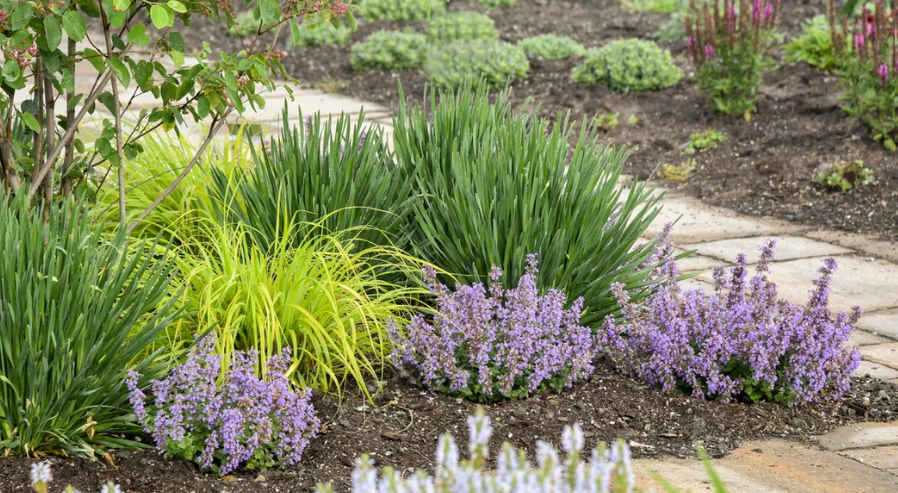
Catnip
Catnip handles Zone 7 winters without any concern at all, returning with real vigor every spring regardless of the season before. Beyond its famous effect on cats, it has its own long history as a mild medicinal herb.
It self-seeds readily enough that one original planting can spread into a small colony within a couple of years.
Lemon Balm
Lemon balm’s bright, citrus-scented leaves make a genuinely pleasant tea, and the plant returns every spring with the same enthusiasm as its mint-family relatives, including their shared tendency to spread further than intended. Periodic division keeps it contained.
It tolerates partial shade better than most of the sun-loving herbs on this list, making it a reasonable choice for a spot that doesn’t get full sun all day.
Bee Balm
Bee balm’s shaggy red or lavender-pink flowers draw hummingbirds and native bees all summer, and the plant handles Zone 7 winters without any trouble, returning reliably from its roots each spring. Its real vulnerability is powdery mildew in a humid summer, not cold.
Good spacing between plants for air circulation matters more here than any amount of winter protection ever would.
Yarrow
Yarrow’s fine, fern-like foliage and flat flower clusters tolerate genuinely poor, dry soil that would leave most other perennials struggling, with cold tolerance that goes well beyond anything Zone 7 ever demands. It’s had centuries of use in both cooking and traditional medicine.
Resist the urge to give it rich, amended soil, since yarrow actually performs worse in overly fertile ground than in lean, rough dirt.
Echinacea
Echinacea handles Zone 7 winters without a second thought, its coarse leaves and purple-pink coneflowers doing double duty as a pollinator plant and a traditional medicinal herb. Leave the seed heads standing through winter instead of cutting them back, since finches will work through them for food.
It’s genuinely drought tolerant once established, needing considerably less water than most other perennials through a dry summer.
Society Garlic
Society garlic becomes a genuinely reliable evergreen here rather than a plant that dies back hard for winter, its grass-like leaves and small pink flowers carrying a mild, usable garlic flavor. It’s one of the lower-maintenance edging options for a Zone 7 herb bed.
It tolerates poor soil and drought remarkably well once established, asking for little beyond a reasonably sunny spot.
Conclusion
Zone 7 has relatively mild winters and a longer growing season, allowing gardeners to grow a wide variety of herbs. Many perennial herbs can survive the winter in this zone, while annual herbs can provide additional choices during the warmer months.
Choosing herbs suited to Zone 7 can help plants establish strong growth and remain productive throughout the season. Factors such as sunlight, soil drainage, moisture, and exposure to extreme heat or cold should be considered when selecting a planting location.
With proper plant selection and basic care, Zone 7 gardens can support a diverse collection of useful herbs. Growing them in garden beds or containers can provide fresh flavors, fragrance, and attractive foliage while adding variety to the landscape.