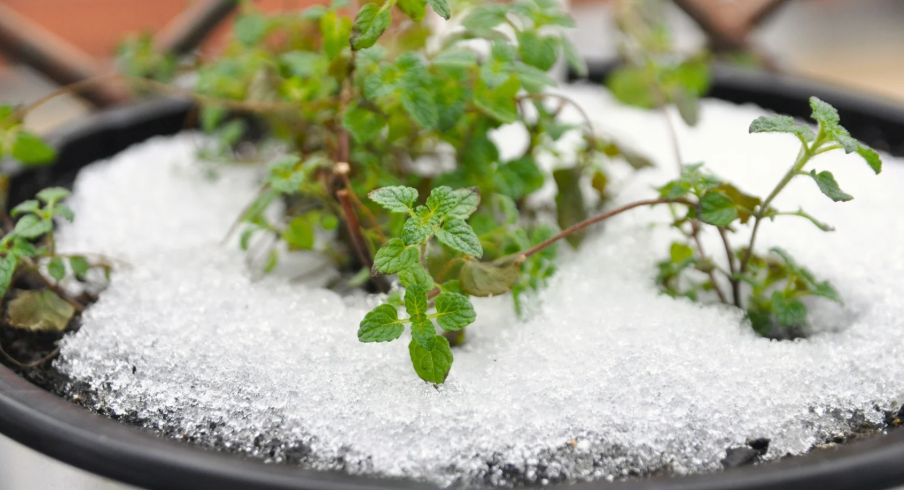
Spices that grow in cold climates represent a genuinely narrower category than most people expect, since the majority of the world’s most famous spices, including cinnamon, black pepper, nutmeg, and cardamom, are tropical plants that can’t survive outside USDA Hardiness Zones 9 through 12. According to House Digest’s reporting on home spice gardening, black pepper specifically is hardy only to zone 12, meaning it can realistically only be grown outdoors in places like Hawaii or Puerto Rico within the United States.
Cold-hardy spice options exist, though, and they cluster heavily around one particular plant family. According to a gardener’s account published through the Maine Organic Farmers and Gardeners Association, several of the spices most reliably grown in a genuinely cold climate like Maine, including coriander, dill, and caraway, all belong to the carrot family, sharing the same umbrella-shaped seed heads and aromatic oils. The same account notes an important exception worth knowing: cumin, despite superficially resembling its cold-hardy relatives, is considerably more cold-sensitive and needs a longer, warmer growing season to mature properly.
According to Utah State University Extension, dill in particular is quite hardy and able to tolerate genuinely cold winters, while Utah State’s caraway growing guide confirms caraway tolerates temperatures as low as negative 30 degrees Fahrenheit. What follows covers 25 spices that grow in cold climates, along with where each one grows and the data behind its hardiness.
Caraway
Caraway, and according to Harvest to Table, tolerates temperatures as low as negative 30 degrees Fahrenheit, growing well in USDA zones 3 through 11 as a hardy biennial. Its finely cut, carrot-like leaves form a low rosette in the first year before sending up flowering stalks and ripening seed the following spring and summer.
It grows well in cold climates throughout the northern United States and Canada, and gardeners are advised to plant it away from dill and fennel, since cross-pollination between the 3 related species can noticeably distort seed flavor.
Dill
Dill, and according to Utah State University Extension, is quite hardy and able to tolerate cold winters, with oil content in the leaves actually increasing under longer daylight and warmer temperatures during the growing season itself. It readily self-seeds once established, often returning on its own for several years after an initial planting.
It grows well throughout cold and temperate regions of the United States, typically sown directly in the garden in fall or early spring rather than started indoors.
Coriander
Coriander, the seed of the cilantro plant, is a genuinely cold-hardy annual according to gardening accounts from Maine’s cold climate growing community, often self-seeding so reliably from the previous year’s shattered seed that it can become a minor volunteer weed in rotated garden beds. Its leaves are used fresh as the herb cilantro, while the dried, ripened seeds are ground and used as the distinct spice coriander.
It grows well throughout cold-climate regions of the United States, tolerating frost considerably better than many other warm-season herbs and spices.
Fennel
Fennel produces feathery, dill-like foliage and aromatic seeds used as a licorice-flavored spice, grown in much the same way as its cold-hardy relatives caraway and coriander in northern climates. Its seeds ripen on the same umbrella-shaped flower heads characteristic of the broader carrot family it belongs to.
It grows in cold-climate gardens throughout the northern United States, though it generally requires pre-starting indoors in the shortest growing seasons to reliably reach maturity before frost.
Mustard
Mustard, grown for its pungent seeds used whole or ground into prepared mustard and spice blends, tolerates genuinely cold growing conditions and is commonly cultivated as a commercial oilseed and spice crop throughout Canada’s prairie provinces. Its small, round seeds range from pale yellow to nearly black depending on the specific species grown.
It grows throughout cold-climate agricultural regions of the northern United States and Canada, among the most commercially significant cold-hardy spice crops grown anywhere in North America.
Poppy Seed
Poppy seed, harvested from the seed pods of the opium poppy grown specifically for culinary rather than pharmaceutical use, tolerates cold winters well and is a traditional crop throughout much of Eastern Europe and the Netherlands. Its tiny, blue-gray seeds are used whole in baking and ground into pastry fillings across a range of cold-climate culinary traditions.
It grows well throughout cold-climate regions of the northern United States, typically sown in very early spring while the soil is still cool.
Nigella
Nigella, also called black caraway or black cumin despite belonging to an entirely different plant family than true caraway or cumin, produces small, bitter, peppery black seeds used as a spice throughout Middle Eastern and South Asian cuisine. Its delicate, blue-tinged flowers and finely divided foliage make it an attractive garden plant beyond its culinary use.
It grows well in temperate and cool climates throughout much of the northern United States, tolerating cooler growing seasons better than many other seed spices from warmer native ranges.
Horseradish
Horseradish produces a large, pungent taproot used fresh or prepared as a sharp, sinus-clearing condiment spice, among the most cold-hardy root crops grown anywhere in temperate agriculture. Its extensive root system allows it to survive and resprout reliably even after brutally cold winters that would kill most other perennial crops.
It grows throughout cold-climate regions of the northern United States and Canada, often persisting for years in the same garden bed once established.
Juniper Berries
Juniper berries, technically the female seed cones of the juniper shrub rather than a true berry, are used as a piney, resinous spice, most famously as the defining flavor in gin. The shrub itself is remarkably cold-hardy, native to boreal and subarctic forest regions across the Northern Hemisphere.
It grows throughout cold and subarctic regions of North America, Europe, and Asia, tolerating winter conditions considerably harsher than nearly any other spice-producing plant.
Angelica
Angelica produces thick, hollow stems and aromatic seeds traditionally used as a spice and flavoring throughout Scandinavian and Northern European cuisine, historically valued during a period when few other flavorful plants could survive the region’s harsh winters. Its candied stems have also been used as a decorative and flavoring ingredient in baking.
It grows well throughout cold-climate regions of the northern United States and Canada, favoring the moist, cool growing conditions typical of its native Nordic range.
Lovage
Lovage produces celery-like stems and leaves along with aromatic seeds used as a spice, a cold-hardy perennial that returns reliably year after year once established in a northern garden. Its strong, savory flavor has made it a traditional substitute for celery seed in regions where the more tender celery plant struggles to survive winter.
It grows throughout cold-climate perennial herb gardens across the northern United States and much of Northern Europe.
Tarragon
Tarragon, particularly the Russian tarragon variety valued for its exceptional cold hardiness, produces aromatic leaves used fresh and dried as a spice throughout French and Eastern European cuisine. Unlike French tarragon, which struggles in genuinely cold climates, the Russian variety reliably survives harsh winters at the cost of a somewhat milder flavor.
It grows throughout cold-climate perennial gardens across the northern United States and Canada, returning from its root system each spring after dying back completely in winter.
Chives
Chives, and according to Gardener’s Path, thrive as a perennial bulb plant in USDA zones 4 through 8, tolerating genuinely cold winters while returning reliably from their underground bulbs each spring. Their mild, onion-flavored leaves and edible purple flowers are used fresh as both a spice and a garnish.
It grows throughout cold-climate perennial herb gardens across nearly the entire northern United States and Canada.
Garlic
Garlic, grown for its pungent bulb used as one of the most widely used spices in the world, actually requires a period of cold exposure, called vernalization, to properly form distinct cloves within the bulb. Hardneck garlic varieties in particular are bred specifically for cold-climate cultivation, tolerating harsh winters that would damage or kill softneck varieties bred for milder regions.
It grows exceptionally well throughout cold-climate regions of the northern United States and Canada, typically planted in fall specifically to receive the winter chill period it requires.
Sumac
Sumac produces clusters of tart, reddish berries dried and ground into a tangy, lemony spice widely used throughout Middle Eastern cuisine, growing on a cold-hardy native shrub found throughout much of eastern North America. Its brilliant red fall foliage provides ornamental value well beyond its culinary use as a spice.
It grows throughout cold-climate woodland edges and disturbed ground across most of the eastern and central United States and Canada.
Saffron
Saffron, harvested from the delicate red stigmas of a particular crocus species, actually requires a genuine winter chill period to flower reliably each fall, making it more cold-tolerant than most people assume given its association with warmer Mediterranean and Middle Eastern growing regions. Its corms are planted in late summer specifically to bloom once cooler autumn temperatures set in.
It grows successfully in several cold-climate regions of the northern United States, including parts of New England, where growers have found the plant handles winter cold considerably better than summer heat and humidity.
Sichuan Peppercorn
Sichuan peppercorn, producing the distinctive numbing, citrusy spice essential to Sichuan cuisine, grows on a shrub native to mountainous regions of China that can tolerate winter temperatures well below freezing. Its cold tolerance reflects the high-elevation mountain climate of its native growing region, considerably cooler than the tropical origin of most other pepper-family spices.
It grows successfully in cold-climate regions of the United States down to roughly negative 4 degrees Fahrenheit, making it one of the more cold-hardy peppercorn-type spices available to home growers.
Wasabi
Wasabi, producing the pungent green rhizome used as a spice in Japanese cuisine, actually prefers cool, shaded growing conditions rather than genuine tropical heat, traditionally cultivated along cold mountain streams in Japan. Its intense flavor comes from compounds that develop most strongly when the plant is grown slowly in consistently cool conditions.
It grows successfully in cool, shaded, consistently moist locations throughout temperate regions of the United States, particularly the Pacific Northwest.
Spruce Tips
Spruce tips, the young, tender new growth harvested from spruce trees each spring, are used as a bright, citrusy, resinous spice and flavoring in a growing number of cold-climate culinary traditions. Their brief harvest window, typically lasting just a few weeks each spring before the new growth toughens, has made them a prized seasonal foraged ingredient.
They’re harvested throughout boreal and subarctic spruce forests across Canada, Alaska, and the northern United States.
Birch Syrup
Birch syrup, tapped from birch trees in a process similar to maple syrup production but requiring considerably more sap per finished gallon, is used as a distinctive, slightly savory flavoring spice throughout Nordic and Alaskan cuisine. Its production is concentrated in some of the coldest inhabited regions of the world, since birch trees require a genuine hard winter freeze-thaw cycle to produce sap.
It’s produced throughout Alaska, parts of Canada, and Scandinavia, considerably rarer and more labor-intensive to produce than traditional maple syrup.
Rowan Berries
Rowan berries, harvested from the mountain ash tree, are used as a tart, slightly bitter flavoring spice throughout traditional Scandinavian and Northern European cooking, particularly in sauces and preserves paired with game meat. The tree itself is remarkably cold-hardy, thriving at elevations and latitudes where few other fruiting trees can survive.
It grows throughout cold and subarctic regions of North America and Northern Europe, tolerating harsh mountain and high-latitude growing conditions.
Sea Buckthorn
Sea buckthorn produces small, intensely tart orange berries used as a tangy, vitamin-rich flavoring spice throughout Baltic and Scandinavian cuisine, growing on a thorny, cold-hardy shrub that tolerates some of the harshest coastal and inland cold climates in the Northern Hemisphere. Its nitrogen-fixing roots also make it a valuable soil-improving plant in difficult growing conditions.
It grows throughout cold coastal and inland regions of Northern Europe and parts of Canada, prized for the intensely tart, citrus-like flavor its berries add to traditional cold-climate recipes.
Sassafras
Sassafras, whose dried, ground root bark and leaves are traditionally used to make filé powder, a key thickening spice in Cajun and Creole cooking, grows as a genuinely cold-hardy native tree throughout the eastern United States. Its brilliant orange, red, and yellow fall foliage ranks among the most vivid of any native tree in its range.
It grows throughout cold-climate forests across the eastern United States, historically valued for its aromatic roots and bark well beyond its use as a spice.
Wild Bergamot
Wild bergamot, a native mint-family plant whose aromatic leaves are used as a spice and flavoring in traditional Native American and early American cooking, grows as a cold-hardy perennial throughout much of North America’s temperate zone. Its flavor profile shares a compound with the citrus bergamot used to flavor Earl Grey tea, despite the 2 plants being entirely unrelated.
It grows throughout prairies and open woodland across most of the cold and temperate regions of North America.
Sorrel
Sorrel produces tart, lemony leaves used as a sour flavoring spice throughout French and Eastern European cuisine, particularly in soups and sauces, growing as a cold-hardy perennial that returns reliably each spring after dying back completely in winter. Its sharp, acidic flavor comes from naturally occurring oxalic acid concentrated in the leaves.
It grows throughout cold-climate perennial herb gardens across the northern United States and much of Northern Europe.
Conclusion
Growing spices in cold climates is possible when the right plants are selected for the local conditions. Many cold-tolerant herbs and spice plants can withstand cool temperatures, while others may need protection from frost or to be grown in containers that can be moved indoors.
Understanding each plant’s hardiness, soil requirements, sunlight needs, and moisture preferences can make cultivation more successful. Choosing varieties suited to the local climate and providing protection during periods of severe cold can help plants survive and produce useful leaves, seeds, roots, or other aromatic parts.
With careful selection and proper growing conditions, a cold-climate garden can provide a surprising range of flavorful plants. Whether grown in a backyard garden, raised bed, or container, these spices can add variety to the garden while extending the range of plants that can be cultivated in cooler regions.