N/B: This is a neutral article about cannabis that focuses on history, legal status, health effects and botanical classification, it is not a promotional or strain-selection content for marijuana.
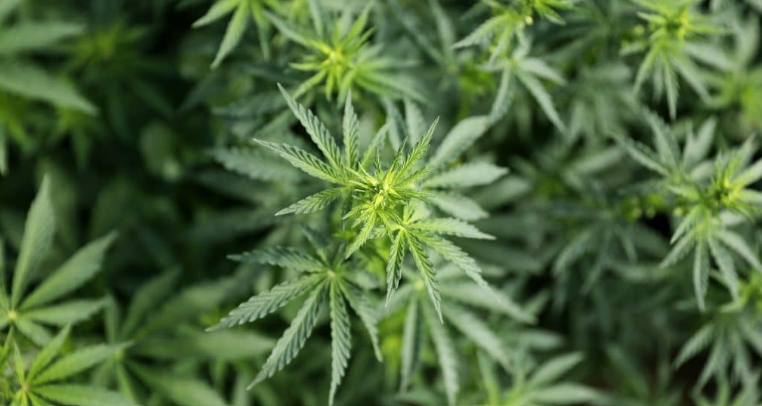
Types of marijuana strains fall into a genetic history that traces back thousands of years, and according to the cannabis education resource Verilife, cannabis genetics can be traced back to a single plant species originating in the Hindu Kush mountains of Afghanistan, with the earliest written record of the plant appearing in a Chinese medicine encyclopedia around 2,900 BC. Over centuries of trade and migration, that original plant spread to different climates around the world, gradually developing into the distinct regional varieties known today as landrace strains.
According to research published in a peer-reviewed classification study, the terms indica and sativa originally described physical growth characteristics rather than effects: indica applied to plants with broad leaflets and a short, compact growth habit whose landrace ancestors came primarily from Central Asia, while sativa applied to taller, more diffusely branched plants with narrow leaflets whose ancestors came primarily from South Asia. Those original landrace varieties, developed in isolation over generations, form the genetic foundation underlying nearly every modern hybrid strain sold today.
According to cannabis retailer Nectar, true landrace strains have become genuinely rare in modern commerce, since most strains available at a dispensary today are the product of deliberate crossbreeding between multiple parent varieties rather than an unhybridized original plant. What follows covers 24 types of marijuana strains, spanning both original landrace varieties and their modern hybrid descendants, along with the genetic history and sensory profile behind each one.
Hindu Kush
Hindu Kush is a pure indica landrace strain originating in the mountainous Hindu Kush range spanning Afghanistan and Pakistan, developing a short, dense, broad-leafed growth habit suited to that harsh, high-altitude climate. Its resin-heavy buds carry an earthy, sandalwood-like aroma that reflects its arid mountain origin.
It’s grown today mostly as breeding stock, since its genetics form the backbone of a huge number of modern indica-dominant hybrid strains sold commercially.
Afghani
Afghani, sometimes called Afghan Kush, is a broad-leafed indica landrace strain developed across multiple mountainous growing regions within Afghanistan, closely related to Hindu Kush but recognized as its own distinct regional variety. Its dense, resinous buds and fast flowering time made it historically valuable for producing hashish across the region.
It remains an important genetic ancestor behind many contemporary indica hybrid strains, prized by breeders specifically for its resin production and resilience.
Durban Poison
Durban Poison is a pure sativa landrace strain native to Durban, South Africa, developing the tall, narrow-leafed growth habit typical of sativa varieties adapted to a warm, subtropical climate. Its sweet, aniseed-like aroma is distinctive among sativa landraces and has made it a lasting favorite among breeders seeking genuinely pure sativa genetics.
It remains widely available today in relatively unhybridized form, one of the few landrace strains still commonly found on dispensary shelves.
Acapulco Gold
Acapulco Gold is a legendary sativa landrace strain originating in the region surrounding Acapulco, Mexico, historically prized for its distinctive golden-brown bud coloration and sweet, toffee-like aroma. Its reputation dates back to the 1960s and 1970s, when it became one of the most sought-after imported cannabis varieties in North America.
Genuine Acapulco Gold genetics have become considerably rarer today, and much of what’s sold under the name now is a modern hybrid reinterpretation rather than the original landrace line.
Thai Stick
Thai Stick is a sativa landrace strain native to Thailand, historically prepared by binding cured cannabis flowers onto a stick or piece of bamboo, a traditional preparation method that gave the strain its common name. Its citrusy, spicy aroma and tall, narrow-leafed growth habit reflect its tropical Southeast Asian origin.
Authentic Thai landrace genetics remain relatively rare in modern commercial cultivation, valued primarily today as breeding stock for sativa-dominant hybrids.
Malawi Gold
Malawi Gold is a pure sativa landrace strain from Malawi in southeastern Africa, carrying a sweet, spicy flavor profile alongside the tall, lanky growth habit typical of equatorial sativa varieties. It’s cherished within the cannabis community specifically for its unusually pure, unhybridized African genetics.
It remains grown in limited quantities today, both within Malawi and by specialty breeders elsewhere seeking to preserve authentic landrace lines.
Panama Red
Panama Red is a sativa landrace strain originating in Panama, historically popular throughout the 1960s and 1970s for its distinctive reddish-tinted foliage and energizing reputation among that era’s cannabis culture. Its narrow-leafed, tall growth habit is typical of tropical sativa landraces adapted to Central American climates.
Genuine Panama Red genetics have become quite rare in modern cultivation, with most contemporary offerings under the name representing later hybrid reinterpretations.
Lamb’s Bread
Lamb’s bread, also called lamb’s breath, is a sativa landrace strain associated with Jamaica, carrying an earthy, herbal aroma and the tall, narrow-leafed structure typical of tropical sativa genetics. It gained particular cultural significance through its association with Rastafarian spiritual practice in Jamaica.
Authentic Jamaican landrace lines remain relatively uncommon in modern commercial cultivation compared to more heavily hybridized descendants.
White Widow
White Widow is a balanced hybrid strain created in the Netherlands, and according to Wikipedia’s documentation of the strain, it resulted from crossing a Brazilian sativa landrace with a South Indian indica landrace at the Greenhouse Seed Company. Its buds are famously coated in a dense layer of white, crystalline resin, giving the strain its name, and it won the Cannabis Cup in 1995.
It remains one of the most widely recognized hybrid strains in the world, frequently used as parent genetics in newer strain development.
OG Kush
OG Kush is a hybrid strain whose exact parentage remains disputed and somewhat mysterious within the cannabis community, generally believed to combine Hindu Kush indica genetics with Chemdawg-lineage sativa influence. Its distinctive fuel-like, earthy, pine aroma has made it one of the most recognizable and widely referenced strain profiles in modern cannabis culture.
It serves as a parent strain behind an enormous number of contemporary hybrids, including several other entries on this list.
Sour Diesel
Sour Diesel is a sativa-dominant hybrid strain believed to descend from Chemdawg and Skunk lineage, carrying a pungent, fuel-like aroma that gives the strain its name. It rose to prominence on the East Coast cannabis scene in the 1990s and has remained a consistently popular strain in the decades since.
Its genetics have been used extensively in further hybrid breeding, particularly among strains seeking a similarly pungent, diesel-forward aroma profile.
Blue Dream
Blue Dream is a sativa-dominant hybrid created by crossing Blueberry indica genetics with Haze sativa lineage, combining a sweet berry aroma from its indica parent with the more energizing growth structure of its sativa side. It originated in California and has become one of the most commercially successful strains in American cannabis history.
Its balanced, widely appealing profile has made it a consistent bestseller across dispensaries in nearly every legal market in the country.
Girl Scout Cookies
Girl Scout Cookies, often abbreviated GSC, is a hybrid strain created by crossing Durban Poison sativa landrace genetics with OG Kush, combining a sweet, earthy aroma with a dense, resinous bud structure. It originated in California and quickly became one of the most celebrated and widely imitated strains of the 2010s.
Its genetics have gone on to parent numerous other popular strains, including several dessert-themed hybrids that followed its commercial success.
Gelato
Gelato is a hybrid strain descended from Girl Scout Cookies genetics crossed with Sunset Sherbet, carrying a sweet, dessert-like aroma with fruity undertones that reflects its confectionery-inspired lineage. It originated in the San Francisco Bay Area and has spawned numerous numbered phenotype variations, each with subtly different characteristics.
It remains one of the most commercially prominent strains in modern legal cannabis markets, particularly on the West Coast.
Wedding Cake
Wedding Cake, also called Pink Cookies, is a hybrid strain descended from Girl Scout Cookies crossed with Cherry Pie genetics, carrying a rich, tangy, vanilla-like aroma. It gained significant popularity in the late 2010s as part of the broader wave of GSC-descended dessert-named strains.
Its dense, trichome-heavy bud structure has made it a consistently popular choice among strains bred from Cookies-family genetics.
Northern Lights
Northern Lights is a nearly pure indica hybrid believed to descend primarily from Afghani and Thai landrace genetics, developing a sweet, earthy, slightly spicy aroma. It became one of the most award-winning strains of the 1980s and 1990s cannabis competition circuit.
Its stable, reliable genetics have made it a foundational parent strain used extensively throughout indica-dominant hybrid breeding programs since.
Granddaddy Purple
Granddaddy Purple is an indica hybrid created by crossing Purple Urkle with Big Bud genetics, known for its deep purple coloration and sweet grape and berry aroma. It originated in California in the early 2000s and quickly became one of the most visually distinctive strains in commercial cultivation.
Its striking purple pigmentation, caused by anthocyanin compounds that become more pronounced in cooler growing temperatures, has made it a favorite for dispensary displays.
Pineapple Express
Pineapple Express is a sativa-dominant hybrid created by crossing Trainwreck with Hawaiian genetics, carrying a distinctly tropical, pineapple-forward aroma. It gained enormous mainstream visibility after inspiring the title of a popular 2008 film, considerably raising its public profile beyond dedicated cannabis circles.
It remains a popular strain in legal markets today, valued particularly for its distinctive tropical fruit aroma profile.
Jack Herer
Jack Herer is a sativa-dominant hybrid named after the cannabis activist and author of the same name, created by crossing Haze genetics with Northern Lights and Shiva Skunk. Its spicy, pine-forward aroma and energetic reputation made it one of the most awarded strains of the late 1990s.
It remains widely available in legal markets and continues to serve as parent genetics for newer sativa-leaning hybrid strains.
AK-47
AK-47 is a sativa-dominant hybrid combining Colombian, Mexican, Thai, and Afghani landrace genetics into a single complex cross, carrying a pungent, earthy, sour aroma. Despite its aggressive-sounding name, referencing the rapid onset of its effects rather than any connection to the firearm, it became one of the most awarded strains of the 1990s cannabis competition circuit.
Its complex, multi-landrace parentage has made it a genetically significant strain frequently referenced in breeding literature.
Bubba Kush
Bubba Kush is an indica strain believed to combine Kush landrace genetics with an unidentified indica parent, carrying a distinctive coffee and chocolate-like aroma unusual among indica varieties. It emerged in the United States in the 1990s and has remained a consistently popular indica strain in the decades since.
Its rich, dessert-like aroma profile has made it a popular parent strain in later hybrid breeding aimed at similarly unusual flavor combinations.
Trainwreck
Trainwreck is a sativa-dominant hybrid combining Mexican and Thai sativa landrace genetics with Afghani indica influence, carrying a spicy, lemon-pine aroma. It originated in California’s Emerald Triangle growing region and became particularly well known throughout the Pacific Northwest cannabis scene.
It remains a foundational parent strain for several other hybrids on this list, including Pineapple Express.
Green Crack
Green Crack is a sativa-dominant hybrid believed to descend from Skunk #1 genetics, carrying a sharp, citrus and mango-like aroma. Its original name, Cush, was reportedly changed by cannabis activist Cervantes to Green Crack specifically to reflect its energizing reputation, a rename that stuck within the broader cannabis community.
It remains a popular sativa-leaning strain in legal markets, particularly among strains marketed for daytime use.
Skunk #1
Skunk #1 is a stabilized hybrid combining Colombian and Mexican sativa landrace genetics with an Afghani indica parent, carrying the pungent, sulfurous aroma that gave the entire “skunk” strain family its name. Developed in the 1970s, it became one of the most genetically influential strains in modern cannabis history.
Its stable, reliably reproducing genetics have made it a foundational parent strain behind an enormous share of the hybrid strains bred in the decades since, including several others on this list.
Conclusion
Marijuana strains are often described using categories and names that reflect their breeding history, origin, and commonly reported characteristics. However, the names and classifications used for different strains are not always standardized, and plants with the same name can vary considerably.
Understanding the differences between marijuana varieties is therefore best approached through their botanical background, breeding history, and documented chemical composition rather than names alone. Factors such as genetics and growing conditions can influence the characteristics of individual plants.
For an educational overview, learning about the history, classification, and diversity of cannabis varieties provides useful context for understanding how these plants have developed over time. Laws and regulations concerning cannabis also vary by location, so relevant local rules should always be considered.