Invasive plant species in Oklahoma include a genuinely unusual case that trips up a lot of people, since one of the state’s most damaging invaders isn’t a foreign import at all. According to Oklahoma State University Extension, eastern redcedar is a native, non-sprouting tree that was historically confined to river bottoms and rocky draws where wildfire couldn’t reach it, but decades of fire suppression since European settlement have let it spread aggressively into grasslands and shrublands across the state, converting open prairie into dense woodland and creating a highly volatile wildfire fuel source near homes and structures.
Oklahoma’s other major invaders arrived through more conventional means, and OSU maintains what its own researchers informally call a “Dirty Dozen” list of the state’s most damaging species. According to Oklahoma State University News, that list includes sericea lespedeza, field brome, cheatgrass, Chinese privet, Japanese honeysuckle, Russian thistle, Johnsongrass, saltcedar, and Siberian elm, among others, spanning everything from rangeland grasses to ornamental shrubs.
Oklahoma’s legal treatment of these species is genuinely inconsistent from one plant to the next, and according to Farm Progress’s reporting on the issue, musk thistle, Scotch thistle, and Canada thistle are all classified as legal noxious weeds that landowners are required to control, with infestation severity formally defined as light at fewer than 2 plants per acre, medium at 2 to 9 plants per acre, and severe at 10 or more. Sericea lespedeza, by contrast, is still officially classified as a crop in Oklahoma even though neighboring Kansas, Nebraska, and Colorado have all designated it a noxious weed, meaning an Oklahoma landowner has no legal control obligation for a plant a Kansas neighbor across the border would be required to manage. What follows covers 28 invasive plant species in Oklahoma, along with where each one grows and the data behind its spread.
Eastern Redcedar
Eastern redcedar produces small, berry-like blue cones readily dispersed by birds, and according to Oklahoma State University Extension, it doesn’t resprout from cut roots or stumps, making mechanical cutting a genuinely effective control method once a stand is identified. Its highly volatile, resinous foliage creates a serious wildfire hazard, and dense stands can significantly alter the natural hydrology of the prairie it invades.
It grows throughout Oklahoma, having spread far beyond its historic river-bottom range into open grassland and shrubland as decades of fire suppression removed the natural check that once confined it.
Sericea Lespedeza
Sericea lespedeza, and according to Oklahoma State University Extension, has been found growing in every part of the state except the Panhandle, producing 430 to 850 pounds of seed per acre annually with roughly 350,000 seeds in that total. It was introduced from East Asia in 1896 for erosion control and livestock forage before its aggressive, competitive growth became apparent.
It’s still officially classified as a crop rather than a noxious weed in Oklahoma, even though Kansas, Nebraska, and Colorado have all designated it a noxious weed given its capacity to invade and degrade rangeland forage production.
Field Brome
Field brome produces fine, wispy seed heads on a cool-season annual grass that germinates in fall and competes aggressively with native prairie species for early-season moisture and nutrients. Its rapid, dense growth can crowd out more desirable native grasses before they’ve had a chance to establish.
It grows throughout much of Oklahoma’s rangeland and disturbed grassland, part of the state’s formally recognized “Dirty Dozen” of significant invasive species.
Cheatgrass
Cheatgrass, also called downy brome, produces fine, bristly seed heads on a cool-season annual grass that dries out and becomes extremely flammable earlier in the season than most native prairie grasses. Its early, aggressive germination lets it outcompete native seedlings for scarce spring moisture.
It grows throughout disturbed rangeland across Oklahoma, and its dried foliage significantly increases wildfire risk during the hottest, driest parts of the growing season.
Chinese Privet
Chinese privet produces small white flower clusters and dark berries on a dense, twiggy shrub originally valued as a hedging plant before its invasive spread into surrounding woodland became apparent. Birds readily eat and disperse its berries well beyond any original planting.
It grows throughout wooded areas and disturbed ground across eastern Oklahoma, forming dense understory thickets that few native shrubs can successfully compete against.
Japanese Honeysuckle
Japanese honeysuckle produces fragrant, tubular white flowers that fade to yellow, growing on an aggressively twining, semi-evergreen vine capable of smothering shrubs and small trees entirely. Its vigorous growth in mild weather makes it one of the more difficult invasive vines to control through cutting alone.
It grows throughout much of eastern Oklahoma, forming dense blankets over understory vegetation that block sunlight from everything beneath it.
Russian Thistle
Russian thistle, commonly known as tumbleweed, produces a rounded, bushy plant that breaks off at the base once dry and rolls across open ground, scattering thousands of seeds as it travels. Its rapid growth and drought tolerance let it colonize disturbed, bare ground faster than most native prairie plants.
It grows throughout disturbed fields and roadsides across much of Oklahoma, particularly in drier western regions of the state.
Johnsongrass
Johnsongrass produces tall, coarse foliage topped with reddish-purple seed heads on an aggressive perennial grass capable of spreading through both seed and extensive underground rhizomes. Its foliage can also produce toxic levels of prussic acid under certain stress conditions, posing a genuine risk to grazing livestock.
It grows throughout agricultural fields and disturbed ground across Oklahoma, considered one of the most economically damaging weeds in row-crop agriculture nationwide.
Saltcedar
Saltcedar, also called tamarisk, produces fine, scale-like foliage and small pink flowers on a shrub or small tree that consumes enormous quantities of water along the streams and rivers it invades. Its deep roots can draw down local water tables enough to affect surrounding native vegetation.
It grows along waterways throughout western Oklahoma, forming dense stands that alter natural stream flow and increase soil salinity in the areas where it establishes.
Siberian Elm
Siberian elm produces small, dark green leaves and grows remarkably fast, a trait that made it a popular substitute for American elm after Dutch elm disease devastated that native species. Its wood is notably brittle, and mature trees are prone to shedding large limbs during storms.
It grows throughout much of Oklahoma, particularly in disturbed urban lots and fence rows where its wind-dispersed seeds readily establish.
Musk Thistle
Musk thistle produces spiny, deeply lobed leaves and a large, nodding purple flower head, classified as a legal noxious weed in Oklahoma that landowners are required to control. A single plant can produce over 10,000 seeds in a season, most of which remain viable in the soil for several years.
It grows throughout pastures and roadsides across Oklahoma, with infestation severity formally defined by state guidelines ranging from light at under 2 plants per acre to severe at 10 or more.
Scotch Thistle
Scotch thistle produces enormous, spiny, silvery-gray leaves and a towering, heavily branched flowering stalk, also classified as a legal noxious weed requiring mandatory landowner control in Oklahoma. Its imposing size and dense spines make it one of the more physically intimidating weeds found in the state’s rangeland.
It grows throughout disturbed pastures and rangeland across parts of Oklahoma.
Canada Thistle
Canada thistle produces spiny-edged leaves and small purple flower heads atop an extensive, far-reaching underground root system, the third thistle species classified as a legal noxious weed in Oklahoma. A single root system can spread outward and colonize an entire field within a few growing seasons if left unmanaged.
It grows throughout pastures and roadsides across Oklahoma, and mowing alone often makes an infestation worse by stimulating more vigorous root sprouting.
Old World Bluestem
Old world bluestem, a group of related grass species originally introduced for forage and erosion control, produces dense, uniform stands that displace the diverse native tallgrass and mixed-grass prairie species it replaces. Its aggressive spread has made restoring native prairie composition genuinely difficult once it’s established.
It grows throughout rangeland across much of Oklahoma, forming near-monocultures that provide considerably less habitat value for native wildlife than the diverse prairie it displaces.
Kudzu
Kudzu produces large, 3-lobed leaves on vigorous vines capable of growing 60 to 100 feet in a single season. Its massive underground tubers store enough energy to let the vine regrow persistently even after years of cutting and herbicide treatment.
It grows in scattered, localized infestations in parts of eastern Oklahoma, considerably less established than in states further east but aggressive wherever it takes hold.
Multiflora Rose
Multiflora rose produces arching, thorny canes lined with clusters of small white flowers, forming dense, nearly impassable thickets wherever it’s left unmanaged. A single mature shrub can produce close to 500,000 seeds in a year, widely dispersed by birds through fall and winter.
It grows throughout pastures and fence rows across eastern Oklahoma, despite once being recommended for erosion control and living fences.
Callery Pear
Callery pear, widely sold under ornamental cultivar names including Bradford pear, produces abundant white spring flowers followed by small, hard fruit that birds readily eat and disperse into surrounding natural areas. Its thorny, fast-growing wild seedlings form dense thickets in old fields, a genuinely different plant than the tidy ornamental sold at nurseries.
It’s an increasingly documented concern throughout Oklahoma, prompting several other states to begin restricting its sale entirely.
Autumn Olive
Autumn olive produces bright green leaves that are distinctively silver underneath, with strongly fragrant cream to pale yellow flowers each spring. Because it fixes atmospheric nitrogen through its root system, it can alter soil chemistry in ways that favor its own continued spread over native vegetation.
It grows throughout old fields and disturbed ground across eastern Oklahoma.
Chinese Tallow Tree
Chinese tallow tree, sometimes called the popcorn tree for its waxy white seeds, was introduced first as a seed oil crop before spreading further as a popular ornamental for its colorful fall foliage. Birds eat its seeds and disperse them widely, allowing the tree to colonize a broad range of disturbed habitat.
It grows in scattered locations throughout southeastern Oklahoma, capable of converting open prairie into dense tallow forest within about a decade of establishment.
Tree of Heaven
Tree of heaven produces large, compound leaves and grows remarkably fast even by invasive tree standards, with root sprouts capable of reaching several feet in their very first year alone. Its rapid, suckering growth makes it notoriously difficult to eliminate through cutting alone.
It grows throughout much of Oklahoma, particularly along roadsides and disturbed urban lots, and it also serves as the preferred host plant for the invasive spotted lanternfly.
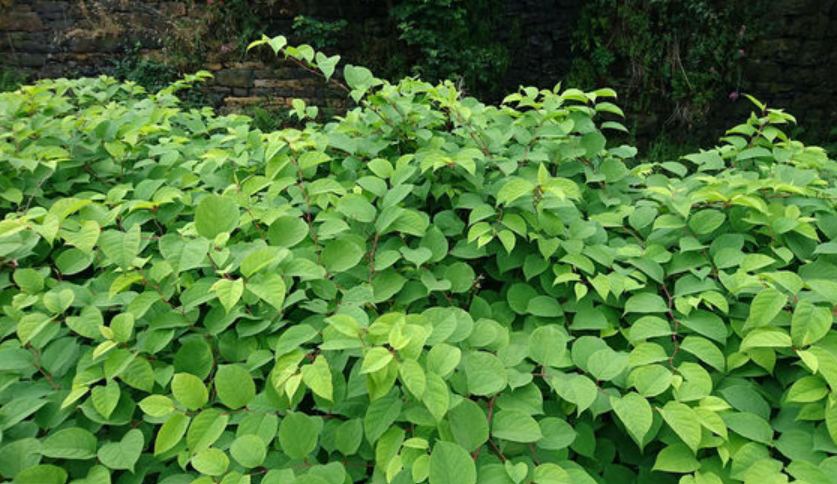
Japanese Knotweed
Japanese knotweed produces hollow, bamboo-like stems that can push through cracks in pavement and foundations as a colony expands, spreading through an extensive underground rhizome network. Even a small fragment of rhizome left in the soil can regenerate an entirely new colony the following season.
It grows in scattered infestations in parts of Oklahoma, particularly along disturbed urban lots and waterways.
Purple Loosestrife
Purple loosestrife produces tall spikes of vivid magenta-purple flowers each summer, a display so attractive that it was originally introduced to gardens before its aggressive wetland behavior became apparent. A single mature plant can produce well over a million seeds in a season.
It grows in scattered wetland locations throughout Oklahoma, forming dense monocultures that crowd out the native plants waterfowl depend on.
Common Buckthorn
Common buckthorn leafs out earlier in spring and holds its leaves later into fall than most native trees, giving it a considerable competitive advantage over the forest species it displaces. Its small, dark berries have a noticeable laxative effect on the birds that eat them, which paradoxically helps disperse its seeds.
It grows in scattered woodland locations across parts of Oklahoma, forming dense understory thickets that shade out native tree seedlings.
Amur Honeysuckle
Amur honeysuckle leafs out earlier in spring and holds its leaves later into fall than most native shrubs, giving it a considerable head start in competing for available sunlight. Its abundant red berries are readily eaten and spread by birds into surrounding natural areas.
It grows throughout woodland edges and disturbed areas across eastern Oklahoma.
English Ivy
English ivy is an evergreen climbing and groundcover vine that spreads via both seed and rooting stems, planted for decades as low-maintenance landscaping before its invasive woodland behavior became widely recognized. Once a vine climbs high enough into full sun, its leaf shape changes from the familiar lobed juvenile form to a simpler, unlobed adult leaf capable of flowering and fruiting.
It grows in scattered locations throughout Oklahoma as both a cultivated groundcover and an escaped woodland invasive.
Chinaberry Tree
Chinaberry tree produces fragrant, lavender flower clusters each spring followed by round, yellow-green berries that persist on bare branches well into winter. Those berries are toxic to humans and many animals if eaten in quantity, though birds appear largely unaffected and help spread the seeds widely.
It grows throughout much of Oklahoma, particularly common in disturbed areas, fence rows, and old homestead sites.
Giant Reed
Giant reed produces towering, bamboo-like canes capable of reaching 20 feet or more, forming dense stands along waterways that crowd out native riparian vegetation entirely. Its rapid growth and tolerance for disturbed, wet soil let it establish quickly along streambanks and irrigation channels.
It grows in scattered locations along Oklahoma waterways, considered a significant water-use concern given how much moisture a dense stand can draw from a stream or irrigation system.
Winged Burning Bush
Winged burning bush, prized for its intensely saturated red fall foliage, produces distinctive corky, wing-like ridges along its stems that make it identifiable even without leaves. Several states have restricted its sale given its documented tendency to escape cultivation into surrounding woodland.
It grows in scattered naturalized populations throughout parts of Oklahoma, spreading via bird-dispersed seed into forest understories where it forms dense stands that crowd out native shrubs.
Conclusion
Invasive plant species in Oklahoma can spread across grasslands, forests, wetlands, roadsides, agricultural areas, and gardens. They may compete with native plants for sunlight, water, nutrients, and space, and some can alter the structure of local habitats.
Learning to identify invasive plants is an important step toward managing their spread. Early detection and regular monitoring can help identify new populations before they become more difficult to control, while suitable management methods can reduce their impact on native vegetation.
Protecting Oklahoma’s native ecosystems requires continued attention from landowners, gardeners, conservation groups, and local communities. Choosing non-invasive plants, preventing the spread of seeds and plant material, and managing established populations can help maintain healthy and diverse landscapes across the state.