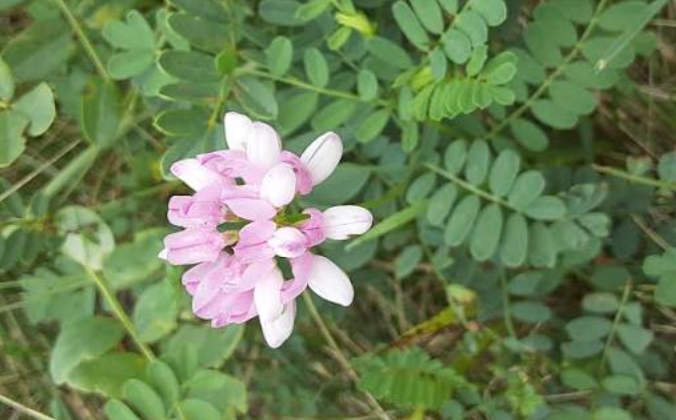
Invasive plant species in Wisconsin are regulated through a genuinely unusual system that varies not just by species but by county, and according to the Wisconsin Department of Natural Resources, the state’s invasive species rule, known as NR 40, divides regulated species into 2 categories, prohibited and restricted, covering more than 128 species total across plants, animals, and microorganisms. A prohibited species is one not yet established in the state, or found only in a handful of places, where eradication genuinely remains feasible, while a restricted species is already established and being managed rather than eliminated outright.
What makes Wisconsin’s rule genuinely distinctive is that a single species can carry both classifications simultaneously depending on location. According to the Wisconsin DNR’s official NR 40 species list, wild chervil is classified as restricted in 33 specifically named counties, from Adams and Barron through Waukesha and Washington, while it remains classified as the stricter prohibited status everywhere else in the state, meaning the exact same plant carries a different legal status depending entirely on which side of a county line it’s growing on.
According to University of Wisconsin-Madison Extension horticulture specialist Laura Jull, the NR 40 rule traces back to 2001, when the state legislature directed the DNR to establish a statewide identification and classification program, with the rule itself finalized in September 2009 following the formation of a dedicated Wisconsin Council on Invasive Species in 2004. Jull’s research also notes that only about 1% of all introduced species ultimately become invasive, a useful reminder that most non-native plants never cause the kind of damage the species on this list are specifically known for. What follows covers 30 invasive plant species in Wisconsin, along with where each one grows and the data behind its spread.
Wild Chervil
Wild chervil produces small, lacy clusters of white flowers atop a hollow, grooved, hairy stem, closely resembling several other carrot-family plants including poison hemlock. Under Wisconsin’s NR 40 rule, it’s classified as restricted in 33 named counties across the state but prohibited everywhere else, meaning its legal status genuinely depends on exactly where it’s found growing.
It grows throughout roadsides and disturbed fields across much of Wisconsin, spreading rapidly along highway corridors in the counties where it’s already established.
Hill Mustard
Hill mustard produces clusters of small yellow flowers on a coarse, branching biennial or short-lived perennial, classified as restricted in just 6 named Wisconsin counties, including Dane, Grant, Green, Iowa, Lafayette, and Rock, and prohibited statewide otherwise. Its limited current distribution has made containment within those specific counties a genuine management priority.
It grows in scattered locations throughout southwestern Wisconsin, favoring disturbed roadsides and field edges.
European Marsh Thistle
European marsh thistle produces spiny, purple-flowered stems on a wetland-adapted thistle species classified as restricted across 21 named counties in northern Wisconsin and prohibited elsewhere in the state. Its ability to invade genuinely wet habitat sets it apart from most other thistle species, which typically favor drier disturbed ground.
It grows throughout wet meadows and marshland in parts of northern Wisconsin, displacing native wetland vegetation in habitat few other invasive thistles can tolerate.
Hairy Willow Herb
Hairy willow herb produces showy pink-purple flowers on a wetland perennial classified as restricted in a handful of named eastern Wisconsin counties and prohibited statewide otherwise. Its attractive blooms have occasionally led to confusion with native fireweed and other wetland wildflowers.
It grows in scattered wetland locations in parts of eastern Wisconsin, favoring consistently moist, disturbed ground.
Reed Mannagrass
Reed mannagrass, also called tall mannagrass, produces dense stands of coarse grass in wetland habitat, classified as restricted across more than 20 named Wisconsin counties concentrated in the southeastern part of the state, with prohibited status applying everywhere else. Its aggressive spread through wetland margins has made it a significant concern in the counties where it’s already established.
It grows throughout wetland and marsh habitat in parts of southeastern Wisconsin, forming dense monocultures that crowd out native wetland plants.
Japanese Hops
Japanese hops produces rough, climbing vines covered in tiny hooked hairs capable of causing skin irritation on contact, classified as restricted in 15 named counties concentrated in southwestern Wisconsin and prohibited elsewhere. Its rapid annual growth allows it to smother streamside vegetation within a single growing season.
It grows along rivers and disturbed streambanks throughout parts of southwestern Wisconsin.
Lyme Grass
Lyme grass, also called sand ryegrass, produces tall, coarse, blue-green foliage on a rhizomatous grass classified as restricted in 8 named counties along Wisconsin’s Lake Michigan shoreline and prohibited statewide otherwise. Its salt and sand tolerance let it establish readily in the coastal dune habitat where it’s currently found.
It grows along Lake Michigan’s shoreline dunes in parts of eastern Wisconsin.
Purple Loosestrife
Purple loosestrife produces tall spikes of vivid magenta-purple flowers each summer, a display so attractive that it was originally introduced to gardens before its aggressive wetland behavior became apparent. A single mature plant can produce well over a million seeds in a season.
It grows throughout marshes and wetland margins statewide, forming dense monocultures that crowd out the native plants waterfowl depend on.
Japanese Knotweed
Japanese knotweed produces hollow, bamboo-like stems that can push through cracks in pavement and foundations as a colony expands, spreading through an extensive underground rhizome network. Even a small fragment of rhizome left in the soil can regenerate an entirely new colony the following season.
It grows in scattered infestations throughout Wisconsin, particularly along riverbanks, roadsides, and disturbed urban lots.
Garlic Mustard
Garlic mustard produces small clusters of white, 4-petaled flowers atop a biennial plant whose roots release chemicals into the surrounding soil that actively suppress the germination of nearby native plants. A single mother plant can produce thousands of seeds that remain viable in the soil for years.
It grows throughout wooded areas across much of Wisconsin, threatening spring ephemerals that can’t compete with its early, aggressive growth.
Common Buckthorn
Common buckthorn leafs out earlier in spring and holds its leaves later into fall than most native trees, giving it a considerable competitive advantage over the forest species it displaces. Its small, dark berries have a noticeable laxative effect on the birds that eat them.
It grows extensively throughout woodlands and fence rows across Wisconsin, forming dense understory thickets that shade out native tree seedlings.
Glossy Buckthorn
Glossy buckthorn closely resembles common buckthorn but favors wetter ground and lacks the thorns typically found at its close relative’s branch tips. Its berries ripen through a progression of red to purple to black on the same plant simultaneously.
It grows throughout wet woodlands and swamp margins across Wisconsin.
Multiflora Rose
Multiflora rose produces arching, thorny canes lined with clusters of small white flowers, forming dense, nearly impassable thickets wherever it’s left unmanaged. A single mature shrub can produce close to 500,000 seeds in a year.
It grows throughout pastures, fence rows, and forest edges across much of Wisconsin.
Oriental Bittersweet
Oriental bittersweet produces a woody, twining vine capable of climbing 60 feet or more into a tree canopy, eventually girdling and killing its host through a combination of constriction and accumulated weight. Its bright orange-yellow seed capsules split open in fall to reveal striking red seeds.
It grows throughout forest edges and disturbed woodland across southern Wisconsin.
Japanese Barberry
Japanese barberry produces small, oval leaves and bright red berries on a dense, spiny shrub originally valued for its ornamental foliage and deer resistance. Research has linked dense barberry thickets to higher populations of ticks carrying Lyme disease.
It grows throughout woodlands and forest edges across much of Wisconsin.
Amur Honeysuckle
Amur honeysuckle leafs out earlier in spring and holds its leaves later into fall than most native shrubs, giving it a considerable head start in competing for available sunlight. Its abundant red berries are readily eaten and spread by birds.
It grows throughout woodland edges and disturbed areas across southern Wisconsin.
Morrow’s Honeysuckle
Morrow’s honeysuckle closely resembles its Amur relative in small white, fading-to-yellow flowers and prolific red berries, distinguished by slightly hairier leaves and stems.
It grows throughout woodland edges and disturbed areas across much of Wisconsin.
Tatarian Honeysuckle
Tatarian honeysuckle produces pink to white flowers and red berries similar to its bush honeysuckle relatives, distinguished by smoother, hairless leaves. Its dense, multi-stemmed growth habit crowds out native shrubs wherever it establishes.
It grows throughout disturbed woodlands and fence rows across Wisconsin.
Autumn Olive
Autumn olive produces bright green leaves that are distinctively silver underneath, with strongly fragrant cream to pale yellow flowers each spring. Because it fixes atmospheric nitrogen through its root system, it can alter soil chemistry in ways that favor its own continued spread.
It grows throughout old fields and disturbed ground across southern Wisconsin.
Reed Canary Grass
Reed canary grass forms dense, tall stands of coarse, wide blades capable of reaching 6 feet or more, spreading aggressively through both an extensive rhizome system and abundant seed production. It’s considered one of the most difficult wetland grasses to control once established.
It grows throughout wet meadows, ditches, and streambanks across Wisconsin.
Phragmites
Phragmites, referring specifically to the invasive non-native lineage of common reed, forms dense, towering stands reaching 15 feet or more, displacing native wetland vegetation across Wisconsin’s marshes and shorelines.
It grows throughout wetlands and shorelines across the state, forming monocultures so dense that almost nothing else can grow beneath the towering canopy it creates.
Eurasian Watermilfoil
Eurasian watermilfoil produces feathery, finely divided underwater foliage that can grow to the water’s surface and spread into thick floating mats. Fragments broken off by boat propellers root readily wherever they drift, making recreational boat traffic a primary way the plant spreads between separate lakes.
It grows throughout Wisconsin’s lakes and slow-moving waterways, considered one of the most widespread aquatic invasive plants in the state.
Hydrilla
Hydrilla produces small, inconspicuous white to translucent flowers on thread-like stalks reaching the water’s surface from a submerged stem capable of forming dense underwater mats. It carries a prohibited classification in Wisconsin given its limited current establishment and the state’s active effort to keep it from spreading further.
It’s found only in a small number of isolated Wisconsin water bodies, where active eradication efforts remain a realistic management goal given how limited its current spread is.
Giant Hogweed
Giant hogweed produces enormous, deeply lobed leaves and a thick, hollow stem marked with distinctive purple blotches, capable of towering well over head height. Its sap contains compounds that react violently with sunlight on exposed skin, causing severe burns and blistering.
It’s found in scattered, closely monitored infestations in parts of Wisconsin, and residents are encouraged to report suspected sightings rather than attempt removal without protective equipment.
Wild Parsnip
Wild parsnip produces yellow, umbrella-shaped flower clusters atop a grooved, hollow stem, its sap containing compounds that react with sunlight to cause severe burns and blistering on any exposed skin that contacts it.
It grows throughout roadsides and disturbed fields across much of Wisconsin.
Spotted Knapweed
Spotted knapweed produces grayish-green, deeply divided leaves and thistle-like purple-pink flower heads ringed with distinctive black-tipped bracts. It releases an allelopathic compound from its roots that suppresses the germination and growth of neighboring plants.
It grows throughout dry fields and roadsides across parts of Wisconsin.
Canada Thistle
Canada thistle produces spiny-edged, deeply lobed leaves and small purple flower heads atop an extensive, far-reaching underground root system. A single root system can spread outward and colonize an entire field within a few growing seasons if left unmanaged.
It grows throughout pastures, fields, and roadsides across much of Wisconsin.
Bull Thistle
Bull thistle spends its first year as a spiny rosette before sending up a heavily branched, second-year flowering stalk topped with vivid purple-pink flower heads. Its dense covering of sharp spines makes it genuinely uncomfortable to handle without heavy gloves.
It grows throughout overgrazed pastures and disturbed roadsides across Wisconsin.
Leafy Spurge
Leafy spurge produces small, yellowish-green flower bracts on a deeply rooted perennial containing a milky, toxic sap capable of causing skin irritation and posing a genuine risk to grazing livestock. Its extensive root system, extending many feet deep, makes it one of the most difficult agricultural weeds to eliminate.
It grows throughout pastures and disturbed rangeland across parts of Wisconsin.
English Ivy
English ivy is an evergreen climbing and groundcover vine that spreads via both seed and rooting stems, planted for decades as low-maintenance landscaping before its invasive woodland behavior became widely recognized.
It grows in scattered locations throughout Wisconsin as both a cultivated groundcover and an escaped woodland invasive.
Conclusion
Invasive plant species in Wisconsin can spread through forests, wetlands, prairies, roadsides, gardens, and other habitats. Once established, they may compete with native plants for sunlight, water, nutrients, and growing space, potentially changing the character of local ecosystems.
Learning to identify invasive plants is an important part of managing them. Early detection can make control easier, while regular monitoring helps prevent small infestations from becoming widespread. Different species may require different approaches, so management should be suited to the plant and the habitat where it occurs.
Protecting Wisconsin’s native vegetation requires ongoing attention from landowners, gardeners, conservation groups, and communities. Avoiding the spread of invasive plants, choosing suitable non-invasive species, and reporting or managing new infestations can all contribute to healthier natural areas across the state.