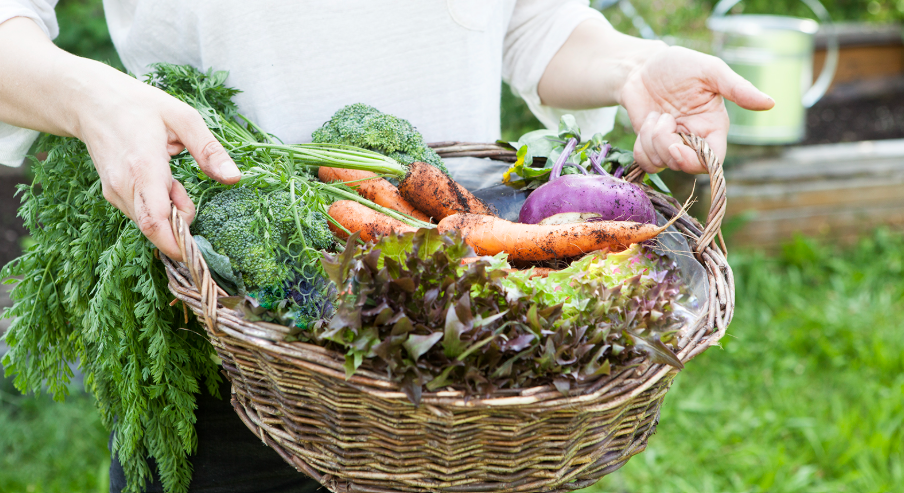
Vegetables in season in October look noticeably different from a September harvest, since most of the warm-season crops that defined summer, tomatoes, peppers, cucumbers, and zucchini, have either finished producing or been ended outright by the first hard frost in much of the country. What replaces them is a genuinely strong lineup of cool-season vegetables, winter squash, and root crops that are either reaching peak harvest or, in several cases, only just beginning to taste their best.
That last detail surprises a lot of home gardeners, since several October vegetables actually improve after a frost rather than being damaged by one. According to Utah State University Extension, parsnips taste best when the plants have been exposed to several weeks of cool, frosty weather, since the cold temperatures convert stored starches into sugar. The same conversion process, to varying degrees, is responsible for the improved flavor gardeners report in several other October staples once autumn’s cold nights set in.
What follows covers 30 vegetables in season in October, along with where each one grows and the data behind its harvest window and flavor.
Pumpkins
Pumpkins are native to North America, and according to Penn State Extension’s Harvest Calendar, their main harvest window runs through September and October, making this month the peak of the season for both carving and culinary varieties. A mature pumpkin can range from a couple of pounds to several hundred depending on the variety.
They grow throughout most of the United States, with October marking the busiest weeks for both farm harvest and pick-your-own patches.
Butternut Squash
Butternut squash is native to Central America, typically harvested in September and continuing into October in many regions, valued for its excellent storage life once cured. A mature fruit can be stored for several months in a cool, dry location.
It grows throughout most of the United States, and October harvests are often set aside specifically for winter storage rather than immediate use.
Acorn Squash
Acorn squash closely follows butternut squash in its fall harvest timing, native to Central America, distinguished by its ridged shell and sweet, moist flesh. A mature fruit has a considerably shorter storage life than butternut, generally best used within a couple of months.
It grows throughout most of the United States as a fall-harvested winter squash.
Delicata Squash
Delicata squash is native to Central America, typically among the earlier winter squash varieties harvested each fall, valued for its thin, fully edible skin. A mature fruit doesn’t store as long as thicker-skinned winter squash varieties.
It grows throughout most of the United States, generally available at farmers markets from September through October.
Spaghetti Squash
Spaghetti squash is native to Central America, reaching harvest in October in most of the United States, named for its stringy flesh that separates into noodle-like strands once cooked. A mature fruit can store for a couple of months under proper conditions.
It grows throughout most of the United States as a fall-harvested winter squash.
Hubbard Squash
Hubbard squash is native to South America, typically among the larger winter squash varieties harvested each October, with tough, warty skin that supports especially long storage. A mature fruit can weigh considerably more than most other winter squash types.
It grows throughout much of the United States, particularly popular in New England.
Carrots
Carrots are native to Central Asia, with a harvest window running from late July through the end of November according to Penn State Extension, placing October well within the productive season. A mature root continues sweetening as soil temperatures drop.
They grow as a cool-season root crop throughout the United States, and October carrots are often noticeably sweeter than those harvested earlier in the summer.
Beets
Beets are native to the Mediterranean coast, with a harvest window running from mid-July through the end of November according to Penn State Extension. A mature root can tolerate cool fall soil temperatures well before a hard freeze forces harvest.
They grow as a cool-season root crop throughout the United States, with both the greens and roots available fresh throughout October.
Parsnips
Parsnips are native to Eurasia, and according to the University of Illinois Extension, stored starches change to sugar as roots are exposed to cold, and many gardeners deliberately wait until after the first fall frost to begin harvest for the sweetest flavor. A mature root can be left in the ground under mulch and harvested gradually through the following months.
They grow as a cool-season root crop throughout the United States, and October frequently marks the point when the first frost-sweetened roots become ready to dig.
Turnips
Turnips are native to Europe and western Asia, typically reaching harvest in fall after being planted in late summer specifically for cooler-weather maturity. A mature root and its edible greens both become part of the harvest from a single planting.
They grow as a cool-season root crop throughout the United States, tolerating light frost without significant damage.
Rutabaga
Rutabaga, a cross between turnip and cabbage, is believed to have originated in Scandinavia, typically requiring a longer growing season than turnips before reaching harvest in fall. A mature root similarly improves in flavor following exposure to cool autumn temperatures.
It grows as a cool-season root crop throughout the northern United States and Canada.
Radishes
Radishes are native to Europe and Asia, and according to Penn State Extension, they’re available from May through the first week of November thanks to their rapid maturity, making a fall crop planted in early fall ready well before winter sets in. A mature radish can be ready to harvest in as little as a few weeks from planting.
They grow as a fast-maturing cool-season crop throughout the United States, well suited to a final planting in early fall for October harvest.
Sweet Potatoes
Sweet potatoes are native to Central and South America, typically harvested before the first fall frost, since cold soil temperatures can damage the roots if left in the ground too long. A mature root benefits from a curing period after harvest to improve both storage life and sweetness.
They grow throughout much of the United States, particularly the South, with October marking the tail end of the primary harvest window in most regions.
Potatoes
Potatoes are native to South America, with a harvest window running from mid-July through the end of October according to Penn State Extension, placing October at the close of the main harvest season. A mature plant is typically dug once its foliage has died back significantly.
They grow throughout the United States as a cool-season root crop, and much of the October harvest goes directly into long-term winter storage.
Onions
Onions are native to Central Asia, with a harvest window running from mid-July through mid-October according to Penn State Extension, meaning early October still catches the tail end of fresh harvest in many regions. A mature bulb is generally harvested once the green tops have fallen over and begun to dry.
They grow throughout the United States, and October bulbs are typically well into their curing period in preparation for winter storage.
Leeks
Leeks are native to the eastern Mediterranean and Central Asia, notably cold-hardy and often left in the garden well into fall and even winter in milder climates. A mature plant’s thick, white stalk becomes sweeter following exposure to cool temperatures.
They grow as a cool-season crop throughout the United States, valued specifically for extending the fresh allium harvest well past when onions and garlic have finished.
Garlic
Garlic is native to Central Asia, typically harvested in mid-summer but reaching its full flavor and storage readiness after a curing period that often concludes in early fall. A mature bulb properly cured can store for several months.
It grows throughout the United States, and October marks a common point at which the current year’s cured garlic becomes widely available while next year’s crop is being planted.
Broccoli
Broccoli is native to the Mediterranean region, with fall crops typically reaching harvest from September through October after being planted in mid-summer. A mature head is generally harvested before its individual flower buds begin to open.
It grows as a cool-season crop throughout the United States, with fall harvests often producing a sweeter flavor than the same variety grown in spring heat.
Cauliflower
Cauliflower closely follows broccoli in its fall growing pattern, native to the Mediterranean region, typically reaching harvest in October after a summer planting. A mature head needs consistent moisture and cool temperatures to develop properly.
It grows as a cool-season crop throughout the United States, generally considered more reliable as a fall crop than a spring one.
Brussels Sprouts
Brussels sprouts are native to the Mediterranean region, and according to West Virginia University Extension, the flavor of some varieties improves if a frost occurs before the sprouts are harvested, though temperatures under 20 degrees Fahrenheit can harm the plants. A mature plant produces sprouts along its stalk that mature from the bottom upward.
They grow as a cool-season crop throughout much of the United States, with October marking the beginning of harvest for most home gardens.
Cabbage
Cabbage is native to Europe, and fall-planted crops typically reach harvest in September and October, offering a second cabbage season beyond the more commonly known spring crop. A mature head can tolerate light frosts without significant damage.
It grows as a cool-season crop throughout the United States, with fall-grown heads often storing better than spring-grown ones.
Kale
Kale is native to the eastern Mediterranean, among the most cold-hardy vegetables commonly grown, with flavor that many gardeners consider improved after several nights of frost. A mature plant can be harvested leaf by leaf over an extended period well into the colder months.
It grows as a cool-season crop throughout the United States, often remaining productive in the garden well past when most other vegetables have finished for the year.
Collard Greens
Collard greens closely resemble kale in cold hardiness and improving fall flavor, native to the eastern Mediterranean, commonly grown throughout the southern United States. A mature plant can be harvested continuously over an extended period.
They grow as a cool-season crop, particularly popular throughout the southeastern United States, often still producing well into late fall.
Swiss Chard
Swiss chard is native to the Mediterranean region, tolerating cooler October temperatures well while continuing to produce new leaves as older ones are harvested. A mature plant regrows continuously throughout the fall until a hard freeze finally ends production.
It grows throughout the United States as a heat- and cold-tolerant leafy green, often one of the last leafy vegetables still standing in an October garden.
Spinach
Spinach is native to Central Asia, with fall plantings reaching harvest from late August through the end of October according to Penn State Extension. A mature plant tolerates cool temperatures considerably better than the heat that causes it to bolt in late spring.
It grows as a cool-season crop throughout the United States, with October often producing some of the best-flavored spinach of the entire year.
Lettuce
Lettuce is native to the Mediterranean region, with a harvest window extending through the third week of October according to Penn State Extension, keeping fall crops productive right up to the point most regions see their first hard freeze. A mature head-type lettuce is generally harvested just once, while leaf varieties can be cut multiple times.
It grows as a cool-season crop throughout the United States, with fall crops often producing crisper, less bitter leaves than summer-grown lettuce.
Arugula
Arugula is native to the Mediterranean region, maturing quickly enough to allow a fall planting to reach harvest well before the first hard frost in most regions. A mature plant develops a notably sharper, more peppery flavor in cool fall weather compared to its milder spring taste.
It grows as a fast-maturing cool-season crop throughout the United States.
Mustard Greens
Mustard greens are native to the Himalayan region of Asia, tolerating cool October temperatures well while developing a milder flavor than when grown in the heat of summer. A mature plant can be harvested leaf by leaf over an extended period.
They grow as a cool-season crop throughout the United States, particularly popular throughout the South.
Bok Choy
Bok choy is native to China, well suited to fall growing conditions since cooler temperatures reduce its tendency to bolt compared to spring plantings. A mature head is generally harvested whole, though smaller outer leaves can be picked individually earlier in its growth.
It grows as a cool-season crop throughout the United States, commonly planted in late summer specifically for an October harvest.
Kohlrabi
Kohlrabi is native to Europe, producing a swollen, edible stem base that develops best flavor and texture in the cooler temperatures of fall. A mature bulb is generally harvested once it reaches a manageable size, since larger, older bulbs can become woody.
It grows as a cool-season crop throughout the United States, with fall crops widely considered more tender than those grown in spring heat.
Conclusion
October brings a variety of vegetables into season, from leafy greens and root vegetables to beans, squash, and other garden crops. Choosing vegetables that are naturally available at this time can make meals fresher while helping gardeners plan their harvests.
Seasonal availability differs by region, climate, and planting schedule, so not every vegetable will be ready at the same time everywhere. Checking local growing conditions and harvest calendars can help you enjoy October vegetables when they are at their freshest.