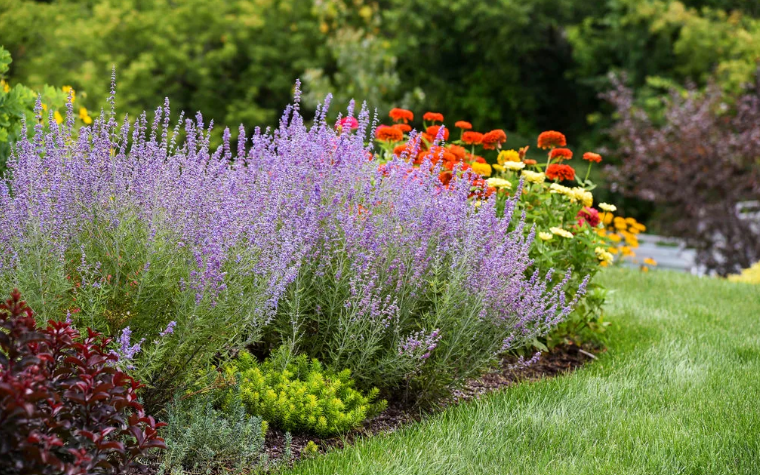
Gardening in coastal regions presents a unique set of challenges, as salt spray carried inland by ocean winds, salt-laden soils, and the periodic intrusion of saltwater during storms can damage or kill many common garden plants. Salt-tolerant perennials have evolved specific physiological adaptations that allow them to survive and even thrive under these conditions, making them invaluable to gardeners working in coastal areas, regions affected by road salt application, or locations with naturally saline soils. These resilient plants represent some of the most practical and rewarding choices for challenging garden environments.
Salt tolerance in plants generally develops through one or more mechanisms, including the ability to exclude salt at the root level, the capacity to store excess salt within specialized cells where it causes less damage, or the development of thick, waxy leaf coatings that reduce the absorption of airborne salt spray. Studies have found that some coastal-adapted perennials can tolerate soil salinity levels several times higher than what would cause significant damage to typical garden plants, with certain species surviving direct exposure to salt spray from waves breaking just meters away. This remarkable resilience has made salt-tolerant perennials essential components of coastal landscaping worldwide.
Beyond their practical value in challenging environments, salt-tolerant perennials often bring additional benefits to gardens, including drought tolerance, since many of the adaptations that help plants cope with salt also help them conserve water, and resistance to wind damage, since coastal environments typically combine salt exposure with significant wind. An estimated 40% of the world’s population lives within 100 kilometers of a coastline, making the availability of attractive, reliable salt-tolerant plants a significant consideration for landscaping in densely populated coastal regions around the globe.
Understanding the different types of salt-tolerant perennials available to gardeners reveals an impressive diversity of forms, colors, and growing requirements, ensuring that coastal gardeners need not sacrifice beauty or variety despite the challenges their environment presents. The following overview explores 24 perennials that have proven their resilience in salty conditions, from classic coastal natives to adaptable garden favorites.
Sea Holly
Sea holly is a striking perennial with spiky, silver-blue foliage and similarly colored thistle-like flower heads that create a dramatic architectural presence in coastal gardens. Its sharp, spiny appearance reflects adaptations that help the plant cope with harsh, exposed growing conditions.
This plant’s tough, leathery leaves are well-suited to resisting salt spray damage, while its deep root system helps it access moisture even in sandy, well-draining coastal soils. Sea holly’s unusual blue coloration and architectural form make it a popular choice for adding visual interest to gardens that must also withstand challenging environmental conditions.
Russian Sage
Russian sage produces tall spikes of small purple-blue flowers above silvery, aromatic foliage, creating a soft, billowing effect in the garden that contrasts beautifully with more structural coastal plants. Its drought tolerance complements its ability to handle salty conditions.
The fine, silvery leaves of Russian sage help reflect excess sunlight and reduce water loss, adaptations that also provide some resistance to the drying effects of salt spray. This perennial’s long bloom period and low maintenance requirements have made it a favorite for coastal gardens seeking reliable color over an extended season.
Sea Thrift
Sea thrift is a low-growing perennial that forms dense, grass-like tufts of foliage topped with round clusters of pink or white flowers on slender stems, creating a charming, compact display particularly well suited to coastal rock gardens. Its diminutive size belies its remarkable toughness.
Native to coastal cliffs and shorelines in many parts of the world, sea thrift has evolved specifically to withstand direct exposure to salt spray and poor, rocky soils, making it one of the most naturally salt-tolerant perennials available. Its compact, cushion-like growth habit also makes it useful for edging pathways and filling gaps between paving stones in coastal landscapes.
Also Read: Salt Tolerant Shrubs
Lavender
Lavender is a fragrant, silvery-leaved perennial prized for its purple flower spikes and the calming scent that has made it a favorite in gardens worldwide, with several varieties demonstrating good tolerance for salty coastal conditions. Its Mediterranean origins have equipped it well for challenging environments.
The narrow, gray-green leaves of lavender are coated with fine hairs that help reduce moisture loss and may also provide some protection against salt spray exposure. Beyond its salt tolerance, lavender’s drought resistance and attraction for pollinators make it a valuable addition to coastal gardens seeking both practicality and sensory appeal.
Yarrow
Yarrow is a hardy perennial with feathery, fern-like foliage and flat-topped clusters of small flowers in white, yellow, pink, or red, forming an adaptable plant that spreads readily and tolerates a wide range of challenging growing conditions including salty soils. Its toughness has made it a long-standing garden staple.
This plant’s deeply divided leaves reduce surface area exposed to drying winds and salt spray, while its spreading root system helps it establish in poor, sandy coastal soils where other plants might struggle. Yarrow’s long flowering period and attraction for beneficial insects add ecological value to its practical resilience.
Sea Lavender
Sea lavender produces airy clouds of tiny purple or lavender-colored flowers on branching stems above a rosette of leathery, dark green leaves, creating a delicate, almost ethereal appearance despite its tough constitution. Its common name reflects both its coastal habitat and its lavender-toned blooms.
Native to salt marshes and coastal areas, sea lavender has evolved specific adaptations for surviving in saline, often waterlogged soils that would be inhospitable to most other perennials. Its airy flower clusters are popular both in garden displays and as dried flowers, adding versatility to its inherent salt tolerance.
Coreopsis
Coreopsis is a cheerful, long-blooming perennial that produces abundant daisy-like flowers in shades of yellow, orange, and red above narrow, often finely textured foliage, bringing reliable color to coastal gardens throughout much of the growing season. Its adaptability extends to a range of soil conditions.
The relatively fine foliage of many coreopsis varieties reduces the surface area exposed to salt spray and drying winds, while the plant’s overall toughness allows it to establish readily in the sandy, fast-draining soils common in coastal areas. Coreopsis also attracts butterflies and other pollinators, adding ecological benefits to its ornamental and practical value.
Also Read: Salt Tolerant Trees
Black-Eyed Susan
Black-eyed Susan is a classic perennial wildflower featuring bright yellow petals surrounding a dark central cone, creating a cheerful, recognizable bloom that has become a staple of gardens across North America, including coastal regions where its salt tolerance proves valuable. Its sturdy stems hold up well in windy conditions.
This perennial’s relatively coarse, hairy leaves provide some protection against salt spray, while its robust root system allows it to establish firmly even in sandy, less fertile coastal soils. Black-eyed Susan’s long bloom period and ability to self-seed have made it a low-maintenance choice for naturalizing in coastal landscapes.
Daylily
Daylilies are vigorous, clump-forming perennials that produce abundant trumpet-shaped flowers in an enormous range of colors, with their thick, strap-like leaves and robust root systems contributing to good tolerance of salty coastal conditions. Their reliability has made them garden favorites worldwide.
The fleshy, water-storing roots of daylilies help these plants withstand periods of drought and the osmotic stress that salty soils can impose on plant roots. Daylilies’ rapid growth and ability to form dense clumps also make them effective for stabilizing soil in coastal areas prone to erosion.
Sedum
Sedum, also known as stonecrop, encompasses a group of succulent perennials with thick, fleshy leaves that store water, an adaptation that also provides significant tolerance to salty conditions and drought stress common in coastal environments. Varieties range from low groundcovers to taller upright forms.
The succulent leaves of sedum varieties reduce water loss and may help dilute the concentration of salts that accumulate within plant tissues, contributing to their overall resilience in challenging soil conditions. Sedum’s low maintenance requirements and attractive foliage, which often takes on reddish or purple tones in sun, make it a popular choice for coastal rock gardens and green roofs.
Catmint
Catmint produces aromatic, gray-green foliage and abundant spikes of small blue or purple flowers, creating a soft, mounding effect that works well as edging or filler in coastal garden beds. Its relationship to true mint is reflected in its fragrant leaves.
The fine, slightly fuzzy texture of catmint’s leaves helps reduce water loss and may provide some resistance to salt spray damage, while the plant’s overall toughness allows it to thrive in the lean, fast-draining soils typical of coastal gardens. Catmint’s long bloom period and attraction for pollinators, particularly bees, add to its value in coastal landscape designs.
Sea Oats
Sea oats is an ornamental grass native to coastal dunes, producing graceful, arching stems topped with distinctive seed heads that sway attractively in coastal breezes while playing an important ecological role in stabilizing sand dunes. Its salt tolerance is exceptional given its natural habitat.
This grass has evolved specifically to thrive in the harsh conditions of coastal dunes, including direct salt spray exposure and constantly shifting sandy substrates, making it one of the most naturally salt-tolerant perennials available for coastal landscaping. Sea oats also provides important habitat and erosion control benefits, making it valuable beyond its ornamental qualities.
Also Read: Salt-Tolerant Plants for Beach and Roadside Planting
Blanket Flower
Blanket flower produces vibrant, daisy-like blooms in warm shades of red, orange, and yellow, often with multiple colors within a single flower, creating a fiery display that thrives in hot, sunny coastal conditions. Its drought tolerance complements its salt resistance.
The relatively coarse, hairy foliage of blanket flower helps protect the plant from excessive water loss and may offer some resistance to salt spray, while its overall toughness allows it to establish readily in sandy, nutrient-poor coastal soils. Blanket flower’s long bloom period and vibrant colors make it a popular choice for adding warmth to coastal garden palettes.
Sea Kale
Sea kale is an unusual perennial vegetable with large, blue-green, cabbage-like leaves and clusters of white flowers, native to coastal shingle beaches where it has evolved remarkable tolerance for salt spray and poor, stony soils. Its ornamental and culinary uses make it a dual-purpose plant.
This plant’s thick, waxy leaves provide significant protection against salt spray and water loss, reflecting its evolutionary origins on exposed coastal beaches where few other plants can survive. Sea kale’s architectural form and unusual blue-gray foliage color make it a striking addition to coastal ornamental gardens in addition to its traditional use as an edible vegetable.
Coneflower
Coneflower, commonly known as echinacea, produces large, daisy-like flowers with prominent central cones surrounded by petals typically in shades of purple, pink, or white, forming a robust perennial valued for both ornamental and medicinal purposes. Its toughness extends to salty growing conditions.
The sturdy stems and relatively coarse foliage of coneflower provide reasonable resistance to salt spray and wind damage common in coastal gardens, while its deep root system helps the plant access moisture during dry periods. Coneflower’s popularity with pollinators and its long-lasting blooms, which also attract birds when left to form seed heads, add ecological value to coastal plantings.
Hens and Chicks
Hens and chicks refers to a group of low-growing succulent perennials that form rosettes of thick, fleshy leaves, with smaller offset rosettes, called chicks, forming around the central larger rosette, or hen. Their succulent nature provides excellent tolerance for salty, dry conditions.
The water-storing leaves of hens and chicks allow these plants to survive in extremely poor, fast-draining soils with minimal water availability, conditions often found in coastal gardens with sandy substrates. Their compact, spreading growth habit makes them useful for filling gaps in rock gardens and along pathways in coastal landscape designs.
Butterfly Weed
Butterfly weed is a milkweed species producing clusters of bright orange flowers that are particularly attractive to monarch butterflies and other pollinators, growing well in the sandy, well-draining soils common in coastal areas. Its drought tolerance and salt resistance make it valuable for coastal wildlife gardens.
This perennial’s deep taproot allows it to access moisture from lower soil layers while tolerating the surface salinity that can affect coastal soils, and its relatively narrow leaves reduce water loss in exposed conditions. Butterfly weed’s role as a host plant for monarch butterfly caterpillars adds significant ecological value to its ornamental qualities in coastal gardens.
Sea Pink
Sea pink, closely related to sea thrift, forms similar cushion-like clumps of grass-like foliage topped with rounded pink flower heads, creating a low, hardy groundcover particularly well suited to exposed coastal positions. Its tolerance for salt spray and poor soils mirrors that of its close relative.
This plant’s compact growth habit and tough, narrow leaves help it withstand direct exposure to coastal winds and salt spray, while its ability to grow in rocky crevices and poor soils makes it useful for coastal rock gardens and seaside borders. Sea pink’s long flowering period provides extended color in challenging coastal planting situations.
Agapanthus
Agapanthus, also known as lily of the Nile, produces tall stems topped with rounded clusters of trumpet-shaped flowers, typically in shades of blue or white, creating a dramatic vertical accent in coastal gardens. Its thick, strap-like leaves contribute to its overall resilience.
The fleshy roots and leaves of agapanthus help the plant store water and withstand periods of drought stress, adaptations that also contribute to its tolerance of salty coastal soils. Agapanthus’s striking flower displays and relatively low maintenance requirements have made it a popular choice for coastal landscaping in suitable climates.
Red Hot Poker
Red hot poker, also known as torch lily, produces tall, distinctive flower spikes that transition through shades of red, orange, and yellow from base to tip, creating a striking architectural presence in coastal gardens. Its grass-like foliage provides a contrasting backdrop to its bold flowers.
This perennial’s tough, fibrous root system and relatively narrow leaves help it withstand the windy, salty conditions typical of coastal gardens, while its overall hardiness allows it to establish in a range of soil types. Red hot poker’s dramatic flower spikes attract hummingbirds, adding wildlife value to its visual impact in coastal landscape designs.
Sea Aster
Sea aster produces daisy-like purple or lavender flowers with yellow centers, growing naturally in salt marshes and coastal habitats where it has developed significant tolerance for both salty soils and periodic flooding by seawater. Its adaptability to wet, saline conditions sets it apart from many other salt-tolerant perennials.
This plant’s ability to tolerate not just salt spray but also direct exposure to saline water in tidal marsh environments makes it particularly valuable for coastal gardens with poorly draining or periodically flooded areas. Sea aster’s late-season blooms provide valuable color and pollinator resources when many other coastal perennials have finished flowering.
Lamb’s Ear
Lamb’s ear is grown primarily for its soft, velvety, silver-gray leaves that have a distinctive woolly texture resembling the ears of its namesake animal, creating a tactile and visually soft addition to coastal garden borders. Its fuzzy foliage provides practical benefits in harsh conditions.
The dense covering of fine hairs on lamb’s ear leaves helps reduce water loss and may provide some protection against salt spray damage, while the plant’s spreading habit makes it useful as a groundcover in coastal beds. Lamb’s ear’s unusual texture and color provide contrast against the green foliage of many other coastal perennials.
Sea Campion
Sea campion is a cushion-forming perennial with grayish-green leaves and white, sometimes slightly pink-tinged flowers, native to coastal cliffs and shingle beaches where it has evolved to withstand direct salt spray and exposed conditions. Its compact form suits rock garden plantings.
This plant’s tough, somewhat fleshy leaves and low, cushion-like growth habit reflect adaptations to its naturally harsh coastal habitat, providing reliable performance in garden conditions that mimic its native environment. Sea campion’s ability to grow in rocky crevices makes it useful for coastal gardens with challenging, well-drained planting positions.
Statice
Statice, also known as sea lavender in some contexts, produces papery, long-lasting flowers in shades of purple, pink, yellow, and white on winged stems, valued both for garden display and as a popular dried flower. Its tolerance for salty, dry conditions reflects its coastal origins.
The relatively tough, somewhat leathery foliage of statice helps the plant withstand drying winds and salt exposure common in coastal gardens, while its papery flowers retain their color remarkably well even after drying. Statice’s versatility as both a garden plant and a cut or dried flower adds practical value to its coastal hardiness.
Ornamental Grasses (Various Salt-Tolerant Species)
Beyond sea oats, numerous other ornamental grass species and varieties demonstrate good tolerance for salty coastal conditions, offering movement, texture, and often attractive seed heads that add interest to coastal gardens throughout the seasons. Their generally narrow leaves and tough constitution suit them well to exposed sites.
Many salt-tolerant ornamental grasses have evolved in coastal or prairie environments where wind, salt, and poor soils are common challenges, equipping them with the resilience needed for difficult garden conditions. The swaying movement and seasonal color changes of ornamental grasses provide dynamic visual interest that complements the more static forms of many other salt-tolerant perennials in coastal landscape designs.