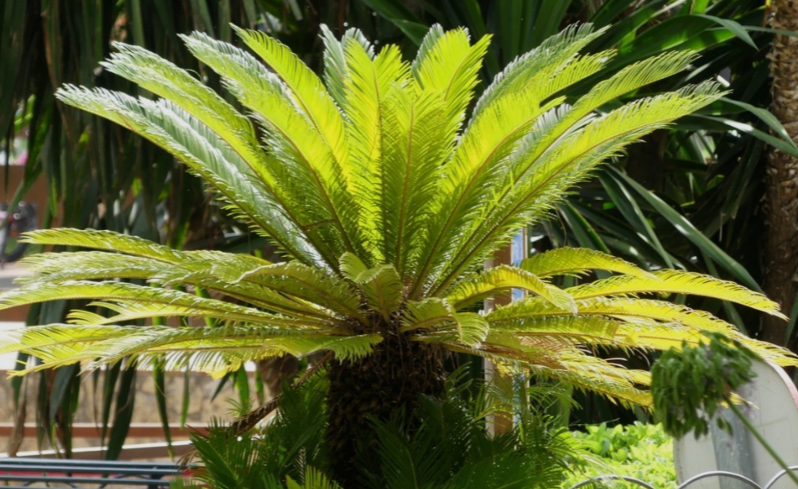
Palms bring a tropical look that few other plants can match, and gardeners in cooler regions no longer have to give that up. A small but hardy group of cold hardy palm trees can handle frost, freezing winds, and even snow without losing their good looks. Many of them come from mountain slopes, high deserts, and shady river forests, where winters are much harsher than most people expect for a palm.
Their toughness comes from a few clever natural features. Some keep their trunks low or even underground, where the soil shields them from cold air. Others wrap their trunks in thick, hairy fiber that works like a winter coat. Most of the hardiest species also have stiff, fan-shaped leaves that hold up well against wind, ice, and heavy snow.
Their cold tolerance varies a lot from species to species. A few can handle short drops to 0 degrees Fahrenheit or lower, while others start to struggle in the mid-teens. Established plants are usually much tougher than young ones. A single cold night also does far less harm than several freezing days in a row.
Good growing conditions often make the difference between a palm that thrives and one that barely hangs on. Well-drained soil keeps the roots from rotting in cold, wet weather, and a sheltered spot protects the leaves from drying winds. A thick layer of mulch and a frost cloth during hard freezes give young palms a better chance in their first few winters. With the right start, these palms can grow for decades and keep their tropical look through many cold seasons.
1. Needle Palm
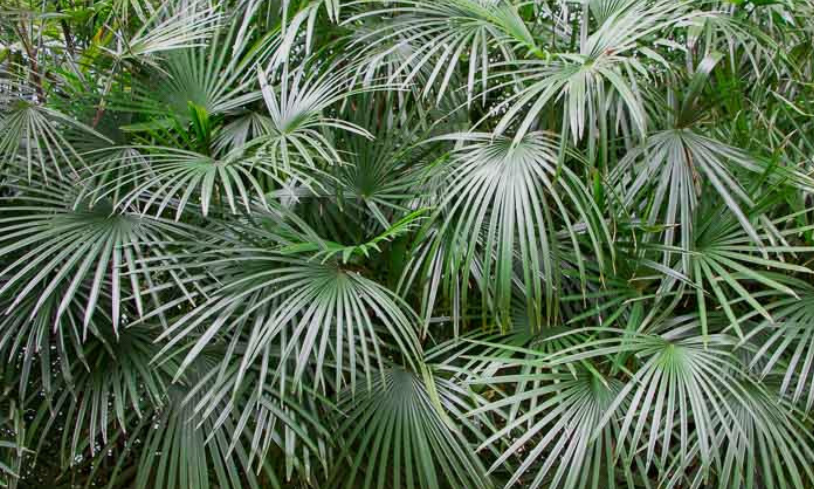
The needle palm is widely seen as the most cold hardy palm in the world, handling temperatures down to about 0 degrees Fahrenheit. It grows as a low, dense clump of glossy fan leaves instead of a single tall trunk. Sharp black needles, 4 to 10 inches long, grow from its base and protect the growing point from animals. Over many years, it can reach about 8 feet tall and wide.
It grows wild in shady, moist woodlands across the coastal plain from Florida and Georgia to South Carolina, Alabama, and Mississippi. Gardeners have planted it well outside its native range, including Virginia, Maryland, Tennessee, and New Jersey. It does best in part shade with rich, well-drained soil. Its toughness makes it a top choice for anyone trying palms in zone 6.
2. Windmill Palm
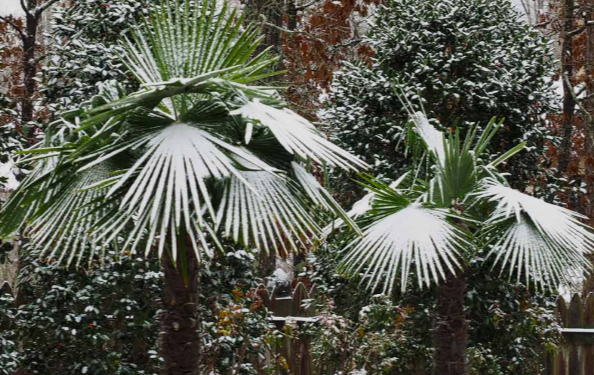
The windmill palm is the most widely planted trunked palm in cold climates across the United States. It has survived temperatures near minus 10 degrees Fahrenheit, which is remarkable for a palm with a tall, exposed trunk. Its fan-shaped leaves sit on a slender trunk wrapped in dark, hairy fiber. It grows slowly but can eventually reach 20 to 40 feet tall.
It is common in the Pacific Northwest, especially in Seattle and Portland, where mild, wet winters suit it well. It is also planted widely across the Southeast, the Carolinas, Virginia, and the Mid-Atlantic coast. It handles salt spray fairly well, so it often appears in coastal towns. Young plants should get winter protection during their first few years.
3. Wagner’s Windmill Palm
Wagner’s windmill palm is a compact form of the windmill palm with smaller, stiffer leaves. Its rigid fronds hold up much better against strong winds, which keeps the plant looking neat through stormy winters. Its cold hardiness is similar to the standard windmill palm. It usually stays shorter and grows more slowly.
It is popular in the Pacific Northwest, where winter storms can shred softer palm leaves. Gardeners in the Mid-Atlantic and along windy coastal areas from Virginia to New Jersey also favor it. It grows well in containers, so it often shows up on patios and balconies. Its tidy shape suits formal gardens and small urban yards.
Also Read: Palm Trees That Grow in Coastal & Marine Conservation
4. Himalayan Windmill Palm
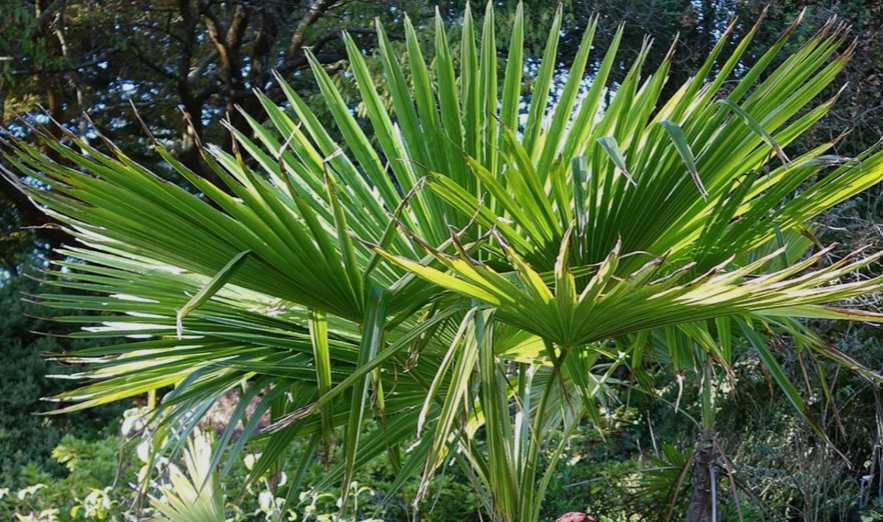
The Himalayan windmill palm comes from the Kumaon region of northern India, where it grows at high elevations with snowy winters. It looks similar to the windmill palm but has a thicker trunk and broader, rounder leaves. Many palm growers rate it as equally hardy or slightly hardier than the standard windmill palm. It grows slowly and can eventually reach 15 to 30 feet tall.
In the United States, it is grown mostly by palm enthusiasts in the Pacific Northwest, the Southeast, and the Mid-Atlantic. It shows up more often in specialty collections and botanical gardens than in mass-market nurseries. It needs good drainage and does best in full sun to part shade. It is a strong pick for gardeners pushing the northern limits of palm growing.
Also Read: Different Types of Palm Trees
5. Dwarf Palmetto
The dwarf palmetto is a low, clumping palm with stiff fan leaves in shades of green and blue-green. Its trunk usually stays underground, which protects the growing point during hard freezes. It is hardy to about minus 5 degrees Fahrenheit, though leaves may show damage near 5 degrees. It typically grows 4 to 5 feet tall and wide.
It is native to wet bottomlands and river floodplains from North Carolina to Florida and west to Texas, Arkansas, and Oklahoma. It is common in Louisiana swamps and along Gulf Coast rivers. Gardeners have planted it as far north as Kentucky, Virginia, and New Jersey. It handles wet clay soils better than most palms.
6. McCurtain Palmetto
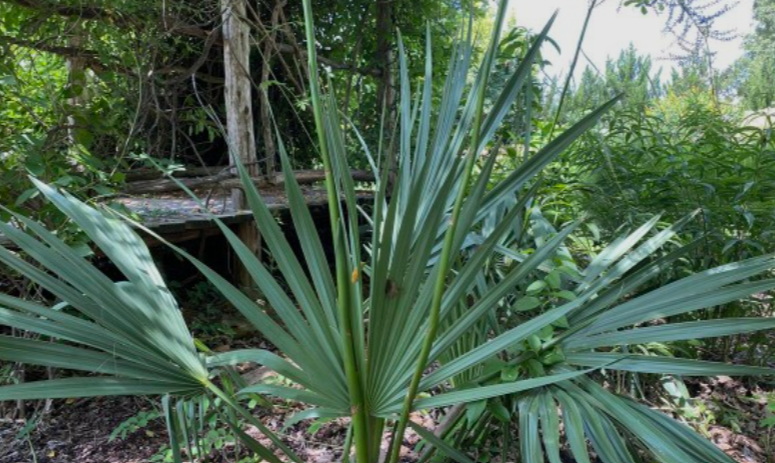
The McCurtain palmetto is a cold hardy form of the dwarf palmetto from McCurtain County in southeastern Oklahoma. This inland population faces harsher winters than Gulf Coast palmettos, so it handles cold especially well. It forms a compact clump of blue-green fan leaves. It usually stays under 5 feet tall.
It grows wild in Oklahoma and is planted by gardeners in colder states such as Kansas, Missouri, Kentucky, and Ohio. Palm growers in the Mid-Atlantic and lower New England also seek it out for its toughness. It tolerates both sun and part shade. It is one of the best palms for zone 6 gardens.
7. Louisiana Palmetto
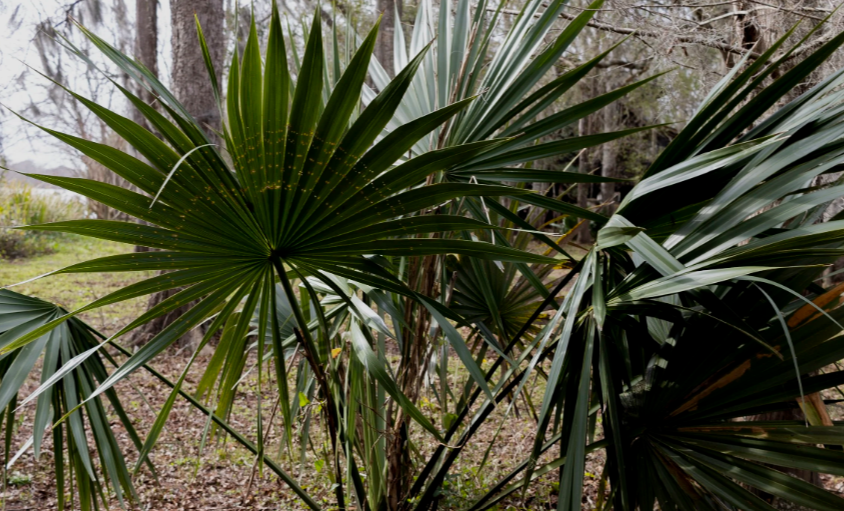
The Louisiana palmetto is a larger form of the dwarf palmetto that can develop a short, visible trunk. It has broad fan leaves and a fuller shape than the standard dwarf palmetto. Many growers consider it a middle ground between shrub palmettos and tree palmettos. It grows slowly but can reach about 10 to 15 feet over many years.
It is native to the wetlands and bottomlands of Louisiana and nearby parts of Texas and Mississippi. It is common in Gulf Coast landscapes and is planted in Tennessee, Arkansas, and the Carolinas. It likes moist soil and handles occasional flooding. It gives southern gardens a natural, swampy look.
8. Birmingham Palmetto
The Birmingham palmetto was found growing outside Birmingham, Alabama, and has survived temperatures near 0 degrees Fahrenheit. It is believed to be a natural hybrid between palmetto types. It eventually forms a short trunk topped with large, stiff fan leaves. Growth is slow, especially in the first several years.
It is planted in Alabama, Georgia, Tennessee, the Carolinas, and Virginia, where it serves as a hardier alternative to the cabbage palmetto. Palm enthusiasts in Maryland, Delaware, and New Jersey also grow it. It prefers full sun and well-drained soil. Mulching the root zone in winter helps young plants establish.
9. Brazoria Palmetto
The Brazoria palmetto comes from Brazoria County, Texas, and is thought to be a natural hybrid between palmetto species. It forms a short trunk and carries large, stiff fan leaves. It combines good cold hardiness with a more tree-like shape than the dwarf palmetto. Specialty palm growers sell it more often than regular garden centers do.
It is most common in southeast Texas and along the Texas Gulf Coast. Gardeners in Louisiana, Oklahoma, and the Carolinas also plant it. It needs full sun and well-drained soil to grow well. Over time, it becomes an eye-catching specimen palm.
10. Cabbage Palmetto
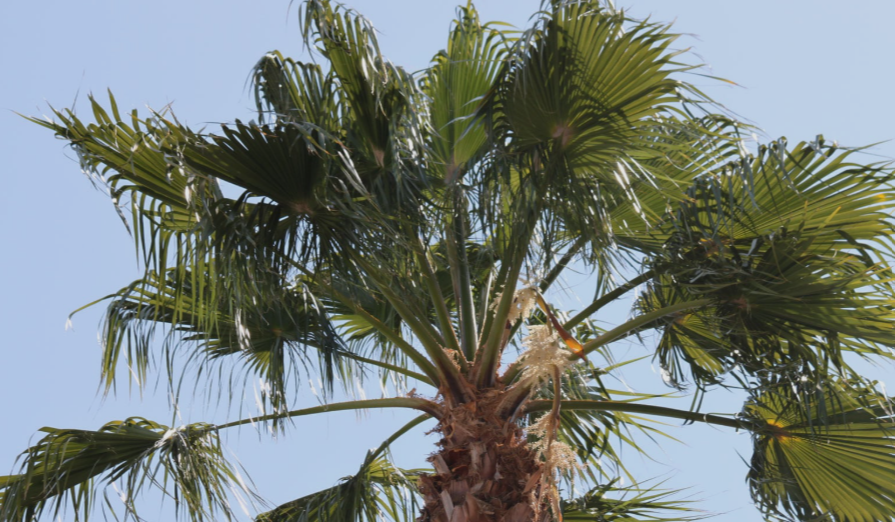
The cabbage palmetto is a tall, single-trunked palm and the state tree of both Florida and South Carolina. It can reach about 50 feet tall in warm climates. Its large fan leaves form a rounded crown on top of a straight trunk. Plants grown from northern seed sources handle cold noticeably better.
It is native to Florida and the coastal areas of Georgia, South Carolina, and North Carolina. It grows as far north as the Outer Banks and is planted in coastal Virginia. It handles salt spray, wind, and sandy soil very well. It is one of the most common palms in southeastern coastal towns.
11. Saw Palmetto
The saw palmetto is a low, spreading palm named for the sharp, saw-like teeth along its leaf stems. Its fan leaves come in green and silvery blue forms, and the silver type is especially popular in landscaping. It spreads slowly from creeping stems that grow along or just below the ground. It usually stays between 3 and 7 feet tall.
It covers huge areas of pine flatwoods across Florida and grows along the coastal plain of Georgia, South Carolina, Alabama, and Mississippi. It is common in coastal landscapes and natural areas throughout the Southeast. It handles drought, sandy soil, and salt spray. Wildlife such as bears and birds eat its berries.
12. Mediterranean Fan Palm
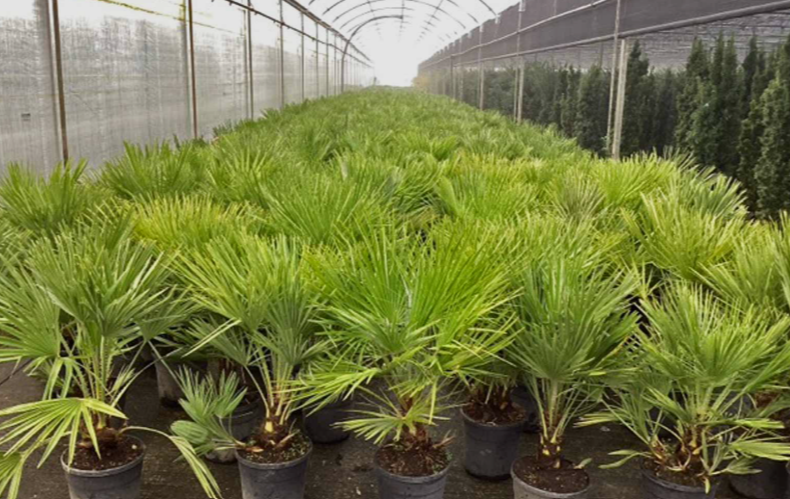
The Mediterranean fan palm is a clumping palm native to southern Europe and North Africa. It is almost as cold hardy as the windmill palm. It usually grows several trunks from a single base, giving it a bushy, full look. Its stiff fan leaves range from deep green to grayish green.
It is widely planted in California, Arizona, Nevada, Texas, and along the Gulf Coast. It also grows in the Pacific Northwest and the Mid-Atlantic in sheltered spots. It handles drought and heat well once established. Its compact size makes it a good fit for small yards and large containers.
13. Blue Mediterranean Fan Palm
The blue Mediterranean fan palm is a variety of the Mediterranean fan palm with striking silvery blue leaves. It comes from the Atlas Mountains of North Africa, where it grows at high elevations with cold winters. Many growers find it at least as hardy as the green form. It grows slowly and stays fairly compact.
It is especially popular in Arizona, California, Nevada, and New Mexico, where its blue color suits desert landscapes. Gardeners in Texas, the Carolinas, and the Pacific Northwest also grow it. It needs full sun and sharp drainage. It pairs well with agaves, yuccas, and other silver-leaved plants.
14. Pindo Palm
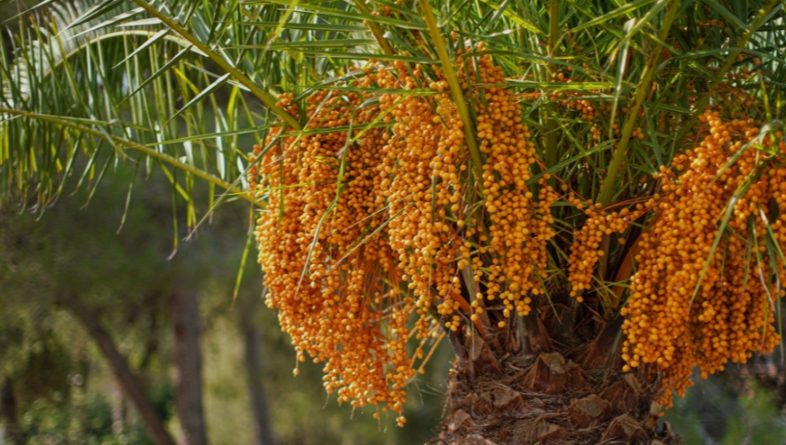
The pindo palm, also called the jelly palm, is one of the hardiest feather-leaved palms. Its arching, blue-gray fronds curve back toward the trunk, giving it a graceful look. It produces clusters of orange fruit that can be made into jelly. It usually grows 15 to 20 feet tall with a thick trunk.
It is common across the Gulf Coast and coastal Georgia, South Carolina, and North Carolina. It is also planted in Texas, Florida, and California. It handles temperatures in the low teens Fahrenheit once established. It is one of the best choices for gardeners who want a feather palm instead of a fan palm.
15. Mule Palm
The mule palm is a hybrid between the pindo palm and the queen palm. It combines the cold hardiness of the pindo palm with the taller, more tropical look of the queen palm. Its long, arching feather leaves give it a lush appearance. It is usually sterile and grows faster than the pindo palm.
It is grown in Florida, along the Gulf Coast, in coastal South Carolina and Georgia, and in parts of Texas. Because it is a hybrid, it is less common and more expensive than many other palms. It handles temperatures into the mid-teens Fahrenheit. Palm enthusiasts value it for bringing a tropical look to borderline climates.
16. California Fan Palm
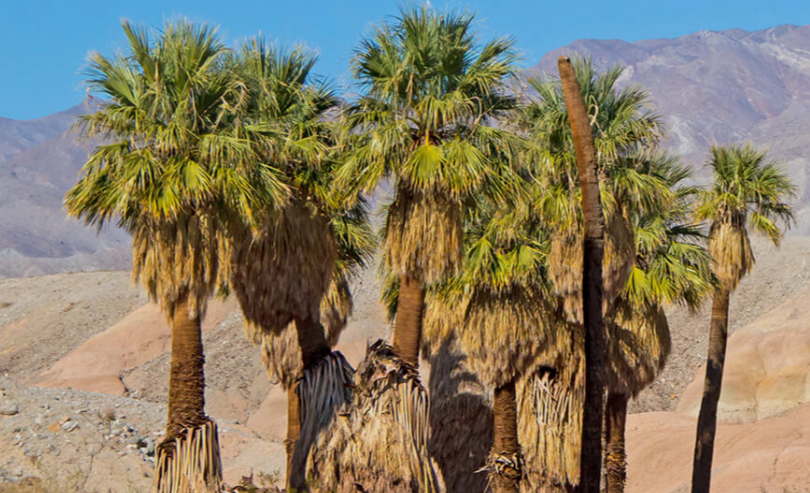
The California fan palm is the only palm native to the western United States. It has a thick, sturdy trunk and large, gray-green fan leaves. Old dead leaves often hang down and form a “skirt” around the trunk. It is hardy to about 15 degrees Fahrenheit.
It grows wild in desert oases in southern California and western Arizona. It is widely planted in California, Arizona, Nevada, and southern Utah, including Las Vegas and St. George. It handles extreme heat and dry air very well. It is a symbol of desert landscapes across the Southwest.
17. Mexican Fan Palm
The Mexican fan palm is a tall, slender palm that can grow 70 to 100 feet tall. It has bright green fan leaves on a thin trunk that often curves slightly. It is less cold hardy than the California fan palm, handling temperatures down to about 22 degrees Fahrenheit. It grows quickly once established.
It is famous for lining the streets of Los Angeles and other southern California cities. It is also common in Arizona, Texas, Florida, and the Gulf Coast. Its tall shape makes it a popular choice for avenues and commercial properties. It is better suited to the milder end of the cold hardy range.
18. Filibusta Palm
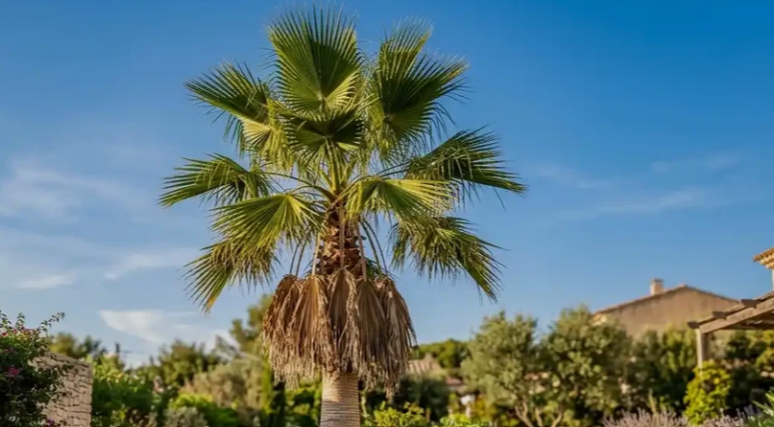
The filibusta palm is a hybrid between the California fan palm and the Mexican fan palm. It combines the thicker trunk and cold hardiness of the California fan palm with the faster growth of the Mexican fan palm. Its fan leaves are a medium green. It often grows taller than the California fan palm.
It is planted in Arizona, Nevada, California, and Texas. It is common in Las Vegas and Phoenix, where both parent species grow. It handles heat, drought, and moderate freezes well. It is a practical choice for gardeners who want height with better cold tolerance.
Also Read: Palm Trees With Dates (Berries)
19. Mexican Blue Palm
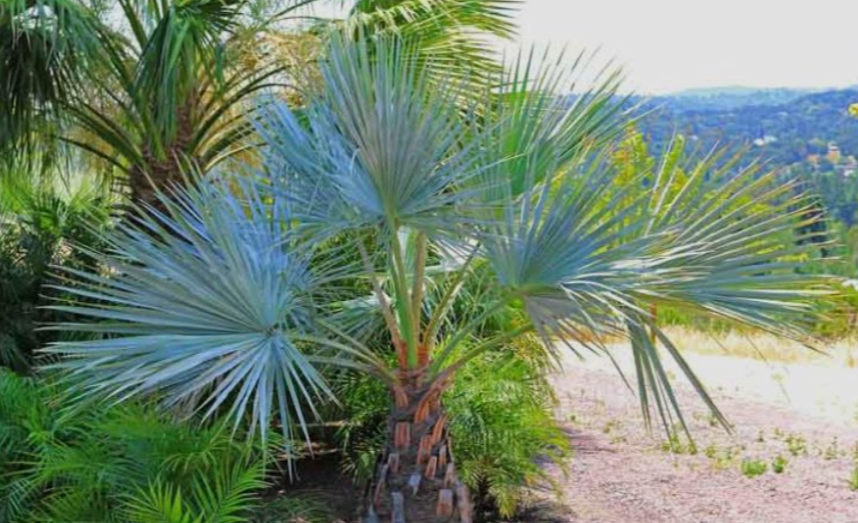
The Mexican blue palm is known for its stunning powder-blue fan leaves. It comes from Baja California and northwestern Mexico. It grows slowly and can eventually reach 30 to 40 feet tall. It handles temperatures in the high teens to around 20 degrees Fahrenheit.
It is most common in Arizona, southern California, and southern Nevada. It is also planted in parts of west and south Texas. It loves heat, full sun, and dry, sandy soil. Its unusual color makes it a standout in desert landscapes.
20. Texas Palmetto
The Texas palmetto is a tall palmetto with a sturdy trunk and large, green fan leaves. It is native to the lower Rio Grande Valley in Texas and northeastern Mexico. It can grow 30 to 50 feet tall. It handles temperatures down to about 15 degrees Fahrenheit.
It grows wild in a small area near Brownsville, Texas, including the Sabal Palm Sanctuary. It is planted across south and central Texas, including San Antonio and Austin. It handles heat, drought, and alkaline soils well. It is one of the best native palms for Texas gardens.
21. Sonoran Palmetto
The Sonoran palmetto is native to the dry hills of Sonora and Chihuahua in northern Mexico. It has large, blue-green to silvery fan leaves on a thick trunk. It grows slowly and can eventually reach 20 to 30 feet tall. It handles both desert heat and occasional hard freezes.
It is planted in Arizona, especially around Tucson and Phoenix, as well as in New Mexico and west Texas. It is less common than other desert palms and is often found in specialty nurseries. It needs full sun and well-drained soil. Its bluish leaves suit modern desert landscaping.
22. Chinese Fan Palm
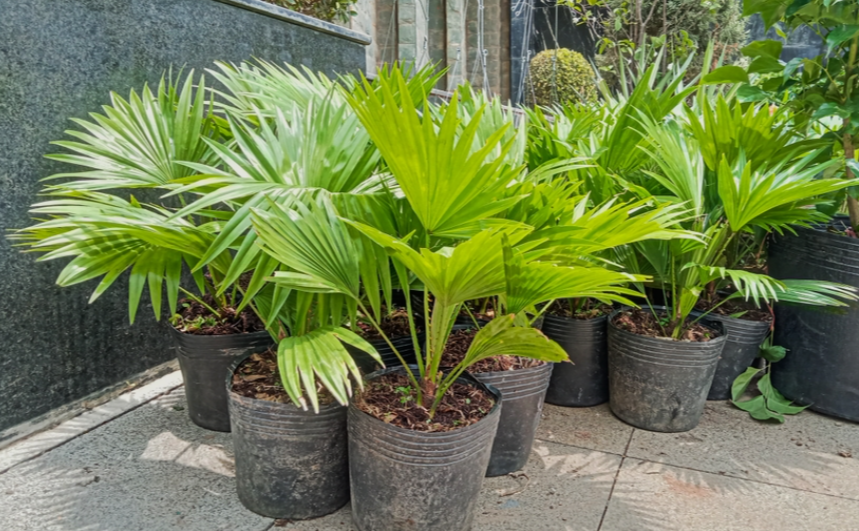
The Chinese fan palm has large, glossy fan leaves with drooping tips that give it a fountain-like look. It is native to southern China, Japan, and Taiwan. It grows slowly and usually reaches 20 to 30 feet tall. It handles brief cold down to about 15 to 20 degrees Fahrenheit.
It is common in Florida, along the Gulf Coast, and in south Texas. It is also planted in southern California and coastal South Carolina and Georgia. It grows well in both sun and part shade. Young plants are popular indoors as houseplants in colder states.
23. Canary Island Date Palm
The Canary Island date palm is a large feather palm with a thick trunk and a dense crown of arching fronds. It is native to the Canary Islands off the coast of northwest Africa. It can grow 40 to 60 feet tall with a very wide crown. It handles temperatures down to about 20 degrees Fahrenheit.
It is widely planted in California, Florida, Arizona, and along the Gulf Coast. It also grows in coastal Georgia and South Carolina. It is often used as a grand specimen tree along driveways and in parks. Its large size means it needs plenty of space.
24. Mazari Palm
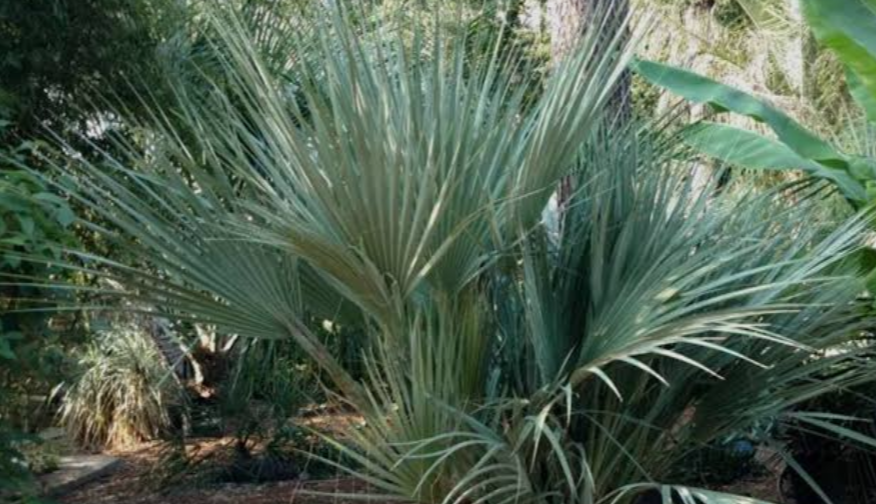
The Mazari palm is native to the dry mountains of Pakistan, Afghanistan, and Iran. It forms a clump of short, often branching stems with stiff, blue-green fan leaves. It is one of the few palms whose trunks branch. Growers report that it handles temperatures near 0 to 10 degrees Fahrenheit.
It is grown mostly in Arizona, New Mexico, west Texas, and southern Nevada. It thrives in hot summers, dry air, and cold desert winters. It is not common in garden centers and usually comes from specialty growers. It is an excellent choice for high-desert gardens.
25. Chilean Wine Palm
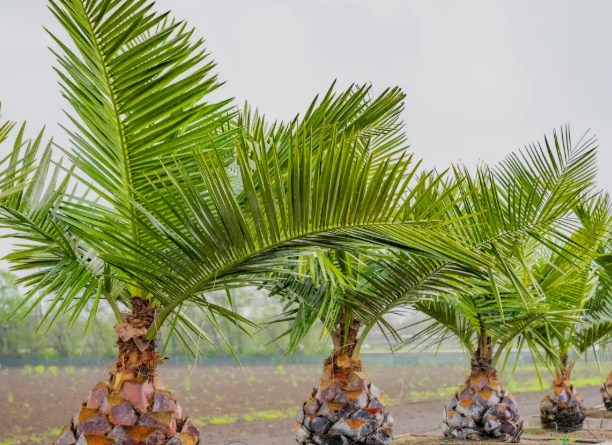
The Chilean wine palm is a massive feather palm known for having one of the thickest trunks of any palm. It is native to central Chile, where winters are cool and wet. It grows very slowly and can eventually reach 50 to 80 feet tall. It handles temperatures down to about 15 degrees Fahrenheit.
It is most common in California, especially in the San Francisco Bay Area and coastal central California. It also grows in the Pacific Northwest in sheltered spots. It does best with cool summers and mild winters. Its huge trunk makes it a dramatic specimen in large gardens and parks.
26. Scrub Palmetto
The scrub palmetto is a small palmetto with an underground trunk and stiff, fan-shaped leaves. It is native to the dry, sandy scrub habitat of central Florida. It usually grows 3 to 6 feet tall. It handles drought and poor, sandy soil very well.
It grows wild mostly in central and northeastern Florida, including the Ocala National Forest. It is planted in native gardens across Florida and southern Georgia. It is moderately cold hardy and suits the lower Southeast. It is a good choice for low-water native landscapes.
27. Date Palm
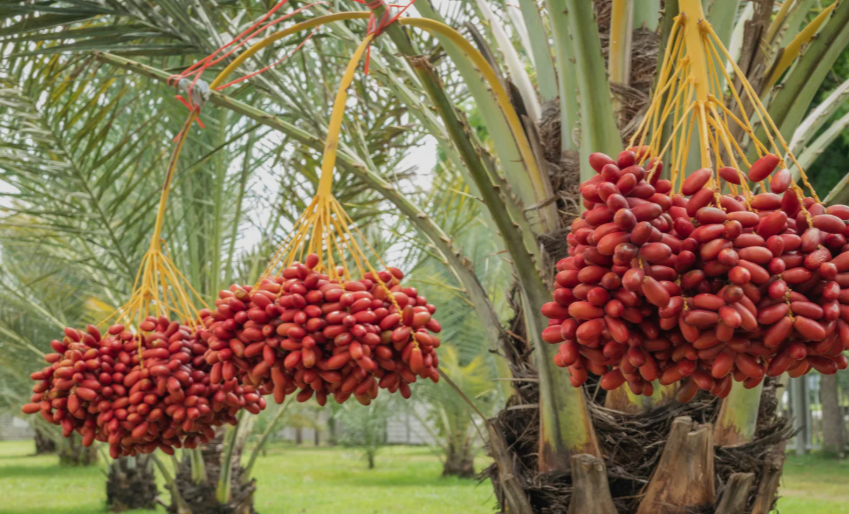
The date palm is the palm that produces the sweet dates sold in grocery stores. It is native to the Middle East and North Africa and has been grown for thousands of years. It can reach 50 to 75 feet tall and often produces suckers at its base. It handles temperatures down to about 15 to 20 degrees Fahrenheit.
In the United States, it is grown commercially in the Coachella Valley of California and around Yuma, Arizona. It is also planted as an ornamental across Arizona, Nevada, and southern California. It needs intense summer heat to produce good fruit. It is one of the most important palms in the American Southwest.
Sources
University of Florida IFAS, “Needle Palm” (Florida-Friendly Landscaping)
University of Florida IFAS, “Windmill Palm”
University of Georgia, “Cold-Hardy Palms Grow Throughout Georgia”
Mississippi State University Extension, “Hardy Palms and Cycads for Mississippi”
Mississippi State University Extension, “Palms Enhance Even Mississippi Landscapes”