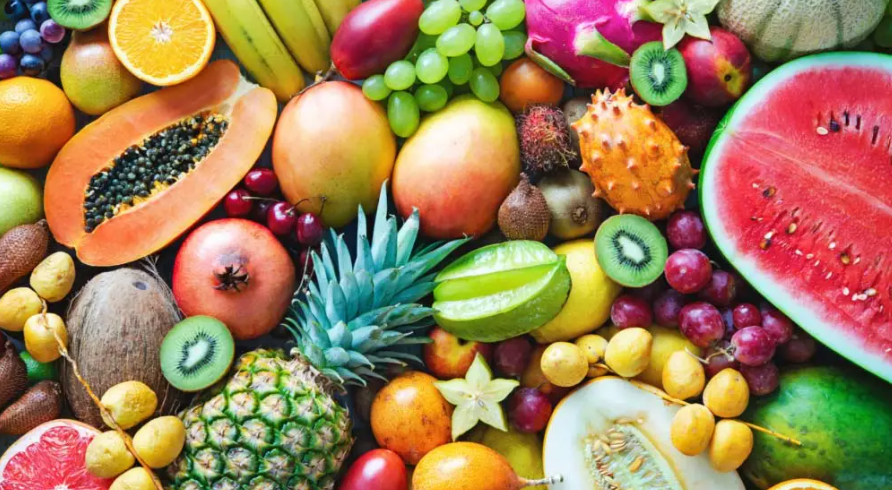
Fruits are among the most diverse and nutritionally significant products of the plant kingdom, consumed by humans and wildlife across every continent and forming the foundation of some of the world’s most important agricultural industries. In everyday language, the word fruit typically refers to the sweet, fleshy products of plants that are eaten as food — apples, oranges, bananas, and their familiar companions in the produce aisle. In botanical science, however, the definition of a fruit is considerably broader and more precise, encompassing any mature ovary of a flowering plant, whether it is sweet or sour, fleshy or dry, eaten by humans or not. This distinction between culinary and botanical definitions of fruit is one of the most practically significant divisions in plant science, explaining why tomatoes, cucumbers, peppers, and squash are botanically fruits despite being consistently classified as vegetables in culinary and commercial contexts.
The scientific study of fruit classification, known as carpology, examines the structure, development, and diversity of fruits across the plant kingdom, using a combination of morphological, developmental, and functional criteria to organize the extraordinary variety of fruit types produced by flowering plants into coherent categories. This classification system is not merely academic — understanding how different fruits are structured and how they develop helps plant scientists understand seed dispersal mechanisms, guides plant breeders working to improve fruit crops, and provides the conceptual framework for understanding the relationships between different plant families and the evolutionary pressures that have shaped their reproductive strategies.
The diversity of fruits found among the world’s approximately 300,000 species of flowering plants is extraordinary, ranging from the microscopic, dry, single-seeded fruits of grasses — which as wheat, rice, and maize form the nutritional foundation of human civilization — to the massive, multi-kilogram fruits of jackfruit and coco de mer. Between these extremes lies an almost incomprehensible variety of fruit forms, textures, sizes, colors, and structural organizations, each representing an evolutionary solution to the challenge of protecting developing seeds and, in many cases, attracting the animals that will disperse those seeds to new locations. The classification system that botanists have developed to organize this diversity reflects the underlying structural and developmental patterns shared by different fruit types despite their often dramatically different outward appearances.
Understanding the classification of fruits provides insight not only into plant biology and evolution but also into the practical world of agriculture, food science, and nutrition, where different fruit types have very different culinary properties, storage requirements, processing characteristics, and nutritional profiles.
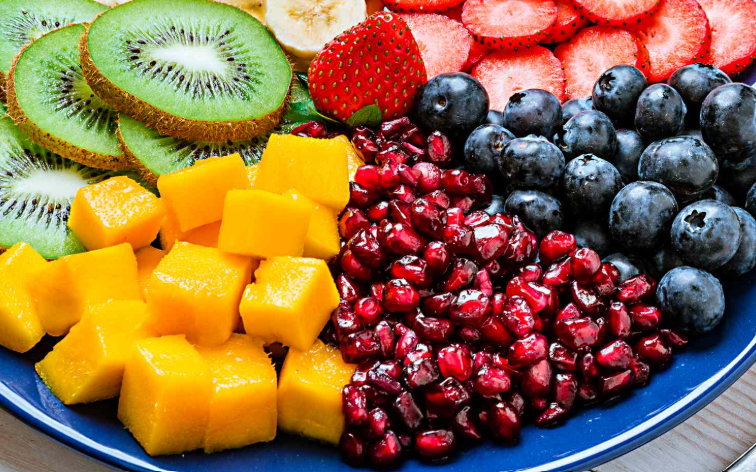
The Botanical Definition of Fruit
In botanical terms, a fruit is the mature ovary of a flowering plant, typically containing one or more seeds, that develops after fertilization of the flower’s ovules. This definition encompasses an enormous diversity of structures far beyond the sweet, fleshy products typically associated with the word fruit in everyday language.
Under this botanical definition, structures as diverse as a wheat grain, an acorn, a dandelion seed with its attached parachute of feathery fibers, a poppy seed capsule, and a tomato are all equally fruits, united by their origin as the mature ovary of a flowering plant regardless of their size, texture, flavor, or relationship to human food systems. This broad botanical definition reflects the fundamental reproductive function of fruits as the structures that protect and eventually disperse the seeds that carry the plant’s genetic heritage to the next generation.
Simple Fruits
Simple fruits are those that develop from a single flower containing a single ovary, representing the most straightforward category of fruit development and encompassing an enormous diversity of specific fruit types that are unified by this single-ovary origin. The majority of familiar food fruits fall within this broad category.
Simple fruits are further divided into fleshy fruits, in which the ovary wall develops into a soft, moist, often edible layer, and dry fruits, in which the ovary wall dries out at maturity. Within each of these two broad divisions, further subdivisions based on specific structural characteristics produce the more detailed classification system used by botanists to describe the full range of simple fruit types.
Fleshy Simple Fruits — Berries
In botanical terminology, a berry is a simple fleshy fruit that develops from a single flower with a single ovary, in which the entire ovary wall, called the pericarp, becomes soft and fleshy at maturity, typically surrounding multiple seeds embedded within the flesh. This botanical definition of berry includes many fruits not commonly called berries in everyday language.
Tomatoes, grapes, bananas, kiwi fruits, avocados, eggplants, peppers, and cucumbers are all botanical berries under this definition, while strawberries, raspberries, and blackberries — which are called berries in everyday language — are not botanical berries at all. This counterintuitive situation illustrates perfectly the divergence between botanical and culinary classification systems that runs throughout fruit science.
Hesperidia
Hesperidia are a specialized type of botanical berry characteristic of the citrus family, in which the ovary wall develops into a distinctive structure with a leathery, oil-gland-rich outer rind and a soft, segmented interior composed of juice-filled vesicles derived from the inner ovary wall. This unique structure makes citrus fruits among the most easily recognized of all fruit types.
Oranges, lemons, limes, grapefruits, tangerines, and all other citrus fruits are hesperidia, their characteristic structure of colored outer rind, white pith, and segmented, juice-filled interior representing one of the most distinctive and consistent fruit structures found within any single plant family. The essential oils concentrated in the rind have provided some of the world’s most important flavoring and fragrance ingredients throughout culinary and industrial history.
Pepo
A pepo is another specialized type of botanical berry characteristic of the cucumber and squash family, distinguished by a hard, thick outer rind that develops from both the ovary wall and the receptacle tissue of the flower, surrounding a fleshy interior that may be solid or hollow depending on the specific species. This distinctive hard-rinded berry type is found exclusively within the Cucurbitaceae family.
Cucumbers, watermelons, cantaloupes, pumpkins, squash, and gourds are all pepos, their characteristic hard outer rind providing both physical protection for the developing seeds and a structure that has been exploited by humans not only for food but for containers, musical instruments, and decorative objects throughout cultural history. The extraordinary size range within this fruit type, from tiny ornamental gourds to pumpkins weighing over 1,000 kilograms, illustrates the diversity achievable within a single fruit structural category.
Drupe
A drupe is a fleshy simple fruit in which the pericarp is differentiated into three distinct layers — a thin, often brightly colored outer skin called the exocarp, a fleshy middle layer called the mesocarp that forms the edible portion in most familiar drupe fruits, and a hard, stone-like inner layer called the endocarp that encloses the seed. This three-layered structure is the defining characteristic of the drupe type.
Peaches, plums, cherries, olives, mangoes, coconuts, and almonds are all drupes, with the stone or pit familiar to anyone who has eaten a peach or cherry representing the hardened endocarp rather than the seed itself — the actual seed is enclosed within the stone. The coconut illustrates the remarkable diversity possible within the drupe category, with its fibrous husk representing the mesocarp and the familiar hard brown shell representing the endocarp, while the white flesh and liquid within are derived from the seed itself rather than the fruit wall.
Pome
A pome is a fleshy simple fruit characteristic of the rose family, in which the fleshy, edible portion of the fruit develops primarily from the enlarged receptacle or hypanthium of the flower rather than from the ovary wall itself, with the actual ovary forming the core structure at the center of the fruit. This unique developmental origin distinguishes pomes from all other fleshy fruit types.
Apples, pears, quinces, and medlars are all pomes, and the familiar distinction between the crisp, sweet flesh of an apple and the tough, papery core is directly reflected in this developmental history — the flesh is receptacle tissue while the core represents the true botanical fruit derived from the ovary. The rose family’s production of pomes reflects an evolutionary innovation that converted the cup-shaped flower base into an attractive, fleshy structure capable of enticing animals to eat and disperse the seeds contained within the ovary at its center.
Aggregate Fruits
Aggregate fruits develop from a single flower that contains multiple separate ovaries, each of which develops into a small fruitlet, with all the fruitlets together forming a single coherent fruit structure. This multiple-ovary origin distinguishes aggregate fruits from simple fruits derived from a single ovary.
Raspberries, blackberries, and boysenberries are familiar examples of aggregate fruits, with the individual segments visible in these fruits each representing a separate drupelet derived from a separate ovary within the original flower. Strawberries, while commonly considered examples of aggregate fruits, are more precisely described as accessory fruits in which the fleshy, edible portion develops from the enlarged receptacle of the flower rather than from the ovaries themselves — the true fruits are the tiny, seed-like achenes embedded on the surface of the strawberry.
Multiple Fruits
Multiple fruits develop from a cluster of many separate flowers that are packed tightly together on a common axis, with the individual fruits of each flower fusing together as they mature to form a single, coherent structure. This multi-flower origin distinguishes multiple fruits from both simple and aggregate fruits.
Pineapples, mulberries, figs, and breadfruit are multiple fruits, each developing from an inflorescence of many individual flowers whose fruits have fused into a single structure. The fig is particularly interesting in that it represents an inverted multiple fruit, with the individual flowers and their fruits enclosed within the fleshy, hollow receptacle that forms the familiar edible fig, accessed from the outside only through a small opening at the top.
Accessory Fruits
Accessory fruits, sometimes called false fruits or pseudocarps, are fruits in which a significant portion of the edible structure develops from tissue other than the ovary — typically from the receptacle, the hypanthium, or other flower parts — rather than from the ovary wall alone. The botanical fruit in these cases may be a relatively minor component of the overall structure.
Strawberries represent the most familiar accessory fruit, with the red, fleshy structure being an enlarged receptacle while the true botanical fruits are the tiny, hard, seed-like achenes covering its surface. Rose hips are another important accessory fruit, with the fleshy red structure being derived from the cup-shaped hypanthium of the rose flower while the true fruits are the hard achenes packed inside. Apples and pears, as described in the pome category, also qualify as accessory fruits due to the receptacle contribution to their flesh.
Dry Dehiscent Fruits
Dry dehiscent fruits are simple fruits in which the ovary wall dries out completely at maturity and then splits open in a characteristic way to release the seeds within. The specific manner in which these fruits split open is used to further classify them into distinct subcategories.
Legumes, such as pea and bean pods that split along two seams, follicles like columbine seed pods that split along a single seam, siliques like the elongated seed pods of mustard and radish that split from the base upward leaving a central partition, and capsules like those of poppies and irises that open through various mechanisms of pores, slits, or valves all represent distinct types of dry dehiscent fruit. The diversity of opening mechanisms within this category reflects the variety of evolutionary pressures and seed dispersal strategies associated with plants that release their seeds actively through fruit splitting rather than relying on animals to disperse fleshy fruit.
Dry Indehiscent Fruits
Dry indehiscent fruits are simple fruits in which the ovary wall dries out at maturity but does not split open to release the seed, instead remaining intact around the seed as the entire fruit unit is dispersed. In these fruits, the seed and fruit wall are effectively dispersed together as a single unit.
Achenes, such as the seed-like fruits of sunflowers, dandelions, and strawberry surface structures, are single-seeded dry fruits with a relatively thin, loose ovary wall. Grains or caryopses, the fruits of grasses including wheat, rice, maize, and all other cereal crops, are single-seeded dry fruits in which the ovary wall is fused inseparably to the seed coat. Nuts, such as acorns, hazelnuts, and chestnuts, are single-seeded dry fruits with a particularly thick, hard ovary wall that provides substantial physical protection for the seed.
Samaras
Samaras are dry indehiscent fruits that have developed one or more wing-like extensions of the ovary wall that allow the fruit to be carried by wind currents, often traveling considerable distances from the parent plant before landing and potentially germinating. This wind-dispersal adaptation has evolved independently in several unrelated plant families.
The familiar helicopter fruits of maple trees are double samaras, technically called disamaras, that split into two single-winged samaras at maturity and spiral through the air in a characteristic rotating motion that slows their descent and allows them to be carried laterally by wind. Ash, elm, and tree of heaven fruits are also samaras, each with a slightly different wing arrangement that reflects the independent evolution of wind dispersal in these unrelated tree species.
Schizocarps
Schizocarps are dry fruits that develop from a single flower with a single ovary but split apart at maturity into two or more segments called mericarps, each containing a single seed. This splitting occurs along the partitions between the chambers of the original ovary rather than through the ovary wall itself.
The carrot family is particularly notable for producing schizocarpic fruits, with the paired mericarps of carrot, fennel, dill, coriander, and other family members representing this fruit type. Each mericarp is often equipped with surface features such as wings, ridges, or hooks that aid in its dispersal, with the specific surface texture and ornamentation of schizocarp mericarps being important diagnostic features used in the identification of plant species within the carrot family.
Culinary Classification of Fruits
The culinary classification of fruits differs substantially from the botanical system, organizing edible plant products according to their flavor characteristics, texture, cultural use, and consumer expectations rather than their structural and developmental origins. Under this system, sweetness, acidity, and culinary application are the primary organizing principles.
Culinary fruits are typically the sweet or tart products of plants consumed as dessert, snacks, or in sweet preparations, while vegetables are the savory plant products consumed as part of the main course or as accompaniments to protein foods. This culinary distinction is what makes tomatoes, peppers, cucumbers, and avocados vegetables in everyday usage despite their botanical status as fruits, a practical classification that reflects the way these foods are actually used in cooking rather than the reproductive biology of the plants that produce them.
Stone Fruits in Commercial Classification
In commercial and horticultural contexts, stone fruits represent one of the most important commercial fruit categories, encompassing the drupes — peaches, plums, cherries, apricots, nectarines, and almonds — that share the characteristic stone or pit and are grown, traded, and processed as a coherent commercial group. Global stone fruit production exceeds 80 million tonnes annually.
The commercial grouping of stone fruits reflects not only their shared structural characteristics but also their shared agronomic requirements, post-harvest handling needs, and processing applications, making this commercial category practically useful for growers, traders, and processors dealing with multiple species within the same production and supply chain infrastructure. Stone fruits are among the most economically significant temperate fruit crops globally.
Tropical and Subtropical Fruits
Tropical and subtropical fruits represent a broad commercial and culinary category encompassing the diverse fruits produced in warm climates, including mangoes, papayas, pineapples, bananas, guavas, passion fruits, and many others that share the characteristic of requiring consistently warm temperatures for successful production. Global tropical fruit trade exceeds 85 million tonnes annually.
This grouping cuts across multiple botanical fruit categories — bananas are botanical berries, mangoes are drupes, pineapples are multiple fruits, and papayas are botanical berries — reflecting the commercial and culinary logic that organizes these fruits by their climate requirements and cultural associations rather than by their botanical structure. The growing global demand for tropical fruits, driven by both population growth in tropical regions and increasing consumption in temperate markets, has made this commercial category one of the fastest-growing segments of international agricultural trade.
Citrus Fruits as a Commercial Category
Citrus fruits form one of the most clearly defined commercial fruit categories, encompassing all the fruits of the genus Citrus and closely related genera within the family Rutaceae, united by their distinctive hesperidium fruit structure, their characteristic essential oil-rich rinds, and their high vitamin C content. Global citrus production exceeds 140 million tonnes annually, making this the largest fruit crop category in the world.
The commercial citrus category includes oranges, which account for approximately half of all citrus production, lemons, limes, grapefruits, tangerines, mandarins, and the growing range of hybrid varieties including clementines, satsumas, and tangelos that have been developed through deliberate and natural hybridization within the genus. Citrus fruits are produced commercially in a broad belt of subtropical and Mediterranean climates spanning multiple continents, with Brazil and China being the world’s largest individual producing countries.
Berries in Commercial and Culinary Classification
In commercial and culinary usage, the berry category encompasses a loosely defined group of small, typically rounded, often intensely flavored fruits consumed fresh or processed into jams, juices, and other products, regardless of their botanical classification. Strawberries, raspberries, blueberries, cranberries, currants, and gooseberries are among the most commercially significant members of this culinary category.
Interestingly, this commercial and culinary category contains a mixture of botanical fruit types — blueberries and cranberries are true botanical berries, strawberries are accessory fruits, raspberries and blackberries are aggregate fruits, and currants and gooseberries are true botanical berries — illustrating how completely the culinary and commercial classification systems diverge from the botanical system when organizing fruits according to practical rather than scientific criteria.
Seed Dispersal and Fruit Classification
An important functional dimension of fruit classification considers the dispersal mechanism by which each fruit type moves seeds away from the parent plant, as the evolutionary pressures driving fruit diversification have largely been shaped by the ecological interactions between plants and the agents that disperse their seeds. The major dispersal categories — animal-dispersed, wind-dispersed, water-dispersed, and self-dispersed — cut across the structural classification system.
Fleshy fruits are typically adapted for animal dispersal, with their bright colors, sweet flavors, and attractive nutritional content serving to attract birds and mammals that eat the fruit and deposit the seeds elsewhere in their droppings. Dry fruits with wings, parachutes, or feathery attachments are typically adapted for wind dispersal, while floating, buoyant fruits are adapted for water dispersal, and explosively dehiscent fruits disperse their seeds through mechanical energy stored in the drying fruit wall. Understanding these functional relationships between fruit structure and dispersal mechanism provides a biological context for the structural classification system that reveals the evolutionary forces driving fruit diversity.