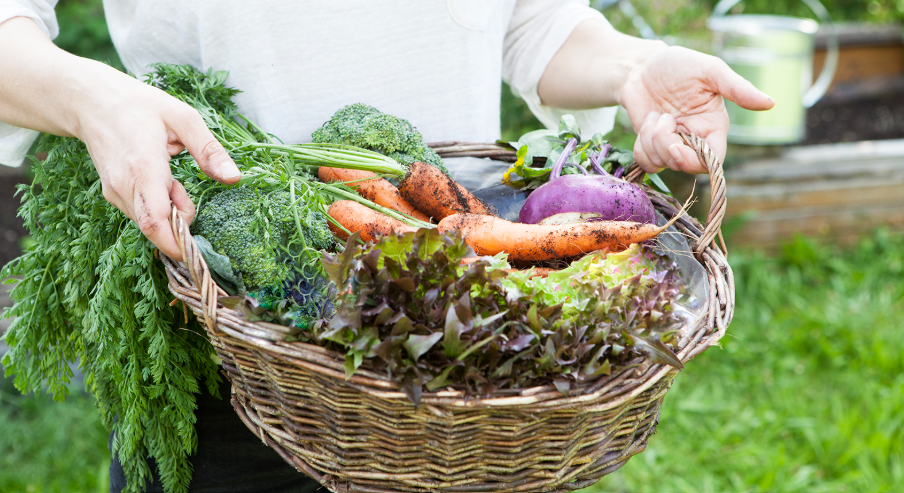
Vegetables in season in September span a genuinely wide range, since the month sits right at the overlap between the tail end of summer’s heat-loving crops and the early wave of cool-season vegetables just reaching harvest. According to Penn State Extension’s Harvest Calendar, crops like tomatoes, peppers, corn, and squash typically run from mid-July through mid-October in the mid-Atlantic region, meaning September lands squarely in the middle of their peak production window rather than at either end of it.
That overlap is exactly why a September garden or farmers market can look so different depending on what’s been planted, since a plot heavy on summer crops still looks like peak August while a plot planted for succession harvests is already producing broccoli, cabbage, and root vegetables meant for fall. According to the University of Georgia’s College of Agricultural and Environmental Sciences, the major fall planting window runs from mid-July through September, with those plantings harvested from October through December, meaning much of what’s classified as “in season” during September was actually planted weeks earlier specifically to mature during this transitional month.
What follows covers 28 vegetables in season in September, along with where each one grows and the data behind its harvest window.
Tomatoes
Tomatoes are native to South America, and according to Penn State Extension’s Harvest Calendar, their harvest window typically runs from the second week of July through the third week of October, placing September squarely within peak production. A mature plant can produce fruit continuously for several months once it begins bearing.
They grow throughout nearly all of the United States as a warm-season garden staple, and September crops often benefit from the more moderate late-summer temperatures that follow the most intense midsummer heat.
Bell Peppers
Bell peppers are native to Central and South America, with a harvest window that runs from mid-July through mid-October according to Penn State Extension, putting September near the peak of the season. A mature plant continues producing fruit until the first frost.
They grow throughout the United States as a warm-season crop, thriving in the same long, warm stretch of the growing season that benefits tomatoes.
Hot Peppers
Hot peppers, native to Central and South America, follow a similar harvest timeline to bell peppers, typically producing from mid-summer through mid-fall. A mature plant’s peppers often continue ripening and intensifying in heat as the season progresses.
They grow throughout the United States as a warm-season crop, commonly reaching their most intense flavor and heat later in the season as September approaches.
Sweet Corn
Sweet corn is native to the Americas, with a harvest window running from mid-July through mid-October according to Penn State Extension, meaning September offers some of the last fresh, locally grown corn of the year in many regions. A mature stalk typically produces 1 to 2 usable ears.
It grows throughout most of the United States, planted in succession by many farms specifically to extend fresh availability from midsummer into early fall.
Zucchini
Zucchini, a type of summer squash native to the Americas, is typically harvested from July through the first week of November according to Penn State Extension, one of the longer harvest windows of any common garden vegetable. A single healthy plant can produce far more fruit than most households can use fresh.
It grows throughout the United States as a prolific warm-season crop, often still producing heavily well into September.
Cucumbers
Cucumbers are native to South Asia, typically harvested from mid-July through mid-September according to Penn State Extension, making early September the tail end of a strong local harvest in much of the country. A mature vine can produce fruit continuously for several weeks under good conditions.
They grow throughout the United States as a warm-season vine crop, generally slowing production as cooler September nights set in.
Eggplant
Eggplant is native to South Asia, with a harvest window running from mid-July through mid-October according to Penn State Extension, placing September within its peak production period. A mature plant continues producing fruit until temperatures drop significantly.
It grows as a warm-season garden vegetable throughout the United States, particularly productive during the still-warm days of early September.
Green Beans
Green beans are native to Central and South America, and successive plantings can extend fresh harvests from early summer well into September in many regions. A single planting typically produces for 3 to 4 weeks before slowing.
They grow throughout the United States, and gardeners often make a second planting in midsummer specifically to ensure a fresh September harvest.
Okra
Okra is native to Africa, thriving in the sustained heat of late summer and typically producing heavily through September in warmer climates. A mature plant needs to be picked every couple of days once production ramps up, since pods quickly become tough if left too long.
It grows primarily throughout the southern United States, where the lingering warmth of early fall keeps production strong well past when cooler-climate crops have slowed.
Butternut Squash
Butternut squash, a type of winter squash native to Central America, reaches maturity and begins harvest in September in much of the United States, despite being classified as a winter squash due to its excellent storage life rather than its growing season. A mature fruit can be stored for several months in proper conditions.
It grows throughout most of the United States, typically requiring a long, full growing season that concludes with harvest in early to mid-fall.
Acorn Squash
Acorn squash closely follows butternut squash in its September harvest timing, native to Central America, valued for its distinctive ridged shape and sweet, moist flesh. A mature fruit stores considerably less long than butternut, generally best used within a couple of months of harvest.
It grows throughout most of the United States as a fall-harvested winter squash.
Delicata Squash
Delicata squash, native to Central America, is typically ready for harvest in September, distinguished by its thin, edible skin and sweet flavor compared to thicker-skinned winter squash varieties. A mature fruit has a shorter storage life than most other winter squash.
It grows throughout most of the United States, generally harvested slightly earlier than butternut or acorn squash.
Pumpkins
Pumpkins, native to North America, reach their main harvest window in September and October according to Penn State Extension. A mature pumpkin can range enormously in size depending on the variety, from a couple of pounds to several hundred.
They grow throughout most of the United States, with September marking the beginning of the harvest that supplies both fall decorating and culinary use.
Broccoli
Broccoli is native to the Mediterranean region, with a fall crop typically reaching harvest in September after being planted in mid to late summer specifically to mature in cooler weather. A mature head is generally harvested before its individual flower buds begin to open.
It grows as a cool-season crop throughout the United States, with fall plantings often producing a sweeter-flavored harvest than the same variety grown in spring heat.
Cauliflower
Cauliflower closely follows broccoli in its fall growing pattern, native to the Mediterranean region, typically planted in summer for a September or fall harvest once temperatures moderate. A mature head needs consistent moisture and cool temperatures to develop properly without becoming loose or discolored.
It grows as a cool-season crop throughout the United States, generally considered easier to grow well as a fall crop than in spring’s more variable weather.
Brussels Sprouts
Brussels sprouts are native to the Mediterranean region, planted in early to midsummer for a harvest that typically begins in September and continues into the colder months. A mature plant produces sprouts along its stalk that generally taste sweeter after exposure to light frost.
They grow as a cool-season crop throughout much of the United States, requiring a notably long growing season from planting to harvest.
Cabbage
Cabbage is native to Europe, and fall-planted crops typically reach harvest in September, offering a second cabbage season beyond the more commonly known spring crop. A mature head can be left in the garden through light frosts without significant damage.
It grows as a cool-season crop throughout the United States, with fall-grown heads often storing better than spring-grown ones.
Kale
Kale is native to the eastern Mediterranean, and according to University of Maryland Extension, it’s among the crops that can be harvested over a long period, continuing well past its initial maturity date. September crops benefit from cooling temperatures that improve flavor.
It grows as a cool-season crop throughout the United States, and its taste is widely considered to improve after the first light frosts of fall.
Collard Greens
Collard greens closely resemble kale in their long harvest window and improving fall flavor, native to the eastern Mediterranean, commonly grown throughout the southern United States. A mature plant can be harvested leaf by leaf over an extended period rather than all at once.
They grow as a cool-season crop, particularly popular throughout the southeastern United States.
Swiss Chard
Swiss chard is native to the Mediterranean region, and according to University of Maryland Extension, it’s harvested over a long period similar to kale and collards, continuing production from summer well into fall. A mature plant regrows new leaves continuously as outer leaves are harvested.
It grows throughout the United States as a heat- and cold-tolerant leafy green, often producing steadily through September without the bolting issues that affect spinach and lettuce in warm weather.
Spinach
Spinach is native to Central Asia, with fall plantings reaching harvest from the third week of August through the end of October according to Penn State Extension. A mature plant is best harvested before it bolts in response to lengthening days or warm temperatures.
It grows as a cool-season crop throughout the United States, and fall plantings often outperform spring ones since temperatures are cooling rather than warming as the crop matures.
Lettuce
Lettuce is native to the Mediterranean region, with a harvest window extending from mid-June through the third week of October according to Penn State Extension, keeping September squarely within its productive season. A mature head-type lettuce is generally harvested just once, while leaf varieties can be cut multiple times.
It grows as a cool-season crop throughout the United States, with fall crops often producing crisper, less bitter leaves than those grown in summer heat.
Carrots
Carrots are native to Central Asia, with a harvest window running from the end of July through the end of November according to Penn State Extension, meaning September carrots are typically still weeks away from their final fall harvest peak. A mature root continues to sweeten as soil temperatures cool.
They grow as a cool-season root crop throughout the United States.
Beets
Beets are native to the Mediterranean coast, with a harvest window running from mid-July through the end of November according to Penn State Extension. A mature root and its greens are both edible, offering 2 harvests from a single planting.
They grow as a cool-season root crop throughout the United States, with both the greens and roots available fresh throughout September.
Radishes
Radishes are native to Europe and Asia, with one of the shortest harvest windows of any common vegetable, and according to Penn State Extension, they’re generally available from May through the first week of November thanks to their rapid maturity. A mature radish is ready to harvest in as little as several weeks from planting.
They grow as a fast-maturing cool-season crop throughout the United States, well suited to repeated September plantings for a quick fall harvest.
Sweet Potatoes
Sweet potatoes are native to Central and South America, typically harvested in September before the first fall frost, since the crop requires a long, warm growing season to develop properly. A mature root benefits from a curing period after harvest to improve its storage life and sweetness.
They grow throughout much of the United States, particularly the South, with September marking the primary harvest window before cold weather sets in.
Potatoes
Potatoes are native to South America, with a harvest window running from mid-July through the end of October according to Penn State Extension. A mature plant is typically harvested once its foliage has died back significantly.
They grow throughout the United States as a cool-season root crop, with September representing a significant part of the main harvest season.
Onions
Onions are native to Central Asia, with a harvest window running from mid-July through mid-October according to Penn State Extension. A mature bulb is generally harvested once the green tops have fallen over and begun to dry.
They grow throughout the United States, and September harvests are often followed by a curing period to prepare bulbs for long-term storage.
Conclusion
September offers a wide range of seasonal vegetables, from leafy greens and root crops to beans, squash, and other garden favorites. Knowing what is naturally in season can help gardeners plan harvests and make the most of fresh produce.
The vegetables available in September vary with climate, region, and planting dates, so local growing conditions matter. Whether you are growing your own food or choosing fresh produce, understanding seasonal availability makes it easier to enjoy vegetables at their best.