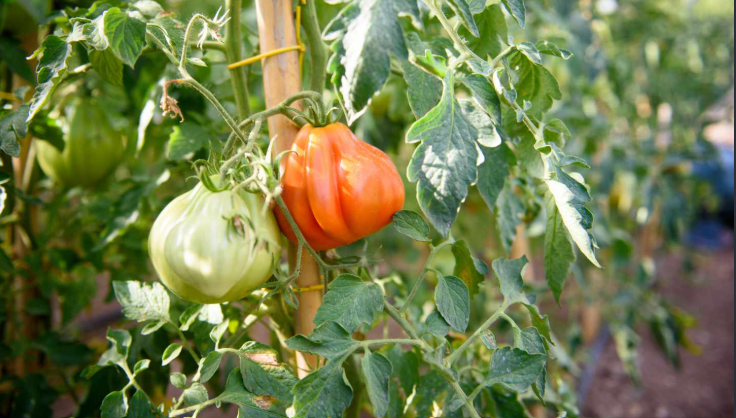
Heirloom tomatoes have a way of making an ordinary vegetable garden feel much more interesting. Unlike the uniform supermarket tomatoes that are usually selected for firmness, shelf life, and shipping ability, heirlooms come in an astonishing range of colors, shapes, sizes, textures, and flavors. A single garden bed can contain tomatoes that are pink, purple, orange, yellow, green, black, striped, or even combinations of several colors. Extension sources generally describe heirlooms as open-pollinated varieties with a documented history or lineage, although there is no single universal definition of the term.
What I particularly like about heirloom tomatoes is that choosing one is almost like choosing a piece of gardening history. Some varieties have been passed from gardener to gardener for generations, while others have fascinating stories connected to particular families, regions, or seed exchanges. Cherokee Purple, for example, is associated with a history extending back more than a century, while Mortgage Lifter became famous because of the story surrounding M.C. “Radiator Charlie” Byles and the sales of his unusually large tomato plants.
The varieties below represent a mixture of large beefsteaks, salad tomatoes, paste tomatoes, cherry types, and unusual specialty tomatoes. Fruit weights and days to maturity are approximate because they can vary considerably with climate, seed strain, growing conditions, and transplanting date. Rutgers’ cultivar trials, for example, have recorded heirloom fruit ranging from around 4 ounces for Costoluto Genovese to more than 10 ounces for Hawaiian Pineapple and Prudens Purple.
1. Brandywine Red Tomato
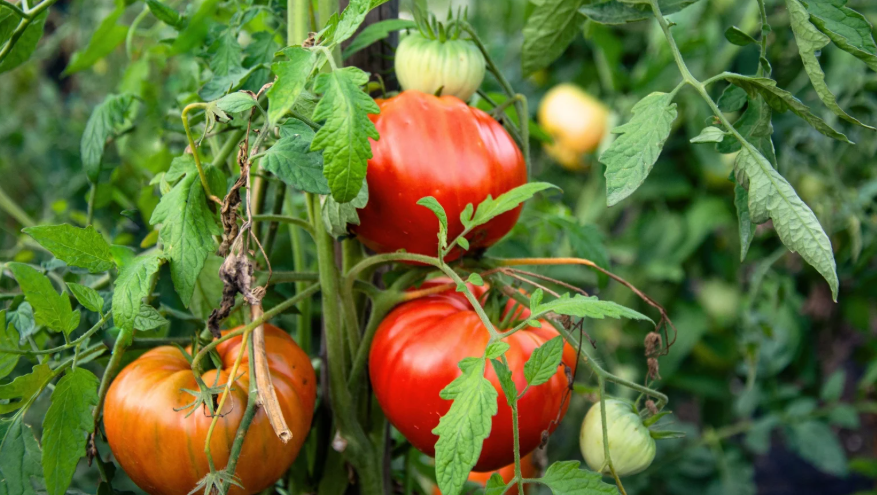
Brandywine Red is one of the most recognizable heirloom tomatoes and is particularly valued for its old-fashioned tomato flavor. The plants are indeterminate and can become quite large, often reaching about 6 feet or more when they have good support. Rutgers lists Brandywine Red as a late-season, open-pollinated heirloom with potato-shaped foliage and fruit averaging approximately 14 ounces. The large, pinkish-red beefsteak fruits are typically somewhat flattened and can develop attractive ribbing.
The flavor is the real reason gardeners continue growing Brandywine. The fruit has a rich, juicy texture with a balance of sweetness and acidity that works beautifully in sandwiches, salads, and simple slices seasoned with salt. It is not necessarily the most productive tomato in every garden, but its distinctive flavor makes it worth giving valuable garden space. In a Rutgers heirloom trial, Brandywine Red averaged about 5.71 ounces per harvested fruit, illustrating how fruit size can vary significantly depending on growing conditions and trial methods.
Also Read: Different Types of Tomato Varies
2. Cherokee Purple Tomato
Cherokee Purple is arguably one of the most famous dark-colored heirloom tomatoes. Its large, flattened fruits develop a dusky purple-pink color that can look almost chocolate-colored around the shoulders when fully ripe. Rutgers describes it as an open-pollinated heirloom with indeterminate growth, approximately 5-foot plant height, and fruit averaging around 10 ounces. The plants can produce impressive beefsteak-type tomatoes when adequately supported.
The flavor is complex, sweet, smoky, and slightly acidic rather than simply sugary. It is especially good eaten fresh because cooking can diminish some of the subtle flavor characteristics that make this variety special. Cherokee Purple is generally considered a late-season tomato, so gardeners in short-season regions may need to start plants early indoors. Interestingly, a Rutgers cultivar trial recorded an average fruit weight of about 8.01 ounces, showing that the variety can produce somewhat smaller fruit under particular conditions.
3. Mortgage Lifter Tomato
Mortgage Lifter has perhaps one of the most entertaining stories attached to an heirloom tomato. According to Rutgers, M.C. Byles of West Virginia developed the variety and eventually sold plants for $1 each, using the proceeds to pay off a $6,000 mortgage. The resulting tomato is a large, pink beefsteak grown on an indeterminate plant that can reach roughly 7 feet.
The fruits are usually smooth, meaty, and substantial, with individual tomatoes commonly approaching or exceeding 1 pound under good conditions. Rutgers lists a typical fruit size of about 15 ounces, while a 2004 Rutgers trial recorded an average of 8.82 ounces. Its flavor is generally mild and sweet rather than sharply acidic. Mortgage Lifter is particularly attractive to gardeners who want enormous slicing tomatoes and enjoy growing varieties with a memorable history.
4. Black Krim Tomato
Black Krim is a striking tomato from the Crimean region and is famous for its dark, dusky appearance. As the fruit ripens, the skin can become deep reddish-purple to almost black, particularly around the shoulders. The fruits are generally medium to large beefsteaks, and the plants are indeterminate, meaning they continue producing flowers and fruit throughout much of the growing season when conditions remain favorable.
The flavor is one of Black Krim’s strongest characteristics. It tends to be rich, smoky, salty-sweet, and complex, making it an excellent choice for fresh eating. The dark coloration is especially attractive when combined with bright red, orange, or yellow tomatoes on a serving platter. Like many large heirlooms, the fruits can crack under inconsistent moisture, so maintaining reasonably even soil moisture is helpful.
5. Green Zebra Tomato
Green Zebra is a fascinating choice for gardeners who want something completely different from conventional red tomatoes. The fruits remain green when ripe, usually developing darker green stripes over a lighter green background. They are generally smaller than the giant beefsteaks, making them convenient for salads, slicing, and colorful tomato platters. Rutgers lists Green Zebra among its heirloom specialty varieties.
Its flavor is bright, tangy, and noticeably acidic, with a refreshing quality that makes it particularly useful in salads and salsas. Unlike some tomatoes that become very soft when fully ripe, Green Zebra can retain a pleasantly firm texture. It is also an excellent tomato for cooks who want green color without using an unripe red tomato.
Also Read: How To Grow Tomatoes In Any Soil
6. Yellow Pear Tomato
Yellow Pear is one of the most recognizable pear-shaped heirloom tomatoes. The small fruits are golden yellow and often produced in generous clusters on vigorous indeterminate plants. Rutgers identifies Beam’s Yellow Pear as an open-pollinated heirloom, with fruit averaging about 0.55 ounce and plants reaching approximately 7 feet. Different strains of Yellow Pear can vary in size and shape.
The flavor is mild, lightly sweet, and less acidic than many red tomatoes. Rather than producing a single huge tomato, the plant can provide numerous small fruits over a long harvest period. This makes Yellow Pear particularly useful for gardeners who enjoy picking tomatoes directly from the vine. The unusual pear shape also gives salads and mixed tomato dishes a distinctly decorative appearance.
7. Eva Purple Ball Tomato
Eva Purple Ball is an old-fashioned round tomato that contrasts sharply with the enormous, irregular shapes associated with many heirlooms. The fruit is generally medium-sized, smooth, pinkish-purple, and almost perfectly rounded. Rutgers lists Eva Purple Ball as an heirloom specialty with approximately 4- to 5-ounce fruit. Its relatively uniform shape can make it easier to slice than heavily ribbed beefsteaks.
The flavor is rich but balanced, with a good combination of sweetness and acidity. One of its advantages is that the fruit is not excessively large, so a gardener can use an entire tomato for an individual salad or sandwich without having half of a huge tomato left over. Rutgers’ 2004 trial recorded an average fruit weight of 4.85 ounces, placing it among the smaller-fruited heirlooms evaluated.
8. Arkansas Traveler Tomato
Arkansas Traveler is an heirloom particularly appreciated for its reputation for dependable performance in warm conditions. The fruits are medium-sized, pink to reddish-pink, and generally smooth and rounded. The plants are indeterminate and can produce fruit over an extended period rather than concentrating the harvest into a very short window.
Its flavor is balanced, combining sweetness with moderate acidity. The fruits are useful for sandwiches, salads, slicing, and general kitchen use. Rutgers’ heirloom trial recorded an average fruit weight of approximately 5.70 ounces and about 80% marketable fruit in that particular trial. Results will naturally vary between gardens, but the data illustrate why Arkansas Traveler remains a popular heirloom for gardeners looking for an all-purpose tomato.
9. Box Car Willie Tomato
Box Car Willie produces medium to large, reddish-orange to red beefsteak tomatoes with a classic appearance. The variety is generally grown as an indeterminate plant, so it benefits from a sturdy cage, trellis, or stake. Its fruits tend to be substantial enough for slicing while remaining more manageable than some of the giant beefsteak varieties.
The flavor is traditionally described as rich and distinctly tomato-like, with a good balance of sweetness and acidity. In a Rutgers trial, Box Car Willie averaged approximately 5.91 ounces per fruit, although individual tomatoes can become considerably larger in favorable gardens. This makes it a useful middle ground between small salad tomatoes and enormous beefsteaks.
10. Prudens Purple Tomato
Prudens Purple is a large pink-purple heirloom with a reputation for producing impressive beefsteak fruits. Rutgers classifies it as an open-pollinated heirloom and recorded an average fruit weight of approximately 10.78 ounces in its 2004 cultivar trial. Under favorable growing conditions, individual fruit can become much larger.
The flavor is rich, sweet, and full-bodied, making the variety especially desirable for eating fresh. The fruits have enough flesh to make excellent thick slices for sandwiches, burgers, or tomato-and-mozzarella dishes. The plants are vigorous, so providing strong support early in the season can prevent the weight of the crop from pulling branches toward the ground.
11. Hawaiian Pineapple Tomato
Hawaiian Pineapple is a spectacular bi-colored heirloom that can produce large orange-yellow fruits streaked or flushed with reddish tones. The name reflects the fruit’s warm tropical appearance and its characteristically sweet flavor rather than suggesting that it is actually related to pineapples. The fruits can become very large under favorable conditions.
In the Rutgers 2004 heirloom trial, Hawaiian Pineapple averaged approximately 10.92 ounces per fruit, the largest average recorded among the varieties tested in that particular group. The flavor tends toward sweet and fruity with relatively mild acidity. Because of its attractive interior color and large size, it is especially impressive when sliced open for serving.
12. Amish Paste Tomato
Amish Paste is a classic heirloom paste tomato associated with Amish gardeners. Unlike many huge beefsteaks, the fruits are more elongated and often somewhat irregular, with substantial flesh and comparatively less juice. The tomatoes can be used fresh, but they are especially valuable for sauces, pastes, soups, and other cooked dishes.
The plants are indeterminate and can become quite vigorous. Fruits vary in shape and size, but many are considerably larger than modern small plum tomatoes. The combination of dense flesh and rich tomato flavor makes Amish Paste useful when a gardener wants a traditional sauce tomato without relying on a modern hybrid.
Also Read: Companion Plants For Tomatoes
13. Aunt Ruby’s German Green Tomato
Aunt Ruby’s German Green is one of the most interesting heirlooms because its fruit remains green when ripe. The large tomatoes can develop a slight yellowish or amber cast as they reach full maturity, helping distinguish them from genuinely unripe fruit. They are typically large beefsteak tomatoes with a soft, juicy texture.
The flavor is one of the variety’s major attractions. It is often described as sweet, fruity, and rich, with enough acidity to prevent it from tasting flat. Because the fruit can be difficult to judge by color alone, gently checking its softness is useful when deciding when to harvest. It is an excellent tomato for gardeners who want a green variety with genuine heirloom character.
14. German Johnson Tomato
German Johnson is a traditional pink heirloom that has contributed to the history of several other famous varieties, including the lineage associated with Mortgage Lifter. The fruits are generally large, pink, slightly flattened, and beefsteak-like. Plants are vigorous and indeterminate, requiring considerable space and support.
The flavor is typically rich and old-fashioned, with a good balance of sweetness and acidity. The flesh is juicy and suitable for fresh slicing, salads, sandwiches, and simple tomato dishes. Its historical importance is just as interesting as its eating quality, particularly because of its association with the development of Mortgage Lifter.
15. Hillbilly Tomato
Hillbilly is a beautiful bi-colored heirloom known for large yellow-orange fruits marked with red or reddish-orange streaks. The tomatoes can be heavily ribbed and somewhat irregular, which is part of their old-fashioned charm. Individual fruits can become quite large when plants receive sufficient sunlight, nutrients, water, and growing space.
The interior is similarly colorful, often combining golden flesh with red streaking. Its flavor is usually sweet, fruity, and relatively mild in acidity. Hillbilly is especially enjoyable when sliced thickly because the unusual colors become immediately visible. It is a good choice for gardeners who value appearance almost as much as flavor.
16. Mr. Stripey Tomato
Mr. Stripey is a large, attractive tomato with yellow and red striping. The name is often applied to a large striped heirloom that produces irregularly colored fruit with a distinctly old-fashioned appearance. The tomatoes can become quite substantial, although size varies between strains.
The flavor is generally mild, sweet, and low in acidity compared with some darker heirlooms. Its relatively gentle flavor makes it useful for people who prefer less tangy tomatoes. Rutgers includes Mister Stripey among heirloom varieties suitable for home gardeners.
17. Costoluto Genovese Tomato
Costoluto Genovese is an Italian heirloom recognized immediately by its deeply ribbed, flattened fruits. The dramatic ribs make each tomato look almost sculpted, and the bright red skin gives it a classic Mediterranean appearance. Plants are generally vigorous and indeterminate.
Although the individual tomatoes are smaller than giant beefsteaks, they have a meaty texture and rich flavor. In Rutgers’ 2004 trial, Costoluto Genovese averaged about 3.98 ounces, the smallest average fruit weight among the major heirlooms evaluated. The heavy ribbing makes the variety particularly attractive for sauces and cooked dishes as well as fresh slicing.
18. Black Prince Tomato
Black Prince is a dark-colored heirloom associated with Siberia and is valued for both its appearance and flavor. The fruits are usually medium-sized and develop dark red, brown, or purple tones as they mature. They are often round to slightly flattened and can be more uniform than some heavily ribbed heirlooms.
The flavor is rich, sweet, and slightly smoky, characteristics often associated with dark-fruited tomatoes. Black Prince works particularly well in salads where its darker color contrasts with yellow and orange tomatoes. Its relatively moderate fruit size also makes it easier to use in everyday meals than some enormous beefsteaks.
19. Paul Robeson Tomato
Paul Robeson is a distinctive dark heirloom named in honor of the American singer and activist. The fruits are generally medium to large and develop dusky purple, brown, or brick-red coloration. Rutgers lists Paul Robeson among its dark-colored open-pollinated tomato varieties.
Its flavor is one of the reasons it has developed such a loyal following. The tomatoes are often described as rich, smoky, sweet, and savory, with noticeable acidity. They are excellent for fresh eating, particularly when sliced thickly and lightly seasoned. The dark interior also makes Paul Robeson visually impressive in salads and tomato tasting plates.
20. Japanese Black Trifele Tomato
Japanese Black Trifele produces unusual dark pear-shaped fruits. The tomatoes typically have a deep reddish-brown to almost black coloration and a distinctive lobed or pear-like form. Rutgers lists Japanese Trifele Black among its dark tomato varieties.
The fruits have dense flesh and a rich, complex flavor that can include sweet and smoky notes. Because the shape is quite different from the standard round tomato, it makes an interesting addition to mixed tomato plantings. The fruits are useful fresh but also hold enough substance for cooking.
21. Kellogg’s Breakfast Tomato
Kellogg’s Breakfast is a large orange heirloom famous for its brilliant color and sweet flavor. The fruits can become quite large, often approaching beefsteak proportions, while the interior remains richly orange when fully ripe. Its bright appearance makes it an excellent choice for gardeners who want to move beyond red and pink tomatoes.
The flavor is sweet, fruity, and relatively low in acidity. Thick slices look particularly attractive on sandwiches and salads. Because the fruits can become heavy, strong support is important, especially when several large tomatoes develop on the same plant.
Also Read: Different Types of Yellow Tomatoes
22. Dester Tomato
Dester is a large pink heirloom associated with an Amish woman in Seymour, Missouri, who passed the seed to farmer Larry Pierce. UC Agriculture and Natural Resources highlights this type of story as part of the cultural history surrounding heirloom tomatoes. The fruit is typically large, pink, and beefsteak-shaped.
Dester is valued for its rich, juicy texture and classic heirloom flavor. It is especially good as a slicing tomato because of its large flesh-to-seed ratio. Gardeners who enjoy varieties with a strong documented seed history may find Dester particularly appealing because the story of how its seed was preserved is closely tied to its identity.
23. German Pink Tomato
German Pink is a large, traditional pink heirloom that produces substantial fruits on vigorous plants. The tomatoes can be somewhat flattened and irregular, with a soft, juicy interior and a beautiful rose-pink color when ripe.
The flavor is rich and balanced, combining sweetness with classic tomato acidity. It is best appreciated fresh, particularly in thick slices where the juicy flesh can be enjoyed without complicated preparation. Because the fruit can become heavy, sturdy support and consistent watering are worthwhile.
24. Caspian Pink Tomato
Caspian Pink is a large pink tomato known for its smooth texture and excellent fresh flavor. The fruits can reach beefsteak size and are usually rounded to slightly flattened. Its pink color is softer than the bright red associated with many commercial varieties.
The flavor tends to be sweet, rich, and relatively mild. Caspian Pink is particularly attractive to gardeners who want a large slicing tomato without the extremely irregular appearance of some traditional beefsteaks. It works well in sandwiches, salads, and simple sliced-tomato dishes.
25. Great White Tomato
Great White is an unusual cream-to-pale-yellow heirloom that can look almost white when fully mature. The fruits are generally large and somewhat flattened, making them easy to identify among conventional red varieties. Their pale coloration makes them especially interesting in mixed plantings.
The flavor is usually mild, sweet, and fruity, with less acidity than many red tomatoes. The pale flesh looks beautiful when combined with darker varieties such as Cherokee Purple or Black Krim. Great White is therefore as much a visual novelty as it is a productive food crop.
26. White Wonder Tomato
White Wonder produces pale ivory to creamy-yellow fruits that can become fairly large. The plants are generally indeterminate and benefit from strong support. When ripe, the fruits can be surprisingly attractive because they look completely different from the tomatoes most people expect to see in a garden.
The flavor is mild, sweet, and relatively low in acidity. This makes White Wonder useful for gardeners who find strongly acidic tomatoes unpleasant. The fruits can be sliced, added to salads, or eaten directly from the garden when fully ripe.
27. Pink Berkeley Tie-Dye Tomato
Pink Berkeley Tie-Dye is a visually spectacular tomato with a deep pink background marked by greenish or darker striping. The fruits are typically large, rounded to flattened, and beefsteak-like. The interior can be equally colorful, making the tomato particularly rewarding to cut open.
The flavor is rich, sweet, fruity, and complex. It is one of the varieties that demonstrates why heirlooms can be so appealing: the tomato offers an unusual combination of appearance and flavor that is difficult to mistake for a standard supermarket variety. It is particularly suited to fresh eating.
28. Cherokee Green Tomato
Cherokee Green is related to the Cherokee Purple family and produces green fruit that remains green when ripe. Rutgers describes it as an open-pollinated garden tomato with indeterminate growth, plants reaching approximately 7 feet, and fruit averaging around 8 ounces. The flavor is described as bold, acidic, and complex.
The ripe fruits can be difficult for beginners to identify because their color changes only subtly. A slight yellowing or softening combined with the characteristic mature appearance is a better indicator than waiting for red coloration. The strong flavor makes Cherokee Green excellent for fresh slicing and salads.
Also Read: Vegetables That Grow Well With Tomatoes
29. Cherokee Chocolate Tomato
Cherokee Chocolate developed from a stabilized off-type of Cherokee Purple and is now grown as its own open-pollinated variety. Rutgers describes it as a late-season tomato with narrow foliage, indeterminate growth, a plant height of about 5 feet, and fruit averaging roughly 13 ounces. The mature tomatoes develop a dark chocolate-brown coloration.
Its flavor is rich, sweet, and earthy, with the complexity gardeners often seek in dark heirlooms. Because the fruits are large and relatively soft, they are best used fresh soon after reaching peak ripeness. Cherokee Chocolate is an especially good choice for anyone who enjoys the flavor profile of Cherokee Purple but wants an even darker-looking tomato.
30. Azoychka Tomato
Azoychka is a bright yellow Russian heirloom that produces medium to large, round or slightly flattened fruit. Its golden-yellow skin makes it easy to distinguish from red, pink, and dark varieties. The plants can produce a substantial crop when given adequate sunlight and growing space.
The flavor is generally sweet, fruity, and pleasantly mild. It is a useful tomato for salads and fresh slicing, particularly when combined with darker varieties. Its relatively moderate size also makes it practical for everyday kitchen use rather than limiting it to occasional giant-fruit harvests.
31. Anna Russian Tomato
Anna Russian is a distinctive heart-shaped heirloom that produces pinkish-red fruits. The elongated, slightly pointed shape can make the tomato resemble a small oxheart, while the interior is typically meaty and juicy. Plants are indeterminate and can produce over an extended season.
The flavor is rich and sweet, with relatively few seeds compared with some large, juicy beefsteaks. Its shape makes it particularly attractive for slicing and roasting. Anna Russian is also an excellent choice for gardeners who want a tomato that combines an unusual form with practical kitchen qualities.
32. Black From Tula Tomato
Black From Tula is a dark Russian heirloom that produces medium to large dusky brown-purple fruits. The color can become particularly intense in warm conditions, while the shoulders may remain darker than the rest of the fruit. Like many dark heirlooms, the appearance is strongly influenced by sunlight and growing conditions.
The flavor is rich, smoky, and sweet with a noticeable savory quality. The tomatoes are excellent for fresh eating and pair particularly well with mild cheeses and herbs. Their dark color also makes them attractive when sliced alongside golden or pale tomatoes.
Also Read: Difference Between Determinate And Indeterminate Tomatoes
33. Stupice Tomato
Stupice is a Czech heirloom valued for its relatively early production compared with many large heirlooms. Rutgers identifies Stupice as an heirloom variety in its tomato database, and its reputation among gardeners is strongly associated with early harvests. The fruits are generally small to medium-sized, red, and round.
Its flavor is balanced rather than overwhelmingly sweet, making it useful as an everyday tomato. One of its biggest advantages is that gardeners can begin harvesting earlier than they might with many late-season beefsteaks. That makes Stupice particularly useful in areas where the growing season is short.
34. Moskvich Tomato
Moskvich is a Russian heirloom noted for its early maturity and good performance in cooler climates. Rutgers lists it as an open-pollinated heirloom from Russia, with very early season production, indeterminate growth, plants around 6 feet tall, and fruit averaging about 4 ounces.
The fruits are red, slightly flattened, and smooth enough for everyday slicing. The flavor is pleasantly rich for an early tomato and generally more satisfying than many early commercial varieties. Moskvich is particularly useful for gardeners who do not want to wait until the middle or end of summer for their first heirloom harvest.
35. A Grappoli d’Inverno Tomato
A Grappoli d’Inverno is an Italian heirloom associated with the traditional practice of preserving clusters of tomatoes for later use. Its name roughly evokes a winter cluster, reflecting the historical idea of storing tomatoes beyond the main growing season.
The fruits are typically small and suitable for hanging or storing in clusters under appropriate conditions. Their value is therefore not simply in fresh flavor but also in the traditional approach to preserving the harvest. For gardeners interested in old agricultural practices, this variety provides an opportunity to grow a tomato connected to seasonal food storage traditions.
36. San Marzano Tomato
San Marzano is one of the world’s best-known heirloom-type paste tomatoes. It produces elongated, plum-shaped red fruit with thick walls and comparatively low moisture. Rutgers lists San Marzano among its heirloom plum tomato selections.
The dense flesh makes it especially useful for sauces, pastes, soups, and cooked dishes. Unlike a juicy slicing tomato, San Marzano concentrates more of the tomato’s usable flesh into each fruit. It is therefore one of the most practical heirloom choices for gardeners who want to preserve part of their harvest rather than eat everything fresh.
37. Yellow Brandywine Tomato
Yellow Brandywine is a golden-colored relative of the famous Brandywine group. The large fruits can be slightly flattened and irregular, with substantial flesh and a soft texture. Its warm yellow color gives it a very different appearance from Brandywine Red.
The flavor is generally sweet, fruity, and less acidic than a traditional red tomato. It is excellent sliced fresh and can make a colorful alternative to red tomatoes in sandwiches and salads. Growing Yellow Brandywine alongside Brandywine Red is also a good way to see how dramatically tomato color can vary within related heirloom types.
38. Black Cherry Tomato
Black Cherry is a small-fruited heirloom that demonstrates that heirloom tomatoes do not have to be enormous beefsteaks. The fruits are round and dark reddish-purple to brown when ripe, typically weighing around an ounce or somewhat less depending on growing conditions. Rutgers lists Black Cherry among its dark-colored tomato varieties.
The flavor is sweet, rich, and almost wine-like, making the fruits particularly enjoyable straight from the plant. Because the plants can produce many fruits over a long period, Black Cherry can be a productive addition to a garden even when space is limited. It is especially useful for salads and snacking.
Also Read: How To Prune Tomatoes For a Better Harvest
39. Black Plum Tomato
Black Plum is a dark, elongated heirloom tomato that is particularly useful for sauces and cooking. The fruits are generally smaller and more cylindrical than the classic beefsteak types, allowing them to be handled and processed in larger quantities.
The dark skin gives the tomato an attractive appearance, while the relatively dense flesh makes it useful for cooked dishes. It can also be eaten fresh, where the smoky, sweet character of dark tomatoes becomes noticeable. Gardeners who want something between a cherry tomato and a giant beefsteak may find Black Plum particularly versatile.
40. Beauty Tomato
Beauty is an old-fashioned open-pollinated tomato that produces large red beefsteak fruit. Rutgers lists the variety as an open-pollinated garden tomato with indeterminate growth, plants around 6 feet tall, and fruit averaging approximately 16 ounces. The database specifically notes its old-fashioned tomato flavor.
The combination of large size and classic flavor makes Beauty an appealing choice for gardeners who want a traditional slicing tomato. A one-pound fruit is large enough to produce several substantial slices for sandwiches or burgers. Because indeterminate plants can become tall and heavy, good staking or caging is particularly important when growing this variety.
Final Thoughts
What makes heirloom tomatoes so appealing is that there is no single definition of the “perfect” tomato. Some gardeners want a huge beefsteak that can cover an entire sandwich, while others prefer small, sweet fruits that can be eaten straight from the vine. Some are attracted to Cherokee Purple or Black Krim because of their dark colors, while others may prefer the golden flesh of Kellogg’s Breakfast, the green fruit of Aunt Ruby’s German Green, or the striped appearance of Pink Berkeley Tie-Dye. Heirlooms also demonstrate an important part of seed history: many are open-pollinated, meaning gardeners can save seed that comes true to type when unwanted cross-pollination is avoided.
If you are growing heirlooms for the first time, it can be more rewarding to plant several contrasting types rather than filling the entire garden with one variety. A productive combination might include a large beefsteak such as Brandywine Red, a dark tomato such as Cherokee Purple, a yellow variety such as Azoychka, a green tomato such as Cherokee Green, and a smaller producer such as Black Cherry. Keep in mind that many heirlooms are indeterminate, relatively late, and more susceptible to cracking or disease than some modern hybrids, so sturdy support, good airflow, adequate sunlight, and consistent moisture can make a major difference.
Further References
- University of California Agriculture and Natural Resources — Heirloom Tomatoes: Background on heirloom definitions, open-pollinated seed, history, colors, shapes, and seed saving.
- Rutgers Cooperative Extension — Tomato Varieties: Extensive cultivar database containing information on heirloom classification, plant type, fruit size, color, season, and other characteristics.
- Rutgers NJAES — Growing Tomatoes in the Home Garden: Useful information on tomato seasons, growth habits, and recommended heirloom varieties.
- Iowa State University Extension — Recommended Cultivars and Types of Tomatoes: Explanation of heirloom tomatoes, open pollination, maturity periods, colors, and common characteristics.
- Rutgers Agricultural Research and Extension Center — Heirloom Tomato Cultivar Trial: Comparative data on yield, marketable fruit, harvest period, and average fruit weight for several heirloom cultivars.