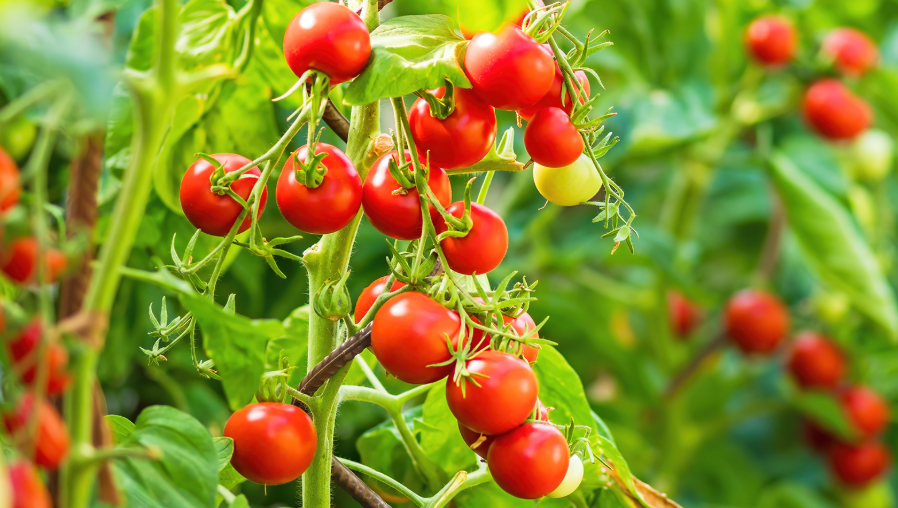
Tomatoes are among the most widely grown garden crops in the world, but the familiar red supermarket tomato represents only a small part of the enormous diversity available to gardeners. Tomatoes come in many shapes, sizes, colors, flavors, and growing habits. Depending on the variety, a tomato may be tiny enough to fit on a fingertip, large enough to weigh several pounds, round, oval, pear-shaped, ribbed, elongated, yellow, orange, pink, purple, green, striped, or nearly black.
The history of cultivated tomatoes is equally fascinating. Modern tomatoes trace their ancestry to wild relatives in western South America, particularly areas around present-day Peru and Ecuador. They were later cultivated and developed extensively in Mesoamerica before spreading to Europe following the Columbian Exchange. Over centuries, gardeners and farmers selected plants for desirable characteristics, eventually producing thousands of named varieties and cultivars.
Today, tomato varieties are commonly grouped according to characteristics such as fruit size, shape, intended use, and growth habit. Cherry and grape tomatoes are popular for fresh eating and containers, while paste tomatoes are valued for sauces and canning. Beefsteak varieties are prized for large, juicy slices, whereas plum and salad tomatoes are versatile kitchen varieties. There are also heirloom tomatoes maintained for generations, modern hybrids bred for disease resistance and productivity, and unusual varieties prized for distinctive colors and shapes.
This guide explores more than 100 notable tomato varieties and cultivars, including their origins and identifying characteristics. The list covers heirloom tomatoes, popular hybrids, cherry tomatoes, beefsteaks, paste tomatoes, plum tomatoes, specialty varieties, and tomatoes developed in different parts of the world. Whether you are choosing tomatoes for a backyard vegetable garden, greenhouse, containers, fresh salads, sandwiches, sauces, or preserving, these varieties provide a useful starting point for discovering the remarkable diversity of the tomato plant.
List of Tomato Varieties
1. Brandywine Tomato
Origin: United States, commonly associated with Pennsylvania
Brandywine is one of the best-known heirloom tomatoes. It is believed to have been maintained by the Amish community in Pennsylvania and became particularly famous among heirloom seed enthusiasts.
Characteristics: Large, pink, beefsteak-type fruits with a rich, old-fashioned tomato flavor. The plants are generally vigorous and indeterminate.
2. Cherokee Purple Tomato
Origin: United States, Tennessee
Cherokee Purple is a famous heirloom variety associated with Tennessee. Its history is linked to seeds reportedly passed down from the Cherokee people.
Characteristics: Large dusky-purple or reddish-purple fruits with a complex, sweet flavor. It is an indeterminate tomato.
3. Black Krim Tomato
Origin: Crimea, Ukraine
Black Krim is an heirloom tomato originating from the Isle of Krim in the Black Sea region.
Characteristics: Medium to large dark reddish-purple fruits that can become almost black under certain growing conditions. The flavor is rich and slightly salty.
4. Mortgage Lifter Tomato
Origin: United States, West Virginia
Mortgage Lifter was developed by radiator repairman Marshall Byles, commonly known as “Radiator Charlie,” in West Virginia.
Characteristics: Large pink fruits, often weighing more than a pound under good conditions. It is known for its vigorous growth and sweet flavor.
5. German Johnson Tomato
Origin: United States
German Johnson is an heirloom variety particularly associated with the southern United States.
Characteristics: Large pink fruits with a smooth texture and balanced flavor. It is often used for slicing.
6. Cherokee Green Tomato
Origin: United States
Cherokee Green is related to the Cherokee Purple tomato and is believed to have originated through selection from that family of heirlooms.
Characteristics: Medium to large green fruits that remain green when ripe, often developing a yellowish hue. The flavor is sweet and rich.
7. Green Zebra Tomato
Origin: United States
Green Zebra was developed by tomato breeder Tom Wagner in the United States and introduced in the 1980s.
Characteristics: Small to medium green fruits marked with darker green stripes. The flavor is bright, tangy, and slightly acidic.
8. Black Prince Tomato
Origin: Siberia, Russia
Black Prince is an heirloom associated with Siberia and is widely grown by gardeners interested in dark-fruited tomatoes.
Characteristics: Medium-sized dark red to brown fruits with a rich flavor. It is generally indeterminate.
9. Paul Robeson Tomato
Origin: United States
Paul Robeson is an heirloom named in honor of the American singer, actor, and civil-rights figure Paul Robeson.
Characteristics: Large dark-colored fruits with a rich, complex flavor and relatively soft flesh.
10. Black Beauty Tomato
Origin: United States
Black Beauty is a modern open-pollinated tomato selected for unusually dark fruit coloration.
Characteristics: Dark reddish-purple to almost black skin with deep red flesh. It is prized for its distinctive appearance and rich flavor.
11. Black from Tula Tomato
Origin: Tula, Russia
Black from Tula is a Russian heirloom associated with the city of Tula.
Characteristics: Large dark fruits with a smoky, complex flavor. It is particularly popular among heirloom growers.
12. Black Sea Man Tomato
Origin: Russia
Black Sea Man is a Russian heirloom that is particularly useful for gardeners interested in compact plants.
Characteristics: Dark red to brown fruits and relatively compact growth, making it suitable for containers.
13. Anna Russian Tomato
Origin: Russia
Anna Russian is an heirloom believed to have Russian origins and was later circulated among North American gardeners.
Characteristics: Pink, heart-shaped fruits with a mild, sweet flavor. It is an indeterminate variety.
14. Russian 117 Tomato
Origin: Russia
Russian 117 is an heirloom variety associated with Russian tomato-growing traditions.
Characteristics: Large, pink-red, often irregularly shaped fruits with meaty flesh.
15. Azoychka Tomato
Origin: Russia
Azoychka is a Russian heirloom known for its distinctive yellow color.
Characteristics: Medium to large golden-yellow fruits with a mild, citrus-like flavor.
16. Aunt Ruby’s German Green Tomato
Origin: Germany
Aunt Ruby’s German Green is associated with German heritage and was preserved and popularized in the United States.
Characteristics: Large green fruits that remain green when ripe. The flavor is sweet, rich, and slightly spicy.
17. German Pink Tomato
Origin: Germany
German Pink is an heirloom associated with German immigrant gardening traditions in North America.
Characteristics: Large pink fruits with dense flesh and a traditional tomato flavor.
18. Eva Purple Ball Tomato
Origin: Germany
Eva Purple Ball is believed to have German origins and was preserved by American heirloom seed collectors.
Characteristics: Smooth, round, pink-purple fruits with excellent slicing qualities.
19. Stupice Tomato
Origin: Czech Republic
Stupice is an early tomato from the Czech region and has become popular with gardeners in cooler climates.
Characteristics: Small to medium red fruits, early maturity, and good flavor.
20. Moravsky Div Tomato
Origin: Czech Republic
Moravsky Div is a Czech heirloom whose name is associated with Moravia.
Characteristics: Small to medium red fruits with a sweet flavor and relatively early production.
21. Costoluto Genovese Tomato
Origin: Italy
Costoluto Genovese is a traditional Italian heirloom from the Genoa region.
Characteristics: Large, deeply ribbed red fruits with meaty flesh. It is particularly useful for sauces and slicing.
22. San Marzano Tomato
Origin: Italy
San Marzano is traditionally associated with the Campania region of southern Italy, particularly the area around San Marzano sul Sarno.
Characteristics: Elongated plum-shaped fruits with relatively thick flesh and fewer seeds, making them highly valued for sauces.
23. Roma Tomato
Origin: United States
Roma was developed in the United States and became one of the best-known commercial plum tomato types.
Characteristics: Oval red fruits with meaty flesh and relatively low moisture. Excellent for sauces, paste, cooking, and preserving.
24. Amish Paste Tomato
Origin: United States, Pennsylvania
Amish Paste is an heirloom associated with Amish communities in Pennsylvania.
Characteristics: Large elongated or heart-shaped red fruits with meaty flesh. It is widely used for sauces and paste.
25. Opalka Tomato
Origin: Poland
Opalka is a Polish heirloom tomato.
Characteristics: Long, pepper-shaped red fruits with dense flesh and relatively few seeds. Excellent for sauces.
26. Polish Linguisa Tomato
Origin: Poland
Polish Linguisa is a traditional Polish-type paste tomato.
Characteristics: Long, sausage-shaped red fruits with meaty flesh.
27. Principe Borghese Tomato
Origin: Italy
Principe Borghese is a traditional Italian tomato.
Characteristics: Small plum-shaped red fruits often used for drying, sauces, and preserving.
28. Pantano Romanesco Tomato
Origin: Italy
Pantano Romanesco comes from the Rome region of Italy.
Characteristics: Large, flattened, ribbed red fruits with juicy flesh.
29. Cuore di Bue Tomato
Origin: Italy
Cuore di Bue, meaning “ox heart,” is an Italian heart-shaped tomato type.
Characteristics: Large, pink or reddish fruits with meaty flesh and relatively few seeds.
30. Italian Heirloom Tomato
Origin: Italy
Italian Heirloom refers to traditional Italian tomato lines rather than one single genetically uniform cultivar.
Characteristics: Large, flattened, ribbed fruits with rich flavor.
31. Moneymaker Tomato
Origin: United Kingdom
Moneymaker was developed in England and became a popular garden tomato in Britain.
Characteristics: Medium-sized red fruits produced in clusters. It is known for reliable production.
32. Gardener’s Delight Tomato
Origin: Germany
Gardener’s Delight is a German heirloom that has become popular internationally.
Characteristics: Sweet red cherry-type fruits produced in long clusters.
33. German Lunchbox Tomato
Origin: Germany
German Lunchbox is an heirloom associated with German tomato-growing traditions.
Characteristics: Small to medium elongated pink fruits with a sweet flavor.
34. Black Cherry Tomato
Origin: United States
Black Cherry is a modern open-pollinated variety developed in the United States.
Characteristics: Round dark cherry tomatoes with rich, sweet flavor.
35. Sungold Tomato
Origin: Japan
Sungold was developed by the Japanese seed company Tokita Seed.
Characteristics: Bright orange-gold cherry fruits with an exceptionally sweet and fruity flavor.
36. Sweet 100 Tomato
Origin: United States
Sweet 100 is a popular hybrid developed for high production.
Characteristics: Small red cherry fruits produced in large clusters. The fruits are very sweet.
37. Sweet Million Tomato
Origin: United States
Sweet Million is a hybrid developed as a productive cherry tomato.
Characteristics: Numerous small red fruits with sweet flavor.
38. Super Sweet 100 Tomato
Origin: United States
Super Sweet 100 is a hybrid selected for sweetness and productivity.
Characteristics: Long clusters of small red cherry tomatoes with high sugar content.
39. Yellow Pear Tomato
Origin: Europe
Yellow Pear is an old tomato type with a long history in European cultivation.
Characteristics: Small yellow pear-shaped fruits with mild, sweet flavor.
40. Red Pear Tomato
Origin: Europe
Red Pear is a traditional European tomato type.
Characteristics: Small red pear-shaped fruits suitable for fresh eating and salads.
41. Black Plum Tomato
Origin: United States
Black Plum is an open-pollinated variety popular among gardeners seeking dark paste tomatoes.
Characteristics: Small elongated dark reddish-brown fruits with rich flavor.
42. Chocolate Cherry Tomato
Origin: United States
Chocolate Cherry is a modern open-pollinated variety.
Characteristics: Small mahogany-colored cherry fruits with sweet, complex flavor.
43. Isis Candy Tomato
Origin: United States
Isis Candy is an American heirloom-type cherry tomato.
Characteristics: Small round fruits with red and orange coloration and attractive striping.
44. Blondkopfchen Tomato
Origin: Germany
Blondkopfchen means “little blonde girl” in German.
Characteristics: Small yellow cherry tomatoes produced in large clusters. It is known for vigorous growth and sweet flavor.
45. Currant Tomato
Origin: South America
Currant tomatoes belong to very small-fruited tomato types closely related to wild tomatoes of South America.
Characteristics: Tiny fruits, often less than an inch across, produced in large clusters.
46. Matt’s Wild Cherry Tomato
Origin: Mexico
Matt’s Wild Cherry was selected from wild tomato populations in Mexico.
Characteristics: Very small red cherry fruits with intense sweetness.
47. Chadwick Cherry Tomato
Origin: United States
Chadwick Cherry was developed and popularized by American gardener Alan Chadwick.
Characteristics: Large cherry fruits with a rich flavor.
48. Juliet Tomato
Origin: United States
Juliet is a modern hybrid developed for productivity and fruit quality.
Characteristics: Small elongated red fruits that are useful for salads, cooking, and preserving.
49. Sweetie Tomato
Origin: United States
Sweetie is an open-pollinated cherry tomato variety.
Characteristics: Small red fruits with high sweetness and a pleasant fresh flavor.
50. Tiny Tim Tomato
Origin: United States
Tiny Tim is a compact dwarf tomato developed for small growing spaces.
Characteristics: Small red fruits produced on short plants. It is well suited to containers.
51. Micro Tom Tomato
Origin: United States
Micro Tom was developed through tomato breeding programs in the United States.
Characteristics: One of the smallest cultivated tomato plants, producing tiny red fruits. It is particularly suitable for containers and indoor experiments.
52. Patio Tomato
Origin: United States
Patio is a compact tomato cultivar developed for container and small-space gardening.
Characteristics: Compact plants with small to medium red fruits.
53. Celebrity Tomato
Origin: United States
Celebrity is a popular hybrid developed for gardeners seeking reliable production.
Characteristics: Medium-sized red fruits with good disease resistance and a balanced flavor.
54. Better Boy Tomato
Origin: United States
Better Boy was developed by Burpee and became a widely grown garden hybrid.
Characteristics: Large red slicing tomatoes produced on vigorous indeterminate plants.
55. Big Boy Tomato
Origin: United States
Big Boy was introduced by Burpee in the mid-20th century.
Characteristics: Large, smooth, red fruits with juicy flesh.
56. Early Girl Tomato
Origin: United States
Early Girl was introduced as an early-producing hybrid and became widely popular among home gardeners.
Characteristics: Medium-sized red fruits that mature earlier than many large tomato varieties.
57. Beefmaster Tomato
Origin: United States
Beefmaster is a hybrid developed for very large fruits.
Characteristics: Large red beefsteak tomatoes with meaty flesh.
58. Big Beef Tomato
Origin: United States
Big Beef is a modern hybrid developed for large fruit size and reliable garden performance.
Characteristics: Large red fruits with good slicing quality.
59. Beefsteak Tomato
Origin: North America and Europe
Beefsteak is a broad category rather than one individual cultivar.
Characteristics: Very large, fleshy tomatoes often used for sandwiches, burgers, and slicing.
60. Mortgage Lifter Pink Tomato
Origin: United States
This is another reference to the famous Mortgage Lifter heirloom type associated with West Virginia.
Characteristics: Large pink fruits and vigorous indeterminate plants.
61. Rutgers Tomato
Origin: United States, New Jersey
Rutgers was developed by Rutgers University in New Jersey and became an important American tomato.
Characteristics: Medium-sized red fruits with excellent flavor and versatility.
62. Marglobe Tomato
Origin: United States
Marglobe was developed in the United States and became important for commercial tomato production.
Characteristics: Round red fruits and relatively good disease resistance.
63. Homestead Tomato
Origin: United States
Homestead was developed for warm climates and has been particularly associated with southern U.S. gardening.
Characteristics: Medium to large red fruits with good heat tolerance.
64. Arkansas Traveler Tomato
Origin: United States, Arkansas
Arkansas Traveler is an heirloom developed in Arkansas.
Characteristics: Pink-red medium-sized fruits with good flavor and reputation for performing well in hot conditions.
65. Celebrity Pink Tomato
Origin: United States
Celebrity Pink is associated with American breeding and heirloom-style tomato production.
Characteristics: Pink fruits with a sweet, mild flavor.
66. Dixie Golden Giant Tomato
Origin: United States
Dixie Golden Giant is an American heirloom.
Characteristics: Large yellow fruits with sweet, mild flavor.
67. Kellogg’s Breakfast Tomato
Origin: United States
Kellogg’s Breakfast is an heirloom associated with Michigan.
Characteristics: Large orange fruits with a sweet, fruity flavor.
68. Golden Jubilee Tomato
Origin: United States
Golden Jubilee is an American heirloom developed in the early 20th century.
Characteristics: Large golden-yellow fruits with mild, sweet flavor.
69. Mortgage Lifter Yellow Tomato
Origin: United States
Yellow Mortgage Lifter represents a yellow-fruited form of the Mortgage Lifter tradition.
Characteristics: Large yellow fruits with mild flavor.
70. Pineapple Tomato
Origin: United States
Pineapple is an heirloom variety maintained by American gardeners.
Characteristics: Large yellow-orange fruits often streaked with red inside. It has a sweet, fruity flavor.
71. Hillbilly Tomato
Origin: United States, West Virginia
Hillbilly is an heirloom associated with West Virginia.
Characteristics: Large yellow-orange fruits with red streaks and a sweet flavor.
72. Mortgage Lifter Orange Tomato
Origin: United States
This orange-fruited tomato belongs to the broader family of Mortgage Lifter selections.
Characteristics: Large orange fruits with sweet, mild flavor.
73. Yellow Brandywine Tomato
Origin: United States
Yellow Brandywine is a yellow-fruited heirloom related to the Brandywine tradition.
Characteristics: Large yellow fruits with rich flavor and soft texture.
74. White Wonder Tomato
Origin: United States
White Wonder is an heirloom selected for pale-colored fruits.
Characteristics: Creamy white to pale yellow fruits with mild, sweet flavor.
75. Great White Tomato
Origin: United States
Great White is an American heirloom-type tomato.
Characteristics: Large pale yellow to creamy white fruits with a mild, fruity flavor.
76. Evergreen Tomato
Origin: United States
Evergreen is an heirloom tomato known for maintaining its green coloration when ripe.
Characteristics: Medium to large green fruits with sweet, slightly fruity flavor.
77. Green Giant Tomato
Origin: United States
Green Giant is a large-fruited heirloom-type tomato.
Characteristics: Large green fruits with rich, sweet flavor.
78. Green Moldovan Tomato
Origin: Moldova
Green Moldovan is associated with Moldova in Eastern Europe.
Characteristics: Medium to large green fruits with sweet and fruity flavor.
79. Green Pineapple Tomato
Origin: United States
Green Pineapple is a selected heirloom type related to pineapple-colored tomatoes.
Characteristics: Large green fruits with attractive internal coloration and sweet flavor.
80. Emerald Evergreen Tomato
Origin: United States
Emerald Evergreen is an heirloom-type green tomato.
Characteristics: Medium-sized green fruits with a sweet, mild flavor.
81. Black Prince Tomato
Origin: Russia
Black Prince is a Russian heirloom particularly valued for its dark coloration.
Characteristics: Medium-sized dark fruits and rich flavor.
82. Black Zebra Tomato
Origin: United States
Black Zebra is a modern specialty tomato associated with American tomato breeding.
Characteristics: Dark fruits with contrasting green striping.
83. Chocolate Stripes Tomato
Origin: United States
Chocolate Stripes is an American heirloom-type tomato.
Characteristics: Large reddish-brown fruits with green striping and rich flavor.
84. Berkeley Tie-Dye Tomato
Origin: United States
Berkeley Tie-Dye was developed in California.
Characteristics: Large flattened fruits with striking green, red, orange, and brown coloration.
85. Big Rainbow Tomato
Origin: United States
Big Rainbow is an American heirloom.
Characteristics: Large yellow-orange fruits with red or pink coloration inside and a sweet flavor.
86. Mr. Stripey Tomato
Origin: United States
Mr. Stripey is an heirloom tomato popular among American gardeners.
Characteristics: Large yellow fruits with red-orange striping.
87. Striped German Tomato
Origin: Germany
Striped German is an heirloom associated with German tomato traditions.
Characteristics: Large flattened fruits with orange-yellow and red striping.
88. Tigerella Tomato
Origin: United Kingdom
Tigerella is associated with British tomato breeding.
Characteristics: Medium red fruits with distinctive orange-yellow stripes.
89. Hillbilly Potato Leaf Tomato
Origin: United States
Hillbilly is a traditional American heirloom.
Characteristics: Large yellow-orange fruits with red striping and attractive potato-leaf foliage.
90. Amish Gold Tomato
Origin: United States
Amish Gold is associated with Amish gardening traditions.
Characteristics: Golden-yellow fruits with a sweet, mild flavor.
91. Orange Banana Tomato
Origin: United States
Orange Banana is an elongated heirloom-type tomato.
Characteristics: Long orange fruits with meaty flesh and a sweet flavor.
92. Banana Legs Tomato
Origin: United States
Banana Legs is a modern open-pollinated tomato variety.
Characteristics: Small elongated yellow fruits produced in clusters.
93. Cream Sausage Tomato
Origin: United States
Cream Sausage is an American open-pollinated tomato.
Characteristics: Small elongated cream-colored fruits, particularly useful for salads and snacking.
94. Speckled Roman Tomato
Origin: United States
Speckled Roman was developed by Jeff Dawson in California.
Characteristics: Long red paste-type fruits with golden-orange striping.
95. Federle Tomato
Origin: United States
Federle is an heirloom-type tomato grown primarily for its distinctive elongated fruits.
Characteristics: Large, long red fruits with meaty flesh and relatively few seeds.
96. Howard German Tomato
Origin: United States
Howard German is an heirloom associated with German-American gardening traditions.
Characteristics: Large pink fruits with rich flavor.
97. Kosovo Tomato
Origin: Kosovo / Balkans
Kosovo is an heirloom tomato associated with the Balkan region.
Characteristics: Large pink, heart-shaped fruits with meaty flesh.
98. Bulgarian Triumph Tomato
Origin: Bulgaria
Bulgarian Triumph is associated with Bulgaria and Eastern European tomato traditions.
Characteristics: Medium to large red fruits with good flavor.
99. Black Russian Tomato
Origin: Russia
Black Russian is an heirloom-type tomato associated with Russian tomato-growing traditions.
Characteristics: Dark red to brown fruits with rich flavor.
100. Japanese Black Trifele Tomato
Origin: Russia, despite its name
Japanese Black Trifele is an heirloom tomato believed to have Russian origins rather than Japanese origins.
Characteristics: Dark pear-shaped fruits with rich, complex flavor.
101. Black Elephant Tomato
Origin: Russia
Black Elephant is associated with Russian heirloom tomato traditions.
Characteristics: Large dark reddish-brown fruits with a rich flavor.
102. Carbon Tomato
Origin: United States
Carbon is an American heirloom developed through selection from dark-fruited tomato lines.
Characteristics: Large dusky-purple fruits with excellent flavor.
103. Cherokee Chocolate Tomato
Origin: United States
Cherokee Chocolate is a dark-fruited tomato developed from the Cherokee Purple family.
Characteristics: Medium to large brownish-purple fruits with rich flavor.
104. Cherokee Carbon Tomato
Origin: United States
Cherokee Carbon is a dark-fruited tomato developed through selection from Cherokee Purple and Carbon-related lines.
Characteristics: Large dark fruits with complex flavor.
105. Indigo Rose Tomato
Origin: United States
Indigo Rose was developed at Oregon State University.
Characteristics: Small to medium fruits with dark purple coloration where exposed to sunlight and red interiors when ripe.
106. Blue Beauty Tomato
Origin: United States
Blue Beauty was developed by tomato breeder Brad Gates in California.
Characteristics: Medium to large fruits with dark anthocyanin coloration on the shoulders and red interiors.
107. Brad’s Atomic Grape Tomato
Origin: United States
Brad’s Atomic Grape was developed by California tomato breeder Brad Gates.
Characteristics: Small elongated fruits with dramatic purple, green, red, orange, and striped coloration.
108. Atomic Fusion Tomato
Origin: United States
Atomic Fusion is associated with specialty tomato breeding in California.
Characteristics: Elongated multicolored fruits with striking stripes and complex coloration.
109. Artisan Blush Tomato
Origin: United States
Artisan Blush was developed as part of specialty tomato breeding in the United States.
Characteristics: Small elongated pink-orange fruits with attractive striping.
110. Artisan Bumble Bee Tomato
Origin: United States
Artisan Bumble Bee is a specialty tomato developed in the United States.
Characteristics: Small red fruits with attractive golden striping.
111. Sunrise Bumble Bee Tomato
Origin: United States
Sunrise Bumble Bee is a specialty open-pollinated tomato.
Characteristics: Small orange fruits with red striping.
112. Pink Bumble Bee Tomato
Origin: United States
Pink Bumble Bee is part of a group of striped specialty tomatoes developed in the United States.
Characteristics: Small pink fruits with golden striping.
113. Purple Bumble Bee Tomato
Origin: United States
Purple Bumble Bee is a specialty cherry tomato.
Characteristics: Small dark purple-red fruits with green striping.
114. Chocolate Sprinkles Tomato
Origin: United States
Chocolate Sprinkles is a modern specialty cherry tomato.
Characteristics: Small dark red-brown fruits with green striping and sweet flavor.
115. Blue Berry Tomato
Origin: United States
Blue Berry is a specialty tomato developed through modern breeding.
Characteristics: Small dark fruits with anthocyanin-rich coloration.
116. Indigo Kumquat Tomato
Origin: United States
Indigo Kumquat is a specialty tomato selected for unusual coloration and small fruit size.
Characteristics: Small golden-orange fruits with dark shoulders.
117. Yellow Currant Tomato
Origin: South America
Yellow currant tomatoes are related to wild tomato types native to South America.
Characteristics: Tiny yellow fruits produced in large clusters.
118. Red Currant Tomato
Origin: South America
Red currant tomatoes are closely related to wild South American tomato populations.
Characteristics: Tiny red fruits with intense tomato flavor.
119. White Currant Tomato
Origin: South America
White currant tomatoes are small-fruited tomato types related to wild South American tomatoes.
Characteristics: Tiny pale fruits with a sweet flavor.
120. Matt’s Wild Cherry Tomato
Origin: Mexico
Matt’s Wild Cherry originated from wild tomato material collected in Mexico.
Characteristics: Tiny red fruits with very sweet flavor and prolific production.
Main Types of Tomato Varieties
Tomato varieties can also be grouped according to fruit type and their most common garden uses.
Cherry Tomatoes
Cherry tomatoes are small-fruited varieties usually valued for their sweetness and convenience. Popular examples include:
- Sungold
- Sweet 100
- Super Sweet 100
- Sweet Million
- Black Cherry
- Chocolate Cherry
- Gardener’s Delight
- Matt’s Wild Cherry
- Yellow Pear
- Blondkopfchen
- Sunrise Bumble Bee
- Pink Bumble Bee
- Purple Bumble Bee
- Red Currant
- Yellow Currant
They are excellent for salads, snacks, containers, and fresh eating.
Grape Tomatoes
Grape tomatoes generally have elongated, oval fruits and tend to have firmer flesh than many cherry varieties.
Popular examples include:
- Juliet
- Brad’s Atomic Grape
- Chocolate Sprinkles
- Artisan Blush
- Artisan Bumble Bee
They work well in salads, lunch boxes, roasting, and fresh snacks.
Beefsteak Tomatoes
Beefsteak tomatoes are generally large and fleshy.
Popular examples include:
- Brandywine
- Cherokee Purple
- Mortgage Lifter
- Big Boy
- Better Boy
- Big Beef
- Beefmaster
- German Johnson
- Carbon
- Great White
- Pineapple
- Big Rainbow
They are especially good for slicing.
Paste Tomatoes
Paste tomatoes are generally meaty and contain less juice than many slicing tomatoes.
Popular examples include:
- San Marzano
- Roma
- Amish Paste
- Opalka
- Polish Linguisa
- Principe Borghese
- Speckled Roman
- Black Plum
- Federle
They are excellent for sauces, tomato paste, soups, drying, and preserving.
Plum Tomatoes
Plum tomatoes typically have oval or elongated fruits.
Examples include:
- Roma
- San Marzano
- Opalka
- Juliet
- Polish Linguisa
- Principe Borghese
- Speckled Roman
Heirloom Tomatoes
Heirloom tomatoes are generally traditional varieties that have been maintained through seed saving over generations. Examples include:
- Brandywine
- Cherokee Purple
- Black Krim
- Mortgage Lifter
- Green Zebra
- Aunt Ruby’s German Green
- Costoluto Genovese
- German Pink
- Eva Purple Ball
- Pineapple
- Hillbilly
- Kellogg’s Breakfast
- Black from Tula
Hybrid Tomatoes
Hybrid tomatoes are produced by crossing selected parent lines to combine desirable characteristics.
Popular hybrids include:
- Celebrity
- Early Girl
- Big Beef
- Better Boy
- Big Boy
- Beefmaster
- Sweet 100
- Sweet Million
- Super Sweet 100
- Juliet
Hybrid tomatoes may be selected for characteristics such as productivity, uniformity, disease resistance, early maturity, or fruit quality.
Determinate vs. Indeterminate Tomato Varieties
Another important way to classify tomatoes is by plant growth habit.
Determinate Tomatoes
Determinate tomatoes grow to a relatively defined size and produce much of their crop over a shorter period.
They are often useful for:
- Containers
- Small gardens
- Raised beds
- Gardeners who want a concentrated harvest
- Canning projects
Examples include many compact and patio-type tomatoes.
Indeterminate Tomatoes
Indeterminate tomatoes continue growing and producing fruit throughout the growing season when conditions remain favorable.
They often require:
- Stakes
- Cages
- Trellises
- Regular pruning or training, depending on the variety and growing system
Many beefsteak and heirloom varieties are indeterminate.
Dwarf and Container Tomato Varieties
Gardeners with balconies, patios, or limited garden space can choose compact varieties.
Popular options include:
- Tiny Tim
- Micro Tom
- Patio
- Black Sea Man
- Other dwarf and compact cultivars
These tomatoes can be grown in suitable containers provided they receive adequate sunlight, moisture, nutrients, and support.
Tomato Varieties by Color
Tomatoes are not limited to red. Their mature fruit can occur in many colors.
Red Tomatoes
Examples include:
- Roma
- Rutgers
- Early Girl
- Big Beef
- Celebrity
- San Marzano
- Sweet 100
Pink Tomatoes
Examples include:
- Brandywine
- Cherokee Purple
- German Pink
- Mortgage Lifter
- Eva Purple Ball
Yellow Tomatoes
Examples include:
- Yellow Pear
- Azoychka
- Golden Jubilee
- Dixie Golden Giant
- Kellogg’s Breakfast
Orange Tomatoes
Examples include:
- Sungold
- Kellogg’s Breakfast
- Orange Banana
- Pineapple
Green Tomatoes
Examples include:
- Green Zebra
- Aunt Ruby’s German Green
- Evergreen
- Green Giant
- Cherokee Green
Black or Dark Tomatoes
Examples include:
- Black Krim
- Black Prince
- Black Cherry
- Carbon
- Black from Tula
- Indigo Rose
Striped Tomatoes
Examples include:
- Green Zebra
- Tigerella
- Berkeley Tie-Dye
- Chocolate Stripes
- Striped German
- Brad’s Atomic Grape
How to Choose the Best Tomato Variety
The best tomato variety depends on what you want to do with the harvest.
For fresh salads, cherry, grape, and small salad tomatoes are excellent choices. Sungold, Black Cherry, Sweet 100, and Gardener’s Delight are popular examples.
For sandwiches and slicing, choose large tomatoes with substantial flesh. Brandywine, Cherokee Purple, Big Beef, Better Boy, and Mortgage Lifter are well-known choices.
For sauces and preserving, paste varieties are generally more convenient because their flesh is dense and they contain less water. San Marzano, Roma, Amish Paste, Opalka, and Principe Borghese are popular examples.
For small gardens and containers, look for dwarf or determinate varieties. Tiny Tim, Micro Tom, and Patio are examples of compact tomatoes.
For unusual colors, varieties such as Green Zebra, Black Krim, Pineapple, Great White, Indigo Rose, and Brad’s Atomic Grape can add considerable visual interest to a garden.
Frequently Asked Questions About Tomato Varieties
How many tomato varieties are there?
There are thousands of named tomato cultivars and varieties worldwide. New selections continue to be developed while gardeners and seed organizations preserve older heirlooms.
What is the most popular tomato variety?
There is no single universally most popular variety because preferences differ by country, climate, growing system, and intended use. Roma, Celebrity, Early Girl, Big Boy, Better Boy, Brandywine, and various cherry tomatoes are widely grown.
Which tomato varieties are best for beginners?
Reliable, productive varieties such as Celebrity, Early Girl, Roma, and several compact cherry tomatoes can be good starting choices. The best choice also depends on local climate and disease pressure.
What is the sweetest tomato variety?
Sweetness varies with growing conditions and individual fruit, but varieties such as Sungold, Super Sweet 100, Sweet 100, Sweet Million, and several cherry tomatoes are particularly known for sweet flavor.
Which tomato varieties are best for sauce?
Paste tomatoes such as San Marzano, Roma, Amish Paste, Opalka, and Principe Borghese are commonly used for sauce because their fruits tend to have dense flesh and comparatively less juice.
Which tomatoes are best for salads?
Cherry and grape tomatoes are particularly convenient for salads. Sungold, Black Cherry, Sweet 100, Juliet, Yellow Pear, and various Bumble Bee tomatoes are popular choices.
What are heirloom tomatoes?
Heirloom tomatoes are traditional varieties that have been preserved through seed saving over generations. They often have distinctive colors, shapes, flavors, and histories.
What is the difference between heirloom and hybrid tomatoes?
An heirloom generally refers to a traditional variety maintained over generations, while a hybrid is produced by intentionally crossing selected parent lines. Hybrid does not automatically mean inferior flavor, and heirloom does not automatically mean superior performance.
Which tomato varieties grow well in containers?
Compact and dwarf varieties are usually the easiest choices for containers. Tiny Tim, Micro Tom, Patio, and other dwarf cultivars are especially suitable for small growing spaces.
Why are some tomatoes black, purple, yellow, or green?
Tomato color is determined largely by genetics and pigments in the fruit. Different varieties produce different combinations of chlorophyll, carotenoids, and anthocyanins, resulting in colors ranging from green and yellow to orange, pink, red, purple, and very dark shades.
Tomato Varieties at a Glance
| Tomato variety | Origin | General type |
|---|---|---|
| Brandywine | United States | Beefsteak heirloom |
| Cherokee Purple | United States | Large heirloom |
| Black Krim | Crimea/Ukraine | Dark heirloom |
| Mortgage Lifter | United States | Beefsteak |
| Green Zebra | United States | Green striped |
| Black Prince | Russia | Dark heirloom |
| Costoluto Genovese | Italy | Ribbed heirloom |
| San Marzano | Italy | Paste |
| Roma | United States | Plum/paste |
| Amish Paste | United States | Paste |
| Opalka | Poland | Paste |
| Principe Borghese | Italy | Drying/paste |
| Moneymaker | United Kingdom | Slicing |
| Gardener’s Delight | Germany | Cherry |
| Black Cherry | United States | Cherry |
| Sungold | Japan | Cherry |
| Sweet 100 | United States | Cherry |
| Yellow Pear | Europe | Pear |
| Tiny Tim | United States | Dwarf |
| Micro Tom | United States | Dwarf |
| Celebrity | United States | Hybrid slicing |
| Better Boy | United States | Large slicing |
| Big Boy | United States | Large slicing |
| Early Girl | United States | Early slicing |
| Beefmaster | United States | Beefsteak |
| Big Beef | United States | Beefsteak |
| Rutgers | United States | Slicing |
| Arkansas Traveler | United States | Heirloom |
| Kellogg’s Breakfast | United States | Orange heirloom |
| Golden Jubilee | United States | Yellow heirloom |
| Pineapple | United States | Large heirloom |
| Hillbilly | United States | Bicolor heirloom |
| Evergreen | United States | Green heirloom |
| Carbon | United States | Dark heirloom |
| Indigo Rose | United States | Dark specialty |
| Blue Beauty | United States | Dark specialty |
| Brad’s Atomic Grape | United States | Multicolored grape |
| Juliet | United States | Grape/plum |
| Speckled Roman | United States | Paste |
| Polish Linguisa | Poland | Paste |
| Cuore di Bue | Italy | Oxheart |
| Pantano Romanesco | Italy | Ribbed heirloom |
| Stupice | Czech Republic | Early heirloom |
| Anna Russian | Russia | Oxheart |
| Black from Tula | Russia | Dark heirloom |
| Aunt Ruby’s German Green | Germany | Green heirloom |
| German Pink | Germany | Pink heirloom |
| Eva Purple Ball | Germany | Pink heirloom |
| Matt’s Wild Cherry | Mexico | Cherry |
| Yellow Currant | South America | Currant |
| Red Currant | South America | Currant |
| Blondkopfchen | Germany | Yellow cherry |
| Chocolate Cherry | United States | Cherry |
| Tigerella | United Kingdom | Striped |
| Berkeley Tie-Dye | United States | Bicolor heirloom |
| Striped German | Germany | Bicolor heirloom |
Final Thoughts
The diversity of tomato varieties makes it possible to find a tomato for almost every type of garden and culinary purpose. From tiny currant and cherry tomatoes to enormous beefsteaks, from traditional Italian paste tomatoes to colorful American heirlooms, each type offers something different.
When selecting a variety, consider more than fruit color or appearance. Think about your growing space, local climate, disease pressure, maturity time, plant size, intended use, and whether you want a concentrated harvest or tomatoes throughout the season. With the right varieties, a single garden can produce an impressive range of colors, shapes, flavors, and textures.