How I Grew Better Tomatoes by Changing Just Five Things: A Practical Guide Based on Observation and Gardening Science
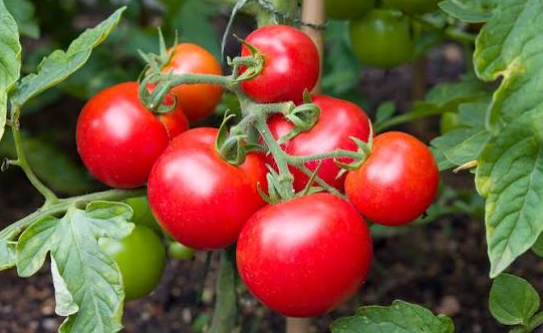
Most tomato-growing guides tell you to “plant in full sun, water regularly, and fertilize.” While that’s true, those tips alone don’t explain why one gardener harvests hundreds of healthy tomatoes while another ends up with diseased plants producing only a handful of fruit.
Over several growing seasons, one lesson becomes clear: tomatoes reward consistency more than perfection. Small decisions made every week matter far more than expensive fertilizers or miracle products.
This guide combines proven horticultural principles with practical observations that many home gardeners only learn after years of trial and error.
1. Healthy Soil Matters More Than Expensive Fertilizer
The biggest mistake many gardeners make is focusing on feeding the plant instead of feeding the soil.
Tomatoes grow best in loose, well-drained soil rich in organic matter. Compost improves water retention, encourages beneficial microorganisms, and releases nutrients gradually throughout the growing season.
Before planting:
- Mix 2–4 inches of finished compost into the top 8–10 inches of soil.
- Ensure the soil pH is between 6.2 and 6.8.
- Remove stones and compacted soil that can restrict root growth.
A healthy root system is the foundation of a productive tomato plant.
2. Plant Deep—Much Deeper Than You Think
Unlike most vegetables, tomatoes develop roots along buried stems.
Instead of planting the seedling at the same depth as the nursery container, remove the lower leaves and bury two-thirds of the stem.
The result is a much larger root system that:
- absorbs water more efficiently,
- withstands drought better,
- supports heavier fruit production.
This single technique often makes a greater difference than adding extra fertilizer.
3. Water the Soil, Never the Leaves
Many tomato diseases begin with moisture sitting on leaves.
Watering should:
- happen early in the morning,
- soak the root zone deeply,
- avoid splashing soil onto foliage.
Deep watering encourages roots to grow downward instead of remaining near the surface.
Rather than watering every day, aim for fewer but deeper watering sessions depending on weather and soil type.
4. Mulch Is One of the Most Underrated Tools
After the soil warms, apply 2–3 inches of organic mulch such as:
- straw,
- shredded leaves,
- untreated grass clippings,
- pine needles.
Mulch helps by:
- reducing evaporation,
- suppressing weeds,
- preventing soil from splashing onto leaves,
- moderating soil temperature.
Gardeners often notice healthier plants after mulching, even without increasing fertilizer.
5. Prune With a Purpose
Not every tomato should be pruned the same way.
Indeterminate varieties
These continue growing throughout the season and benefit from removing selected suckers to improve airflow and direct energy toward fruit production.
Determinate varieties
These naturally stop growing after reaching a certain height. Heavy pruning can reduce harvests because many flowers form at the ends of branches.
Knowing which type you’re growing prevents accidental yield loss.
Also Read: Difference Between Determinate and Indeterminate tomatoes
6. Feed Tomatoes in Stages
Tomatoes require different nutrients during different growth stages.
Early Growth
Nitrogen supports healthy leaves and stems.
Flowering
Excess nitrogen during flowering can produce lush foliage with few tomatoes.
Fruit Development
Potassium becomes increasingly important for fruit size, quality, and ripening.
Balanced fertilization usually outperforms frequent heavy feeding.
7. Watch the Plant Every Day
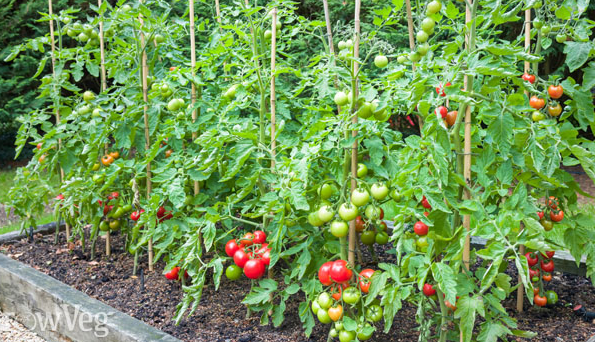
One of the most valuable habits isn’t fertilizing or watering—it’s observing.
Spend five minutes daily looking for:
- curled leaves,
- yellowing foliage,
- insect damage,
- blossom drop,
- discoloration,
- cracked fruit.
Problems detected early are almost always easier to solve.
8. Give Plants Room to Breathe
Crowded tomatoes stay wet longer after rain or watering.
Poor airflow increases the likelihood of fungal diseases.
Typical spacing recommendations are:
- 18–24 inches for compact varieties,
- 24–36 inches for larger indeterminate plants,
- wider spacing in humid climates.
Air circulation is one of the cheapest disease prevention strategies available.
9. Harvest More Often Than You Think
Tomatoes left on the vine after reaching mature color continue using the plant’s energy.
Regular harvesting:
- encourages continued flowering,
- reduces fruit cracking,
- lowers the chance of pest damage.
Checking plants every two or three days during peak season often results in a larger overall harvest.
10. Keep Notes Every Season
Experienced gardeners rarely rely on memory.
A simple notebook recording:
- planting date,
- variety,
- fertilizer schedule,
- rainfall,
- disease outbreaks,
- harvest quantities,
becomes one of the most valuable gardening tools over time.
Patterns emerge after a few seasons, helping you improve year after year.
Also Read: Different Types of Yellow Tomatoes
Five Lessons That Made the Biggest Difference
Looking back, the practices that consistently produced healthier tomato plants were surprisingly simple:
- Building healthy soil before planting.
- Planting seedlings deeply.
- Watering deeply instead of frequently.
- Mulching to stabilize moisture and reduce disease.
- Inspecting plants regularly instead of reacting after problems appeared.
Growing excellent tomatoes isn’t about finding a secret fertilizer or expensive product. It’s about creating the right conditions, paying attention to your plants, and making small adjustments before minor issues become major ones.
When those fundamentals are in place, tomatoes are remarkably productive, rewarding gardeners with abundant harvests throughout the growing season.