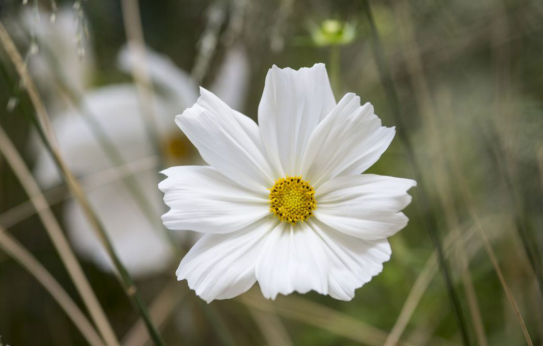
Cosmos Flowers Thrive When You Stop Treating Them Like Delicate Garden Plants: A Practical Guide to Growing and Caring for Cosmos
Few flowers offer as much beauty for so little effort as cosmos (Cosmos bipinnatus and Cosmos sulphureus). Their delicate, daisy-like blooms dance above airy foliage, attracting butterflies, bees, and other beneficial insects while adding movement and color to any garden.
Yet many gardeners unintentionally make cosmos harder to grow than they need to be. Rich soil, excessive watering, and too much fertilizer—practices that benefit many flowering plants—can actually reduce blooming and leave cosmos tall, weak, and floppy.
The secret to growing spectacular cosmos isn’t giving them more attention. It’s understanding the conditions they’ve evolved to thrive in and knowing when to step back.
This guide explains not only how to grow cosmos successfully but also why certain techniques work, helping you develop healthier plants that bloom continuously from summer until the first frost.
Understanding Cosmos Before You Plant
Cosmos are native to Mexico and parts of Central America, where they naturally grow in open grasslands, disturbed soils, and sunny hillsides. These environments have shaped their remarkable adaptability.
Unlike many ornamental flowers bred for demanding garden conditions, cosmos evolved to flourish where nutrients are limited, rainfall can be irregular, and competition from other plants is minimal.
This explains why gardeners often achieve better results by resisting the temptation to over-care for them.
When you recreate these natural conditions, cosmos respond with abundant flowers instead of excessive leafy growth.
Choosing the Right Cosmos Variety
Although gardeners often refer to all cosmos as a single flower, several species offer different appearances and growing habits.
Cosmos bipinnatus
The most familiar garden cosmos produces soft, fern-like foliage and flowers in shades of:
- White
- Pink
- Magenta
- Crimson
- Lavender
Plants typically grow between 3 and 6 feet tall and create an elegant cottage-garden appearance.
Cosmos sulphureus
These varieties feature brighter colors such as:
- Orange
- Golden yellow
- Deep gold
- Scarlet-orange
Their foliage is slightly broader, and they tolerate heat and drought exceptionally well.
Dwarf varieties
Compact cultivars remain under 2 feet tall, making them ideal for:
- Containers
- Small gardens
- Balcony planters
- Border edging
Choosing the appropriate variety for your available space often determines whether your garden appears balanced or overcrowded.
Also Read: Types of Cosmos Flowers
Start with Sun, Not Fertilizer
If you could provide only one condition for healthy cosmos, it should be sunlight.
Cosmos require at least six hours of direct sunlight daily, although eight or more hours usually produces stronger stems and significantly more flowers.
Plants grown in partial shade commonly develop:
- elongated stems,
- fewer blooms,
- weaker branches,
- increased susceptibility to falling over.
Unlike nutrient deficiencies, insufficient sunlight cannot be corrected later in the season.
Always select the sunniest available location before considering soil improvements.
Why Poor Soil Often Produces Better Flowers

This recommendation surprises many gardeners.
Rich garden soil encourages leafy growth. While lush foliage may appear healthy, it often comes at the expense of flowering.
Cosmos naturally interpret nutrient-rich soil as a signal to continue vegetative growth rather than reproduction.
Moderately fertile, well-drained soil encourages plants to produce more flowers because reproduction becomes their priority.
If your soil already contains generous amounts of compost, additional fertilizer may not be necessary.
Sometimes less truly becomes more.
Growing Cosmos from Seed
Cosmos are among the easiest flowers to grow directly from seed.
Once frost danger has passed and the soil has warmed, scatter seeds over prepared soil and cover them lightly—about one-quarter inch deep.
Avoid burying seeds too deeply.
The seedlings usually emerge within one to two weeks under warm conditions.
Rather than planting all seeds in perfectly straight rows, consider sowing in gentle drifts or clusters.
Natural groupings create a softer, more relaxed appearance that resembles wildflower meadows while providing better support among neighboring plants.
Thin Seedlings Early
When young plants begin competing for sunlight and moisture, overcrowding develops quickly.
Removing excess seedlings may feel wasteful, but thinning allows remaining plants to become healthier.
Proper spacing provides:
- improved airflow,
- stronger stems,
- reduced disease pressure,
- more branching,
- larger numbers of blooms.
Think of thinning as investing in quality rather than quantity.
Water Less Frequently but More Deeply
Young seedlings require consistent moisture while establishing roots.
Once mature, cosmos become remarkably drought tolerant.
Instead of watering lightly every day, soak the soil thoroughly before allowing the surface to dry somewhat.
Deep watering encourages roots to explore lower soil layers where moisture remains available longer.
Plants watered shallowly tend to develop surface roots that become vulnerable during hot weather.
Support Without Making Plants Dependent
Tall cosmos sometimes lean after heavy rain or strong winds.
Rather than surrounding every plant with elaborate cages, provide discreet support early.
Simple bamboo stakes or light garden netting installed before stems become tall are usually sufficient.
Even better, grow cosmos in groups.
Neighboring stems naturally support one another while maintaining a graceful appearance.
Deadheading Changes the Plant’s Priorities
Flowers exist for reproduction.
Once seeds begin developing, the plant gradually shifts energy away from producing new blooms.
Removing faded flowers interrupts this process.
Regular deadheading encourages cosmos to continue flowering for months because the plant keeps attempting to reproduce.
Many gardeners notice that spending just a few minutes each week removing spent blooms dramatically extends the flowering season.
When to Stop Deadheading
Late in the growing season, consider leaving several healthy flowers untouched.
These seed heads provide multiple benefits.
They:
- feed birds,
- supply seed for next year’s garden,
- allow natural reseeding,
- add winter interest.
A garden can support both continuous flowering and future generations with thoughtful timing.
Fertilizer Is Usually the Wrong Solution
When gardeners notice fewer flowers, fertilizer often becomes the first response.
With cosmos, this frequently makes the problem worse.
Excess nitrogen encourages leaves instead of blooms.
If plants appear healthy and green but produce limited flowers, adding fertilizer is unlikely to help.
Instead, evaluate:
- sunlight,
- watering,
- deadheading,
- overcrowding.
These factors are far more likely to explain reduced flowering.
Attracting Pollinators Naturally
Cosmos rank among the most valuable annual flowers for pollinating insects.
Throughout summer, bees visit the open blooms for pollen and nectar while butterflies use them as feeding stations.
Planting cosmos alongside herbs such as dill, basil, oregano, and fennel creates a more diverse habitat supporting beneficial insects that help pollinate vegetables and naturally reduce pest populations.
Rather than viewing cosmos solely as ornamental flowers, think of them as contributors to your entire garden ecosystem.
Common Problems and Their Real Causes
Fortunately, cosmos experience relatively few serious issues.
Plants fall over
Usually caused by:
- excessive fertilizer,
- too much shade,
- overcrowding,
- very rich soil.
Few flowers
Common reasons include:
- insufficient sunlight,
- excessive nitrogen,
- failure to deadhead.
Powdery mildew
Often appears late in humid seasons when airflow becomes restricted.
Proper spacing and watering near the soil rather than over leaves greatly reduce this problem.
Aphids
Small populations rarely require treatment because ladybirds, lacewings, hoverflies, and other beneficial insects frequently control them naturally.
Avoid immediately reaching for pesticides that may also harm helpful insects.
Growing Cosmos in Containers
Cosmos adapt surprisingly well to containers when appropriate varieties are selected.
Choose pots with excellent drainage and use a light, well-draining growing medium.
Container-grown plants require more frequent watering than those in garden beds because potting mixes dry faster.
However, avoid keeping containers constantly wet.
Allowing slight drying between watering encourages stronger root systems.
Saving Seeds for Next Season
Collecting cosmos seeds is simple and rewarding.
Allow several flower heads to mature completely until the petals disappear and the seed heads become dry.
The long, slender seeds separate easily by hand.
Store them in paper envelopes in a cool, dry location.
Because cosmos readily cross-pollinate, seedlings grown next season may display delightful variations in flower color and size.
Many gardeners discover entirely new combinations unique to their own gardens.
Designing a Garden Around Cosmos
Cosmos rarely perform best as isolated specimens.
Instead, they excel when woven among other flowering plants.
Excellent companions include:
- zinnias,
- marigolds,
- salvias,
- rudbeckias,
- ornamental grasses,
- sunflowers,
- echinacea.
The delicate texture of cosmos foliage contrasts beautifully with broader leaves, creating movement and visual depth.
Their long stems also make outstanding cut flowers that continue blooming after repeated harvesting.
The Lesson Cosmos Teach Every Gardener
Cosmos quietly challenge one of gardening’s biggest misconceptions—that more care always produces better results.
In reality, these flowers reward balance.
Too much fertilizer reduces blooms.
Too much water weakens roots.
Too much attention often creates unnecessary problems.
When given sunshine, modest soil, occasional watering, and room to grow, cosmos repay gardeners with hundreds of cheerful flowers that brighten landscapes while supporting bees, butterflies, and countless beneficial insects.
Perhaps their greatest lesson is that successful gardening isn’t always about doing more.
Sometimes the healthiest, most beautiful plants flourish because we understand when nature already knows what to do.
For gardeners seeking abundant color with relatively little maintenance, cosmos remain one of the finest flowers to grow. They ask for surprisingly little yet give generously in return, transforming ordinary garden spaces into vibrant, living landscapes from early summer until autumn’s final days.