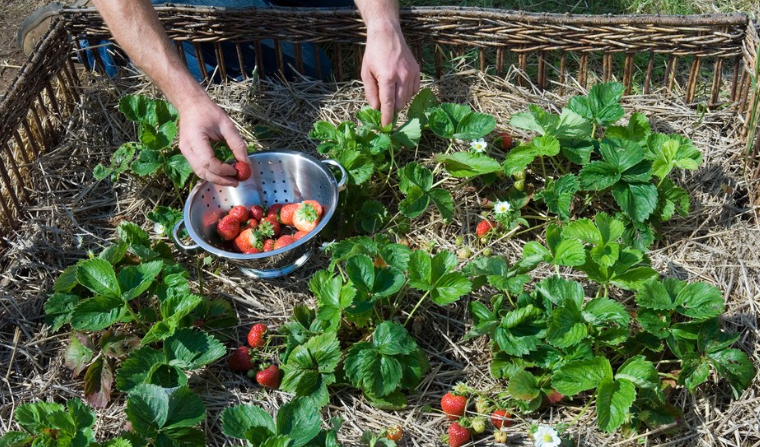
Strawberries are forgiving enough that they’ll grow in a wide range of home gardens, but the difference between a patch that limps along with small, sparse fruit and one that produces baskets of sweet, plump berries almost always comes down to conditions. Sunlight, soil, temperature, water, and even the layout of the planting site all play a role in how well these plants perform. The encouraging news is that none of these requirements are exotic or hard to achieve in a typical backyard. Most of what strawberries need can be provided with a little planning before planting and some consistent care afterward. This guide walks through every major condition that affects strawberry growth, so you can set up a patch, bed, or container that gives your plants the best possible environment to thrive.
Also Read: Simple Guide to Grow And Care For Strawberries
Sunlight Requirements
Sunlight is the single most important condition for strong strawberry production. These plants need full sun, generally defined as at least six to eight hours of direct light per day, to fuel the energy needed for healthy foliage, strong flowering, and full-sized, well-ripened fruit. In partial shade, strawberry plants often still survive and put out leaves, but the harvest tends to be smaller, less sweet, and more spread out, since the plant simply isn’t generating enough energy through photosynthesis to support heavy fruiting.
When choosing a planting site, look for a spot that gets consistent morning and afternoon sun, away from the shadow of buildings, fences, or larger plants that might block light as the season progresses and the sun’s angle changes. South-facing beds tend to perform particularly well in northern climates, since they capture the most consistent light throughout the day.
Ideal Soil Conditions
Strawberries have shallow root systems, which means the quality of the top several inches of soil matters more for these plants than it does for deep-rooted crops. The ideal soil is loose, well-draining, and rich in organic matter, allowing roots to spread easily while still holding enough moisture to keep the plant hydrated between waterings.
Heavy clay soil that stays wet and compacted is one of the biggest obstacles to healthy strawberry growth, since it restricts root development and significantly raises the risk of root rot. Sandy soil, on the other hand, drains too quickly and doesn’t hold enough moisture or nutrients on its own. The solution in either case is the same: work several inches of compost or well-rotted organic matter into the soil before planting, which improves structure, drainage, and nutrient content regardless of the starting soil type.
Soil pH is another key factor. Strawberries prefer a slightly acidic range, generally between 5.5 and 6.8. Outside of this range, plants can struggle to absorb nutrients even when those nutrients are present in the soil. A simple soil test before planting can confirm where your garden falls, and amendments like garden sulfur can help lower pH if the soil tests too alkaline, while lime can raise it if it’s too acidic.
Drainage
Good drainage deserves its own mention because it’s one of the most common reasons a strawberry patch underperforms or fails outright. These plants are highly susceptible to root rot and crown rot in soil that stays soggy for extended periods. Raised beds or mounded rows, typically raised six to eight inches above the surrounding ground, are one of the most effective ways to guarantee good drainage, since they allow excess water to flow away from the root zone rather than pooling around it.
If you’re planting directly in the ground, avoid low-lying areas of the yard where water naturally collects after rain. Adding organic matter to heavy soil, as mentioned above, also improves drainage over time by breaking up compaction and creating better structure for water to move through.
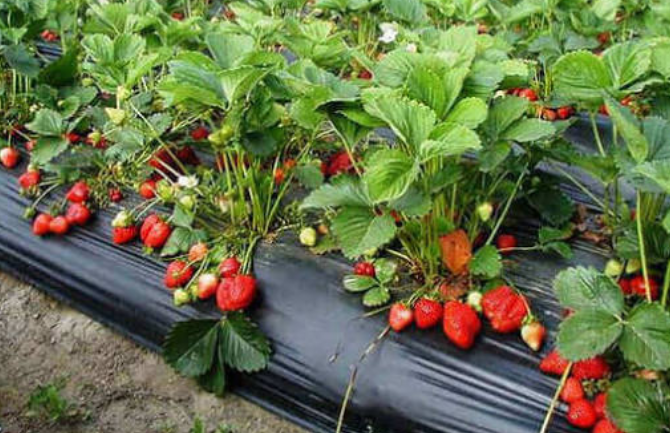
Temperature Considerations
Strawberries generally grow best in moderate temperatures, thriving in the range of roughly 60 to 80 degrees Fahrenheit during the day. Different varieties have different cold-hardiness levels, but most types tolerate light frost, especially once established, though a hard freeze during flowering can damage blossoms and reduce fruit set for that flush.
Soil temperature also plays a role, particularly at planting time. Cool spring soil, once it’s workable and no longer frozen, is ideal for setting out new plants, since it lets roots establish before the heat of summer arrives. In warmer climates, some gardeners plant in fall instead of spring, giving the roots a full season to establish over a mild winter before the plant pushes into a strong spring growth cycle.
Extreme heat during summer can stress plants and reduce fruit quality, causing berries to ripen too quickly or become soft. Mulching around the base of plants helps keep the root zone cooler and more stable through hot stretches, buffering the soil against temperature swings.
Also Read: Simple Guide to Fertilizing Roses: When to Apply and How
Water and Moisture
Consistent, even moisture is one of the most important ongoing conditions for healthy strawberry growth. As a general guideline, plants need about one to one and a half inches of water per week, whether from rainfall or irrigation, with slightly more needed during hot, dry stretches or when fruit is actively developing.
Uneven watering is a common source of problems. Letting the soil dry out completely between waterings, followed by a heavy soak, can lead to fruit that cracks or splits, especially as it nears ripeness. Drip irrigation or soaker hoses are ideal for delivering water directly to the soil at a steady rate, without wetting the foliage, which helps reduce the risk of fungal disease. Watering in the morning rather than in the evening allows any moisture on the leaves to dry off during the day, further lowering disease risk.
Air Circulation and Spacing
Good air circulation around the plants is an often-overlooked condition that has a real impact on plant health. Strawberries planted too closely together create a dense, humid microclimate among the leaves, which encourages fungal diseases like gray mold and powdery mildew. Spacing plants roughly twelve to eighteen inches apart, with rows spaced two to three feet apart, gives each plant enough room for air to move freely and for sunlight to reach the lower leaves and ripening fruit.
Regularly managing runners, which are the long stems strawberry plants send out to form new rooted plantlets, also helps maintain good spacing over time. Left unchecked, runners can quickly overcrowd a bed within a season or two, undoing the benefits of proper initial spacing.
Mulching Conditions
A layer of mulch around the base of strawberry plants improves several conditions at once. It helps the soil retain moisture more evenly, which supports the consistent watering strawberries need. It suppresses weeds that would otherwise compete for nutrients, light, and water. It also keeps ripening fruit off bare soil, reducing rot and keeping berries cleaner at harvest time. Straw is a traditional and widely available mulch choice for strawberries, though pine needles and shredded leaves work well too, particularly in slightly acidic soil since they can help maintain that preferred pH range as they break down.
Nutrient Availability
While fertilizing routines matter, the underlying condition of nutrient-rich soil sets the foundation for everything else. Soil that has been amended with compost or well-rotted manure before planting provides a steady baseline of nutrients that supports healthy root and leaf development from the start. Because strawberries are relatively heavy feeders for their size, especially during flowering and fruiting, maintaining good soil fertility through regular organic matter additions and a light, well-timed fertilizing schedule creates the right underlying conditions for strong, consistent production.
Site Rotation and Soil Health
Strawberries are susceptible to a handful of soil-borne diseases, including verticillium wilt, which can linger in soil for several years after an infected crop. For this reason, avoiding a planting site that recently grew tomatoes, peppers, eggplants, or potatoes is an important condition to consider, since these crops share susceptibility to some of the same soil pathogens. Rotating strawberry beds to a new location every few years, where practical, helps avoid a buildup of disease organisms in the soil and keeps growing conditions healthier over the long term.
Growing Conditions for Container Strawberries
For gardeners without access to an in-ground bed, containers and hanging baskets can replicate most of the same ideal conditions on a smaller scale. Choose a container with ample drainage holes, and fill it with a well-draining potting mix rather than garden soil, which tends to compact and hold too much water in a confined space. Position containers where they’ll receive at least six hours of direct sun a day, and keep a close eye on moisture levels, since potted plants dry out considerably faster than those grown in the ground, sometimes needing daily watering during hot weather. A slightly more frequent, lighter fertilizing schedule also helps make up for the limited nutrient reserves available in a container’s soil volume.
Seasonal Timing as a Growing Condition
Beyond the physical conditions of light, soil, and water, timing itself functions as a growing condition. Planting at the right point in the season, whether that’s early spring in cooler climates or fall in milder ones, gives roots the chance to establish under moderate temperatures before facing the stress of summer heat or winter cold. Getting this timing right sets plants up to take full advantage of the other favorable conditions already in place.
Also Read: Simple Guide to Grow And Care For Strawberries
Final Thoughts
The best conditions for growing strawberries come down to a consistent theme: full sun, loose and well-draining slightly acidic soil, steady and even moisture, good air circulation from proper spacing, and a planting site free from recent disease-prone crops. None of these individually are difficult to achieve, but together they create an environment where strawberry plants can put their energy into what matters most: producing abundant, sweet, well-formed fruit. Whether you’re working with a dedicated garden bed, a raised row, or a handful of containers on a patio, matching these conditions as closely as possible is the surest path to a strawberry patch that performs well season after season.