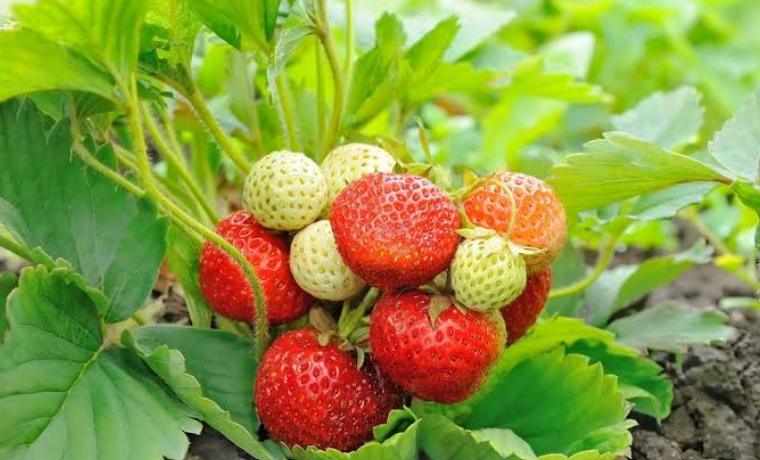
Few things in the garden bring as much satisfaction as walking outside and picking a handful of sun-warmed, ripe fruit straight off the plant. They’re compact enough to tuck into a small garden bed, a raised bed, or even a hanging basket on a balcony, and they reward even first-time growers with a harvest that tastes nothing like what shows up in a grocery store bin. But growing them well takes a bit more than sticking a plant in the ground and hoping for the best. Success depends on choosing the right variety for your goals, giving the plants the right soil and sunlight, and understanding a few quirks of how they grow and spread. This guide walks through everything a home gardener needs to know, from planting to harvest to keeping the patch productive year after year.
Also Read: Types of Strawberries that Produce all Year
Understanding the Different Types
Not all plants of this kind behave the same way, and choosing the right type up front makes a big difference in how satisfied you’ll be with the results.
June-bearing types produce one large, concentrated harvest per year, typically over a two-to-three-week window in late spring or early summer. These tend to produce the biggest individual fruit and are a favorite for gardeners who want a big batch all at once for preserving, baking, or freezing.
Everbearing types produce two to three smaller flushes of fruit across the growing season, usually one in late spring, another in mid-summer, and sometimes a third in early fall. This spreads the harvest out rather than concentrating it.
Day-neutral types are the most consistent producers, setting fruit steadily throughout the growing season regardless of day length, which is what triggers flowering in the other two types. These tend to produce smaller yields at any given time but keep the harvest coming for months.
For a home garden, many growers plant a mix of types so they get an early, generous harvest from a June-bearing variety alongside a steady trickle of fruit from an everbearing or day-neutral variety later in the season.
Choosing the Right Site
Sunlight is the single biggest factor in how well these plants will produce. They need at least six to eight hours of direct sun a day; less than that and you’ll end up with a leafy plant that produces small, sparse fruit.
Good drainage matters just as much as sunlight. These plants have shallow root systems that are highly prone to rot if they sit in soggy soil, so avoid low spots in the yard where water tends to pool after rain. Raised beds or mounded rows are a popular solution because they naturally shed excess water away from the crown and roots.
Soil pH should sit in a slightly acidic range, generally between 5.5 and 6.8. A simple soil test can confirm where your garden falls, and amendments like sulfur or acidifying fertilizer can help nudge the pH down if it’s too alkaline.
Preparing the Soil
Rich, well-draining soil with plenty of organic matter gives plants the best start. Working several inches of compost or well-rotted manure into the bed before planting improves both drainage and nutrient content. Raised beds or rows about eight inches high are ideal, since they warm up faster in spring and drain more efficiently than flat ground.
Avoid planting in soil that recently grew tomatoes, peppers, eggplants, or potatoes, since these crops can share some of the same soil-borne diseases and pests, particularly verticillium wilt, which can linger in the soil for years.
Planting
Bare-root plants are typically set out in early spring as soon as the soil can be worked, while potted plants can go in slightly later once the danger of hard frost has passed. When planting, the crown, which is the point where the roots meet the leaves, needs to sit exactly at soil level. Planting too deep can smother and rot the crown, while planting too shallow can expose and dry out the roots. Space plants roughly twelve to eighteen inches apart in rows spaced about two to three feet apart to give the plants room to spread as they send out runners.
After planting, water thoroughly to settle the soil around the roots and eliminate air pockets, which can dry out and damage the root system if left unaddressed.
Also Read: Best Mulch for Winterizing Strawberries
Watering
Consistent moisture is critical, especially while plants are establishing and again while fruit is forming and ripening. As a general guideline, aim for about one to one and a half inches of water per week, whether from rainfall or irrigation. Drip irrigation or soaker hoses are ideal because they deliver water directly to the soil without wetting the leaves and fruit, which helps reduce the risk of fungal disease. Watering in the morning, rather than evening, gives any moisture that does land on the foliage time to dry out before nightfall, further reducing disease pressure.
Uneven watering, particularly during fruit development, can lead to problems like misshapen fruit or fruit that cracks after a heavy rain following a dry spell. Keeping moisture levels steady rather than letting the soil swing between bone-dry and soaked helps produce more consistent, better-quality fruit.
Feeding the Plants
A modest, balanced approach to fertilizing works best. Heavy nitrogen applications, especially close to fruiting time, tend to push lush leaf growth at the expense of flowers and fruit. A general approach is to work a balanced fertilizer into the soil at planting time, then follow up with a light feeding in early spring each year as new growth begins, and again after the main harvest to help the plant recover and build strength for the following season. Organic options like compost, well-aged manure, or fish emulsion work well and have a lower risk of over-application compared to concentrated synthetic fertilizers.
Mulching
A layer of mulch, typically straw, pine needles, or shredded leaves, serves several purposes at once. It helps retain soil moisture, suppresses weeds that would otherwise compete for nutrients and water, and keeps ripening fruit from sitting directly on bare soil, which reduces rot and keeps the fruit cleaner. In colder climates, a thicker layer of mulch applied in late fall also helps insulate the crowns through winter, protecting them from repeated freeze-thaw cycles that can heave plants out of the ground.
Managing Runners
Most types naturally send out runners, which are long stems that root at intervals and form new plants. Left unmanaged, a bed can become overcrowded within a couple of seasons, which reduces air circulation, increases disease risk, and results in smaller fruit as the original plants compete with a growing number of offspring for the same nutrients and water.
For gardeners focused on maximizing fruit size and quality, it’s worth trimming off most runners as they appear, redirecting the plant’s energy back into fruit production rather than spreading. For those looking to expand the patch or replace older, less productive plants, allowing a controlled number of runners to root and then transplanting or thinning them the following season is an easy, free way to keep the bed refreshed.
Dealing With Pests and Diseases
A few common problems tend to show up in most home gardens. Slugs and snails are drawn to the low-growing fruit, especially in damp conditions, and can be managed with mulch adjustments, hand-picking, or barriers. Birds are often the biggest threat to a ripening harvest, and floating row covers or netting draped over the bed at the first sign of ripening fruit are the most reliable defense.
Gray mold, a fungal disease that thrives in damp, crowded conditions, can quickly ruin ripening fruit. Good air circulation from proper spacing, along with watering at the soil level rather than overhead, goes a long way toward preventing it. Leaf spot and powdery mildew are two other fungal issues to watch for, both of which are also reduced by good spacing, proper watering technique, and removing any visibly diseased leaves promptly.
Harvesting
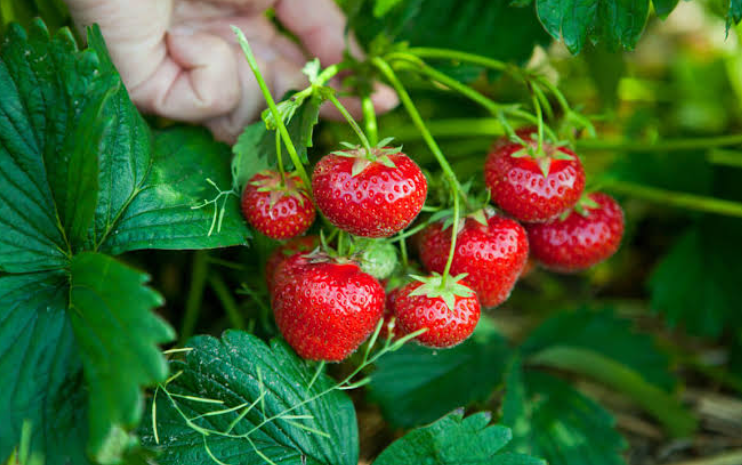
Fruit should be picked once it’s fully colored, since unlike some other fruits, these don’t continue to ripen much after being picked. The best flavor and sweetness come from fruit left on the plant as long as possible before harvest. Pick in the cooler part of the day, ideally morning, and handle the fruit gently, since it bruises easily. Snipping the stem just above the fruit with scissors or garden snips, rather than pulling it off, helps avoid damaging the plant and keeps the fruit itself in better condition for storage.
Harvested fruit doesn’t store for long, generally holding well in the refrigerator for only a few days, so plan to eat, preserve, or freeze a large harvest fairly quickly after picking.
Also Read: Types of Grapes that Taste Like Strawberries
Renovating the Bed
June-bearing types in particular benefit from a renovation process after the main harvest each year. This involves mowing or trimming the foliage down to about an inch or two above the crowns, thinning out overcrowded plants, removing weeds, and refreshing the mulch layer. This renovation gives the bed a clean restart, encourages vigorous new growth heading into fall, and helps set the stage for a strong harvest the following spring. Everbearing and day-neutral types generally don’t need this same aggressive renovation, since they’re actively producing fruit later into the season, though light thinning and weeding still helps keep them productive.
Winter Care
In regions with cold winters, plants need some protection to survive repeated freezing and thawing, which can damage or heave the shallow root systems out of the soil. A thick layer of straw mulch applied after the first hard frost, once the plants have gone dormant, provides effective insulation. This mulch should be pulled back gradually in early spring as new growth begins to emerge, since leaving it too thick for too long can smother the crowns or encourage rot.
Growing in Containers
For gardeners with limited space, containers and hanging baskets are a practical alternative to an in-ground bed. Look for pots or baskets with good drainage holes, and use a well-draining potting mix rather than garden soil, which tends to compact and hold too much water in a container setting. Container-grown plants dry out faster than those in the ground, so more frequent watering, sometimes daily during hot weather, is often necessary. A light, regular feeding schedule with a diluted liquid fertilizer helps make up for the more limited soil volume and nutrient reserves in a pot.
Final Thoughts
Growing a productive, healthy patch comes down to a handful of core practices: choosing a variety that fits your harvest goals, giving the plants full sun and well-draining, slightly acidic soil, watering consistently rather than letting moisture swing to extremes, and staying on top of runners, mulch, and seasonal renovation. None of these steps are complicated on their own, but together they make the difference between a struggling, overcrowded bed and a patch that reliably produces sweet, abundant fruit season after season. With a little attention through the year, even a small backyard bed or a few containers on a patio can produce more fresh fruit than most gardeners expect.