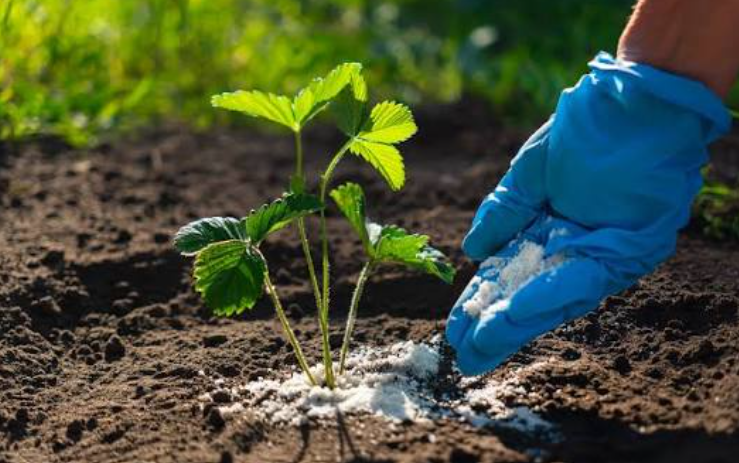
A productive strawberry patch depends on more than sunlight and water. Like most fruiting plants, strawberries pull a steady supply of nutrients from the soil in order to build healthy foliage, develop strong root systems, and set sweet, well-formed fruit. Without the right feeding routine, plants can still survive and even produce a modest crop, but the fruit tends to be smaller, less sweet, and more prone to problems like poor pollination or weak growth. On the other hand, over-fertilizing, particularly with too much nitrogen, can backfire by encouraging lush green leaves at the expense of flowers and fruit. Getting fertilizing right means understanding what nutrients strawberries actually need, when to apply them, and how to avoid the most common mistakes that trip up home gardeners. This guide covers all of that in detail, from the basics of plant nutrition to a full seasonal feeding schedule.
Why Fertilizing Strawberries Requires a Different Approach
Strawberries have a shallow, relatively small root system compared to many other fruiting plants, which means they can’t reach deep into the soil to find nutrients the way a tree or a large shrub can. At the same time, they’re expected to produce flowers, set fruit, and often send out runners all within a single growing season, which is a lot of demand placed on a compact plant. This combination of shallow roots and high productivity means strawberries benefit from more frequent, lighter feedings rather than one or two heavy applications. It also means timing matters quite a bit, since feeding at the wrong point in the plant’s growth cycle can do more harm than good.
Understanding N-P-K and What Strawberries Need Most
Fertilizer labels list three numbers representing nitrogen (N), phosphorus (P), and potassium (K), and each nutrient plays a distinct role in how a strawberry plant grows and produces fruit.
Nitrogen drives leafy, vegetative growth. Strawberries need some nitrogen, particularly early in the season and after harvest, to build healthy foliage and support runner development. However, too much nitrogen, especially during flowering and fruiting, tends to produce an abundance of leaves at the cost of blooms and fruit, and can also make plants more susceptible to fungal diseases due to dense, damp foliage.
Phosphorus supports root development and flowering. Since fruit production depends directly on strong flowering, adequate phosphorus is especially important in the weeks leading up to bloom.
Potassium contributes to overall plant vigor, fruit quality, and disease resistance. Potassium is closely tied to fruit size, flavor, and firmness, which is why many fertilizers marketed specifically for fruiting plants carry a higher potassium number relative to nitrogen.
Because of this balance, many experienced growers favor a fertilizer that’s lower in nitrogen and higher in phosphorus and potassium, particularly once the plants move from vegetative growth into flowering and fruiting.
Also Read: How To Grow And Care For Strawberries
When to Start Fertilizing
Fertilizing typically begins at planting time, whether you’re setting out bare-root plants or potted transplants. Working compost or a balanced starter fertilizer into the soil before planting gives new roots access to nutrients right from the start. From there, the timing of subsequent feedings depends on the type of plant and the point in the season.
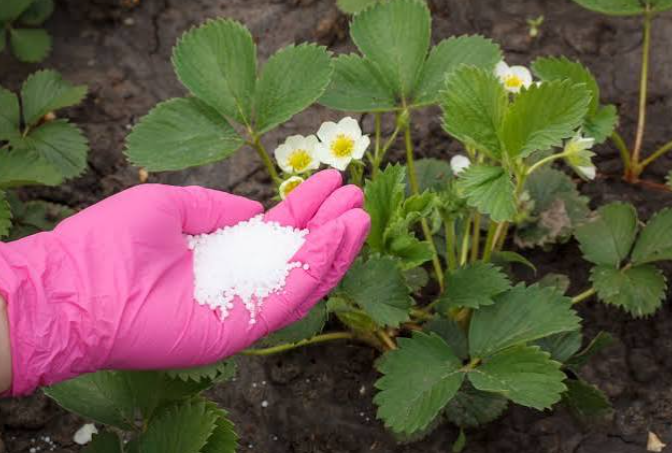
A Seasonal Fertilizing Schedule
At planting, mix compost, well-rotted manure, or a balanced starter fertilizer into the soil to give new plants a strong foundation.
Early spring, as new growth emerges on established plants, a light feeding with a balanced or slightly nitrogen-forward fertilizer helps support leaf and runner development after winter dormancy.
Just before flowering, switch to a fertilizer lower in nitrogen and higher in phosphorus and potassium to support strong blooming and set the stage for good fruit development. Applying too much nitrogen at this stage is one of the most common reasons gardeners end up with lots of leafy growth but a disappointing fruit set.
During fruiting, avoid heavy fertilizing altogether. Plants that are actively setting and ripening fruit generally don’t need an additional feeding, and disturbing the root zone or adding excess nitrogen during this window can affect fruit quality and increase the risk of soft or misshapen berries.
After harvest, give June-bearing plants in particular a feeding to help them recover from the demands of fruiting and to support the renovation process, which includes trimming foliage and encouraging fresh growth heading into fall. This post-harvest feeding is important for building the foundation for next year’s crop, since next season’s flower buds actually begin forming in late summer and fall.
Late fall, a light application of a potassium-rich fertilizer before the ground freezes can help strengthen plants heading into winter dormancy, improving their cold hardiness. Avoid heavy nitrogen applications this late in the season, since it can stimulate tender new growth that won’t have time to harden off before frost.
Everbearing and day-neutral varieties, which produce fruit continuously rather than in one concentrated flush, benefit from lighter, more frequent feedings spread across the growing season rather than following the same bloom-to-harvest cycle as June-bearing types. A diluted liquid fertilizer applied every three to four weeks throughout the growing season tends to work well for these continuously fruiting varieties.
Also Read: Types of Strawberries that Produce all Year
Choosing the Right Fertilizer Type
Granular Fertilizers
Granular fertilizers are worked into the soil around the base of the plant and release nutrients gradually over several weeks. These are convenient for less frequent applications and work well for the early spring and post-harvest feedings, when a steady, longer-lasting nutrient supply is useful.
Liquid Fertilizers
Liquid fertilizers are mixed with water and applied directly to the soil, offering faster nutrient uptake than granular options. These are particularly useful for container-grown plants or for giving a quick boost to plants that are showing signs of nutrient deficiency, since the nutrients are immediately available rather than needing to break down in the soil first.
Organic Options
Compost, well-aged manure, fish emulsion, and kelp meal are all popular organic choices for strawberries. These tend to release nutrients more slowly and gently than synthetic fertilizers, while also improving soil structure and supporting beneficial soil microbes over time. Compost worked into the bed at planting and again after renovation is one of the simplest, lowest-risk ways to keep strawberries fed without worrying about over-application. Fish emulsion, applied as a diluted liquid feed, is a popular option during the early season when a mild nitrogen boost supports leaf and runner growth.
Synthetic Fertilizers
Synthetic fertilizers offer precise, measured nutrient ratios and act more quickly than most organic options. Many are formulated specifically for fruiting plants or berries, with a lower nitrogen number and higher phosphorus and potassium content suited to bloom and fruit development. As with any concentrated product, it’s easier to accidentally over-apply a synthetic fertilizer than an organic one, so following label rates closely is important.
How to Apply Fertilizer Correctly
Water the soil before applying any fertilizer, since strawberries have shallow, sensitive roots that can be damaged by fertilizer salts if applied to dry ground. Sprinkle granular fertilizer evenly around the base of each plant, avoiding direct contact with the crown or foliage, and then water again afterward to help the nutrients move down into the root zone.
For liquid fertilizers, follow label dilution rates carefully, since strawberries are more sensitive to over-concentrated feeding than many other garden plants due to their compact root systems. Apply liquid fertilizer directly to the soil around the base of the plant rather than over the leaves, both to reduce the risk of leaf burn and to minimize excess moisture on the foliage, which can encourage fungal disease.
Fertilizing Strawberries in Containers
Container-grown strawberries face a particular challenge: the limited soil volume in a pot holds far fewer nutrient reserves than an in-ground bed, and frequent watering tends to wash nutrients out of the container more quickly. Because of this, potted strawberries generally need more frequent, lighter feedings than those grown in the ground. A diluted liquid fertilizer applied every two to three weeks during the growing season, combined with a slow-release granular fertilizer mixed into the potting soil at planting time, helps maintain a steady nutrient supply despite the constraints of container growing.
Common Fertilizing Mistakes to Avoid
Over-applying nitrogen, particularly close to or during flowering, is the most common mistake home gardeners make. The result is usually a plant with abundant, healthy-looking leaves but disappointing fruit production, since the plant’s energy is being directed toward foliage rather than blooms.
Fertilizing during active fruiting is another frequent misstep. Adding fertilizer while berries are forming and ripening can affect fruit quality and isn’t necessary if the plant received adequate feeding earlier in the season.
Skipping the post-harvest feeding is an easy oversight, but it matters more than many gardeners realize, since next year’s flower buds begin developing during this late-summer and fall period. A plant that isn’t fed after harvest may struggle to produce as strong a crop the following season.
Applying fertilizer to dry soil can cause root damage from concentrated salts, so always water thoroughly before fertilizing, particularly with synthetic products.
Ignoring soil pH is another overlooked factor. Strawberries generally prefer a slightly acidic soil pH between 5.5 and 6.8, and if the pH drifts too far outside this range, the plant may struggle to absorb nutrients even when they’re present in adequate amounts in the soil. Testing soil every couple of years and adjusting with sulfur or lime as needed helps keep fertilizing efforts effective.
Also Read: Best Mulch for Winterizing Strawberries
Recognizing Nutrient Deficiencies
Strawberry plants tend to show visible symptoms when a nutrient is lacking. Pale green or yellowing older leaves often point to a nitrogen deficiency. Purplish or reddish discoloration on leaves, especially in cooler weather, can indicate a phosphorus shortage. Scorched or browning leaf edges frequently signal a potassium deficiency. Yellowing between the veins of younger leaves while the veins themselves stay green often points to an iron deficiency, which is more common in soil with a pH that’s too alkaline for the plant to properly absorb the nutrient. Catching these signs early and adjusting the fertilizing approach can prevent a small nutrient imbalance from turning into a larger drop in fruit yield and quality.
Final Thoughts
Fertilizing strawberries successfully comes down to matching the right nutrients to the right stage of growth: a balanced feeding at planting and in early spring, a shift toward phosphorus and potassium before flowering, a pause during active fruiting, and an important follow-up feeding after harvest to support next year’s flower buds. Whether you lean toward organic amendments like compost and fish emulsion or prefer the convenience of a synthetic berry-specific fertilizer, the key is consistency paired with restraint, since strawberries respond far better to steady, well-timed feeding than to occasional heavy doses. With a thoughtful fertilizing routine in place, a strawberry patch can reward a home gardener with sweeter, more abundant fruit season after season.