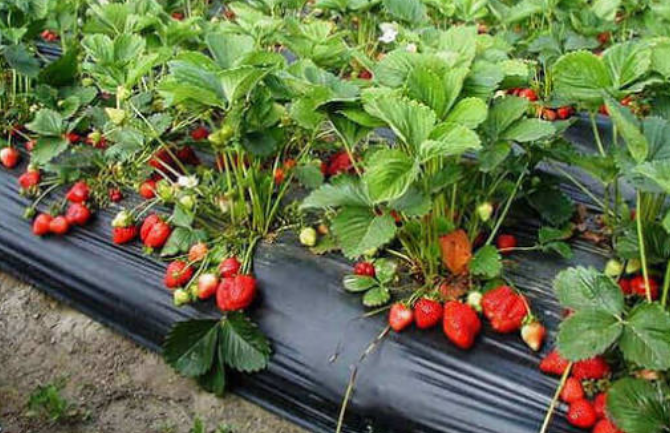
Timing is one of the most overlooked factors in growing a successful strawberry patch. Many first-time gardeners assume that as long as the plants go into the ground at some point during the growing season, they’ll be fine, but strawberries are surprisingly sensitive to planting timing. Set them out too early and tender roots can struggle in cold, wet soil. Plant too late and the roots won’t have enough time to establish before summer heat or winter cold arrives. Getting the timing right gives plants the best possible start, setting the stage for stronger growth, better disease resistance, and a fuller harvest. This guide covers everything that goes into deciding when to plant strawberries, including how climate, region, plant type, and even the source of your plants all factor into the ideal planting window.
Why Planting Time Matters So Much
Strawberries have shallow, relatively delicate root systems that need time to establish themselves in the soil before facing environmental stress. A newly planted strawberry needs to grow enough root mass to support the plant through its first flush of leaves, and ideally through flowering and fruiting as well. Planting at the wrong time can interrupt this process at a critical stage. Cold, waterlogged soil in early spring can rot young roots before they even get going. Planting too late in a hot summer can stress plants before they’ve built up the root system needed to handle heat and drought. And in regions with cold winters, plants set out too late in fall may not have enough time to establish before the ground freezes, leaving them vulnerable to being heaved out of the soil by repeated freeze-thaw cycles.
Also Read: Simple Guide to Fertilizing Strawberries: When to Apply and How
Spring Planting: The Most Common Approach
For most regions, especially those with cold winters, early spring is the traditional and most reliable time to plant strawberries. The goal is to get plants into the ground as soon as the soil can be worked, meaning it’s no longer frozen or waterlogged, but before the weather turns consistently hot. This typically falls anywhere from a few weeks before the last expected frost date to shortly after it, depending on your specific climate and how quickly the soil warms in your area.
Planting in spring gives strawberries a full growing season to establish roots, develop foliage, and in the case of June-bearing varieties, often produce a modest first-year harvest, though many growers choose to remove the first season’s flowers on new plants to redirect energy into root and runner development instead of fruit, resulting in a stronger, more productive plant in year two.
Bare-root strawberry plants, which are dormant plants shipped without soil around their roots, are typically available for purchase in very early spring and need to be planted promptly after arrival, ideally within a few days, to prevent the roots from drying out. Potted or container-grown strawberry plants offer more flexibility, since they can be planted a bit later in spring once the soil has warmed further, without the same urgency as bare-root stock.
Fall Planting: An Option in Milder Climates
In regions with mild winters, particularly areas that rarely see hard, prolonged freezes, planting strawberries in fall is a popular alternative to spring planting. Fall planting, usually done six to eight weeks before the first expected frost, allows roots to establish during the cooler, more moderate temperatures of autumn, without the stress of summer heat. Plants set out in fall then go into winter dormancy with an established root system already in place, allowing them to burst into vigorous growth as soon as spring arrives, often producing a stronger first-year harvest than plants started in spring of the same year.
Fall planting works particularly well in regions with mild, wet winters and warm summers, since these conditions can otherwise make spring planting more challenging due to the fast transition from cool to hot weather. Gardeners in colder northern climates generally avoid fall planting, since there often isn’t enough time for roots to establish before the ground freezes solid.
How Plant Type Affects Timing
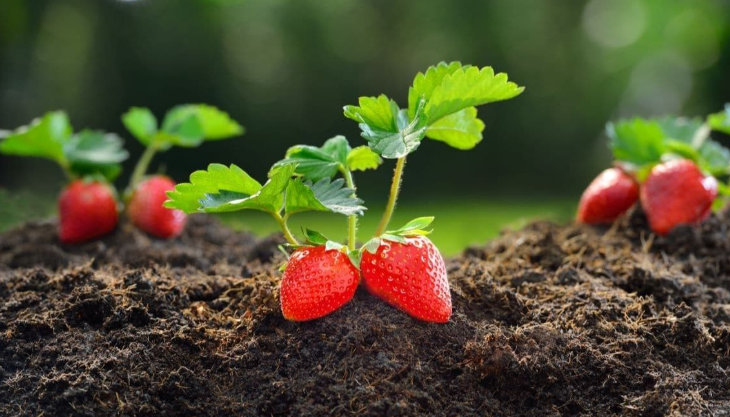
The type of strawberry you’re growing can also influence the ideal planting window, though the overall spring-versus-fall guidance still applies broadly across all types.
June-bearing varieties are most commonly planted in early spring, since this timing supports strong vegetative growth in year one, setting up a robust harvest the following spring. In mild climates, fall planting is also an option and can sometimes produce an earlier, stronger harvest the first spring after planting.
Everbearing varieties are typically planted in early spring as well, timed to take advantage of the full growing season ahead, since these varieties produce multiple smaller harvests spread across spring, summer, and fall of the same year they’re planted.
Day-neutral varieties, which produce fruit continuously through the season regardless of day length, are also generally planted in early spring for the same reason, giving them the maximum amount of time to establish and begin producing steadily.
Also Read: Simple Guide to Best Conditions for Growing Strawberries
Reading Your Local Climate
Because strawberry planting time depends heavily on regional climate, it helps to think in terms of soil temperature and frost dates rather than a fixed calendar date. In cooler northern climates, spring planting might not be possible until April or even May, once the ground has thawed and dried out enough to work. In warmer southern climates, planting can often begin much earlier in the year, sometimes as soon as February, or shift toward fall planting altogether given the milder winter conditions.
Checking your local frost dates, which are widely available through regional extension offices or gardening resources specific to your area, is one of the most reliable ways to pinpoint your ideal planting window. As a general rule of thumb, aim to plant in spring a few weeks before your last frost date if you’re working with cold-hardy bare-root plants, or shortly after the last frost if using potted transplants that are more sensitive to a late cold snap.
Signs the Soil Is Ready
Beyond calendar dates, the condition of the soil itself is one of the best indicators of when to plant. Soil that’s still frozen, waterlogged, or so cold that it feels wet and heavy when squeezed in your hand isn’t ready for planting, regardless of what the calendar says. Ideal planting soil should be workable, meaning it crumbles easily rather than forming a dense, muddy clump, and should have warmed enough that it’s no longer icy to the touch. Waiting for these physical signs, rather than planting strictly by date, helps avoid setting young plants into conditions that could damage or kill their roots before they have a chance to establish.
Planting From Different Sources
The form in which you obtain your strawberry plants also affects timing.
Bare-root plants are dormant, meaning they have no leaves and their roots are exposed rather than growing in soil. These are typically sold in very early spring and need to be planted quickly after purchase, ideally within a few days, since the exposed roots can dry out or begin to deteriorate if left unplanted for too long. Keeping bare-root plants cool and slightly moist until planting helps preserve their viability if there’s a short delay.
Potted or container-grown plants already have an established root system growing in soil, which makes them more forgiving of a slightly later planting date, since the roots are less exposed and vulnerable during the transition into the garden.
Runners or divisions from an existing patch can be transplanted at various points in the season, though early spring or late summer to early fall tend to be the most successful windows, avoiding the stress of the hottest summer months.
Common Timing Mistakes to Avoid
Planting too early in spring, before the soil has thawed and dried sufficiently, is one of the most frequent mistakes, often resulting in rotted roots or stunted early growth. Waiting for the soil to reach a workable condition, even if it means planting a couple of weeks later than initially planned, generally produces better results than rushing into cold, wet ground.
Planting too late into summer heat is another common issue, since young plants set out during a hot, dry stretch often struggle to establish roots before facing heat stress, leading to weak growth or even plant loss. If a planting window is missed in early spring, it’s often better to wait for fall in regions where fall planting is viable, rather than pushing a summer planting during peak heat.
In cold climates, planting too late in fall without enough time for roots to establish before winter is a mistake that can lead to plants being pushed out of the ground by freeze-thaw cycles or failing to survive the winter altogether. If fall planting timing is uncertain in a colder region, spring planting is generally the safer, more reliable choice.
Also Read: Simple Guide to Grow And Care For Strawberries
Planning Around the First-Year Harvest
Understanding planting timing also helps set realistic expectations for when you’ll see your first real harvest. Strawberries planted in spring typically won’t produce a full harvest until the following year, particularly if you remove first-season flowers to encourage root development, a common recommendation for June-bearing types especially. Everbearing and day-neutral varieties may produce a partial harvest even in their first year if planted early enough in spring, though it will likely be lighter than what the plant produces in subsequent seasons once it’s fully established. Fall-planted strawberries, particularly in mild climates, often reward growers with a stronger first spring harvest than spring-planted strawberries of the same age, since the extra months of root establishment before winter give the plant a head start.
Final Thoughts
Deciding when to plant strawberries comes down to matching your local climate and frost dates with the type of plants you’re working with, whether that’s bare-root stock in early spring, potted transplants slightly later in the season, or fall planting in regions with mild winters. Paying attention to actual soil conditions, rather than relying strictly on the calendar, helps avoid the most common timing mistakes that can set a new strawberry patch back before it even gets started. Whether you choose a traditional spring planting or take advantage of a milder fall window, giving your strawberry plants the right amount of time to establish roots before facing seasonal extremes is one of the simplest ways to set up a patch for strong, healthy growth and a satisfying harvest in the seasons ahead.