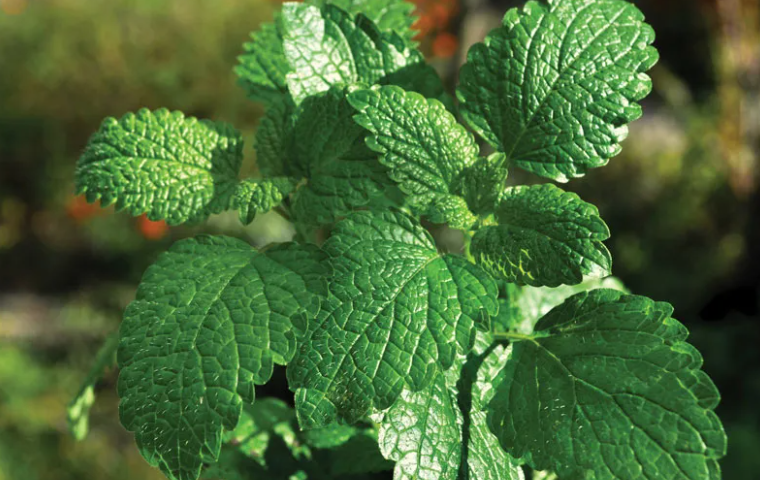
Mint is one of the most widely grown, most universally recognized, and most commercially important aromatic herbs in the world, cultivated across every inhabited continent for its extraordinary fragrance, refreshing flavor, and remarkable range of applications spanning culinary use, herbal medicine, aromatherapy, cosmetics, confectionery, and pharmaceutical production. Native primarily to the Mediterranean region and western Asia, mint has spread through human cultivation to become naturalized across temperate and subtropical regions worldwide, and its characteristic cool, refreshing menthol fragrance is one of the most universally recognized and beloved plant aromas on earth. The global mint oil market was valued at over 600 million dollars in 2022 and continues to grow steadily.
There are approximately 25 to 30 recognized mint species and hundreds of named hybrids, cultivars, and varieties that span an extraordinary range of fragrances — from the classic cool menthol of peppermint and spearmint through the fruity, apple-like scent of apple mint to the unusual chocolate, pineapple, strawberry, grapefruit, and banana fragrance notes found in specialist mint collections. Most mint plants are vigorous, spreading perennials that grow to 12 to 36 inches in height depending on the variety, spreading by underground rhizomes that can travel considerable distances and become invasive if not contained. They are generally hardy across USDA zones 3 to 9 depending on the variety.
Mint is extraordinarily productive — a single established mint plant can yield hundreds of fresh leaves per season and the essential oil content of the best commercial varieties can reach 2 to 3 percent of fresh weight, making mint one of the most oil-rich of all commercial herb crops. The United States, India, China, and Brazil are among the world’s largest producers of mint and mint oil, with American peppermint and spearmint production concentrated primarily in the Pacific Northwest states of Oregon, Washington, and Idaho. Menthol — the primary aromatic and flavoring compound in peppermint — is one of the most widely used flavor compounds in the global food, beverage, pharmaceutical, and personal care industries, with annual production exceeding 30,000 metric tons.
Mint has been used by humans for at least 3,500 years, with mint leaves found in ancient Egyptian tombs dating to 1,000 BCE and extensive references to mint cultivation and use in ancient Greek, Roman, and medieval European texts. It is the essential flavoring of mint tea — the national beverage of Morocco and the most widely consumed herbal tea in North Africa and the Middle East — and is fundamental to the cooking traditions of Middle Eastern, South Asian, British, and American cuisines. The extraordinary diversity of mint varieties available to gardeners today — from ancient culinary varieties unchanged for centuries to highly unusual specialty mints with chocolate, strawberry, and tropical fruit aromas — makes mint one of the most varied, fascinating, and rewarding herb genera to collect and grow.
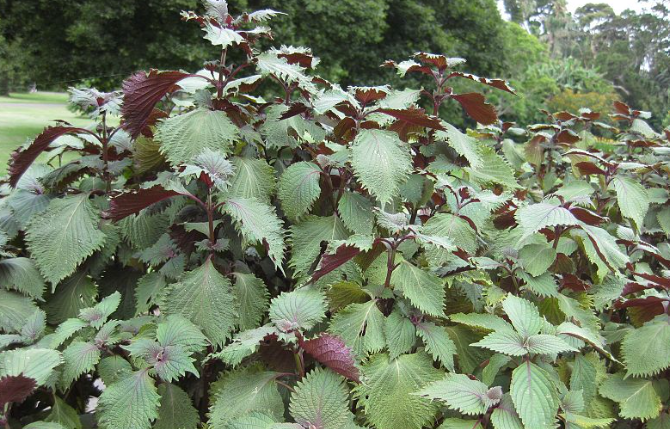
Types of Mint plants
1. Peppermint
Peppermint is the most commercially important and widely grown mint in the world, a natural hybrid between watermint and spearmint that produces the highest menthol concentrations of any commonly cultivated mint variety — typically 40 to 55 percent menthol in the essential oil. It is the primary flavoring in peppermint tea, mint chocolate, mint-flavored confectionery, toothpaste, mouthwash, and numerous pharmaceutical preparations, and the characteristic cool, refreshing menthol sensation it produces is one of the most universally recognized flavor experiences in the world. It grows to 18 to 36 inches as a vigorously spreading perennial, hardy in USDA zones 3 to 8.
2. Spearmint
Spearmint is the second most important commercial mint and the most widely used culinary mint in cooking, producing a sweeter, gentler, less intensely menthol flavor than peppermint due to its primary flavor compound being carvone rather than menthol. It is the mint of lamb sauce, mint jelly, Middle Eastern tabbouleh, Vietnamese spring rolls, mojito cocktails, and most fresh herb recipes that call simply for mint, and it is by far the most widely grown mint in home herb gardens. It grows to 12 to 24 inches as a vigorously spreading perennial, hardy in USDA zones 3 to 9.
3. Apple Mint
Apple Mint is one of the most popular specialty mint varieties, producing broad, slightly fuzzy, rounded leaves with a distinctive sweet, fruity, apple-like fragrance overlaying the standard mint character that gives it one of the most pleasant and universally appealing aromas of any mint variety. It is widely used in mint sauces, fruit salads, cocktails, and herbal teas where its sweet, fruity fragrance is considered more versatile and appealing than the sharper, more intensely menthol character of peppermint or spearmint. It grows to 18 to 30 inches as a vigorously spreading perennial, hardy in USDA zones 4 to 9.
4. Chocolate Mint
Chocolate Mint is one of the most popular and widely grown specialty mint varieties, producing a distinctive, extraordinary combination of peppermint freshness with a genuine, unmistakable dark chocolate-like fragrance undertone that makes it one of the most immediately interesting and appealing mint varieties for culinary use and herbal tea. The chocolate fragrance is most pronounced in freshly picked leaves warmed by the sun and it is used in desserts, hot chocolate, chocolate-mint cocktails, and baked goods where the combination of chocolate and mint flavors is desired without using synthetic flavorings. It grows to 18 to 24 inches, hardy in USDA zones 5 to 9.
5. Pineapple Mint
Pineapple Mint is a beautiful variegated mint variety producing attractively cream-edged, slightly fuzzy leaves with a sweet, fruity fragrance that combines apple mint character with a distinctive, tropical, pineapple-like note that makes it one of the most visually and aromatically unusual mint varieties for the herb garden. The attractive green and cream variegated foliage provides significant ornamental value alongside the pleasant fruity fragrance, making it one of the most decorative of all mint varieties for container growing and ornamental herb garden display. It grows to 12 to 18 inches, hardy in USDA zones 5 to 9.
6. Moroccan Mint
Moroccan Mint is the primary mint used in traditional North African mint tea — the most important and most widely consumed hot beverage across Morocco, Algeria, Tunisia, and the broader North African and Sahelian region — producing sweetly flavored, smooth, relatively low-menthol leaves of exceptionally pleasant, clean mint flavor. The sweet, clean, refreshing flavor of Moroccan mint is widely considered the finest of all spearmint types for fresh herbal tea and for Middle Eastern and North African cooking applications where the clean, gentle mint character is preferred over the more aggressive menthol of peppermint. It grows to 18 to 24 inches, hardy in USDA zones 6 to 9.
7. Watermint
Watermint is one of the two parent species of the widely grown peppermint hybrid, a native European wild mint species growing naturally along stream banks, pond edges, and in wet meadows, producing strongly aromatic, somewhat coarser leaves with high menthol content and a powerful, sharp mint fragrance. It is more water-tolerant than most other mint species and is valuable for planting near garden ponds, bog gardens, and in permanently moist soils where standard mint varieties would struggle with waterlogging. It grows to 12 to 24 inches as a spreading perennial, hardy in USDA zones 3 to 8.
8. Corsican Mint
Corsican Mint is the most compact and miniature of all commonly grown mint species, forming a dense, very low-growing, almost moss-like mat of tiny, intensely menthol-fragrant leaves reaching only 1 to 2 inches in height and spreading slowly to form a fragrant, emerald-green carpet. The extraordinarily compact size makes it outstanding for planting between paving stones, in rock gardens, and in terrariums where the sweet, clean, intense menthol fragrance is released delightfully when the mat is lightly trodden upon. It is hardy in USDA zones 6 to 9 and grows in moist, partially shaded conditions.
9. Pennyroyal
Pennyroyal is a strongly aromatic, low-growing mint species producing exceptionally high concentrations of pulegone — one of the most potent volatile compounds in the mint family — with a distinctively sharp, intense, penetrating minty fragrance quite different from the clean menthol of peppermint. It has been used for centuries as a natural insect repellent, culinary herb, and medicinal plant across European folk traditions, and the creeping form makes it useful as a low, aromatic ground cover in sunny, well-drained positions. It grows to 6 to 12 inches, is hardy in USDA zones 5 to 9, and is toxic if ingested in large quantities.
10. Lemon Mint
Lemon Mint produces a distinctive, refreshing combination of mint freshness and bright, genuine lemon citrus fragrance from limonene and linalool volatile compounds that give it one of the most versatile and appealing flavor profiles of any specialty mint variety. It is used in herbal teas, lemonade, cocktails, fruit salads, and culinary preparations where a combination of mint and lemon flavors is desired in a single herb, and the pleasant, bright, citrusy fragrance makes it one of the most appealing mints to grow near outdoor seating areas. It grows to 18 to 24 inches, hardy in USDA zones 5 to 9.
11. Strawberry Mint
Strawberry Mint is a specialty variety producing smooth, slightly rounded leaves with a distinctive, sweet, fruity strawberry-like fragrance note alongside the standard mint character that makes it one of the most unusual and appealing specialty mints for culinary use in desserts, cocktails, fruit salads, and fruit-based herbal teas. The strawberry-like fragrance is most pronounced in young leaves and in warm weather when the volatile compounds are most actively released, and it is a popular and increasingly widely available variety in specialist herb nurseries. It grows to 12 to 18 inches, hardy in USDA zones 5 to 9.
12. Ginger Mint
Ginger Mint is a pretty, variegated mint variety producing attractively gold-striped, smooth leaves with a distinctive, gently spicy, ginger-like fragrance note combined with a sweet mint character that makes it one of the most ornamentally attractive and culinarily interesting specialty mints available. The attractive gold and green striped foliage provides significant visual interest in the herb garden and the unusual ginger-mint flavor combination suits Asian-inspired cooking, ginger-mint cocktails, and spiced herbal tea preparations. It grows to 12 to 18 inches, hardy in USDA zones 5 to 9.
13. Basil Mint
Basil Mint produces an unusual and intriguing combination of mint freshness with a distinctive basil-like aroma — particularly the sweet, slightly spicy, clove-tinged character of Italian sweet basil — that makes it one of the most unusual and botanically interesting specialty mints for herb enthusiasts and adventurous cooks. The unusual basil-mint combination suits Mediterranean and Italian-inspired cooking applications where both basil and mint flavors are complementary, and it is a curiosity for specialist herb collections. It grows to 18 to 24 inches, hardy in USDA zones 5 to 9.
14. Banana Mint
Banana Mint is an unusual specialty mint producing smooth, slightly rounded, bright green leaves with a distinctive, sweet, fruity, tropical banana-like fragrance note alongside the standard mint character that makes it one of the most novel and conversation-generating specialty mints for herb enthusiasts and collectors. The banana-like fragrance is gentle and sweet rather than artificial-smelling and is genuinely pleasant for use in tropical-themed cocktails, fruit smoothies, and fruit salads where an unusual mint-banana combination is desired. It grows to 12 to 18 inches, hardy in USDA zones 5 to 9.
15. Spearmint Kentucky Colonel
Kentucky Colonel is a large-leafed, vigorous American spearmint cultivar producing broad, velvety, dark green leaves with an exceptionally sweet, rich, refined spearmint flavor that is widely considered the finest culinary spearmint available for traditional American mint julep cocktails — the signature drink of the Kentucky Derby. The leaves are larger and more substantial than standard spearmint, making them easier to handle and more productive for fresh leaf harvesting, and the flavor is consistently rated higher than standard spearmint in taste evaluations for fresh culinary use. It grows to 24 to 36 inches, hardy in USDA zones 4 to 9.
16. Vietnamese Mint
Vietnamese Mint is not a true mint but a strongly flavored herb with a distinctively sharp, spicy, peppery, mint-like fragrance produced by the compound decadienal alongside various aromatic compounds that create a flavor profile resembling mint combined with fresh coriander and white pepper. It is an essential ingredient in Vietnamese cooking — used in pho, spring rolls, salads, and numerous traditional Vietnamese dishes — and in the broader Southeast Asian culinary tradition where it is sometimes called laksa leaf or Vietnamese coriander. It grows to 12 to 18 inches as a tender perennial suited to USDA zones 9 to 12.
17. Japanese Mint
Japanese Mint is an East Asian mint species that is one of the most commercially important mint varieties in Asia, producing very high concentrations of menthol — sometimes exceeding 70 percent in the essential oil — that make it the primary commercial source of natural menthol for the global pharmaceutical, confectionery, and personal care industries. India is the world’s largest producer and exporter of Japanese mint oil, growing it extensively in the states of Uttar Pradesh and Himachal Pradesh, and the global menthol market relies heavily on Japanese mint oil as its primary natural raw material. It grows to 24 to 36 inches, hardy in USDA zones 5 to 9.
18. Curly Mint
Curly Mint is a distinctive variety producing attractively crinkled, ruffled, wavy-edged leaves with a classic, clean spearmint-type flavor that is more visually interesting and ornamentally appealing than standard flat-leafed spearmint varieties. The attractive, crinkled leaf texture creates visual interest in the herb garden and the ornamental foliage suits both culinary use and decorative herb garden display. It grows to 18 to 24 inches, hardy in USDA zones 4 to 9, and is a popular choice for ornamental herb garden plantings where visual variety in leaf texture is valued alongside flavor quality.
19. Lavender Mint
Lavender Mint produces a distinctive, pleasant combination of mint freshness with genuine lavender floral fragrance notes from linalool and linalyl acetate that give it one of the most attractive and sophisticated fragrance profiles of any specialty mint variety. The lavender-mint combination suits herbal tea blending, culinary use in lavender and herb-flavored baked goods and desserts, and potpourri and fragrance preparation where a naturally occurring mint-lavender combination is desired. It grows to 18 to 24 inches, hardy in USDA zones 5 to 9.
20. Orange Mint
Orange Mint, also sometimes called bergamot mint, produces a charming, gentle, fruity, orange-citrus fragrance note combined with a smooth, clean mint character from volatile compounds including linalool and limonene that make it one of the most versatile and popular specialty culinary mints. The orange-mint flavor combination suits fruit salads, citrus-based cocktails, herbal teas, and Mediterranean-inspired cooking where a lighter, fruitier mint flavor is preferred over the sharp intensity of peppermint or the clean sweetness of spearmint. It grows to 18 to 24 inches, hardy in USDA zones 4 to 9.
21. Eau de Cologne Mint
Eau de Cologne Mint produces an extraordinary, complex, genuinely perfume-like fragrance combining mint freshness with citrus, lavender, and floral notes that genuinely resembles the classic fragrance composition of traditional eau de cologne — a combination of bergamot, lavender, and citrus — making it one of the most aromatically sophisticated and unusual of all mint varieties. It is grown primarily for fragrance in potpourri, herbal sachets, cut flower arrangements, and ornamental herb gardens rather than as a culinary mint, and the exceptional fragrance complexity makes it a treasured specialty variety for mint collectors. It grows to 18 to 30 inches, hardy in USDA zones 5 to 9.
22. Spearmint Tashkent
Tashkent Spearmint is a Central Asian spearmint variety originating from the Uzbekistan capital region, producing large, bright green, smooth leaves with a very clean, sweet, refined spearmint flavor of outstanding quality widely used in traditional Central Asian cooking and herbal tea preparation. The very clean, pure spearmint flavor without excessive menthol intensity makes it particularly suited to fresh tea brewing and to cooking applications where a delicate, refined mint flavor is required. It grows to 18 to 24 inches, hardy in USDA zones 5 to 9, and is available from specialist herb and unusual variety seed suppliers.
23. Native Australian Mint
Native Australian Mints are a group of true mint-family Australian native plants producing various mint-like volatile aromatic compounds including menthol, menthone, and pulegone that give them characteristic mint-like fragrances adapted to the Australian climate. They are grown primarily in Australia for ornamental and culinary use and represent an important component of the growing bushfood and native plant culinary movement. Different Australian native mint species produce slightly different fragrance and flavor profiles suited to different culinary applications in Australian native cuisine.
24. Pennyroyal Creeping
Creeping Pennyroyal is a low-growing, ground-covering form of pennyroyal that spreads vigorously along the ground surface rather than growing upright, producing an intensely aromatic, pulegone-rich, low carpet of small, strongly scented mint leaves reaching only 2 to 4 inches in height. The creeping habit makes it outstanding for filling gaps between paving stones, covering bare ground in herb gardens, and planting as a fragrant, low-maintenance ground cover in sunny, well-draining positions. It is hardy in USDA zones 5 to 9 and releases its intense mint fragrance when lightly trodden upon.
25. Corn Mint
Corn Mint is a native European wild mint species commonly found growing as a weed in arable fields and disturbed ground, producing strongly aromatic, moderately menthol-flavored leaves with a slightly harsher, more astringent flavor than cultivated peppermint. It is an important commercial mint in some Asian countries where it is grown for menthol extraction, and it is a valuable wildflower for native plant gardens and naturalistic garden settings. It grows to 12 to 18 inches as a spreading annual or short-lived perennial and is hardy in USDA zones 5 to 9.
26. Bergamot Mint
Bergamot Mint produces a distinctively complex, lightly citrusy, slightly floral fragrance that resembles the bergamot orange used to flavor Earl Grey tea, making it one of the most sophisticated and culinarily interesting specialty mint varieties for herbal tea preparation and culinary applications where a citrusy, floral mint note is desired. The bergamot-like fragrance comes from high linalool content in the aromatic oil and the delicate, complex aroma makes it popular for potpourri and fragrance preparations as well as culinary use. It grows to 18 to 30 inches, hardy in USDA zones 4 to 9.
27. Field Mint
Field Mint is a widely distributed Asian mint species native across a broad range from Afghanistan to Japan, producing aromatic leaves with a clean, moderate menthol content used in traditional herbal medicine and cooking across South, East, and Southeast Asia. It is one of the most ecologically important and widely distributed wild mint species in Asia, growing in moist meadows, along stream banks, and in disturbed habitats across a vast geographic range. It grows to 12 to 24 inches as a spreading perennial and is an important ingredient in traditional Asian herbal medicine preparations.
28. Slender Mint
Slender Mint is a native Australian mint species producing long, narrow, delicate leaves with a distinctive, clean mint fragrance and flavor suited to Australian bushfood cooking and native plant herbal medicine. It grows in moist, sheltered positions in eastern Australian forests and woodland margins and is increasingly available from Australian native plant nurseries as part of the growing interest in edible Australian native plants. It grows to 18 to 36 inches as a spreading perennial suited to warm, moist growing conditions in USDA zones 8 to 11.
29. Apple Mint Variegated
Variegated Apple Mint is an ornamental form of standard apple mint producing the same sweet, fruity apple-mint fragrance but with attractively cream to white-edged, slightly fuzzy leaves that are among the most visually appealing of all variegated herb plant foliage. The variegated form is grown as much for its ornamental foliage value as for its pleasant fragrance and flavor, and it is one of the finest variegated herbs for ornamental kitchen garden and container herb garden display. It grows to 18 to 24 inches, hardy in USDA zones 5 to 9.
30. Egyptian Mint
Egyptian Mint is an ancient cultivated mint variety with origins in North African agriculture, producing large, smooth, moderately aromatic leaves with a clean, slightly sweet mint flavor of good culinary quality used in traditional North African and Middle Eastern cooking and tea preparation. It is closely related to Moroccan mint and shares its suitability for traditional North African mint tea preparations. It grows to 24 to 36 inches as a vigorous, spreading perennial, hardy in USDA zones 6 to 9, and is available from specialist herb suppliers serving the Middle Eastern and North African cooking community.
31. Peppermint Black
Black Peppermint is a named peppermint cultivar producing very dark, bronze-green to near-black leaves with exceptionally high menthol content — typically higher than standard peppermint — and a particularly intense, powerful, complex peppermint fragrance. The dark leaf color provides visual interest in the herb garden and the very high menthol content makes it the preferred variety for essential oil production and for applications where maximum menthol intensity is desired. It grows to 24 to 36 inches, hardy in USDA zones 3 to 8, and is widely available from specialist herb nurseries.
32. Peppermint White
White Peppermint is a named peppermint cultivar producing distinctively lighter, greener leaves than Black Peppermint with a somewhat sweeter, smoother, less harsh peppermint flavor that is preferred by many tasters for fresh herbal tea and culinary use where extreme menthol intensity would be overpowering. The slightly gentler, sweeter flavor profile makes White Peppermint particularly popular for peppermint tea production where a smooth, pleasant rather than aggressively menthol tea character is desired. It grows to 18 to 30 inches, hardy in USDA zones 3 to 8.
33. Grapefruit Mint
Grapefruit Mint produces one of the most unusual and appealing specialty mint fragrances available, combining standard mint freshness with a genuine, bright, tart, citrusy grapefruit-like aroma from limonene and other citrus volatile compounds that makes it immediately recognizable and memorable among specialty mints. The grapefruit-mint combination suits cocktails, sparkling water infusions, fruit salads, and fresh tea preparations where an unusual, citrusy mint character is desired, and the pleasant, bright aroma makes it a popular container plant for patios and outdoor dining areas. It grows to 12 to 18 inches, hardy in USDA zones 5 to 9.
34. Lime Mint
Lime Mint produces a bright, tart, lime-citrus fragrance combined with clean mint freshness from limonene and citral volatile compounds that create a genuinely lime-like aromatic profile alongside standard mint character. It is particularly popular in Mexican and Latin American inspired cocktails and cooking where lime and mint are natural flavor companions, and the fresh, bright lime-mint combination suits contemporary cocktail culture where botanical flavor complexity is highly valued. It grows to 18 to 24 inches, hardy in USDA zones 5 to 9.
35. Catnip
Catnip is one of the most widely known and biologically interesting mint-family plants, producing nepetalactone — a volatile compound that triggers intense euphoric behavioral responses in domestic cats while simultaneously acting as a potent natural insect repellent — alongside other aromatic compounds that give it a distinctive, somewhat bitter, mint-like fragrance. Iowa State University research demonstrated that nepetalactone is approximately ten times more effective than DEET as an insect repellent for certain species. It grows to 18 to 36 inches as a vigorously spreading perennial, hardy in USDA zones 3 to 9.
36. Catmint
Catmint is the ornamental garden cousin of catnip, producing similar nepetalactone compounds but in lower concentrations alongside a more refined, softer, lavender-like fragrance that makes it considerably more pleasant as a garden plant than the coarser catnip. It produces outstanding, long-lasting displays of small lavender-blue flowers from early summer through autumn that are among the finest of any mint-family plant for attracting bees, butterflies, and other pollinators. It grows to 18 to 36 inches as a compact, mounding perennial, hardy in USDA zones 4 to 8.
37. Spearmint Scotch
Scotch Spearmint is an important commercial spearmint variety grown primarily in the Pacific Northwest of the United States for the production of spearmint oil used in flavoring chewing gum, confectionery, and toothpaste, producing a slightly different chemical profile — higher in dihydrocarvone — than standard spearmint that gives the oil a uniquely smooth, rounded spearmint character considered by the flavor industry as distinctly different from standard spearmint oil. Oregon and Washington State together produce the majority of American Scotch spearmint oil and it is the mint oil used in the vast majority of American chewing gum flavoring.
38. Peppermint Chocolate
Chocolate Peppermint is a specific named cultivar distinct from the Chocolate Mint variety described earlier, producing standard peppermint-intensity menthol alongside a chocolate fragrance note that is somewhat stronger and more pronounced than in the standard Chocolate Mint variety. It is one of the most popular specialty mint varieties for growing in containers and herb gardens specifically for fresh leaf use in chocolate desserts, hot chocolate beverages, and chocolate mint cocktails. It grows to 18 to 24 inches, hardy in USDA zones 5 to 9, and is widely available from specialist herb nurseries.
39. Wild Mint
Wild Mint is the collective term for various naturally occurring, unselected mint species and populations found growing in wild and semi-wild habitats across the temperate world, typically in moist soils near water, in hedgerows, and in damp meadows. Wild mint plants vary considerably in fragrance and flavor depending on their exact species and local ecotype, ranging from strongly menthol-scented forms to milder, more aromatic types, and they play important ecological roles as food plants for mint moth caterpillars, pollen sources for bees, and habitat components in wetland and riparian ecosystems.
40. Cuban Mint
Cuban Mint is a strongly flavored spearmint variety originating from Cuban culinary tradition where it is used as an essential ingredient in the classic mojito cocktail and in traditional Cuban cooking, producing large, smooth, intensely flavored leaves with a particularly clean, sweet, robust spearmint character ideally suited to muddling in cocktails where maximum mint flavor release is desired. The very large leaf size and robust flavor make it outstanding for mojitos, mint juleps, and other cocktails where fresh mint is muddled or pressed. It grows to 18 to 30 inches, hardy in USDA zones 6 to 9.
41. Spearmint Native
Native Spearmint refers to naturally occurring wild spearmint populations found growing in moist habitats across Europe and western Asia — the original wild ancestor from which all cultivated spearmint varieties were developed — producing aromatic, carvone-rich leaves with a clean, genuine spearmint character that differs subtly from any specific named cultivar. Wild native spearmint populations were the primary culinary and medicinal mint used across European and Middle Eastern cultures for thousands of years before the development of named cultivars, and some foragers and traditional herb enthusiasts still prefer wild-gathered native spearmint for its unmodified, authentic flavor character.
42. Spear Mint Emerald Gem
Emerald Gem is a refined spearmint cultivar producing attractively bright, vivid, emerald-green, crinkled leaves with a very clean, sweet, refined spearmint flavor of exceptional quality that is particularly suited to fresh herbal tea preparation and fine culinary applications where the appearance of the fresh herb is as important as the flavor. The vividly colored, attractive crinkled foliage provides excellent ornamental value in the herb garden and the high-quality flavor makes it a premium culinary spearmint for chefs and serious home cooks. It grows to 18 to 24 inches, hardy in USDA zones 4 to 9.
43. Julep Mint
Julep Mint is a large-leafed American mint cultivar developed specifically for producing the finest possible Kentucky-style mint julep cocktails, producing very large, soft, velvety, richly flavored spearmint leaves with a smooth, sweet, refined mint character that releases maximum flavor when gently muddled in the bottom of a julep glass without the harsh, bitter notes that some other mint varieties can develop when pressed too vigorously. It grows to 24 to 36 inches as a vigorous perennial, hardy in USDA zones 4 to 9, and is widely available from American herb nurseries and specialty cocktail supply companies.
44. Spearmint Crispa
Crispa Spearmint produces attractively heavily crinkled, ruffled, bright green leaves with a good, clean spearmint flavor and a particularly decorative appearance that makes it one of the most ornamentally attractive of all spearmint varieties for herb garden display and as a garnish plant for cocktails and culinary presentations. The heavily crinkled leaves provide maximum surface area for flavor release in cocktails and culinary preparations and the attractive, ruffled appearance makes individual leaves visually striking as cocktail and dessert garnishes. It grows to 18 to 24 inches, hardy in USDA zones 4 to 9.
45. Hairy Mountain Mint
Hairy Mountain Mint is a native North American mint-family perennial producing dense, upright stems of narrow, aromatic leaves with a distinctive, pungent, thyme-like mint fragrance from pulegone and thymol-type compounds alongside true mint volatile compounds. It is a valuable native wildflower for pollinator gardens, attracting an extraordinary diversity of native bees, wasps, and butterflies in larger numbers than almost any other native wildflower of comparable size. It grows to 18 to 30 inches as an upright perennial, hardy in USDA zones 4 to 8, and provides outstanding ecological value as a native plant.
46. Inca Mint
Inca Mint is a specialty mint variety with origins in Andean South American traditional herb culture, producing aromatic leaves with a distinctive, slightly spicy, complex mint fragrance that reflects its adaptation to high-altitude growing conditions where different concentrations of aromatic compounds develop compared to temperate-grown standard mint varieties. It is available from specialist herb nurseries and South American culinary ingredient suppliers and is increasingly of interest to contemporary chefs exploring South American food traditions and indigenous ingredient diversity. It grows to 18 to 24 inches, hardy in USDA zones 5 to 9.
47. Peppermint Stirling
Stirling Peppermint is an Australian-developed peppermint cultivar bred for commercial essential oil production in Australian growing conditions, producing very high menthol-content oil from vigorous, productive plants particularly well-adapted to the warm, dry Australian climate where standard Northern Hemisphere peppermint varieties perform less reliably. Australia has developed a significant commercial peppermint oil production industry using locally bred cultivars including Stirling that perform optimally in Australian growing conditions, reducing dependence on imported mint oil from the United States and India. It grows to 24 to 36 inches, hardy in USDA zones 5 to 10.
48. Chinese Mint
Chinese Mint is an East Asian mint species widely cultivated across China for both culinary use and traditional Chinese medicine, producing aromatic leaves with a moderate menthol content and a slightly different, more complex, mildly herbal fragrance character than Western peppermint or spearmint varieties. In traditional Chinese medicine it is used for its cooling, dispersing properties and it remains one of the most widely used medicinal plants in the Chinese pharmacopoeia. It grows to 12 to 24 inches, hardy in USDA zones 5 to 9, and is available from specialist Asian herb and traditional medicine plant suppliers.
49. Doublemint
Doublemint is a commercial spearmint cultivar developed specifically for the flavor requirements of the Wrigley’s Doublemint chewing gum product — one of the most widely sold confectionery products in the world — producing a specific, smooth, clean spearmint oil character of the precise flavor profile required for this iconic product. While the specific cultivar details are proprietary to Wrigley’s commercial growing contracts, Doublemint-type spearmint varieties have been commercially cultivated in the Pacific Northwest of the United States for decades to supply the consistent, high-volume spearmint oil requirements of the global chewing gum industry.
50. Tall Peppermint
Tall Peppermint is a vigorous, large-growing peppermint cultivar producing an exceptionally tall, upright plant reaching 36 to 48 inches in height — significantly taller than standard peppermint varieties — with very productive, large leaves of good peppermint flavor and aroma that make it one of the highest-yielding peppermint varieties for fresh leaf production per plant. The exceptional plant height and productivity make it particularly valuable for large-scale fresh mint harvesting and for garden situations where a tall, structural, aromatic mint plant is desired as a border backdrop or aromatic screen planting. It is hardy in USDA zones 3 to 8.