A Practical Guide to More Blooms and Healthier Plants
Lantana is one of those garden plants that seems to become happier as summer becomes hotter.
While many flowering plants begin to struggle when temperatures rise and rainfall becomes less predictable, lantana can continue producing clusters of colorful flowers with surprisingly little attention. Its rough-textured foliage, branching growth, and almost continuous succession of blooms make it useful in borders, containers, slopes, pollinator gardens, and other sunny locations.
But lantana has a personality that is easy to misunderstand.
A gardener accustomed to pampering flowering plants may give it too much water, too much fertilizer, or too little sunlight. The result can be a large, leafy plant that produces fewer flowers than expected.
Lantana generally performs best when its basic needs are met and then it is allowed to do what it naturally does well: grow vigorously in warmth and produce flowers.
The following guide explains how to grow and care for lantana, but more importantly, it explains why certain practices work. Understanding the plant makes it much easier to diagnose problems when flowering or growth isn’t going as expected.
Also Read: Different Types of Lantana Varieties
What Makes Lantana Different?
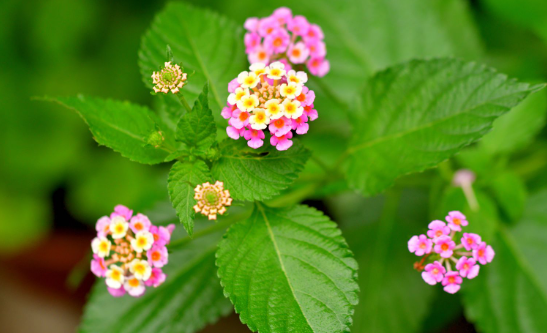
Lantana refers to a group of flowering plants in the verbena family, with several species and hybrids grown ornamentally.
The plants are particularly valued for their clusters of small flowers, which may appear in combinations of:
- Yellow
- Orange
- Red
- Pink
- White
- Lavender
- Purple
Some varieties change flower color as individual blooms age. A cluster can therefore contain several colors at the same time, creating the characteristic multicolored appearance associated with many lantanas.
Different cultivars also vary considerably in size.
Some remain relatively compact and work well in containers, while others develop into large, spreading plants suitable for landscape planting.
Choosing the right variety is therefore the first step toward successful lantana cultivation.
A vigorous trailing variety planted in a small container may require constant pruning. A compact variety planted in a large landscape bed may never fill the space as effectively as you hoped.
Match the plant to the job.
Start With Sunlight
If lantana could choose its own planting location, it would probably choose an open, sunny site.
Give it at least six hours of direct sunlight per day, with additional sunlight generally producing stronger growth and more abundant flowering.
Insufficient sunlight is one of the first things to investigate when lantana becomes leafy but produces few flowers.
Plants growing in too much shade may develop:
- Long, weak stems
- Sparse branching
- Fewer flowers
- Larger gaps between leaves
- A tendency to lean toward brighter areas
Moving a plant into stronger light can sometimes improve flowering more dramatically than adding fertilizer.
This is an important gardening principle: don’t try to correct a light problem with nutrients.
If the plant doesn’t have enough sunlight, additional fertilizer cannot replace the energy it would otherwise obtain through photosynthesis.
Choose a Location With Good Drainage
Lantana is adaptable to many soil types, but consistently waterlogged soil can cause serious problems.
The roots need access to oxygen as well as moisture.
Heavy clay that remains saturated after rain is therefore less suitable than loose, well-drained soil.
If your garden has poor drainage, consider planting lantana in a raised bed or improving the soil structure before planting.
Organic matter can help improve many soils, but avoid turning the planting hole into a small pocket of radically different soil.
Roots eventually spread beyond that pocket.
It is better to improve the broader planting area so that water moves through the soil consistently.
Don’t Assume Rich Soil Means More Flowers
Lantana doesn’t require exceptionally fertile soil to flower well.
In fact, excessive fertility—particularly excessive nitrogen—can encourage vigorous leafy growth while reducing the balance between foliage and flowers.
If your lantana is enormous and green but flowering poorly, don’t automatically reach for fertilizer.
First ask:
- Is it receiving enough sunlight?
- Is it being overwatered?
- Has it become overcrowded?
- Has it been pruned at the wrong time?
- Is excessive nitrogen encouraging vegetative growth?
Only after considering these factors should fertilizer become part of the solution.
Moderately fertile soil is often enough for healthy lantana.
Plant Lantana After Cold Weather
Lantana thrives in warm conditions and is particularly sensitive to freezing temperatures.
In climates where winter temperatures fall below freezing, wait until the danger of frost has passed before planting outdoors.
Warm soil helps roots establish more quickly.
Planting too early can expose young plants to cold conditions when they are least prepared to handle them.
In warm climates, lantana may behave as a perennial and continue growing for years.
In colder regions, it is often grown as an annual or overwintered indoors.
Your climate therefore determines whether lantana is a short-term seasonal flower or a long-term landscape plant.
Give Newly Planted Lantana Enough Water
Although established lantana is drought tolerant, newly planted specimens require regular moisture while their roots establish.
Water deeply enough to moisten the root zone.
Then allow the upper portion of the soil to dry somewhat before watering again.
This encourages roots to move outward and downward rather than remaining concentrated near the soil surface.
Once established, lantana generally becomes much more tolerant of dry conditions.
This doesn’t mean it should be deliberately neglected.
During prolonged heat and drought, even drought-tolerant plants can become stressed.
The goal is to develop a plant that can use available moisture efficiently, not to deprive it of water.
Also Read: Pink lantana Varieties
Water the Soil Rather Than the Foliage
Whenever possible, direct irrigation toward the base of the plant.
Keeping foliage dry helps reduce the amount of time leaves remain wet, which is particularly useful in humid climates.
Morning watering is generally preferable to watering late in the evening because any moisture that reaches the foliage has more opportunity to evaporate during the day.
Drip irrigation or a soaker hose can be particularly useful in larger plantings.
Mulching Lantana
A moderate layer of organic mulch can make lantana easier to maintain.
Mulch helps:
- Reduce evaporation
- Suppress weeds
- Moderate soil temperature
- Reduce soil erosion
- Prevent soil from splashing onto lower foliage
Suitable materials include shredded leaves, compost, pine bark, or straw.
However, don’t pile mulch directly against the stems.
Leave a small gap around the plant’s base to improve airflow and prevent excessive moisture from accumulating around the crown.
Fertilize With Restraint
Lantana generally doesn’t need heavy feeding.
If your soil is reasonably fertile, a light application of a balanced fertilizer during active growth may be sufficient.
Container-grown plants can have greater nutritional requirements because frequent watering can gradually wash nutrients from the growing medium.
Even then, avoid the temptation to feed heavily.
If lantana produces enormous leaves but relatively few flowers, excessive fertilizer may be part of the problem.
Flowering plants need nutrients, but they also need sunlight and an appropriate balance between vegetative and reproductive growth.
Pruning Can Transform the Plant
Lantana responds well to pruning, particularly when plants become overgrown, woody, or sparse.
Regularly removing the tips of growing stems can encourage branching.
More branches mean more potential locations for flower clusters.
This is particularly useful for plants that have developed long, bare stems.
A more substantial pruning can also rejuvenate older plants.
Remove weak, damaged, or excessively long stems and reshape the plant according to its intended purpose.
However, avoid treating pruning as a substitute for adequate sunlight.
A heavily shaded lantana may become leggy again even after being cut back.
Deadheading Isn’t Always Necessary
Lantana can continue flowering without meticulous deadheading, but removing spent flower clusters can improve the plant’s appearance and may encourage continued flowering.
If you want a very tidy display, inspect plants regularly and remove faded clusters.
If you prefer a more natural garden, you can leave some flowers to develop berries.
This creates another interesting dimension to lantana’s seasonal cycle.
However, if you are trying to maintain maximum flowering, preventing excessive seed production can help keep the plant focused on continued growth and flowering.
How to Get More Flowers
If lantana isn’t flowering as expected, work through the basics before changing your fertilizer program.
1. Increase sunlight
This is often the first and most important adjustment.
2. Reduce excessive watering
Constantly wet soil can stress roots and encourage weak growth.
3. Check fertilizer
High nitrogen can encourage foliage at the expense of flowers.
4. Prune strategically
Encourage branching rather than allowing long, bare stems to dominate.
5. Give the plant enough space
Crowded plants receive less light and have poorer airflow.
The most productive lantana plants are generally those growing under conditions that favor strong, compact growth rather than soft, overly lush vegetation.
Also Read: Yellow Lantana Varieties
Growing Lantana in Containers
Lantana is an excellent container plant.
Compact and trailing cultivars can spill attractively over the edges of pots, hanging baskets, and window boxes.
Use a container with drainage holes and a well-drained potting mix.
The container should be large enough to support the mature plant without holding an excessive volume of wet soil.
Container plants dry out more quickly than those growing in the ground, particularly during hot weather.
Check the moisture level regularly.
But don’t establish a routine of watering automatically every day.
Instead, check the soil and water when necessary.
This simple habit prevents both drought stress and chronic overwatering.
Choosing a Container Location
The advantage of container-grown lantana is mobility.
If the plant isn’t receiving enough sunlight, you can move it.
If excessive rain is keeping the soil saturated, you can relocate it to a more sheltered position.
If the plant becomes too large for the space, pruning or repotting can restore balance.
Place containers where they receive several hours of direct sunlight.
A sunny patio, balcony, porch, or garden entrance can provide an excellent growing location.
Lantana as a Pollinator Plant
One of lantana’s most valuable characteristics isn’t immediately obvious from its appearance.
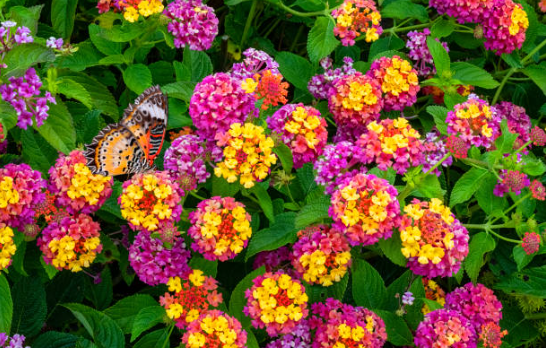
Its flowers attract numerous insects, particularly butterflies and other nectar-feeding pollinators.
This makes lantana useful in gardens designed to support pollinating insects.
Instead of planting a single ornamental specimen, consider combining lantana with other flowering plants that bloom at different times.
This creates a more continuous food source.
Good companions can include:
- Salvia
- Zinnia
- Coneflower
- Verbena
- Marigold
- Sunflower
- Pentas
The result is not simply a more colorful garden but a more biologically active one.
Lantana and Beneficial Insects
A garden containing lantana can attract more than butterflies.
Other insects may visit the flowers for nectar, while predatory species can help control pests elsewhere in the garden.
This is one reason it is often better to tolerate minor insect activity rather than immediately treating every insect as a problem.
A few aphids on a healthy plant may not justify spraying.
If beneficial insects are present, they may naturally bring the population under control.
Observe first.
Treat second.
Common Lantana Problems
Lantana is generally robust, but it can still experience problems.
Powdery mildew
Powdery mildew can appear as a pale or white coating on leaves.
It becomes more likely when plants have poor airflow or when foliage remains humid for long periods.
Provide adequate spacing and sunlight.
Avoid repeatedly wetting leaves.
Root problems
Persistent wet soil can lead to weak roots and general decline.
Symptoms may include:
- Yellow leaves
- Wilting despite wet soil
- Slow growth
- Stem decline
The solution is usually better drainage and more appropriate watering rather than additional fertilizer.
Aphids
Aphids may gather on tender shoots.
Inspect the plant regularly.
Natural predators can often control small infestations.
Whiteflies
Whiteflies may sometimes gather beneath leaves.
Strong infestations can weaken plants.
Monitor the undersides of leaves and encourage beneficial insects where possible.
Winter Care for Lantana
Winter care depends heavily on your climate.
In warm regions where frost is uncommon, lantana can remain outdoors and continue growing, although growth may slow during cooler periods.
In colder climates, plants may die back after frost.
If growing lantana in a container, you may be able to move it into a protected location before freezing temperatures arrive.
Reduce watering during periods of slow growth.
If you overwinter lantana indoors, place it in a bright location and avoid keeping the soil constantly wet.
The plant doesn’t need to grow vigorously during winter.
Its goal is simply to survive until conditions improve.
Can You Grow Lantana From Cuttings?
Yes.
Vegetative propagation from cuttings can be an effective way to produce new plants that retain the characteristics of the parent plant.
Take healthy cuttings from actively growing stems and place them into a suitable rooting medium under appropriate humidity and light.
Once roots develop and the new plant begins producing fresh growth, it can gradually be moved into a larger container or permanent planting location.
This is particularly useful when you have a lantana cultivar with flower colors or growth habits you particularly like.
Growing from seed can produce more variation, while cuttings provide a way to clone desirable plants.
Growing Lantana From Seed
Lantana can also be grown from seed, although germination and growth can vary.
Allow berries to mature fully if you intend to collect seed.
Remove and clean the seeds before sowing.
Seed-grown plants may not look identical to the parent, particularly when they come from hybrid varieties.
That variability can be an advantage for gardeners who enjoy experimentation.
But if you want a plant identical to a specific cultivar, propagation by cuttings is usually the better approach.
A Word of Caution About Lantana
Lantana deserves a little extra consideration when choosing where to grow it.
Some lantana species and their berries can be toxic if eaten, particularly when the berries are unripe.
This is important if you have young children or pets that may chew plants.
In addition, some lantana species can become invasive in certain regions.
The behavior varies by species, cultivar, and climate.
Before planting lantana in natural areas or allowing it to spread freely, check whether the particular type is considered invasive in your region.
Responsible gardening means choosing plants not only for how well they grow but also for how they interact with the surrounding environment.
A Simple Lantana Maintenance Routine
You don’t need a complicated schedule to keep lantana healthy.
During the growing season:
Check the soil.
Water when necessary rather than following an automatic schedule.
Inspect the foliage.
Look for pests, discoloration, or signs of disease.
Remove damaged growth.
Prune weak or diseased stems promptly.
Encourage branching.
Trim overly long shoots when necessary.
Deadhead when desired.
Remove faded clusters if you want a tidier appearance or continued flowering.
Monitor sunlight.
Make sure surrounding plants aren’t gradually shading the lantana.
Feed sparingly.
Only supplement nutrients when soil fertility or plant performance indicates a need.
This approach takes much less time than constantly treating problems after they appear.
Why Lantana Often Does Better With Less Attention
There is a useful contradiction at the heart of lantana care.
The plant looks tropical and exuberant, so gardeners sometimes assume it needs abundant water and fertilizer.
It doesn’t.
Lantana’s real strength is its ability to tolerate heat, bright sunlight, and periods of dry soil once established.
Its thick, textured foliage and vigorous branching allow it to remain productive when other flowering plants begin struggling.
That means the gardener’s role is often to remove obstacles rather than constantly supply resources.
Give it sunlight.
Provide drainage.
Water while it establishes.
Avoid excessive fertilizer.
Prune when necessary.
Then allow the plant to grow.
The Lantana Formula for Abundant Flowers
If you want to reduce lantana care to a handful of principles, remember:
Sun + drainage + moderate moisture + restrained feeding + strategic pruning.
Sun provides the energy needed for flowering.
Good drainage keeps the roots healthy.
Moderate moisture supports growth without creating waterlogged conditions.
Restrained feeding prevents excessive vegetative growth.
Pruning encourages the branching that creates more flowering points.
Once those conditions are in place, lantana can become remarkably productive.
Final Thoughts: Let Lantana Be Tough
The greatest mistake you can make with lantana is treating it as though it were a delicate flower.
It isn’t.
Lantana is a plant built for warmth, sunlight, and periods of challenging weather. It can tolerate conditions that would make many other flowering plants struggle, provided its roots aren’t kept constantly wet and it receives sufficient light.
The most beautiful plants aren’t necessarily the ones that receive the most water or fertilizer.
They are the ones growing in the right conditions.
Give lantana a sunny location, well-drained soil, enough moisture to establish strong roots, and occasional pruning, and it can reward you with months of colorful flowers.
And there is another reason to grow it.
A lantana covered in flowers is not merely attractive to the gardener. It becomes a busy feeding station for butterflies and other nectar-seeking insects, turning an ornamental planting into a small but active part of the garden ecosystem.
That’s perhaps the best way to think about lantana.
It isn’t a plant that needs to be constantly managed.
It is a plant that needs to be placed correctly, established properly, and then allowed to perform.
Get those first decisions right, and lantana can become one of the easiest—and most rewarding—flowering plants in a sunny garden.