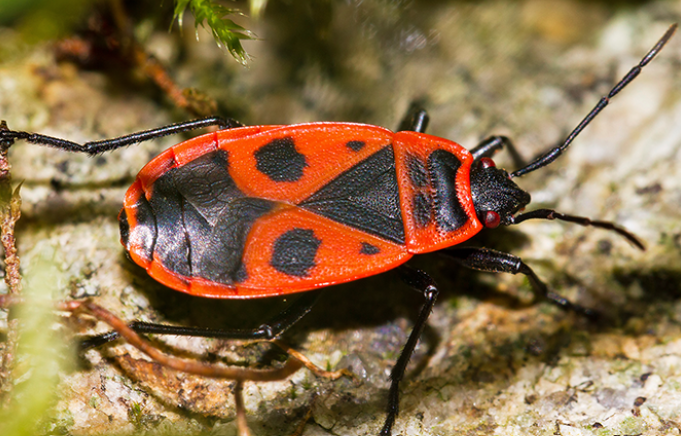
Beetles are the largest order of insects on Earth, belonging to the order Coleoptera, which means “sheathed wing” in Greek. They are found on every continent except Antarctica and have adapted to virtually every terrestrial and freshwater habitat imaginable. With over 400,000 described species, beetles account for roughly 40% of all insect species and about 25% of all known animal species on the planet.
Beetles range in size from the tiny feather-winged beetles measuring just 0.3 mm to the Goliath beetle, which can reach up to 11 cm in length and weigh over 100 grams. Their most defining feature is the hardened front wings, called elytra, which fold over the abdomen to protect the delicate hindwings used for flight. This protective armour has been a key factor in their remarkable evolutionary success over approximately 300 million years.
Beetles play critical ecological roles as decomposers, pollinators, predators, and prey across nearly all ecosystems. Some species are invaluable to agriculture as natural pest controllers, while others are considered serious agricultural pests themselves, causing billions of dollars in crop damage annually. Their diversity in diet, behaviour, and form makes them one of the most studied and fascinating groups in the entire animal kingdom.
Also Read: Different Types of Beetles
Beetles With Red and Black Coloration
Scarlet Lily Beetle (Lilioceris lilii)
A strikingly vivid insect, the scarlet lily beetle displays a brilliant red body contrasted against jet-black legs, antennae, and undersides. Native to Europe and Asia, it has spread widely as an invasive pest and is notorious for devastating lily and fritillary plants. Both adults and larvae feed voraciously on foliage, often causing severe defoliation.
Seven-Spot Ladybird (Coccinella septempunctata)
One of the most recognisable beetles in the world, the seven-spot ladybird features a bold red body adorned with seven black spots. Found across Europe, Asia, and North America, it is a celebrated garden ally, with a single adult consuming up to 5,000 aphids during its lifetime. Its bright colouration serves as a warning to predators of its unpleasant taste.
Two-Spot Ladybird (Adalia bipunctata)
Smaller than its seven-spot cousin, the two-spot ladybird carries a red body marked with just two prominent black spots. It is highly variable, with some individuals displaying reversed colouration — black with red spots. Widely distributed across the Northern Hemisphere, it is an equally effective predator of aphids and scale insects in gardens and woodlands.
Fire-Coloured Beetle (Pyrochroa serraticornis)
Named for its intensely fiery red and black appearance, this beetle belongs to the family Pyrochroidae and is found across Europe and parts of Asia. The head and pronotum are a deep red-orange, while the elytra and abdomen are typically darker. Larvae develop under loose bark of dead and decaying broadleaf trees, making them indicators of healthy woodland ecosystems.
Red-and-Black Froghopper (Cercopis vulnerata)
Though sometimes classed among true bugs, this striking insect is frequently grouped with red-and-black beetles due to its appearance and beetle-like behaviour. It displays bold red patches on black elytra-like wing covers and is common in European meadows and woodland edges. The nymphs live underground and feed on plant roots, while adults are agile jumpers.
Cardinal Beetle (Pyrochroa coccinea)
The cardinal beetle is a visually stunning European species with vivid scarlet wing covers and a black head, contrasting sharply with its dark underside and legs. Adults are commonly spotted on flowers and tree bark from late spring through summer. The larvae are predatory, living beneath bark and feeding on other insect larvae for up to four years before reaching adulthood.
Red-Shouldered Pine Borer (Stictoleptura canadensis)
This North American longhorn beetle features striking red and black patterning across its elytra and thorax. It is associated with pine and spruce forests, where adults feed on flowers and pollen while larvae bore into weakened or dying conifer trees. Its elongated antennae, typical of the longhorn family Cerambycidae, can exceed the length of its own body.
Red Milkweed Beetle (Tetraopes tetrophthalmus)
A bright red beetle with bold black spots and markings, the red milkweed beetle is found across eastern North America and is closely associated with milkweed plants. It is one of the few insects that sequesters toxic cardiac glycosides from milkweed, making itself unpalatable to predators. Its conspicuous red-and-black colouration is a classic example of aposematic warning colouration.
Also Read: Beetles That Glow at Night
Spotted Cucumber Beetle (Diabrotica undecimpunctata)
This North American agricultural pest displays a yellowish-green to reddish body covered with eleven black spots, giving it a ladybird-like appearance. It attacks cucumbers, squash, corn, and other crops, causing significant economic damage across the United States and Canada. Beyond direct feeding damage, it is also a vector for bacterial wilt and cucumber mosaic virus.
Red Oak Borer (Enaphalodes rufulus)
A large and visually impressive longhorn beetle, the red oak borer features a reddish-brown body with darker black markings and long, segmented antennae. Found throughout eastern North America, it is a serious pest of oak trees, with larvae tunnelling deep into heartwood and causing structural damage. Outbreaks have been linked to significant oak decline in the Ozark Highlands.
Bombardier Beetle (Brachinus species)
Several bombardier beetle species display a vivid combination of red or orange and black colouration. They are famous for their extraordinary chemical defence mechanism, expelling a boiling-hot toxic spray from their abdomen with an audible pop when threatened. Found across multiple continents, these beetles produce the spray through an explosive chemical reaction involving hydroquinone and hydrogen peroxide.
Red-Necked Longhorn Beetle (Aromia moschata)
This elongated European and Asian species features a distinctive reddish or coppery pronotum contrasting against dark, often greenish-black elytra. It emits a rose-like musky scent from glands in its thorax, which is thought to play a role in mate attraction. Larvae develop within willow trees, and the species is considered a minor pest of willows and poplars in some regions.
Tanbark Borer (Phymatodes testaceus)
A variable European longhorn beetle, the tanbark borer commonly displays combinations of red, yellow, and black across its body and wing covers. It breeds in the bark of recently felled or dying oaks and other hardwoods, where larvae develop over one to two years. Adults are active in early summer and are often associated with timber yards and woodland edges.
Hawthorn Beetle (Cryptocephalus coryli)
This small but attractive European leaf beetle shows red and black patterning on its compact, cylindrical body. It is associated with hawthorn, hazel, and other shrubby woodland species, where adults feed on leaves and flowers. Like other members of the Cryptocephalidae family, the larvae construct portable cases from their own frass and debris, which they carry for protection.
Red-Spotted Blister Beetle (Epicauta fabricii)
Found across North America, this blister beetle species features a sleek black body with striking reddish-orange markings. Like all blister beetles, it contains cantharidin, a toxic compound that causes painful blistering when it comes into contact with skin. Despite being harmful to livestock if accidentally ingested in hay, cantharidin has a long history in traditional medicine.
Poplar Borer (Saperda calcarata)
A large North American longhorn beetle, the poplar borer has a grey to brownish base colour dramatically patterned with red-orange and black markings across its elytra. Larvae bore extensive tunnels into the trunks of poplars, aspens, and cottonwoods, often weakening trees to the point of windthrow. Adults emerge from late summer and are most active during warm evenings.
Striped Blister Beetle (Epicauta vittata)
This North American species features bold yellow or reddish-orange stripes running lengthwise along a black body, creating a vivid warning pattern. It aggregates in large swarms that can devastate crops including potatoes, tomatoes, and alfalfa. Like other blister beetles, it contains cantharidin and can be lethal to horses if consumed in sufficient quantities in contaminated fodder.
Red-and-Black Mason Beetle (Osmia rufa)
Often encountered around masonry and garden walls in Europe, this mason bee relative can be confused with a beetle due to its compact, metallic red and black body. It nests in hollow stems, wall cavities, and pre-drilled bee hotels. It is considered one of Europe’s most effective early-season pollinators, often beginning foraging before honeybees become active in spring.
Blood-Red Longhorn Beetle (Leptura rubra)
A distinctive European longhorn, the blood-red longhorn shows pronounced sexual dimorphism — females display vivid red elytra, while males are more brownish-yellow with black markings. Both sexes have the elongated antennae characteristic of the Cerambycidae family. Larvae develop within the decaying wood of conifers, making the species a useful indicator of old-growth forest habitats.
Velvet Ant (Red and Black) (Dasymutilla occidentalis)
Though actually a wasp, the velvet ant is consistently mistaken for a beetle due to its wingless, densely furred red-and-black body. The females are covered in bright crimson hair with black banding and are infamous for delivering one of the most painful stings of any insect. Found across North America, they are parasitoids of ground-nesting bees and wasps.
Red-Banded Longhorn Beetle (Typocerus velutinus)
A charming North American beetle, this species features a black body with vivid red or orange transverse bands across its elytra. Adults are frequent flower visitors, particularly favouring goldenrod, wild carrot, and other open-structured blooms. Larvae develop within dead hardwood, and the species is commonly found in forest edges and meadows throughout the eastern United States.
Four-Spotted Sap Beetle (Glischrochilus quadrisignatus)
This small, shiny North American beetle displays a jet-black body ornamented with four conspicuous red-orange spots on its elytra. It is attracted to fermenting plant material, overripe fruits, and damaged crops, where it feeds and breeds. While it can be a minor pest in corn and stone fruit crops, it also plays a role as a scavenger and decomposer in natural ecosystems.
Red Flat Bark Beetle (Cucujus clavipes)
One of the most extreme survivors in the beetle world, the red flat bark beetle is found under bark in northern forests across North America and can survive temperatures as low as -58°C due to high concentrations of antifreeze compounds in its blood. Its body is flattened and vivid red to allow it to slip beneath tight bark crevices. Larvae and adults are predatory, hunting other invertebrates beneath bark.
Eurasian Elm Bark Beetle (Scolytus multistriatus)
This small bark beetle features a dark reddish-brown to black body and is notorious as a primary vector of Dutch elm disease, a fungal infection that has devastated elm tree populations across Europe and North America. Adults create characteristic gallery patterns beneath the bark of weakened or dying elms. A single infested tree can produce tens of thousands of beetles in a single season.
Red-Lined Carrion Beetle (Necrodes surinamensis)
Found across North America, this large carrion beetle features a dark black body with distinctive reddish-orange or yellowish markings along the sides of its abdomen. It is attracted to decomposing vertebrate carcasses, where adults and larvae feed and breed. The species plays an important ecological role in nutrient recycling and is of interest in forensic entomology for estimating time of death.
Four-Banded Longhorn (Leptura quadrifasciata)
A widespread European and Asian longhorn beetle, this species displays a striking black body with four vivid yellow to reddish-orange bands across its elytra. Adults are commonly found visiting flowers in woodland clearings and hedgerows during summer months. Larvae develop in the decaying wood of deciduous trees, particularly birch and alder, contributing to the decomposition of dead timber.
Red-Headed Cardinal Beetle (Pyrochroa serraticornis)
Distinct from the black-headed cardinal beetle, this European species is recognised by its entirely red head, pronotum, and elytra set against dark legs and underside. It is found along hedgerows, woodland margins, and riverbanks, where adults visit flowers for nectar and pollen. The species is considered a reliable indicator of well-structured, ecologically rich hedgerow habitats.
Locust Borer (Megacyllene robiniae)
A visually spectacular North American longhorn beetle, the locust borer is jet black with bright yellow to golden-orange W-shaped bands and red legs, creating a vivid pattern. It is a serious pest of black locust trees, with larvae boring into living wood and significantly weakening the structural integrity of host trees. Adults are active in autumn and are commonly found on goldenrod flowers.
Red-Spotted Purple Admiral Beetle (Buprestis rufipes)
This jewel beetle species features metallic black elytra embellished with reddish-orange leg colouration and subtle iridescent markings. Found in North American forests, it belongs to the family Buprestidae, commonly known as jewel beetles for their lustrous, metallic appearance. Larvae are wood borers, developing within the sapwood of weakened or dying hardwood trees.
Twelve-Spotted Cucumber Beetle (Diabrotica duodecimpunctata)
Similar in appearance to its spotted relative, this southern North American beetle displays a yellow-green to reddish body marked with twelve distinct black spots. It is a significant agricultural pest affecting cucurbits, legumes, and corn, causing direct feeding damage as well as transmitting plant diseases. Its striking spotted pattern makes it easily identifiable in the field.
Red Turnip Beetle (Entomoscelis americana)
A vivid red beetle with three bold black stripes running lengthwise along its elytra, the red turnip beetle is a notable pest of canola, mustard, and other brassica crops across the Canadian prairies and northern United States. Adults emerge in spring and can cause rapid and severe defoliation of young seedlings. Eggs are laid in soil, and larvae feed on the roots and lower stems of host plants.
Red-Breasted Sap Sucker Beetle (Agrilus ruficollis)
This small, slender North American jewel beetle features a metallic red pronotum contrasting against dark, iridescent black-green elytra. It belongs to the highly diverse family Buprestidae and is associated with brambles and wild raspberries, where larvae bore into the canes and cause characteristic galls and wilting. Adults are found feeding on the foliage of host plants during summer.
Tortoise Beetle (Deloyala guttata)
This fascinating North American tortoise beetle displays a mottled black and reddish-orange pattern on a broadly oval, shield-like body. It feeds on morning glory and related plants in the bindweed family, and like many tortoise beetles, the larvae carry their shed skins and frass on their backs as camouflage. Adults can partially alter the reflective quality of their elytra when disturbed.
Red-Shouldered Leaf Beetle (Saxinis saucia)
A small but attractively marked North American leaf beetle, this species has black elytra with reddish-orange shoulder patches near the base of its wing covers. It feeds on various wild legumes and is found in open grasslands, meadows, and disturbed habitats. Like other members of the Chrysomelidae family, both adults and larvae are plant feeders and can occur in sizeable local populations.
Black and Red Bark Beetle (Ips calligraphus)
Named for the calligraphic gallery patterns it etches beneath bark, this North American bark beetle has a dark reddish-brown to black body typical of the Scolytinae subfamily. It attacks stressed or dying pine trees, boring through the outer bark to lay eggs in carefully constructed galleries. Mass outbreaks, often triggered by drought or fire damage, can kill thousands of trees across a forest landscape.
Red-and-Black Ground Beetle (Carabus coriaceus)
One of Europe’s largest ground beetles, this impressive species has a coarsely textured black body that can show dark reddish tones in certain lighting conditions. It is a powerful nocturnal predator of earthworms, slugs, and invertebrates and is found in forest floors, gardens, and hedgerows. Despite its fearsome appearance, it is entirely harmless to humans and is considered highly beneficial to gardeners.
Convergent Lady Beetle (Hippodamia convergens)
Named for two converging white marks on its pronotum, this North American ladybird features the classic red body with a variable number of black spots, typically twelve. It is one of the most commercially traded beneficial insects in the United States, mass-released by farmers and gardeners for biological control of aphids and soft-bodied pests. Overwintering aggregations of thousands of individuals are commonly found in mountain crevices and leaf litter.
Red-Spotted Longhorn (Batocera rubus)
A large and impressive Indo-Pacific longhorn beetle, this species features a dark blackish-brown body dramatically dotted with reddish-orange or cream spots across its elytra. It is associated with fig trees, breadfruit, and related Moraceae species, where larvae bore deep into the trunk and branches. The species is considered a significant pest of fig orchards across South and Southeast Asia.
Swamp Milkweed Beetle (Labidomera clivicollis)
Closely related to the red milkweed beetle, this North American species is larger and displays a variable red and black pattern across its broad, rounded elytra. It feeds exclusively on milkweed, sequestering the plant’s toxic compounds for its own defence. Found in wetlands and moist meadows where swamp milkweed grows, it is a striking and ecologically important specialist feeder.