Growing vegetables successfully is one of gardening’s most rewarding pursuits, but certain crops present significant challenges even to experienced gardeners. Studies suggest that as many as 30 percent of home gardeners abandon vegetable growing within the first two years, often due to repeated failures with difficult crops that require precise conditions, careful timing, and consistent attention. Understanding which vegetables are genuinely challenging and why they fail helps gardeners approach them with realistic expectations and better preparation.
The most challenging vegetables to grow share several common characteristics, including long growing seasons, sensitivity to temperature fluctuations, susceptibility to specific pests and diseases, and demanding soil or nutritional requirements. Many difficult vegetables also have very narrow windows for planting, harvesting, or management interventions, meaning that missing the right moment by even a few days can result in complete crop failure. These compounding challenges make certain vegetables genuinely demanding even under otherwise favorable growing conditions.
Despite the difficulties, many gardeners find that mastering challenging vegetables delivers some of the most satisfying results in the kitchen garden. Crops like artichokes, celery, and cauliflower that require skill and patience to produce well are often far more rewarding to harvest and eat than easier alternatives. With proper preparation, the right variety selection, and attention to detail, even the most demanding vegetables can be grown successfully by determined home gardeners.
Also Read: Vegetables That Grow Well In Greenhouses
Most Difficult Vegetables to Grow
Cauliflower
Cauliflower is widely considered one of the most demanding vegetables in the kitchen garden, requiring precise temperature conditions, consistent moisture, and careful timing to produce quality white curds.
It is highly sensitive to temperature fluctuations, with both heat and cold causing the curd to develop loosely, discolor, or bolt prematurely. Even minor nutritional deficiencies, particularly of boron and molybdenum, can cause significant crop failures. Its long growing season and narrow window for harvesting make cauliflower a genuine test of a gardener’s skill and attention.
Celery
Celery is notoriously difficult to grow, requiring a long growing season of up to 130 days, consistently moist soil, and cool temperatures throughout its development. Seeds are extremely slow to germinate and seedlings grow painfully slowly in their early stages, making patience an absolute requirement.
Any period of drought or heat stress causes the stems to become tough, stringy, and strongly flavored rather than the tender, mild stalks sought in the kitchen. Celery also requires blanching to reduce bitterness, adding another management step to an already demanding growing process.
Also Read: Vegetables That Grow Well With Tomatoes
Artichokes
Globe artichokes are large, architectural plants that require significant space, a long growing season, and specific temperature conditions to produce their edible flower buds. In cooler climates, they need a period of vernalization, exposure to cold temperatures, to trigger bud formation, making timing and climate management critical.
First-year plants rarely produce a significant harvest, requiring gardeners to invest time and space for an entire season before seeing meaningful results. Their susceptibility to aphid infestations and slug damage further complicates successful cultivation.
Melons
Melons require a long, hot growing season of 70 to 90 days with consistently warm temperatures both day and night, making them genuinely challenging in most temperate climates. Even in warm climates, achieving the precise balance of irrigation needed for sweet, well-flavored fruits is difficult, as both overwatering and underwatering significantly reduce fruit quality.
Timing the harvest correctly is particularly tricky, as melons that are picked too early are flavorless and those left too long become mushy and overripe very quickly. Powdery mildew, cucumber beetles, and vine borers add further challenges to melon production.
Corn
Corn requires substantial garden space, as it must be planted in blocks of multiple rows rather than single rows to ensure adequate wind pollination and proper ear development. It is a heavy feeder that demands consistently fertile, well-prepared soil throughout its long growing season, making nutritional management critical.
Corn earworm, one of the most difficult vegetable pests to control, bores directly into developing ears and is frequently missed until harvest reveals the damage. The narrow harvest window of just a few days before sweetness declines makes timing of picking essential.
Head Lettuce
While loose-leaf lettuce is relatively straightforward to grow, forming tight, well-developed heads of iceberg or butterhead types is considerably more challenging. Head lettuce requires cool temperatures, consistent moisture, and precise timing to form compact, dense heads before bolting in summer heat.
Even a brief period of heat stress or irregular watering can cause heads to remain loose, bolt prematurely, or develop a bitter flavor that makes them unpalatable. Getting the timing right between too early and too late for both planting and harvesting requires experience and careful monitoring.
Carrots
Carrots are deceptively challenging to grow well, requiring deep, loose, stone-free soil to develop straight, well-formed roots of the quality seen in supermarkets. In heavy clay or compacted soil, carrot roots fork, twist, and produce stunted, misshapen specimens with little culinary appeal.
Carrot fly is one of the most persistent and damaging pests affecting this crop, capable of destroying entire plantings if not managed carefully. Germination can be slow and erratic, particularly in cold or dry soils, making establishment of a reliable stand of seedlings a challenge in itself.
Onions from Seed
While onion sets are relatively straightforward, growing onions from seed is a genuinely difficult undertaking requiring an early indoor start, careful transplanting, and precise day-length management. Seeds must be started in late winter under artificial lighting, as natural light levels at this time of year are insufficient for healthy seedling development.
The transition from indoor to outdoor growing is a critical and delicate period during which seedlings are highly vulnerable to cold, wind, and pest damage. Achieving the large, well-formed bulbs available commercially requires significant skill and consistent attention throughout the entire long growing season.
Eggplant
Eggplant demands consistently high temperatures throughout its growing season, making it one of the most challenging crops in any climate that experiences cool summers or unpredictable weather. Even brief cold snaps can set plants back severely, causing them to drop flowers, fail to set fruit, or simply stall in their development for extended periods.
Flea beetles, spider mites, and aphids all target eggplant with particular enthusiasm, adding significant pest management challenges to an already demanding crop. In cool temperate climates, reliable eggplant production is rarely achievable without the protection of a greenhouse or polytunnel.
Also Read: Vegetables that grow well together
Brussels Sprouts
Brussels sprouts have one of the longest growing seasons of any vegetable, requiring up to 100 to 130 days from transplanting to harvest, during which consistent care and attention are essential. Loose, poorly formed sprouts are a common disappointment, often caused by inadequate soil firming at planting, excessive nitrogen fertilization, or harvesting too early.
Cabbage white caterpillars, aphids, and clubroot disease are persistent threats throughout the long growing season. The precise timing of the main growing steps, from transplanting to topping the plant in late summer, requires experience to manage correctly.
Celeriac
Celeriac shares many of the growing challenges of its close relative celery, requiring a very long growing season of up to 120 days, consistent moisture, and cool temperatures to develop its characteristic knobbly, edible root. Seeds are tiny and slow to germinate, with seedlings developing at a frustratingly slow pace during the early weeks after germination.
The irregular, deeply textured surface of the root makes harvesting and cleaning a time-consuming task compared to most other root vegetables. Celeriac is also sensitive to water stress at any stage of development, with even brief dry periods causing the root to become woody and fibrous.
Fennel
Florence fennel is notorious among vegetable gardeners for its tendency to bolt and run to seed before developing the swollen bulb that makes it a prized culinary ingredient. It is highly sensitive to day length and temperature fluctuations, with early sowing or any period of cold stress triggering premature flowering rather than bulb development.
Achieving the correct sowing time, which varies significantly by climate and region, is the single most critical factor in fennel success and requires careful research and local experience. Its relatively long growing season also means it occupies valuable garden space for an extended period before delivering its harvest.
Pumpkins and Winter Squash
Large pumpkin and winter squash varieties require enormous amounts of space, a long growing season of 90 to 120 days, and consistent warm temperatures throughout their development. Powdery mildew, squash vine borers, and cucumber beetles are persistent and damaging pests that can severely compromise yields even in well-managed gardens.
Female flowers must be pollinated successfully to set fruit, and in years with poor pollinator activity, hand pollination becomes a necessary and time-consuming task. Curing harvested fruits correctly at warm temperatures for several weeks is an additional requirement for achieving good storage quality.
Spinach
Spinach has a frustratingly short productive season because it bolts rapidly as days lengthen and temperatures rise in late spring and early summer. Getting the timing right between too cold for germination and too warm for sustained leaf production requires precision and local knowledge.
Downy mildew is a persistent and difficult-to-control disease problem in spinach, causing significant crop losses in wet or humid growing conditions. The very narrow window between seedling establishment and bolting means that even slight delays in sowing or unexpected warm spells can result in a negligible harvest.
Also Read: Tropical and Subtropical Vegetables To Grow
Asparagus
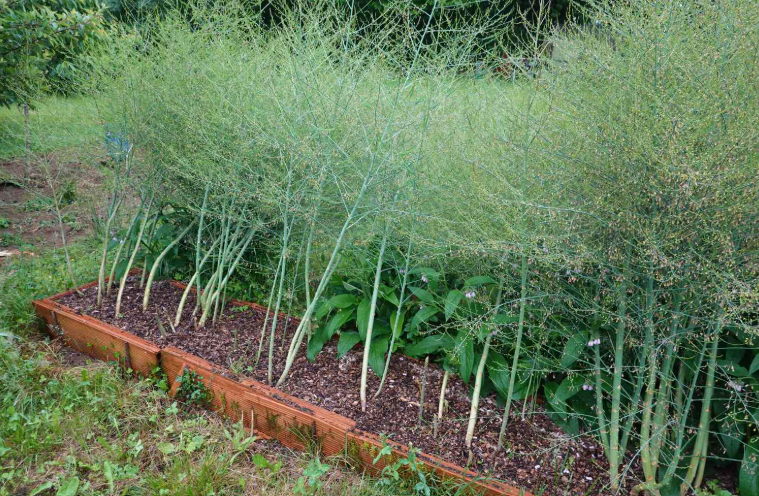
Asparagus is perhaps the most patience-demanding vegetable of all, requiring two to three years of growth before the first meaningful harvest can be taken from a new planting. During the establishment period, the temptation to harvest the few spears that do appear must be resisted entirely, as premature harvesting permanently weakens the developing crowns.
Asparagus beetle, fusarium crown rot, and competitive weeds are persistent threats throughout both the establishment and productive phases of this long-lived perennial crop. Despite these challenges, a well-established asparagus bed can produce reliable harvests for 20 years or more, rewarding the patient gardener handsomely.