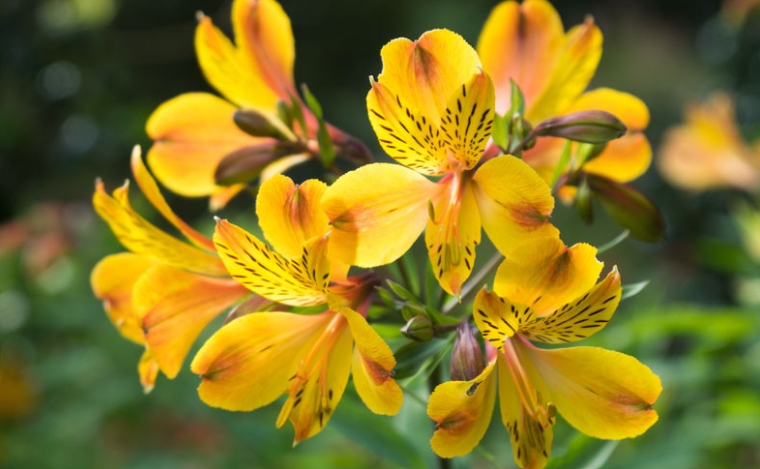
Alstroemeria, commonly known as the Peruvian Lily or Lily of the Incas, is a genus of flowering plants in the family Alstroemeriaceae, native to South America, particularly the Andean regions of Chile, Brazil, and Peru. With approximately 120 known species and thousands of cultivated hybrids, alstroemeria has become one of the most commercially significant cut flowers in the global floral industry. Annual global sales of alstroemeria cut flowers are estimated to exceed 1 billion dollars, reflecting its extraordinary popularity among florists, floral designers, and home gardeners worldwide.
As a plant, alstroemeria produces slender, upright stems clothed in distinctive twisted leaves, a unique botanical feature where the leaf petiole is inverted, causing the leaf blade to appear upside down. This unusual leaf orientation is a defining characteristic of the genus and helps distinguish alstroemeria from other flowering plants. The stems emerge from fleshy, tuberous roots that spread gradually underground, forming expanding colonies over time.
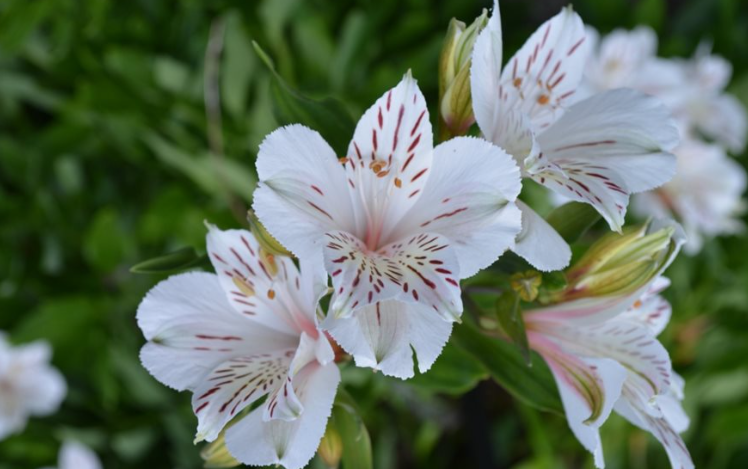
The flowers are alstroemeria’s most celebrated feature, consisting of six tepals arranged in two whorls, often marked with contrasting streaks, spots, or flares in a second color. Blooms appear in an extraordinary range of colors including white, yellow, orange, pink, red, purple, and salmon, with most varieties displaying intricate patterning on the inner tepals. This complex, orchid-like flower structure gives alstroemeria an exotic, luxurious appearance that belies its relatively straightforward growing requirements.
Alstroemeria thrives in USDA zones 7 through 11, though hardier modern hybrids have extended cultivation into zones 5 and 6 with adequate winter protection. In frost-free climates, alstroemeria can bloom almost continuously throughout the year, making it an exceptionally valuable plant for warm-climate gardeners. In cooler zones, the plant dies back in winter and resprouts reliably from its tuberous roots each spring.
As a cut flower, alstroemeria is prized for its outstanding vase life of up to two weeks, significantly longer than most other popular cut flowers. This exceptional longevity, combined with its wide color range and multiple blooms per stem, makes it one of the most cost-effective choices for both professional florists and home arrangers. It consistently ranks among the top five most popular cut flowers globally, alongside roses, chrysanthemums, and carnations.
Beyond the cut flower industry, alstroemeria is increasingly valued as a garden plant for its long blooming season, which typically runs from late spring through autumn in temperate climates. Modern breeding programs have produced compact, free-flowering varieties suitable for containers and smaller garden spaces. These improvements have greatly expanded the plant’s appeal beyond commercial production into home garden cultivation worldwide.
With its exotic flower forms, exceptional cut flower qualities, and long garden performance, alstroemeria has secured a permanent place in both commercial horticulture and home gardens across the world. Its relative ease of cultivation once established, combined with its spectacular floral display, makes it a rewarding choice for gardeners seeking a long-blooming, high-impact perennial. Few flowering plants deliver such a consistently impressive performance across such a diverse range of growing conditions.
Also Read: How To grow And Care For Tiger Lily
How to Grow and Care for Peruvian Lily (Alstroemeria)
- Choose a Sunny to Partially Shaded Location: Alstroemeria performs best in full sun to light partial shade, requiring at least six hours of sunlight daily for strong stem development and abundant flowering. In hotter climates, afternoon shade helps prevent flower color from fading and extends the blooming season. A position with morning sun and light afternoon shade is often ideal in warm regions.
- Prepare Deep, Fertile, Well-Draining Soil: Alstroemeria thrives in deep, loose, fertile soil that allows its tuberous roots to spread freely without restriction. Incorporating generous amounts of compost or well-rotted manure into the planting area improves both fertility and drainage. Avoid compacted or waterlogged soils, which can cause tuber rot and severely limit plant performance.
- Plant Tubers in Spring: Alstroemeria tubers are best planted in spring after the risk of frost has passed, when soil temperatures have begun to warm. Plant tubers approximately 6 to 8 inches deep, which provides insulation from both summer heat and winter cold. Planting at the correct depth is particularly important for long-term establishment and winter survival.
- Handle Tubers with Care: Alstroemeria tubers are notably fragile and brittle, breaking easily if handled roughly during planting. Damaged tubers are significantly more susceptible to rot and may fail to establish successfully. Working slowly and carefully when placing tubers in the planting hole minimizes the risk of accidental breakage.
- Space Plants Generously: Plant tubers or young plants approximately 18 to 24 inches apart to allow adequate room for the spreading root system to develop. Proper spacing also ensures good air circulation around stems, reducing disease pressure. As established clumps expand over subsequent years, some thinning may be necessary to prevent overcrowding.
- Water Carefully After Planting: Give newly planted tubers a thorough but gentle watering to settle soil around the roots. For the first few weeks after planting, keep the soil consistently moist to encourage tuber establishment. Once plants are actively growing, water regularly but allow the soil surface to dry slightly between waterings.
- Mulch Generously Around Plants: Applying a 3 to 4 inch layer of organic mulch over the planting area helps insulate tubers from temperature extremes, retain soil moisture, and suppress weeds. Mulch is particularly important during the first winter after planting, when tubers are still becoming established. In colder zones, a thicker layer of mulch provides critical frost protection for marginally hardy tubers.
- Fertilize Regularly During the Growing Season: Alstroemeria is a moderately heavy feeder that benefits from regular fertilization throughout spring and summer. A balanced fertilizer applied every four to six weeks supports strong stem development and continuous flowering. Switching to a low-nitrogen, high-potassium formula in midsummer encourages flower production over leafy growth. Also Read: Varieties of Alstroemeria
- Pull Rather Than Cut Spent Stems: A unique aspect of alstroemeria care is that spent flowering stems should be pulled out from the base with a firm, twisting motion rather than cut with scissors. This pulling action stimulates the plant to produce new replacement stems from the base more quickly. Cutting rather than pulling can slow the production of new stems significantly.
- Provide Support for Taller Varieties: Some taller alstroemeria varieties benefit from light staking or grow-through supports to prevent stems from bending under the weight of multiple blooms. Installing supports early in the season when stems are still short avoids root disturbance. Shorter, compact varieties bred for container use generally require no staking.
- Manage Spreading Roots: Alstroemeria spreads through underground tuberous roots and can eventually become quite expansive in favorable conditions. Installing underground root barriers helps contain spreading in formal garden settings where control is important. In informal or naturalized plantings, the natural spreading habit can be allowed to develop freely.
- Protect from Frost in Marginal Zones: In USDA zones 5 and 6, applying a generous layer of mulch over the root zone before the first frost helps insulate tubers from damaging cold. Container-grown plants in cooler zones can be moved to a frost-free location for winter. Even if top growth is killed by frost, well-protected tubers often resprout successfully in spring.
- Watch for Slugs and Snails: These pests are particularly attracted to the tender young shoots of alstroemeria as they emerge in spring. Handpicking, organic baits, or copper barriers around planting areas help protect vulnerable new growth. Morning inspections when slugs are most active are the most effective monitoring strategy.
- Monitor for Spider Mites: Spider mites can be problematic during hot, dry weather, causing stippled, bronzed foliage and reduced plant vigor. Keeping plants well watered during dry spells reduces spider mite pressure. Neem oil or insecticidal soap applications help control established infestations effectively.
- Divide Established Clumps for Propagation: After three to four years, established alstroemeria clumps can be carefully divided in spring to create new plants and rejuvenate flowering. Divisions should be handled extremely gently to avoid breaking the brittle tubers. Replant divisions promptly at the correct depth and water thoroughly to support re-establishment.
- Grow in Containers for Flexibility: Compact alstroemeria varieties perform well in large containers with excellent drainage and a fertile, well-draining potting mix. Container growing allows gardeners in colder climates to move plants to sheltered locations during winter. Containers also provide excellent control over soil conditions, making it easier to meet the plant’s specific growing requirements.
Also Read: Different Types Of Alstroemeria Flowers