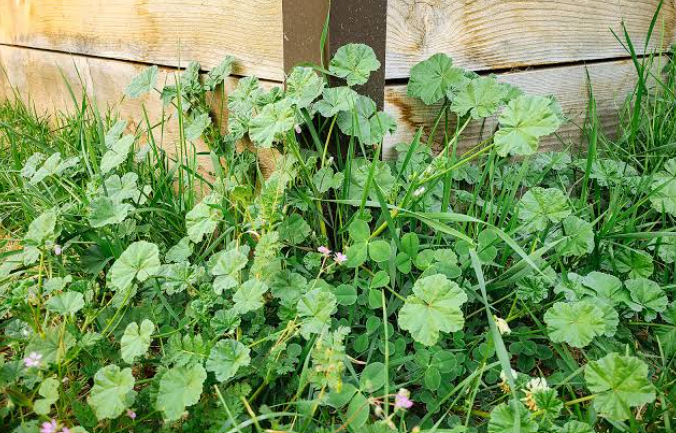
The best weeds for animal feed often turn out to be the same plants a gardener spends the summer pulling, since many common lawn and pasture weeds carry protein, mineral, and vitamin levels that rival or exceed cultivated forage crops. That overlap between “weed” and “valuable forage” isn’t a coincidence, since the same aggressive growth habit and nutrient hunger that makes a plant a weed in a garden bed also tends to make it a fast-growing, nutrient-dense option for grazing animals.
That said, not every common weed belongs on a feeding list, and this one deliberately excludes genuinely toxic species like buttercup, milkweed, and tansy ragwort that show up constantly in pasture weed guides. A handful of entries here do carry real, well-documented risks under specific conditions, particularly around frost, drought stress, and young regrowth, and those risks are noted directly rather than glossed over, since proper management is exactly what turns a genuinely useful forage plant into a safe one.
These plants span common lawn weeds, deliberately planted pasture legumes, and drought-tolerant rangeland species found across the country, with particular value for cattle, sheep, goats, poultry, and rabbits depending on the species. What follows covers 30 of the best weeds for animal feed, along with where each one grows and the data behind its nutritional value and any handling precautions.
Dandelion
Dandelion is native to Europe and Asia and now grows across nearly every temperate region on Earth, typically found in lawns, meadows, and pastures. Its leaves are readily grazed by rabbits, poultry, and small ruminants, carrying notably high calcium, potassium, and vitamin A content compared to many pasture grasses. A mature plant’s deep taproot draws minerals up from well below the reach of shallower-rooted forage species.
It grows throughout virtually all of North America, and its bitter compounds are generally well tolerated by livestock in normal grazing quantities, unlike several other common lawn weeds. Rabbit and poultry keepers in particular often deliberately harvest dandelion greens as a supplemental feed rather than treating it purely as a nuisance.
White Clover
White clover is native to Europe and western Asia, typically found in lawns, pastures, and meadows across a wide temperate range. As a nitrogen-fixing legume, it delivers considerably higher protein content than most grasses growing in the same pasture, and it’s deliberately overseeded into cattle and sheep pastures worldwide for exactly that reason. A mature stand spreads via creeping stolons that root at each node.
It grows throughout North America, tolerating close, repeated grazing better than many taller forage species. Excessive consumption of pure clover stands can occasionally cause bloat in cattle, so most managed pastures blend it with grass species to reduce that risk.
Red Clover
Red clover is native to Europe and western Asia, typically found in pastures, hayfields, and roadsides across temperate regions. It produces considerably more biomass per acre than white clover, making it a significant hay and silage crop in addition to a pasture forage, with crude protein levels commonly exceeding 15% in vegetative growth. A mature plant typically reaches 1 to 2 feet tall.
It grows throughout most of the United States and Canada, valued for its nitrogen-fixing ability in rotational grazing and hay systems. Certain fungal infections can cause reduced fertility in grazing livestock, so pastures showing signs of mold or disease are generally best cut for hay rather than grazed directly.
Lamb’s Quarters
Lamb’s quarters is native to Europe and Asia, typically found in gardens and nutrient-rich disturbed agricultural soils. It’s commonly grazed by cattle, sheep, and poultry, with crude protein content in young growth comparable to many cultivated forage crops, and its high mineral content has made it a traditional supplemental feed in mixed pastures. A mature plant can reach 3 feet tall.
It grows throughout North America as one of the most common weeds of cultivated fields, thriving specifically in the nutrient-rich soil that livestock manure tends to create around feeding areas. Very large quantities can accumulate oxalates capable of causing kidney issues, so it’s best fed as part of a varied diet rather than a sole ration.
Purslane
Purslane is native to the Mediterranean, the Middle East, and parts of Asia, now naturalized worldwide, typically found in gardens and disturbed sandy soils. It’s readily eaten by pigs, poultry, and rabbits, and it carries notably high omega-3 fatty acid content compared to most other forage plants. A single plant can produce up to 240,000 seeds over a growing season.
It grows throughout the United States, thriving especially in the heat of summer when many pasture grasses go dormant or become less palatable. Its succulent, water-rich stems also provide a useful moisture source for small livestock during hot, dry conditions.
Chickweed
Chickweed is native to Europe, typically found in lawns and shaded, moist disturbed ground during cooler months. It’s a favorite green feed for poultry and rabbits, historically fed fresh to laying hens to help support winter egg production when other green forage is scarce. A mature plant typically stays under a foot tall.
It grows throughout most of the United States and Canada, favoring cool, moist conditions and often available during exactly the cold months when fresh forage options are otherwise limited. Its tender texture makes it easy for even young poultry chicks to eat without difficulty.
Broadleaf Plantain
Broadleaf plantain is native to Europe and Asia, typically found in lawns and compacted pasture soil. It’s readily grazed by cattle, sheep, goats, and rabbits, carrying a mineral profile including notable calcium and potassium levels, and it’s increasingly included in modern multi-species pasture seed mixes for that reason. A mature plant produces a flowering spike releasing several thousand seeds per season.
It grows throughout nearly all of North America, thriving in the compacted soil around gates, water troughs, and other heavily trafficked pasture areas. Its deep, fibrous root system also helps improve soil structure in compacted areas where grass struggles to establish.
Curly Dock
Curly dock is native to Europe and western Asia, typically found in disturbed pastures. Livestock will graze young curly dock leaves, though the plant’s oxalic acid content means it’s best consumed as a minor part of a varied diet rather than in large quantities. A mature plant can reach 3 feet tall.
It grows throughout most of North America, commonly found alongside other pasture weeds in disturbed field margins. Its large, wavy-edged basal leaves emerge early in spring, providing green forage before many pasture grasses have fully greened up.
Common Sowthistle
Common sowthistle is native to Europe and now naturalized worldwide, typically found in agricultural fields and pastures. It’s a valued green feed for rabbits and pigs in particular, with a mild flavor and tender texture that makes it highly palatable compared to more fibrous pasture weeds. A mature plant can reach 4 feet tall.
It grows across most of the United States, thriving in nutrient-rich, disturbed soil around barns and livestock areas. Its milky sap is harmless to livestock despite its slightly bitter taste, and rabbit keepers frequently harvest it deliberately as a supplemental green.
Redroot Pigweed
Redroot pigweed, a common type of wild amaranth, is native to the Americas, typically found in disturbed fields and pastures. Its leaves are palatable to cattle, sheep, and poultry with a protein content comparable to many cultivated greens, though under drought stress the plant can accumulate elevated nitrate levels. A mature plant can produce well over 100,000 seeds.
It grows throughout North America as one of the most common agricultural weeds, thriving in the same nutrient-rich soil favored by cultivated row crops. Testing suspect pigweed forage for nitrate content is recommended during drought years before feeding it in large quantities.
Crabgrass
Crabgrass, often treated purely as a lawn nuisance, is a genuinely valuable warm-season forage grass across much of the southern United States, producing high yields of palatable hay and pasture growth during the hottest part of summer when cool-season grasses go dormant. A mature stand can be cut multiple times per season under good management. Its rapid regrowth after grazing or cutting makes it a popular double-crop forage option.
It grows throughout the southern and central United States, and several improved crabgrass varieties have been specifically bred and marketed as intentional forage crops rather than volunteer weeds. Its protein content compares favorably with many other warm-season grasses when harvested at the right growth stage.
Johnsongrass
Johnsongrass is native to the Mediterranean region and grows throughout the southern and central United States as both a valuable forage grass and a significant weed, depending entirely on management. According to Kansas State University’s Research and Extension program, sorghum-family plants including Johnsongrass can produce dangerous levels of prussic acid under drought stress or after a frost, and livestock should be kept off frosted or newly regrowing stands until they reach at least 18 to 24 inches tall. A mature plant can reach 8 to 10 feet tall.
It grows extensively throughout the southern and central United States, and when properly managed around frost and drought conditions, it provides substantial warm-season grazing and hay tonnage. Waiting a full week after a non-killing frost before returning livestock to a stand is a standard extension recommendation to avoid poisoning.
Bermudagrass
Bermudagrass is native to Africa and serves as one of the primary warm-season pasture grasses across the southern United States, tolerating heavy grazing pressure and rapid regrowth better than most other forage grasses in hot climates. A mature stand can spread a foot or more per month during peak summer growth. It’s widely planted deliberately as hay and pasture despite behaving as an aggressive weed in gardens and row crops.
It grows throughout the southern United States, and its drought tolerance makes it a reliable forage base even during dry summer stretches that stress other pasture species. Its nutritional value declines somewhat as it matures, so rotational grazing that keeps plants in a more vegetative stage generally improves overall forage quality.
Kudzu
Kudzu is native to Asia and was deliberately planted across roughly 3 million acres of the southern United States by 1946 specifically as cattle forage and erosion control, before its uncontrolled spread became a larger problem than its feed value justified. Its leaves are highly palatable and protein-rich, and cattle and goats will graze it readily where it’s available. Its vines can grow 60 to 100 feet in a single season.
It grows extensively throughout the southeastern United States, and targeted grazing with goats has become one of the more effective modern strategies for controlling kudzu while also producing usable forage from an otherwise unwanted infestation. Its massive underground tuber reserves mean grazing alone rarely eliminates an established stand.
Forage Chicory
Forage chicory, a cultivated type of the common roadside weed, is native to Europe, western Asia, and North Africa, and modern forage-type cultivars have been specifically bred for pasture use rather than the wild roadside form. It produces a deep taproot that draws minerals from well below typical grass root depth, delivering notably high mineral and protein content to grazing livestock. A mature plant can reach 3 to 5 feet tall if left ungrazed.
It grows throughout temperate pasture regions of the United States and is increasingly included in multi-species forage mixes alongside plantain and clover. Its bitter compounds have also shown some natural parasite-suppressing effects in grazing studies with sheep and goats.
Buckhorn Plantain
Buckhorn plantain, also called narrowleaf plantain, is native to Europe and Asia, and improved forage cultivars have become a deliberately planted component of modern multi-species pasture mixes. It carries a mineral and protein profile considered complementary to grass-based pastures, and grazing studies have shown it can improve overall animal performance when included in a mixed sward. A mature plant typically reaches 6 to 18 inches tall when flowering.
It grows throughout the United States and Canada, valued in rotational grazing systems for its deep root system and drought tolerance compared to shallower-rooted grasses. Some research has also suggested its compounds may reduce nitrogen loss in livestock urine, an area of ongoing pasture research interest.
Yarrow
Yarrow is native to Europe, Asia, and North America, typically found in meadows and pastures. Livestock will graze yarrow in modest amounts, and it’s occasionally included in specialty pasture mixes for its aromatic compounds, though it’s generally considered a minor forage component rather than a primary feed source. A mature plant typically reaches 1 to 3 feet tall.
It grows throughout nearly all of North America, tolerating poor, dry soil where more productive forage species often struggle. Some grazing research has explored its potential mild anti-parasitic properties, though it remains a supplementary rather than staple forage plant.
Stinging Nettle
Stinging nettle is native to Europe, Asia, and North Africa, typically found in nutrient-rich, moist soil along stream banks and field edges. Once dried or wilted, its stinging compounds fully deactivate, and dried nettle has a long history of use as a supplemental feed for poultry, historically credited with improving egg yolk color and overall hen condition. A mature plant typically reaches 3 to 7 feet tall.
It grows throughout most of North America, and fresh, uncut nettle should never be fed directly to livestock or handled without gloves given its active stinging hairs. Cutting and allowing it to wilt for a day, or drying it fully, is the standard practice before offering it as feed.
Wild Radish
Wild radish is native to the Mediterranean region and grows across every mainland U.S. state, and its young leaves, flowers, and pods are readily grazed by cattle and sheep despite the plant’s reputation as a major cropping weed. A mature plant typically reaches 2 to 4 feet tall. Confirmed multi-herbicide resistance in wild radish populations has made grazing management an increasingly practical control option in some regions.
It grows particularly densely in the grain-growing regions of the western and central United States. Its peppery flavor is generally well tolerated by livestock, though very large quantities eaten by dairy cattle can occasionally taint milk flavor.
Filaree
Filaree, also called storksbill, is native to the Mediterranean region and forms a significant component of California’s annual rangeland forage base. According to research compiled by the University of California’s Division of Agriculture and Natural Resources, filaree can contain over 25% crude protein early in the growing season, declining to 15 to 20% once the plant flowers. A mature plant typically stays low and spreading, generally under a foot tall.
It grows extensively throughout California and other Mediterranean-climate rangeland in the western United States. Its high early-season protein content makes rangeland with abundant filaree require less supplemental feeding than grass-dominated pastures during the same period.
Henbit
Henbit is native to Europe and Asia, typically found in lawns and pastures during cooler months. Livestock will graze henbit readily in early spring, and it provides green forage during a period when many pasture grasses are still dormant. A mature plant typically stays under a foot tall.
It grows throughout most of the United States, often appearing alongside purple deadnettle in the same fields. Its contribution to overall pasture tonnage is modest, but its early-season availability adds some grazing value before the main growing season begins.
Shepherd’s Purse
Shepherd’s purse is native to Europe and Asia, typically found in disturbed pastures and field margins. Poultry and rabbits readily eat its leaves and seed pods, and it’s occasionally included in supplemental green feed mixes for backyard flocks. A mature plant typically reaches 6 to 18 inches tall.
It grows throughout nearly all of North America, often among the first weeds to flower in early spring and capable of completing several generations in a single growing season. Its rapid life cycle means it can provide multiple flushes of fresh green feed across a single spring.
Hairy Vetch
Hairy vetch is native to Europe, North Africa, and western Asia, and it’s widely grown deliberately as a nitrogen-fixing cover crop and forage legume in addition to its weedy tendencies along field edges. It delivers protein content well above most grasses, commonly used for hay and silage in rotational systems. A mature plant can produce pinnately compound leaves up to 10 inches long with 8 to 12 pairs of leaflets.
It grows throughout most of the United States, commonly planted as both a soil-building cover crop and a direct grazing forage. Its seeds can be mildly toxic to some livestock in very large quantities, so it’s generally managed as a vegetative forage rather than allowed to mature and set seed before grazing.
Common Vetch
Common vetch closely resembles hairy vetch in its nitrogen-fixing, high-protein forage value, native to Europe and western Asia. It’s often grown deliberately as a cover crop and grazing forage, climbing via tendrils and typically reaching 2 to 3 feet tall when given something to climb. Its protein content makes it a valuable component of mixed forage plantings.
It grows throughout much of the United States, particularly common in agricultural areas where it’s been used in crop rotations. Like hairy vetch, its mature seeds carry some toxicity risk in concentrated quantities, so vegetative-stage grazing is the standard practice.
Burclover
Burclover is native to the Mediterranean region and forms an important component of California’s annual rangeland alongside filaree, and according to University of California rangeland research, its protein content can approach 30% early in the growing season, among the highest of any common rangeland forage plant. A mature plant typically stays low and sprawling, generally under a foot tall.
It grows extensively across California and other Mediterranean-climate rangeland, along with naturalized populations across parts of the southern United States. Its spiny seed burs, while a nuisance for wool and fur, don’t reduce the plant’s forage value while it’s in active vegetative growth earlier in the season.
Sericea Lespedeza
Sericea lespedeza is native to Asia and was introduced to the United States as a forage and erosion-control legume, though it has since become invasive across parts of the central and southern United States. Its tannin content, while reducing overall palatability compared to other legumes, has shown measurable anti-parasitic effects in grazing sheep and goats in university research trials. A mature plant typically reaches 3 to 5 feet tall.
It grows throughout much of the central and southern United States, increasingly managed as a deliberate grazing tool specifically for its natural parasite-suppressing properties in small ruminants. Young, less mature growth carries lower tannin levels and is generally more readily grazed than older, woodier stands.
Kochia
Kochia is native to Eurasia and has been used historically as an emergency forage crop on drought-stricken rangeland across the western United States, tolerating extreme heat and dry conditions that eliminate most other forage options. A mature plant typically reaches 3 to 6 feet tall in a dense, bushy form. It can accumulate dangerously high nitrate levels under drought stress, particularly in the lower stem.
It grows throughout the western and central United States, and testing for nitrate content is strongly recommended before feeding kochia hay harvested during or after a drought. Properly managed and tested, it has served as a legitimate supplemental forage source during periods when little else is available.
Russian Thistle
Russian thistle, widely known as tumbleweed, is native to the steppes of Russia and Central Asia and was used as an emergency livestock forage during severe drought periods in the American West, most notably during the 1930s Dust Bowl. Its young, tender growth is more palatable and less spiny than mature plants, and it carries reasonable protein content before becoming woody. A mature plant forms a bushy, rounded silhouette before breaking off at the base to disperse seed.
It grows throughout the western and central United States, and like several other drought-tolerant emergency forages on this list, it can accumulate elevated nitrate levels under stress, making testing advisable before large-scale feeding. Its use today remains largely limited to genuine emergency situations rather than routine forage management.
Wild Oat
Wild oat is native to Europe, North Africa, and parts of Asia, and despite ranking among the most economically damaging weeds in cultivated grain fields, its forage value as hay or pasture is comparable to cultivated oats when cut at the right growth stage. A mature plant typically reaches 2 to 4 feet tall. Its drooping, bristled seed head distinguishes it from cultivated oat varieties once it matures.
It grows throughout nearly all wheat-producing regions of North America, and grazing or haying infested field margins is sometimes used as a secondary benefit alongside weed management in grain rotations. Its awns can become a minor mechanical irritant to grazing animals once the seed heads fully mature and dry.
Quackgrass
Quackgrass is native to Europe and Asia, and despite its reputation as a difficult-to-control agricultural weed, it provides reasonably palatable, cool-season grazing for cattle and sheep, particularly in the early season before more desirable pasture grasses fully establish. A mature plant typically reaches 1 to 3 feet tall, spreading through an extensive underground rhizome system. Its nutritional value is broadly comparable to other cool-season pasture grasses at a similar growth stage.
It grows throughout the northern United States and Canada, often grazed incidentally as part of mixed pasture rather than intentionally cultivated. Its aggressive rhizome spread, which makes it such a persistent cropping weed, is the same trait that allows it to recover quickly from grazing pressure.
Further References
- Feeding Weedy Forages — University of Minnesota Extension — Explains how some weeds can provide nutrients to livestock and discusses forage testing, gradual introduction, nitrate concerns, and proper weed identification.
- Pasture Weeds Can Have Forage Value — Oregon State University Extension — Examines the potential forage value of pasture weeds and discusses nutritional quality, mineral content, palatability, and livestock grazing.
- Pastures and Hayfields: Poisonous Weeds, Multiflora Rose, and Other Suggestions — Penn State Extension — Useful for distinguishing potentially valuable weeds from poisonous plants and explains how the growth stage can affect forage quality.
- Avoiding Poisonous Plants in Pasture and Hay — Oregon State University Extension — Provides guidance on identifying toxic plants and reducing the risk of livestock consuming poisonous weeds in pasture or hay.
- Awareness of Potential Plant Toxicity to Grazing Animals — University of Delaware Cooperative Extension — Covers plant toxicity in grazing animals and recommends proper plant identification, pasture management, and consultation with forage specialists or veterinarians when necessary.