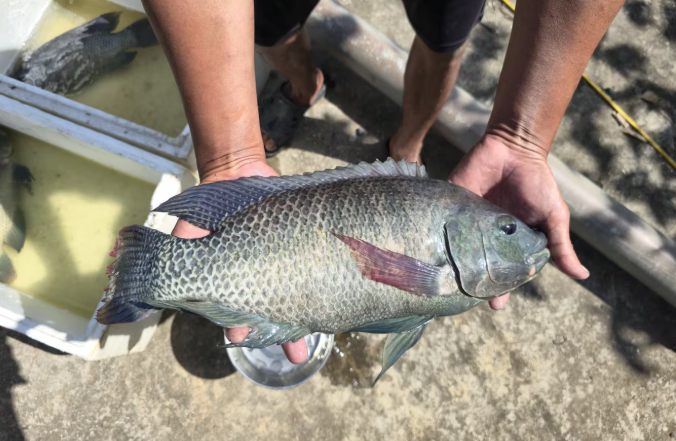
Tilapia are among the world’s most widely cultivated freshwater fish, valued for their rapid growth, adaptability, and mild-tasting flesh. Belonging primarily to the cichlid family (Cichlidae), tilapia are native to Africa and the Middle East but have been introduced to more than 140 countries for aquaculture, fisheries, and aquatic vegetation management. Their ability to thrive in ponds, lakes, rivers, reservoirs, and recirculating aquaculture systems has made them one of the most important food fish globally.
One of the reasons tilapia are so successful is their remarkable tolerance of varying environmental conditions. Many species can survive in warm freshwater, brackish water, and even moderately saline environments. They are generally omnivorous, feeding on algae, aquatic plants, plankton, insects, and organic matter, although diets vary among species. Their efficient conversion of feed into body weight makes them a cost-effective choice for commercial fish farming.
Tilapia are highly valued in the seafood industry because of their white, firm, and mildly flavored meat, which appeals to a wide range of consumers. They are sold fresh, frozen, smoked, and filleted in markets around the world. In addition to supporting commercial aquaculture, tilapia provide an affordable source of high-quality protein for millions of people, particularly in developing countries where they contribute significantly to food security and local economies.
Although the term “tilapia” is commonly used as though it refers to a single fish, it actually encompasses numerous species belonging mainly to the genera Oreochromis, Coptodon, and Sarotherodon. These species differ in appearance, size, coloration, habitat preference, and growth rates. Some are farmed extensively for food production, while others are important native fishes that play vital ecological roles in African freshwater ecosystems.
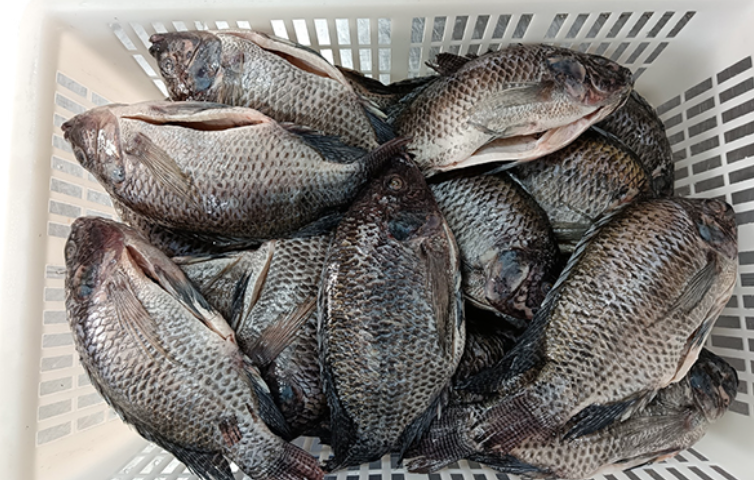
Types of Tilapia
1. Nile Tilapia (Oreochromis niloticus)
The Nile tilapia is the most widely farmed tilapia species in the world and serves as the backbone of the global tilapia aquaculture industry. Native to the Nile River basin and other parts of northern and central Africa, this species is prized for its rapid growth, adaptability to various water conditions, and relatively large size, often reaching two to five pounds in farmed settings. It has a grayish body marked with faint vertical stripes, and males can develop a reddish or pinkish hue around the throat and fins during breeding season. Nile tilapia has been introduced to fish farms across Asia, the Americas, and beyond, and it is often the species used in genetic improvement programs, such as the well-known GIFT (Genetically Improved Farmed Tilapia) strain, which was developed to boost growth rates and disease resistance.
2. Blue Tilapia (Oreochromis aureus)
The blue tilapia is distinguished by its striking blue-gray coloration, which becomes especially vivid on the males during breeding season, along with a reddish or orange edge along the dorsal and caudal fins. Native to Africa and parts of the Middle East, this species has a notable cold tolerance compared to many other tilapia, allowing it to survive in cooler waters where other tropical tilapia would perish. This hardiness has made it both a valuable aquaculture species and, unfortunately, an invasive one in parts of the southern United States, including Texas and Florida, where it has established wild populations in rivers, canals, and lakes. Blue tilapia are also mouthbrooders and can hybridize readily with other tilapia species, which has made them useful in selective breeding programs aimed at producing all-male populations for farming.
3. Mozambique Tilapia (Oreochromis mossambicus)
Native to the coastal rivers and estuaries of southeastern Africa, the Mozambique tilapia is one of the oldest tilapia species used in aquaculture, having been introduced to fish farms across Asia as early as the 1950s. It has an olive-brown to yellowish body, and breeding males develop a striking black coloration along with a reddish tinge on the fins. This species is notably tolerant of brackish and even full-strength seawater, making it one of the few tilapia capable of thriving in coastal and estuarine environments. While once a dominant aquaculture species, it has largely been replaced by the faster-growing Nile tilapia in commercial farming, though it remains ecologically significant as an invasive species in many tropical and subtropical regions worldwide, including Australia, Hawaii, and parts of the southwestern United States.
4. Red Tilapia (Hybrid, Oreochromis spp.)
Red tilapia isn’t a single wild species but rather a group of selectively bred hybrids, typically derived from crosses involving Nile, Mozambique, and blue tilapia, chosen for their striking reddish-orange to pinkish-white coloration. This coloration resembles that of more expensive fish like red snapper, which has made red tilapia particularly popular in culinary markets and restaurants seeking an attractive presentation on the plate. Beyond aesthetics, red tilapia strains were also developed for practical farming benefits, including fast growth, good meat yield, and adaptability to a range of pond and cage culture systems. Major producers of red tilapia include Taiwan, Thailand, Costa Rica, and Ecuador, and the fish is commonly marketed under names like “Taiwanese red tilapia” or simply “red tilapia” in seafood markets and grocery stores.
5. Wami Tilapia (Oreochromis urolepis)
The Wami tilapia is native to the Wami River system and surrounding coastal drainages in Tanzania, East Africa, and is less globally recognized than its more commercially dominant relatives. It has a moderately deep body with a grayish-brown coloration and faint banding, and it shares the mouthbrooding reproductive strategy common to most Oreochromis species. While not as widely farmed on an industrial scale as Nile or blue tilapia, the Wami tilapia has ecological importance within its native range and has occasionally been used in regional aquaculture projects in East Africa. Its relatively limited distribution and specialized habitat requirements mean it hasn’t achieved the same global aquaculture footprint as some of its more adaptable cousins, though interest in indigenous African fish species for local food security has kept it relevant in conservation and small-scale farming discussions.
6. Redbreast Tilapia (Coptodon rendalli)
Also known as Rendall’s tilapia, the redbreast tilapia is native to a broad swath of central, southern, and eastern Africa, including river systems in Zambia, Zimbabwe, and the Congo basin. Unlike many Oreochromis species that are primarily plankton feeders, the redbreast tilapia is notably herbivorous, feeding heavily on aquatic vegetation, which has made it useful in some regions for controlling weed growth in ponds and waterways. Its name comes from the reddish or orange coloration that develops on the breast and belly, particularly in breeding males, contrasting with its otherwise olive-green to grayish body. This species is farmed regionally in parts of Africa and has also been introduced elsewhere for aquatic weed control, though it has become invasive in some non-native ecosystems as a result.
7. Blackchin Tilapia (Sarotherodon melanotheron)
The blackchin tilapia is native to the coastal waters of West Africa, ranging from Senegal to Cameroon, and is notable for its unusual reproductive biology, as it is one of the few tilapia species in which the male, rather than the female, is the primary mouthbrooder. It has a robust, deep body with a dark, often blackish, chin and throat region that gives the species its common name, along with grayish-brown coloration elsewhere on the body. This species is highly tolerant of brackish and saline water, allowing it to inhabit estuaries, lagoons, and mangrove ecosystems along the West African coast. Blackchin tilapia has become an invasive species of concern in parts of the southeastern United States, particularly in Florida and Texas waterways, where it competes with native fish and has proven difficult to eradicate due to its salinity tolerance.
8. Zill’s Tilapia (Coptodon zillii)
Native to a wide range spanning North and West Africa and parts of the Middle East, Zill’s tilapia, sometimes called redbelly tilapia, is a hardy and adaptable species with an olive to grayish body and a reddish or pinkish coloration on the belly, especially pronounced in breeding males. It is primarily herbivorous, consuming algae and aquatic plants, and it tends to be more aggressive and territorial than many other tilapia species, which can make it a nuisance in mixed-species aquaculture ponds. Zill’s tilapia has spread well beyond its native range through both intentional stocking and accidental release, establishing invasive populations in parts of the United States, including California and Arizona, where it has disrupted native aquatic ecosystems. Despite its invasive tendencies, it remains a food fish in parts of its native range and is sometimes used in aquaculture for its rapid growth.
9. Galilee Tilapia (Sarotherodon galilaeus)
Known also as the mango fish and famously associated with the biblical “St. Peter’s fish” of the Sea of Galilee, this species holds cultural and historical significance beyond its role as a food source. Native to the Sea of Galilee, the Nile basin, and various West African river systems, it has a laterally compressed, silvery-gray body, and like other Sarotherodon species, it exhibits biparental or paternal mouthbrooding in some populations. The Galilee tilapia has long been a staple catch for fishermen in the Sea of Galilee region and continues to hold commercial and tourist appeal in modern Israel, where it’s often served in restaurants catering to visitors interested in sampling a fish tied to biblical history. It is also farmed to a lesser extent than Nile or blue tilapia but remains ecologically and economically important within its native range.
10. Wild Tilapia (Generic Term for Non-Farmed Populations)
“Wild tilapia” isn’t a distinct species but rather a general term referring to naturally occurring or feral populations of various tilapia species living outside of controlled aquaculture environments, including in rivers, lakes, and canals where they may or may not be native. In the United States, for example, wild tilapia populations often consist of escaped or intentionally released blue, Mozambique, or Nile tilapia that have established self-sustaining breeding populations in warm-water canals and reservoirs, particularly in Florida, Texas, and Arizona. These wild populations are of significant interest to fisheries managers because they can behave as invasive species, competing with native fish for food and spawning habitat. At the same time, wild-caught tilapia has become popular among anglers for sport fishing in some regions, given the fish’s willingness to bite and decent fight for its size.
11. Java Tilapia (Oreochromis niloticus — Java strain)
The Java tilapia refers to a regional strain or landrace of Nile tilapia that has been cultivated and adapted over generations in Indonesia, particularly on the island of Java, where tilapia farming has deep historical roots dating back to Dutch colonial-era introductions in the early 20th century. This strain has been selectively bred within local Indonesian aquaculture systems for traits suited to regional pond conditions, feed availability, and market preferences. Java tilapia farming remains an important part of Indonesia’s freshwater aquaculture sector, contributing to both domestic food security and export markets. While genetically related to mainstream Nile tilapia stocks, the Java strain represents an example of how a single foundational species can diversify into regionally distinct farmed populations shaped by decades of localized breeding practices.
12. Israeli Tilapia (Selectively Bred Nile/Blue Hybrid Strains)
Israeli tilapia refers to specialized hybrid strains developed in Israel, often combining Nile and blue tilapia genetics, bred specifically for cold tolerance and efficient growth in the more temperate climate conditions found in parts of Israel compared to tropical Africa. Israeli aquaculture researchers have been pioneers in tilapia genetics and hybridization techniques, including methods for producing all-male tilapia populations, which grow faster and larger than mixed-sex populations since energy isn’t diverted toward reproduction. These strains have been exported and used as foundational breeding stock in tilapia farming operations around the world, influencing modern commercial tilapia genetics far beyond Israel’s borders. The country’s tilapia industry combines traditional pond aquaculture with more advanced recirculating systems, reflecting Israel’s broader reputation for innovative water-conscious agricultural technology.
13. GIFT Tilapia (Genetically Improved Farmed Tilapia)
GIFT tilapia represents one of the most significant achievements in aquaculture genetics, developed through a selective breeding program initiated in the Philippines in the 1980s by the WorldFish Center in collaboration with several partner institutions. The program combined multiple wild and farmed strains of Nile tilapia from different African and Asian sources, then applied rigorous selective breeding over multiple generations to enhance growth rate, feed efficiency, and disease resistance. The resulting GIFT strain grows significantly faster than unimproved Nile tilapia populations, sometimes by as much as 80 to 100 percent over several generations of selection, which has had a transformative impact on aquaculture productivity across Asia, Africa, and Latin America. Today, GIFT and GIFT-derived strains form the genetic basis for a substantial portion of the world’s farmed tilapia supply, making it one of agriculture’s notable success stories in applied fish genetics.
14. Longfin Tilapia (Oreochromis macrochir)
The longfin tilapia is native to the upper Zambezi River basin and surrounding river systems in south-central Africa, including parts of Zambia, Angola, and the Democratic Republic of Congo. It’s named for its notably elongated dorsal and pelvic fins compared to other tilapia species, giving it a distinctive silhouette in the water, along with a grayish body that can show subtle vertical banding. This species tends to favor slower-moving or still waters, such as floodplain lakes and backwaters, where it feeds on plankton and organic detritus. While not a major player in international commercial aquaculture compared to Nile or blue tilapia, the longfin tilapia holds regional importance as a food fish for communities along its native river systems and has occasionally been the subject of aquaculture development efforts within Africa aimed at diversifying local fish farming beyond the dominant Nile tilapia.
15. Three-Spotted Tilapia (Oreochromis andersonii)
Also known as three-spot tilapia or Anderson’s tilapia, this species is native to the Zambezi and Okavango river systems in southern Africa, spanning countries including Zambia, Botswana, Namibia, and Zimbabwe. It gets its common name from three dark blotches typically visible along its flanks, set against an otherwise silvery-gray to olive body, though the spots can fade or become less distinct in older or larger individuals. The three-spotted tilapia is considered one of the larger tilapia species, capable of growing to a substantial size, and it holds significant commercial and subsistence fishing value within its native range in southern Africa. It has also been introduced into aquaculture programs across the region as an alternative to Nile tilapia, particularly valued for its ability to thrive in the cooler waters found at higher elevations or during cooler seasons in southern Africa, where fully tropical species may struggle.