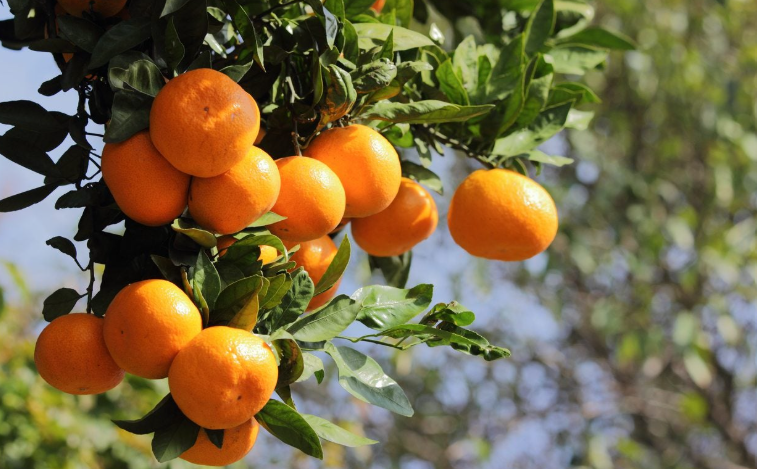
Types of tangerines all technically belong to the broader mandarin orange family, and understanding that relationship clears up a genuine point of confusion before diving into specific varieties. Every tangerine is a mandarin, but not every mandarin gets called a tangerine, since the name itself traces back to the port city of Tangier, Morocco, where much of the fruit shipped to 19th-century Europe and America was believed to have passed through on its way from North Africa, even though the fruit’s actual botanical origin traces back considerably further to ancient China.
That naming history matters because it means “tangerine” functions almost as much as a marketing and regional term as a strict botanical category, and the varieties covered here reflect a genuinely wide range of origins spanning from ancient Chinese cultivation through French colonial Algeria to 20th-century university breeding programs in Florida and California. Several of the more modern entries on this list are deliberate hybrid crosses, tangors, a cross between a tangerine and a sweet orange, and tangelos, a cross between a tangerine and a grapefruit, bred specifically for traits like seedlessness, easier peeling, or extended harvest windows.
Those breeding programs, particularly the University of California’s citrus research effort and the USDA’s Florida-based program, are responsible for a genuinely significant share of the tangerine varieties found in grocery stores today, several of them developed within just the past few decades. Older heirloom varieties, by contrast, often carry centuries of cultivation history behind them, passed through trade routes and colonial agriculture long before any formal breeding program existed.
The University of California Riverside’s Citrus Variety Collection documents the origin and breeding history of the vast majority of varieties covered here in considerably more genetic detail than a general list can. What follows covers 26 types of tangerines, including their origin.
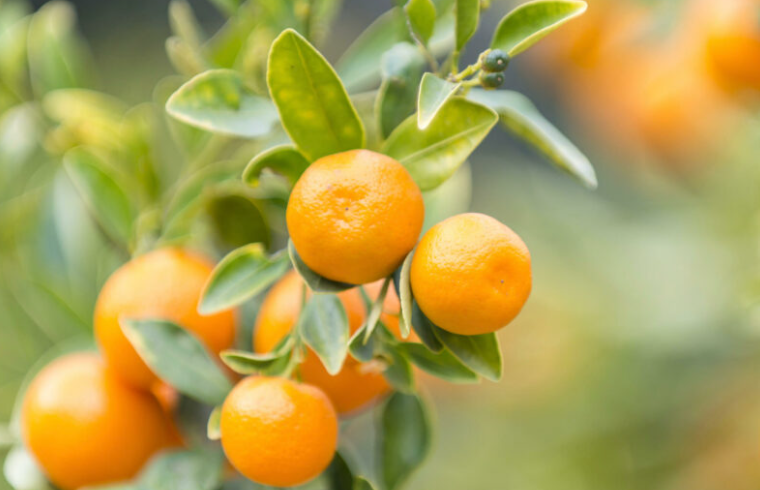
Dancy Tangerine
Dancy tangerine originated in Florida in 1867, grown from seed believed to have been brought from Morocco, and it became the dominant American tangerine variety for much of the following century, earning the nickname “Christmas tangerine” for its winter harvest timing. Its deep orange-red rind and rich, tangy-sweet flavor made it the standard against which most other American tangerines were measured for generations.
It thrives in a warm, subtropical climate, its considerable historical popularity in Florida citrus groves reflecting decades of commercial dominance before newer varieties gradually took over shelf space. The University of Florida IFAS Extension’s citrus history archives document Dancy’s role as the dominant commercial tangerine variety through much of the 20th century.
Clementine
Clementine originated in Algeria in the early 1900s, reportedly discovered by a French missionary named Father Clement Rodier, whose name the fruit still carries. Its small size, easy-to-peel rind, and reliably seedless fruit have made it one of the most widely recognized mandarin varieties in the world today.
It thrives in a Mediterranean climate, its considerable popularity as a winter holiday fruit reflecting the same French colonial agricultural network that first spread it beyond North Africa.
Honey Tangerine
Honey tangerine, also marketed as Murcott, is believed to have originated in Florida, possibly as a natural tangerine-orange hybrid, and takes its alternate name from Charles Murcott Smith, an early distributor of the variety. Its considerable sweetness, among the highest sugar content of any tangerine type, gives the fruit its honey-inspired common name.
It thrives in a warm, subtropical climate, its considerable sugar content making it a genuine standout even among other naturally sweet mandarin varieties.
Satsuma Mandarin
Satsuma mandarin originated in Japan’s Kagoshima region, historically known as Satsuma province, likely developed from Chinese mandarin stock brought over centuries ago. Its genuinely seedless fruit and cold hardiness considerably beyond most other citrus varieties have made it a significant crop in regions too cold for typical citrus cultivation.
It tolerates real cold better than almost any other tangerine type, a genuine advantage that’s let it establish commercial groves in regions other citrus varieties simply can’t survive.
Ponkan
Ponkan is among the oldest mandarin varieties still commonly grown, with origins tracing back centuries to ancient China and India, and it remains one of the most widely cultivated mandarin types across Asia today. Its considerable size and loose, easy-to-peel rind have made it a staple fruit throughout much of its native growing region.
It thrives in a warm subtropical to tropical climate, its centuries of continuous cultivation reflecting a genuinely ancient agricultural history predating most other varieties on this list.
Sunburst Tangerine
Sunburst tangerine was developed in Florida through the USDA’s citrus breeding program, bred specifically for its deep orange color and reliable productivity. Its considerable seed count, more than several other modern varieties, is a genuine tradeoff for its otherwise excellent flavor and color.
It thrives in a warm, subtropical climate, its considerable commercial success in Florida reflecting decades of deliberate USDA breeding effort.
Fairchild Tangerine
Fairchild tangerine was developed in California through a deliberate cross between a Clementine and an Orlando tangelo, part of a broader mid-20th-century citrus breeding effort. Its considerable early-season harvest timing has made it a popular choice for growers wanting fruit ready before many other tangerine varieties.
It thrives in a Mediterranean-style climate, its hybrid parentage reflecting the deliberate crossbreeding programs that produced several other varieties on this list.
Dekopon
Dekopon was developed in Japan through a deliberate cross of Kiyomi and Ponkan varieties, and it’s since become one of the most prized and expensive premium citrus fruits in the Japanese market. Its distinctive protruding top knot and remarkably sweet, low-acid flavor have made it a genuine specialty fruit rather than an everyday grocery item.
It thrives in a warm, humid subtropical climate, its considerable premium pricing in Japan reflecting the fruit’s genuine reputation as a specialty gift item. The University of California Riverside’s Citrus Variety Collection documents Dekopon’s Kiyomi and Ponkan parentage alongside its considerable commercial significance in Japan.
Kishu Mandarin
Kishu mandarin traces its origin to ancient China, though the variety takes its common name from Japan’s historic Kishu region where it was extensively cultivated after introduction. Its genuinely tiny size, often barely larger than a golf ball, and seedless fruit have made it an increasingly popular specialty item at farmers markets.
It thrives in a warm, subtropical climate, its diminutive size making it a genuine novelty alongside its reliably sweet flavor.
Pixie Tangerine
Pixie tangerine was developed at the University of California’s Riverside citrus breeding program, selected specifically for its genuinely seedless fruit and late-season harvest window. Its considerable popularity in California farmers markets reflects a harvest timing that extends well past when most other tangerine varieties have already finished.
It thrives in a Mediterranean-style climate, its late-season ripening reflecting deliberate breeding selection at the university program that developed it.
Page Tangerine
Page tangerine was developed in Florida by the USDA through a cross of Minneola tangelo and Clementine, combining traits from both hybrid parents. Its considerable juiciness and rich flavor have made it a favorite among growers producing fresh juice specifically.
It thrives in a warm, subtropical climate, its hybrid parentage reflecting the same Florida breeding program responsible for several other tangelo-influenced varieties.
Robinson Tangerine
Robinson tangerine was developed in Florida through the USDA’s citrus breeding program, bred as an early-season variety ready for harvest before many other tangerine types. Its considerable seed count is a genuine tradeoff many growers accept given its otherwise reliable early productivity.
It thrives in a warm, subtropical climate, its early ripening window making it a genuinely useful variety for extending a grove’s overall harvest season.
Encore Tangerine
Encore tangerine was developed at the University of California’s Riverside citrus program, bred specifically for its unusually late harvest window that can extend well into summer. Its considerable value to growers comes specifically from that extended season, letting fresh tangerines reach market months after most other varieties have finished.
It thrives in a Mediterranean-style climate, its remarkably late ripening reflecting deliberate breeding selection aimed specifically at season extension.
Tango Tangerine
Tango tangerine originated as a seedless mutation of the W. Murcott variety, discovered and developed at the University of California’s Riverside citrus breeding program. Its considerable commercial success stems directly from solving W. Murcott’s genuine seediness problem while retaining that variety’s excellent flavor.
It thrives in a Mediterranean-style climate, its seedless nature reflecting a genuinely valuable natural mutation identified and propagated by university researchers.
W. Murcott
W. Murcott, also called Murcott Afourer, originated in Morocco and is genuinely distinct from the Florida-developed Honey tangerine despite the similar Murcott name causing frequent confusion between the two. Its considerable popularity as a commercial variety has made it one of the more widely planted mandarin types in California and elsewhere.
It thrives in a Mediterranean-style climate, its Moroccan origin distinguishing it clearly from its similarly named but genuinely separate Florida counterpart.
Kinnow
Kinnow was developed in California in the early 20th century by horticulturist Howard B. Frost, through a deliberate cross of King and Willow Leaf mandarin varieties. Its considerable commercial importance today is actually concentrated in Pakistan and northern India, where it became a genuinely dominant citrus crop after being introduced decades after its California origin.
It thrives in a warm subtropical climate, its journey from a California research cross to a dominant South Asian commercial crop reflecting a genuinely unusual agricultural migration story. The University of California Riverside’s Citrus Variety Collection documents Kinnow’s original California breeding history and its subsequent introduction to South Asian agriculture.
Temple Orange
Temple orange, technically a tangor rather than a pure tangerine, originated in Jamaica before becoming commercially significant in Florida, its parentage a natural or early deliberate cross between tangerine and sweet orange. Its considerable richness and deep orange color set it apart from a typical pure tangerine’s flavor profile.
It thrives in a warm, subtropical climate, its Jamaican origin and subsequent Florida commercial development reflecting a genuinely international citrus history.
Ortanique
Ortanique, also a genuine tangor hybrid rather than a pure tangerine, originated in Jamaica, its name a deliberate blend of “orange,” “tangerine,” and “unique” reflecting its hybrid character. Its considerable juiciness and rich flavor have made it a genuinely popular specialty citrus in markets that carry it.
It thrives in a warm, subtropical climate, its distinctive name directly reflecting the hybrid orange-tangerine parentage responsible for its unique flavor.
Nova Tangelo
Nova tangelo, genuinely a tangerine-grapefruit hybrid rather than a pure tangerine, was developed in Florida by the USDA specifically for its reliable seedlessness and easy-peeling rind. Its considerable popularity reflects a successful combination of tangerine sweetness with grapefruit’s genuine vigor and productivity.
It thrives in a warm, subtropical climate, its hybrid grapefruit parentage technically placing it in the tangelo category alongside its tangerine-like eating qualities.
Minneola Tangelo
Minneola tangelo, another genuine tangerine-grapefruit hybrid, was developed in Florida by the USDA through a specific cross of Duncan grapefruit and Dancy tangerine. Its distinctive bell shape and pronounced neck at the stem end make it one of the most visually recognizable citrus varieties on any produce shelf.
It thrives in a warm, subtropical climate, its Dancy tangerine parentage connecting it directly to one of the oldest and most historically significant varieties on this list. The University of Florida IFAS Extension’s citrus breeding archives document the Duncan grapefruit and Dancy tangerine cross responsible for both Minneola and Orlando tangelos.
Sunki Mandarin
Sunki mandarin is an ancient Chinese variety valued specifically for its remarkable cold hardiness, historically used more often as rootstock for grafting other, less cold-tolerant citrus varieties than as a fresh-eating fruit on its own. Its genuinely tart flavor sets it apart from the sweeter eating varieties that dominate most of this list.
It tolerates significant cold, a genuine trait that’s made it valuable in citrus breeding programs seeking to extend cold tolerance into other commercial varieties.
Willowleaf Mandarin
Willowleaf mandarin, also called Mediterranean mandarin, traces its origin to China before spreading to the Mediterranean region and North Africa, where it became genuinely established as a regional specialty. Its distinctive narrow, willow-like leaves give the variety its common name.
It thrives in a Mediterranean climate, its centuries-long establishment in North Africa and southern Europe reflecting one of the earliest citrus migrations out of its original Chinese homeland.
King Mandarin
King mandarin, sometimes called King of Siam, originated in Vietnam and the broader Indochina region, historically prized for its considerable size and rich, distinctive flavor. Its genuinely thick rind and substantial seed count set it apart from many of the more modern, consumer-bred varieties on this list.
It thrives in a warm, tropical to subtropical climate, its Southeast Asian origin and considerable historical importance reflecting a genuinely different regional citrus tradition than the Mediterranean and American varieties dominating much of this list.
Changsha Mandarin
Changsha mandarin originated in Changsha, in China’s Hunan province, and is valued specifically for its remarkable cold tolerance, genuinely among the most cold-hardy mandarin types available. Its considerable seed count and modest flavor compared to modern eating varieties reflect its more practical, cold-hardiness-focused breeding history.
It tolerates genuinely significant cold, making it a valuable parent in breeding programs aimed at extending citrus cultivation into colder growing regions.
Owari Satsuma
Owari Satsuma is the most widely grown specific Satsuma cultivar, originating in Japan and named for the historic Owari province where it was extensively developed. Its considerable cold hardiness and reliably seedless fruit have made it the standard Satsuma variety grown commercially across the world today.
It tolerates real cold better than almost any other commercially significant tangerine variety, a genuine trait that’s spread its cultivation well beyond Japan into the American Gulf Coast and other marginal citrus climates.
Orlando Tangelo
Orlando tangelo, genuinely a tangerine-grapefruit hybrid developed in Florida by the USDA, resulted from a specific cross of Duncan grapefruit and Dancy tangerine, sharing parentage with the similarly developed Minneola. Its considerably milder, sweeter flavor compared to Minneola reflects subtle differences in how the same 2 parent varieties combined.
It thrives in a warm, subtropical climate, its shared Dancy tangerine and Duncan grapefruit parentage connecting it directly to the same breeding lineage that produced Minneola tangelo.
Key Takeaways
- Tangerines are classified under Citrus reticulata in the Rutaceae family, a subset of mandarins distinguished by their loose, easy-to-peel skin. Hybrids like tangelos (C. reticulata × C. paradisi) and tangors (C. reticulata × C. sinensis) expand the group, blending traits with oranges or grapefruit. Botanically fruits, they’re prized for their juicy, segmented flesh and aromatic zest.
- Originating in Southeast Asia, likely China or India, tangerines date back over 3,000 years, named after Tangier, Morocco, a trade hub. They spread via ancient routes, reaching Europe by the 1800s and the Americas soon after, with Florida and California breeding many modern cultivars. Today, they’re a global crop, thriving in subtropical regions.
- Tangerines grow on small, thorny trees (8–20 feet) in warm climates (65°F–85°F), planted in spring on well-drained, slightly acidic soil (pH 6.0–6.5). They fruit from fall to spring—October to April, depending on variety—needing full sun, moderate water, and pruning for airflow. Seeds or grafted saplings mature in 2–3 years, yielding 50–100 fruits per tree.
- Culinary uses include fresh eating, juicing, or zesting for desserts, salads, and marinades. Their sweet-tart juice enhances drinks and sauces, while segments brighten salsas or baked goods. Peels can be candied or infused, adding citrusy depth to recipes, making them versatile in sweet and savory dishes.
- Nutritionally, tangerines offer 30–35% of daily vitamin C per 100g, plus fiber, folate, potassium, and antioxidants like flavonoids. Low in calories (about 47 per medium fruit), they support immunity, skin health, and digestion. Their vibrant compounds may reduce inflammation, making them a flavorful, healthful choice.
Other Facts to Remember
- Tangerines include many varieties that differ in fruit size, skin color, flavor, seediness, and ripening season.
- Popular types include Clementine, Dancy, Honey, Sunburst, Fairchild, and Ponkan, each with distinctive fruit characteristics.
- Most tangerines have loose, easy-to-peel skins, making them popular for fresh eating and snacks.
- Some varieties are nearly seedless, while others can contain numerous seeds, particularly when cross-pollination occurs.
- Tangerines generally grow best in warm, frost-free climates with plenty of sunlight and well-drained soil.
- Harvest seasons vary by variety, with some ripening in early fall and others extending into winter or early spring.
- Choosing a variety should depend on climate, desired flavor, fruiting season, seed preference, and available growing space.