Fruits come in an enormous range of shapes, colors and flavors, but botanically they all have the same job. A fruit is the ripened ovary of a flowering plant, and it exists to protect seeds and help spread them. Animals eat the sweet flesh and carry the seeds away, which is why so many fruits are bright, fragrant and sugary when ripe.
The kitchen and the botany lab define fruit differently. To a botanist, tomatoes, cucumbers, peppers and pumpkins are all fruits because they hold seeds. To a cook, a fruit is usually sweet and eaten raw or in desserts, while savory seed-bearing produce counts as a vegetable.
Botanists group fruits by structure. Berries hold many seeds in soft flesh, drupes such as peaches and cherries have a single hard stone, and pomes such as apples have a papery core. Aggregate fruits like raspberries form from many tiny parts of one flower, while multiple fruits like pineapples form from a whole cluster of flowers.
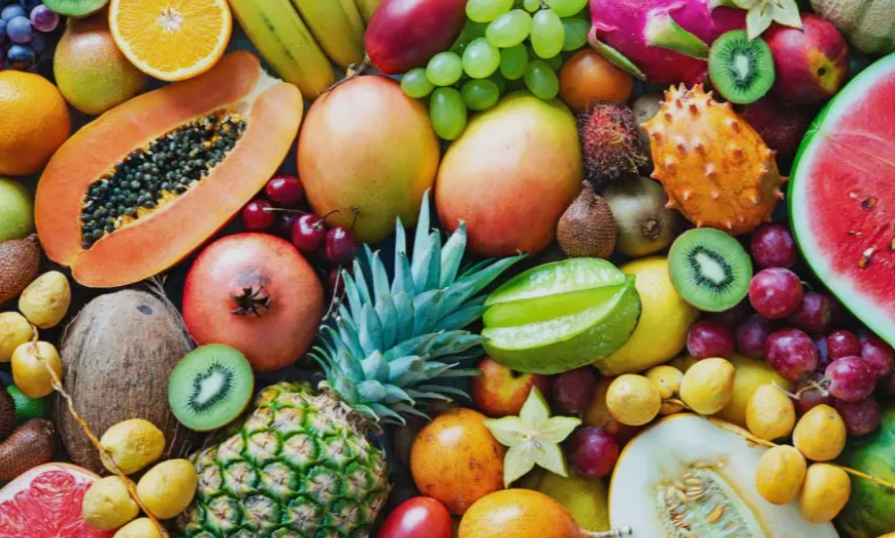
Bananas, watermelons and apples are among the most widely grown fruits in the world, and every warm or temperate region has its own local favorites. The list below covers more than 300 fruits, grouped by type, with a one-sentence description of each.
Pome and Temperate Tree Fruits
- Apple: A crisp, round fruit with red, green or yellow skin and thousands of varieties grown worldwide.
- Crabapple: A small, very tart apple that is mostly used for jelly, cider and wildlife food.
- Pear: A sweet, juicy fruit with a tapered neck and soft, buttery flesh when ripe.
- Asian Pear: A round, crunchy pear with the texture of an apple and a mild, watery sweetness.
- Quince: A hard, fragrant, golden fruit that is too sour to eat raw but turns pink and sweet when cooked.
- Chinese Quince: A large, oval, intensely perfumed fruit used in syrups, preserves and traditional medicine.
- Medlar: A brown, cup-shaped fruit that becomes edible only after it softens and darkens in storage.
- Loquat: A small, orange, tangy-sweet fruit that ripens in early spring on an evergreen tree.
- Shipova: A rare hybrid of pear and whitebeam with sweet, pear-like yellow fruit.
- Sorb: The small, pear-shaped fruit of the service tree, eaten after it softens like a medlar.
- Rowan Berry: A bright orange-red, bitter fruit of the mountain ash that is cooked into jelly.
- Haw: The small red fruit of the hawthorn tree, used in jams, teas and Chinese snacks.
- Mayhaw: A tart, red southern hawthorn fruit that ripens in May and is prized for jelly.
- Serviceberry: A small, purple, blueberry-like fruit with a sweet, almond-tinged flavor.
- Chokeberry: A dark, astringent berry, also called aronia, that is rich in antioxidants.
- Japanese Persimmon: A glossy orange fruit that is sweet and honeyed, eaten either crisp or very soft depending on type.
- American Persimmon: A small native persimmon that is puckery when unripe and rich and custardy after frost.
- Fig: A soft, sweet fruit filled with tiny seeds and eaten fresh or dried.
- Pomegranate: A leathery red fruit packed with hundreds of juicy, jewel-like seeds called arils.
- Kiwifruit: A fuzzy brown fruit with bright green flesh and rows of tiny black seeds.
- Golden Kiwifruit: A smooth-skinned kiwi with yellow flesh that is sweeter and less tart than the green type.
- Kiwiberry: A grape-sized, smooth-skinned kiwi that is eaten whole, skin and all.
- Pawpaw: North America’s largest native fruit, with soft, custard-like flesh tasting of banana and mango.
- Jujube: A small, date-like fruit that is crisp like an apple when fresh and chewy when dried.
- Cornelian Cherry: A bright red, olive-shaped dogwood fruit with a sour cherry flavor.
- Goumi: A small, red, speckled berry from a nitrogen-fixing shrub with a tart, astringent taste.
- Autumn Olive: A tiny, silver-flecked red berry that is sweet-tart and high in lycopene.
- Strawberry Tree Fruit: A round, bumpy red fruit from a Mediterranean evergreen that is mealy and mildly sweet.
- Yangmei: A Chinese bayberry with a knobby red surface and a sweet-sour, juicy flavor.
- Akebia: A purple, sausage-shaped pod that splits open to reveal sweet, translucent pulp.
- Japanese Raisin Tree Fruit: The swollen, sweet fruit stalks of an Asian tree, which taste like raisins.
Stone Fruits
- Peach: A fuzzy, juicy fruit with yellow or white flesh around a deeply grooved stone.
- Flat Peach: A squashed, doughnut-shaped peach with very sweet, low-acid white flesh.
- Nectarine: A smooth-skinned peach that lacks fuzz because of a single recessive gene.
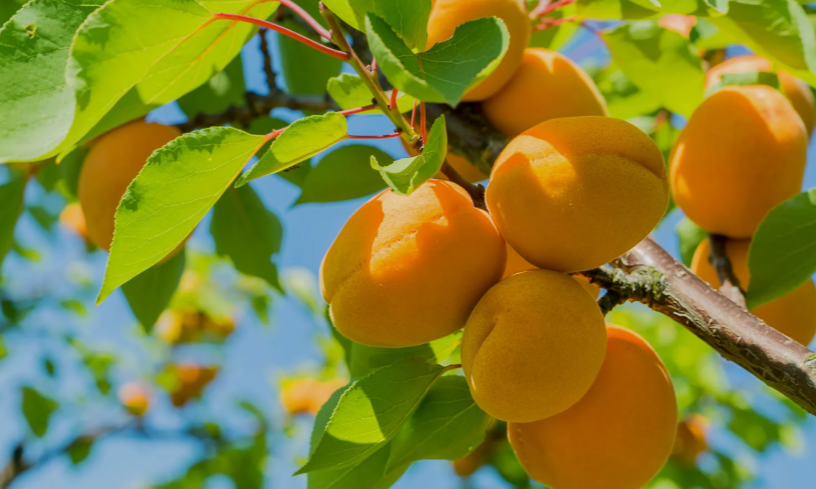
- Apricot: A small, golden-orange fruit with velvety skin and a sweet-tart flavor.
- European Plum: An oval, usually blue or purple plum that dries well into prunes.
- Japanese Plum: A round, juicy plum with red, yellow or dark skin that is mostly eaten fresh.
- Damson: A small, dark blue, very tart plum used for jam, gin and baking.
- Greengage: A small, green-gold plum known for its exceptionally sweet, honeyed flavor.
- Mirabelle: A tiny, golden plum from France that is sweet and fragrant.
- Sloe: The bitter, blue-black fruit of the blackthorn, used to flavor sloe gin.
- Cherry Plum: A small, round red or yellow plum that ripens early in summer.
- Beach Plum: A small, tart wild plum from Atlantic dunes that is made into jelly.
- Chickasaw Plum: A small, red-yellow native plum from the southern United States.
- American Plum: A hardy native plum with red-orange fruit and yellow flesh.
- Sweet Cherry: A dark red, firm, sweet cherry eaten fresh in early summer.
- Rainier Cherry: A yellow and red sweet cherry with very sweet, pale flesh.
- Sour Cherry: A bright red, tart cherry used mainly for pies, preserves and juice.
- Nanking Cherry: A small, scarlet bush cherry that tolerates very cold winters.
- Sand Cherry: A dark purple, astringent cherry from a low prairie shrub.
- Chokecherry: A small, puckery black cherry used in jellies, syrups and wine.
- Black Cherry: A small, bittersweet wild cherry from a large native forest tree.
- Pluot: A plum-apricot hybrid that tastes mostly of plum and has smooth skin.
- Plumcot: An even cross between plum and apricot with a balanced flavor.
- Aprium: An apricot-plum hybrid that looks and tastes mostly like an apricot.
- Peacotum: A hybrid of peach, apricot and plum with a complex, sweet flavor.
- Olive: A small, oily, bitter drupe that is cured or pressed for oil before eating.
- Date: A sticky, very sweet palm fruit that has been cultivated for thousands of years.
Citrus Fruits
- Sweet Orange: The world’s most widely grown citrus fruit, eaten fresh or squeezed for juice.
- Navel Orange: A seedless orange with a small second fruit embedded at its blossom end.
- Valencia Orange: A late-ripening juice orange with abundant, richly colored juice.
- Blood Orange: An orange with crimson flesh and a hint of berry flavor.
- Cara Cara Orange: A navel orange with pinkish-red flesh and low acidity.
- Sour Orange: A bitter orange used for marmalade, sauces and perfume oils.
- Chinotto: A tiny, bitter orange from a dwarf tree that flavors Italian sodas and liqueurs.
- Bergamot Orange: A fragrant, sour citrus whose rind oil flavors Earl Grey tea.
- Mandarin: A small, loose-skinned citrus that peels easily and segments neatly.
- Tangerine: A deep orange mandarin with a rich, sweet-tart flavor.
- Clementine: A small, seedless, very sweet mandarin popular in winter.
- Satsuma: A seedless, easy-peeling mandarin that tolerates more cold than most citrus.
- Ponkan: A large, sweet Chinese mandarin with loose, puffy skin.
- Iyokan: A large, aromatic Japanese citrus with thick, easy-peeling skin.
- Dekopon: A large mandarin hybrid with a knob on top, sold in the United States as Sumo.
- Tangelo: A cross of tangerine and pomelo or grapefruit with very juicy, tangy flesh.
- Tangor: A cross of mandarin and sweet orange with rich, sweet flavor.
- Grapefruit: A large, tart citrus with yellow skin and white, pink or red flesh.
- Pomelo: The largest citrus fruit, with thick rind and mild, sweet segments.
- Oroblanco: A pomelo-grapefruit hybrid with thick rind and sweet, non-bitter flesh.
- Ugli Fruit: A wrinkled Jamaican tangelo with loose skin and sweet, juicy flesh.
- Lemon: A bright yellow, sour citrus used for juice, zest and flavoring.
- Meyer Lemon: A thin-skinned, sweeter lemon thought to be a lemon-mandarin cross.
- Persian Lime: The common seedless green lime sold in supermarkets.
- Key Lime: A small, aromatic, highly acidic lime used in Key lime pie.
- Makrut Lime: A bumpy green lime whose fragrant leaves and zest flavor Thai cooking.
- Finger Lime: An Australian citrus filled with tiny, caviar-like pearls of tart juice.
- Desert Lime: A small, tangy, drought-tolerant wild lime from inland Australia.
- Rangpur Lime: A sour, orange-fleshed citrus that is likely a mandarin-citron hybrid.
- Sweet Lime: A pale, low-acid lime popular as a mild juice in India and the Middle East.
- Citron: A large, lumpy, thick-rinded citrus mostly used for candied peel.
- Buddha’s Hand: A fingered citron with no flesh, grown for its fragrant rind.
- Yuzu: A small, very aromatic Japanese citrus prized for its tart juice and zest.
- Sudachi: A small, green Japanese citrus squeezed over fish and noodles.
- Kabosu: A green Japanese citrus similar to sudachi but larger and milder.
- Kumquat: A tiny, oval citrus eaten whole, with sweet skin and sour flesh.
- Limequat: A cross of lime and kumquat with tart, edible skin.
- Calamondin: A small, sour, orange citrus used like a lime in Philippine cooking.
- Mandarinquat: A bell-shaped cross of mandarin and kumquat with sweet-tart flesh.
- Trifoliate Orange: A very cold-hardy, bitter citrus relative used as a rootstock.
- Citrange: A sour hybrid of sweet orange and trifoliate orange used for drinks and rootstocks.
Berries
- Strawberry: A red, juicy, heart-shaped fruit dotted with tiny seeds on its surface.
- Alpine Strawberry: A small, intensely fragrant strawberry that bears all summer.
- Pineberry: A white strawberry with red seeds and a faint pineapple aroma.
- Musk Strawberry: A rare European strawberry with a powerful, musky perfume.
- Raspberry: A soft, red aggregate fruit that pulls away from its core when picked.
- Golden Raspberry: A yellow raspberry that is often sweeter and milder than the red.
- Black Raspberry: A dark, intensely flavored raspberry also called a blackcap.
- Blackberry: A glossy black aggregate fruit that keeps its core when picked.
- Dewberry: A trailing blackberry relative with fewer, larger drupelets.
- Boysenberry: A large, dark red-purple bramble hybrid with rich, tangy flavor.
- Loganberry: A long, dark red cross of raspberry and blackberry.
- Marionberry: A flavorful blackberry variety developed in Oregon.
- Tayberry: A large, sweet, red-purple raspberry-blackberry cross from Scotland.
- Olallieberry: A shiny black bramble hybrid popular in California.
- Youngberry: A dark, sweet bramble hybrid similar to the boysenberry.
- Wineberry: A bright red, sticky Asian raspberry relative with a tart flavor.
- Cloudberry: An amber-colored Arctic berry with a tart, honeyed taste.
- Salmonberry: A large, orange-red Pacific Northwest berry with a mild, watery flavor.
- Thimbleberry: A soft, flat, red berry shaped like a thimble.
- Blueberry: A round, blue-purple berry with a dusty bloom and sweet flavor.
- Lowbush Blueberry: A small, intensely flavored wild blueberry harvested in Maine and eastern Canada.
- Bilberry: A European wild blueberry with dark flesh that stains the mouth.
- Huckleberry: A wild western berry similar to a blueberry but with a bolder flavor.
- Cranberry: A tart, bright red bog berry used for sauce and juice.
- Lingonberry: A small, red, tart berry popular in Scandinavian cooking.
- Gooseberry: A round, veined berry that can be green, red or purple and is often tart.
- Red Currant: A tiny, translucent red berry grown in clusters with a sharp flavor.
- White Currant: A pale, sweeter form of the red currant.
- Black Currant: A small, dark, strongly flavored berry very high in vitamin C.
- Jostaberry: A cross of black currant and gooseberry with large, dark berries.
- Elderberry: A tiny, dark purple berry that is cooked into syrup, jam and wine.
- Black Mulberry: A juicy, dark purple mulberry with an intense sweet-tart flavor.
- White Mulberry: A pale to purplish mulberry with a mild, very sweet taste.
- Goji Berry: A small, red, oblong berry usually sold dried.
- Haskap: An elongated blue honeysuckle berry that ripens before strawberries.
- Sea Buckthorn: A sour orange berry from a thorny shrub that is rich in vitamins.
- Barberry: A small, red, very sour berry used dried in Persian rice dishes.
- Crowberry: A small, black berry from a low Arctic and mountain shrub.
- Bearberry: A dry, mealy red berry from a low evergreen groundcover.
- Buffaloberry: A small, red, tart berry from a thorny shrub of the northern plains.
- Salal: A dark purple berry from a Pacific Northwest evergreen shrub.
- Oregon Grape: A sour, blue-black berry from a holly-like shrub, used in jelly.
- Highbush Cranberry: A red viburnum berry with a cranberry-like, tart flavor.
- Nannyberry: A dark blue viburnum fruit that turns sweet and prune-like when soft.
- Partridgeberry: A tiny red berry from a creeping woodland plant.
- Wintergreen Berry: A red berry that tastes of mint, from a low evergreen shrub.
- Schisandra: A red berry from an Asian vine said to combine five flavors.
- Maqui Berry: A dark purple Chilean berry exceptionally high in antioxidants.
- Calafate: A blue-black barberry from Patagonia used in jams and liqueurs.
- Ugni: A small, red, aromatic Chilean berry with a strawberry-like taste.
- Myrtle Berry: A blue-black Mediterranean berry used to make liqueur.
- Rose Hip: The red fruit of the rose, used in tea, syrup and jam.
- Cape Gooseberry: A golden berry wrapped in a papery husk with a tangy flavor.
- Ground Cherry: A small, sweet, husked berry related to the tomato.
Grapes
- Table Grape: A sweet, seeded or seedless grape grown for eating fresh.
- Thompson Seedless: A green, seedless grape widely used for raisins.
- Concord Grape: A slip-skin, dark blue American grape used for juice and jelly.
- Muscadine: A thick-skinned, musky grape native to the southeastern United States.
- Scuppernong: A bronze-green muscadine with a sweet, fruity flavor.
- Champagne Grape: A tiny, sweet, seedless grape used fresh and dried as currants.
- Muscat Grape: A highly aromatic grape with a floral, perfumed taste.
- Cotton Candy Grape: A green grape bred to taste like spun sugar.
- Red Globe Grape: A very large, seeded red table grape.
- Kyoho Grape: A large, dark purple Japanese grape with sweet, juicy flesh.
- Shine Muscat: A large, green, seedless Japanese grape with a muscat aroma.
Melons
- Watermelon: A large, juicy melon with red or yellow flesh and a green rind.
- Yellow Watermelon: A watermelon with golden flesh and a honey-like sweetness.
- Cantaloupe: A netted melon with orange flesh and a strong, sweet aroma.
- Charentais Melon: A small, intensely fragrant French melon with orange flesh.
- Honeydew: A smooth-skinned melon with pale green, mildly sweet flesh.
- Galia Melon: A netted melon with green flesh and a tropical aroma.
- Casaba Melon: A wrinkled, yellow melon with pale, mild flesh that keeps well.
- Crenshaw Melon: A large, salmon-fleshed melon with a rich, spicy sweetness.
- Canary Melon: A bright yellow, oval melon with pale, sweet flesh.
- Santa Claus Melon: A green-striped melon that keeps until Christmas.
- Persian Melon: A large netted melon with thick, orange, mild flesh.
- Hami Melon: A long, sweet, crisp Chinese melon from Xinjiang.
- Korean Melon: A small, yellow, striped melon with crisp white flesh and edible seeds.
- Ogen Melon: A small Israeli melon with green flesh and a very sweet taste.
- Horned Melon: A spiky orange fruit, also called kiwano, filled with green jelly.
Tropical and Subtropical Fruits
- Banana: A long, curved fruit with soft, sweet flesh that is the world’s favorite tropical fruit.
- Plantain: A large, starchy banana that is cooked before eating.
- Red Banana: A banana with reddish-purple skin and creamy, slightly raspberry-flavored flesh.
- Lady Finger Banana: A small, thin-skinned banana that is extra sweet.
- Blue Java Banana: A banana with bluish skin and soft flesh said to taste like vanilla ice cream.
- Pineapple: A spiky multiple fruit with sweet, tangy, yellow flesh.
- Mango: A juicy stone fruit with golden flesh, often called the king of fruits.
- Papaya: A large, orange-fleshed fruit with a cavity full of black seeds.
- Babaco: A seedless, five-sided mountain papaya with a fizzy, tart flavor.
- Mountain Papaya: A small, fragrant Andean papaya that is usually cooked.
- Guava: A round, fragrant fruit with pink or white flesh and many small seeds.
- Strawberry Guava: A small, red guava with a strawberry-like flavor.
- Feijoa: A green, egg-shaped fruit, also called pineapple guava, with a minty, tropical taste.
- Passion Fruit: A wrinkled purple or yellow fruit filled with tart, aromatic pulp and seeds.
- Sweet Granadilla: An orange passion fruit with sweet, gray pulp.
- Giant Granadilla: The largest passion fruit, with edible flesh and pulp.
- Banana Passionfruit: A long, yellow passion fruit from the Andes with tangy orange pulp.
- Lychee: A bumpy red fruit with translucent, floral, juicy white flesh.
- Longan: A small, tan fruit with sweet, clear flesh, also called dragon’s eye.
- Rambutan: A red fruit covered in soft hairs with sweet, white flesh inside.
- Pulasan: A rambutan relative with short, thick spines and sweeter flesh.
- Mangosteen: A purple fruit with snowy white segments, called the queen of fruits.
- Durian: A large, spiky fruit famous for its strong smell and creamy, custard-like flesh.
- Jackfruit: The largest tree fruit, with sweet yellow pods or starchy flesh when young.
- Breadfruit: A large, green, starchy fruit cooked like a potato.
- Cempedak: A smaller jackfruit relative with soft, sweet, strongly scented flesh.
- Marang: A spiky, green Philippine fruit with soft, creamy white flesh.
- Soursop: A spiny green fruit with white, fibrous flesh that tastes of pineapple and strawberry.
- Cherimoya: A green, scaly fruit with creamy flesh, often called the custard apple.
- Sugar Apple: A bumpy green fruit with sweet, segmented white flesh.
- Atemoya: A hybrid of cherimoya and sugar apple with smooth, sweet flesh.
- Custard Apple: A reddish-brown fruit with soft, sweet, custard-like pulp.
- Ilama: A Central American relative of the cherimoya with pink or white flesh.
- Biriba: A yellow, knobby Amazon fruit with lemony, custard-like flesh.
- Star Fruit: A waxy yellow fruit that forms five-pointed stars when sliced.
- Bilimbi: A small, green, extremely sour relative of the star fruit used in pickles.
- Red Dragon Fruit: A pink, scaled cactus fruit with white or magenta flesh and black seeds.
- Yellow Dragon Fruit: A spiny yellow cactus fruit with sweeter white flesh.
- Coconut: A large drupe with a fibrous husk, white flesh and refreshing water.
- Açaí: A small, dark purple palm fruit mashed into a thick, earthy drink.
- Salak: A scaly, brown snake fruit with crisp, sweet-tangy flesh.
- Rambai: A small, yellow Southeast Asian fruit with sweet-sour translucent flesh.
- Langsat: A pale yellow, clustered fruit with sweet, translucent segments.
- Santol: A round, fuzzy fruit with sour rind and sweet, cottony pulp.
- Mamey Sapote: A large, brown fruit with salmon-colored flesh that tastes of sweet potato and pumpkin.
- Sapodilla: A brown, rough-skinned fruit with malty, brown-sugar flavored flesh.
- Black Sapote: A green fruit with dark brown flesh that tastes like chocolate pudding.
- White Sapote: A green fruit with creamy, sweet flesh tasting of banana and peach.
- Canistel: A yellow fruit, also called eggfruit, with dry, sweet flesh like egg yolk.
- Abiu: A bright yellow Amazon fruit with clear, caramel-flavored flesh.
- Star Apple: A purple or green fruit with a star pattern inside and milky, sweet flesh.
- Green Sapote: A green, brown-flecked fruit with sweet, orange-brown flesh.
- Lucuma: A Peruvian fruit with dry, yellow flesh that tastes of maple and sweet potato.
- Tamarind: A brown pod filled with sticky, sweet-sour pulp.
- Jabuticaba: A grape-like Brazilian fruit that grows directly on the trunk.
- Acerola: A small, red, cherry-like fruit with some of the highest vitamin C levels of any fruit.
- Surinam Cherry: A ribbed, red fruit with a resinous, sweet-tart flavor, also called pitanga.
- Grumichama: A dark purple Brazilian cherry with a sweet, mild flavor.
- Cupuaçu: A brown, fuzzy Amazon fruit related to cacao with tangy, aromatic pulp.
- Cacao Fruit: A large pod whose sweet white pulp surrounds the seeds used to make chocolate.
- Camu Camu: A sour, purple-red Amazon berry extremely rich in vitamin C.
- Araza: A yellow Amazon guava relative with very aromatic, acidic pulp.
- Bacuri: A yellow Amazon fruit with thick rind and fragrant, sweet-sour white pulp.
- Aguaje: A scaly, red-brown palm fruit with oily orange flesh rich in vitamin A.
- Peach Palm Fruit: A red or orange palm fruit that is boiled and tastes like chestnut.
- Java Plum: A dark purple, astringent fruit, also called jamun, that stains the tongue.
- Rose Apple: A pale, bell-shaped fruit with crisp flesh that smells of roses.
- Wax Apple: A shiny, bell-shaped fruit with crisp, watery, lightly sweet flesh.
- Malay Apple: A pear-shaped red fruit with white, juicy, mildly sweet flesh.
- Governor’s Plum: A small, dark red, sweet-tart fruit from a thorny tree.
- Ackee: A red pod whose creamy arils are cooked as Jamaica’s national fruit, though unripe fruit is toxic.
- Ambarella: A green, crunchy fruit with a tart, mango-like flavor.
- Yellow Mombin: A small, yellow, tangy hog plum eaten fresh or made into juice.
- Spanish Lime: A green, grape-sized fruit, also called mamoncillo, with tart-sweet pulp.
- Pitomba: A small orange Brazilian fruit with sweet-sour, juicy pulp.
- Monstera Fruit: A long, scaled fruit that tastes of pineapple and banana when fully ripe.
- Noni: A lumpy, pale fruit with a pungent smell used in juices and folk medicine.
- Marula: A yellow African fruit with tart, juicy flesh used in a famous cream liqueur.
- Baobab: A woody pod filled with dry, powdery, tangy pulp.
- Safou: An African pear with purple skin and buttery flesh that is softened in hot water.
- African Star Apple: An orange fruit with sweet-sour flesh popular in West Africa.
- Miracle Fruit: A small red berry that makes sour foods taste sweet for about an hour.
- Kei Apple: A yellow, very sour fruit from a thorny South African shrub.
- Natal Plum: A red, cranberry-like fruit from a spiny coastal shrub.
- Monkey Orange: A hard-shelled African fruit with sweet, sticky pulp.
- Indian Gooseberry: A pale green, sour, astringent fruit, also called amla, rich in vitamin C.
- Wood Apple: A hard-shelled fruit with brown, sour-sweet pulp used in drinks and chutneys.
- Bael: A woody fruit with fragrant orange pulp used in Indian drinks and medicine.
- Phalsa: A small, purple, sweet-sour berry popular in Indian summer drinks.
- Karonda: A small, sour, red-purple berry used in Indian pickles.
- Kokum: A dark purple fruit whose dried rind adds sourness to Indian dishes.
- Indian Jujube: A small, crunchy, apple-like fruit called ber in India.
- Naranjilla: A fuzzy orange Andean fruit with green, citrusy pulp, also called lulo.
- Tamarillo: An egg-shaped tree tomato with tangy red or yellow flesh.
- Pepino Melon: A yellow, purple-striped fruit with mild flesh between melon and cucumber.
- Sea Grape: A small, purple grape-like fruit from a coastal tropical tree.
- Cocoplum: A small, pink or purple coastal fruit with a mild, cottony taste.
- Ice Cream Bean: A long pod with sweet, cotton-like pulp around the seeds.
- Cashew Apple: The juicy, astringent fruit stalk that carries the cashew nut.
- Wampee: A small, yellow, grape-like citrus relative with sweet-tart flesh.
- Avocado: A creamy, buttery, high-fat berry with a single large seed.
- Carob: A brown pod with sweet, chocolate-like pulp used as a cocoa substitute.
- Mabolo: A velvety, reddish fruit, also called velvet apple, with a cheesy aroma.
- Gac: A spiny orange-red Vietnamese fruit whose red seed coating colors rice.
- Bignay: A small, red-to-black berry in long clusters used for wine and jam.
- Pandanus Fruit: A large, segmented fruit whose fibrous keys are chewed or cooked.
- Cherry of the Rio Grande: A dark purple Brazilian fruit with a sweet cherry flavor.
- Barbados Gooseberry: A small, yellow, sour fruit from a leafy climbing cactus.
Wild and Native Fruits
- Maypop: A hardy native passion fruit of the southeastern United States.
- Mayapple: A lemon-colored woodland fruit that is edible only when fully ripe.
- Saguaro Fruit: A red cactus fruit with sweet pulp harvested in the Sonoran Desert.
- Prickly Pear: A spiny red or green cactus fruit with sweet, watermelon-like flesh.
- Banana Yucca Fruit: A fleshy, banana-shaped desert fruit that is roasted before eating.
- Hackberry: A tiny, sweet, date-like fruit with a hard seed from a native tree.
- Quandong: A bright red Australian desert peach with tart flesh.
- Kakadu Plum: A small Australian fruit with extraordinarily high vitamin C.
- Davidson’s Plum: A dark purple, very sour Australian rainforest fruit.
- Riberry: A small, pink Australian lilly pilly fruit with a clove-like flavor.
- Muntries: A small, green-red Australian berry that tastes of spiced apple.
- Illawarra Plum: A dark purple Australian fruit with a pine-like, plummy taste.
- Mobola Plum: A yellow-orange African fruit with dry, sweet, mealy pulp.
Botanical Fruits Eaten as Vegetables
- Tomato: A juicy red berry botanically classed as a fruit but cooked as a vegetable.
- Cherry Tomato: A small, sweet tomato eaten raw in salads.
- Tomatillo: A green, husked fruit with tart flesh used in salsa verde.
- Cucumber: A long, green, watery fruit eaten fresh or pickled.
- Cucamelon: A grape-sized fruit that looks like a tiny watermelon and tastes of cucumber and lime.
- Zucchini: A tender summer squash picked young and cooked.
- Pumpkin: A large, orange winter squash used in pies and soups.
- Butternut Squash: A tan, bell-shaped squash with sweet, orange flesh.
- Bell Pepper: A sweet, crisp, hollow pepper in green, red, yellow or orange.
- Chili Pepper: A hot pepper whose heat comes from a compound called capsaicin.
- Eggplant: A glossy purple berry with spongy flesh that is cooked as a vegetable.
- Okra: A ridged green pod with a sticky texture used in gumbo.
- Chayote: A pale green, pear-shaped squash with crisp, mild flesh.
- Bitter Melon: A warty green gourd with a strongly bitter taste used in Asian cooking.
Further Sources:
What a fruit is and how fruits are classified
- University of Minnesota: Fruit Morphology
- North Dakota State University: Fruit types lab manual
- Britannica: Fruit
Most widely grown fruits (intro)
- WorldAtlas: Most popular fruits in the world (FAO 2022 data)
- Statista: Global fruit production by variety