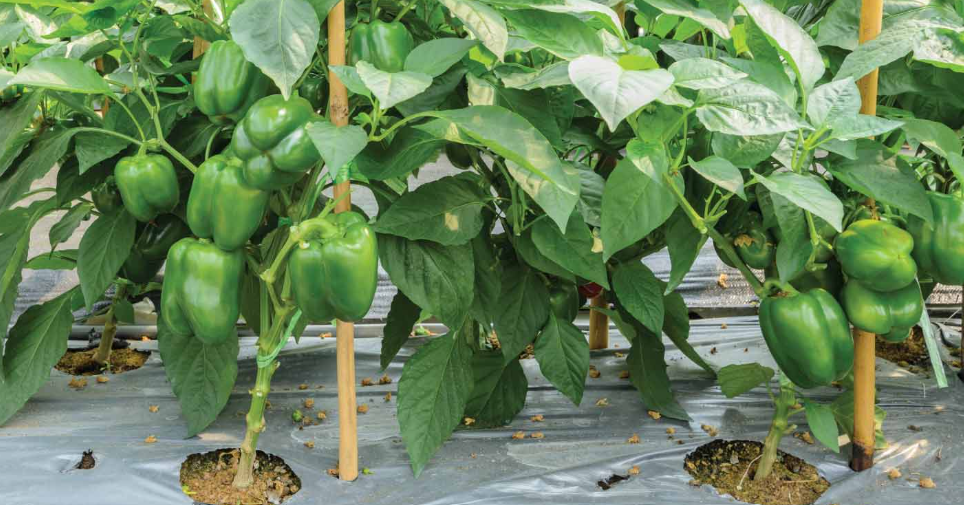
Capsicum is one of the most economically and culinarily important vegetable and spice crops in the world, encompassing the entire spectrum of peppers from the mildest, sweetest bell pepper to the most fiercely hot chili varieties that push the boundaries of human heat tolerance. Native to the Americas, where they have been cultivated for at least 6,000 years by indigenous peoples from Mexico to Peru, capsicums were introduced to Europe by Spanish and Portuguese explorers in the late fifteenth century and spread with extraordinary speed across Africa, Asia, and the Middle East to become essential ingredients in the cuisines of cultures that had never encountered them before. Global capsicum production exceeds 36 million metric tons annually, with China, Mexico, Turkey, Indonesia, and Spain among the largest producers.
There are five domesticated capsicum species encompassing thousands of named varieties, but the vast majority of cultivated peppers worldwide belong to a single species that includes both sweet bell peppers and the most widely grown chili varieties. Individual plants range from compact 12-inch dwarf varieties suitable for container growing to large, bushy plants reaching 4 to 5 feet in height and spread under ideal conditions. Capsicums are grown as perennials in USDA zones 10 to 12 and as annuals in zones 3 to 9, requiring warm temperatures consistently above 60°F for best growth and fruiting performance, with most varieties maturing in 60 to 90 days from transplant.
The heat of chili peppers is measured using the Scoville Heat Unit scale, developed by pharmacist Wilbur Scoville in 1912, which ranges from zero Scoville units for sweet bell peppers to over 2 million units for the world’s hottest varieties. The compound responsible for chili heat is capsaicin, concentrated primarily in the white pith and seeds rather than the flesh of the fruit, and this compound has been extensively studied for its potential health benefits including pain relief, cardiovascular protection, and metabolic enhancement. Sweet capsicums are rich in vitamin C, vitamin A, vitamin B6, and antioxidants, with a single red bell pepper providing over 150 percent of the recommended daily vitamin C intake.
Capsicums are among the most versatile of all vegetables in world cuisine, eaten raw in salads, roasted, grilled, stuffed, dried, pickled, fermented, and ground into powders and pastes that form the flavor foundation of cuisines from Hungarian goulash and Spanish paprika dishes to Indian curries, Korean kimchi, and Mexican mole sauces. The United States consumes approximately 4 billion pounds of peppers annually in fresh and processed forms, and the global hot sauce market alone was valued at over 3 billion dollars in 2022 and continues to grow rapidly. The extraordinary diversity of capsicum varieties available — spanning every combination of heat level, color, size, shape, and flavor complexity — makes this one of the most varied and culturally significant plant genera in human culinary history.
Types of Capsicum
1. Bell Pepper
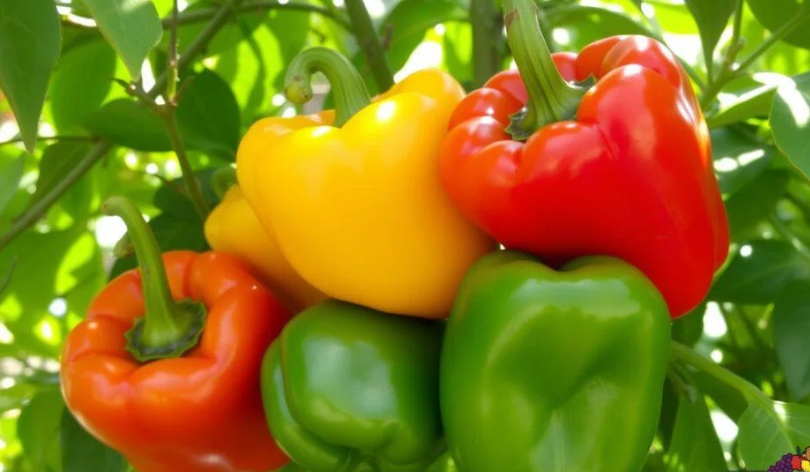
Bell Pepper is the most widely consumed capsicum in the world, producing large, blocky, four-lobed, completely heat-free fruits in green, red, yellow, orange, and purple that are the universal sweet pepper of global fresh vegetable markets. Individual fruits typically weigh 4 to 8 ounces and measure 3 to 4 inches across, maturing in 70 to 85 days to green and an additional 2 to 3 weeks to reach full red, yellow, or orange color. Red bell peppers are significantly sweeter and more nutritious than green, containing nearly three times the vitamin C and eleven times the beta-carotene of their unripe green counterparts.
2. Jalapeño
Jalapeño is the most widely grown and consumed chili pepper in the United States and one of the most important chili varieties globally, producing smooth, thick-walled, cylindrical fruits 2 to 3.5 inches long with a moderate heat level of 2,500 to 8,000 Scoville units and a clean, fresh, green pepper flavor that is the definitive chili taste of Mexican and Tex-Mex cuisine. It matures in 70 to 85 days and is consumed fresh, pickled, smoked as chipotle, and processed into countless commercial hot sauce and salsa products. The United States alone produces over 150,000 acres of jalapeños annually, primarily in New Mexico and Texas.
Also Read: Different Types of Cabbages
3. Habanero
Habanero is one of the most famous and widely grown superhot chili varieties in the world, producing small, lantern-shaped, wrinkled fruits 1 to 2.5 inches long with an intense heat of 100,000 to 350,000 Scoville units and a distinctive, fruity, floral, tropical flavor underlying the fierce heat that makes it one of the most complex and interesting of all chili varieties. It matures in 75 to 90 days and is native to the Amazon Basin, widely grown across the Caribbean, Mexico’s Yucatan Peninsula, and Central America. It is the primary chili of traditional Yucatecan Mexican cuisine and an essential ingredient in Caribbean hot sauces.
4. Cayenne
Cayenne is one of the most important chili peppers in global spice production, producing long, slender, tapering, wrinkled red fruits 4 to 6 inches in length with a moderate to high heat of 30,000 to 50,000 Scoville units that is the standard reference heat level of commercial chili powder and cayenne pepper spice blends. It matures in 70 to 80 days and is dried and ground into the cayenne pepper powder that is one of the most widely used spices in kitchens worldwide. It is widely grown in India, China, Mexico, and across the United States and is also used extensively in herbal medicine and topical pain relief preparations.
5. Serrano
Serrano is a widely grown Mexican chili variety producing small, slender, smooth, cylindrical fruits 1 to 4 inches long with a clean, bright, sharp heat of 10,000 to 23,000 Scoville units — considerably hotter than jalapeño but with a similar fresh, vegetal, green pepper flavor character. It matures in 75 to 90 days and is one of the most commonly used fresh chili peppers in traditional Mexican cuisine, essential in fresh salsas and guacamole where it is often used interchangeably with jalapeño but at smaller quantities due to its higher heat. It is among the most widely grown chili varieties in Mexico.
6. Poblano
Poblano is the most widely used fresh chili pepper in Mexican cuisine, producing large, heart-shaped, dark green to near-black, thick-walled fruits 4 to 5 inches long with a mild to moderate heat of 1,000 to 2,000 Scoville units and a rich, earthy, complex flavor that is one of the most distinctively Mexican of all chili flavors. It matures in 65 to 80 days and is the traditional pepper used for chiles rellenos and chiles en nogada — two of the most important dishes in the Mexican culinary canon. When dried, the poblano becomes the ancho chili, one of the most important dried chili varieties in Mexican cooking.
7. Banana Pepper
Banana Pepper produces long, smooth, pale yellow to golden-yellow, curved fruits 4 to 6 inches in length that resemble a banana in shape and color, with a very mild, sweet, slightly tangy flavor and little to no heat at 0 to 500 Scoville units. It matures in 65 to 75 days and is one of the most popular fresh and pickling peppers in North American home gardens and commercial production, widely used in sandwiches, salads, antipasto platters, and pickled pepper products. The mild, sweet flavor and low heat make it one of the most universally appealing sweet pepper varieties beyond the standard bell pepper.
8. Anaheim
Anaheim is one of the most important and widely grown mild chili varieties in the United States, producing long, smooth, tapered, bright green fruits 6 to 10 inches in length with a mild heat of 500 to 2,500 Scoville units and a clean, sweet, slightly earthy flavor that is one of the defining tastes of Californian and New Mexican cuisine. It matures in 75 to 85 days and is the primary pepper used in canned green chiles — the most widely sold processed chili product in the United States. In New Mexico, where a local strain called New Mexico chile is grown at significant commercial scale, it is roasted and eaten in green chile sauce that accompanies virtually every meal.
9. Thai Chili (Bird’s Eye)
Thai Chili, also called Bird’s Eye Chili, is a small, fierce, slender, pointed chili producing tiny fruits only 1 to 2 inches long with an extremely high heat of 50,000 to 100,000 Scoville units and a sharp, clean, intensely hot flavor that is the defining heat source of Thai, Vietnamese, Indonesian, and broader Southeast Asian cuisine. It matures in 75 to 90 days and is one of the most widely grown chili varieties across tropical Asia, consumed fresh, dried, and in cooked dishes in quantities that reflect the genuine, extreme heat tolerance of the cultures that use it most. A single small fruit can deliver intense heat to an entire dish.
10. Scotch Bonnet
Scotch Bonnet is the iconic Caribbean chili pepper, closely related to the habanero and producing small, squat, bonnet-shaped fruits with heat ranging from 100,000 to 350,000 Scoville units alongside a distinctive, fruity, sweet, tropical flavor character that is as celebrated in Caribbean cooking as the intense heat itself. It matures in 90 to 120 days and is the essential chili of Jamaican jerk seasoning and numerous traditional Caribbean hot sauces and condiments. It is the national chili of Jamaica and an important cultural symbol across the Caribbean island nations where it is used in virtually every aspect of traditional cooking.
11. Ghost Pepper (Bhut Jolokia)
The Ghost Pepper held the Guinness World Record as the world’s hottest chili from 2007 to 2011, producing small, wrinkled, elongated red fruits with an extraordinary heat of 855,000 to over 1,000,000 Scoville units that makes it one of the most intensely hot peppers ever measured. It matures in 100 to 120 days and is native to northeastern India where it has been used in traditional cooking and as a deterrent in conflict situations for centuries. The Ghost Pepper sparked the modern superhot chili culture that has since produced even more extreme varieties and established a global community of extreme heat enthusiasts.
12. Carolina Reaper
The Carolina Reaper is the current Guinness World Record holder for the world’s hottest chili pepper, developed by Ed Curlin of PuckerButt Pepper Company in South Carolina and certified in 2013 with an average heat of 1,641,183 Scoville units and individual fruits testing above 2,200,000 units. It produces small, red, deeply wrinkled, scorpion-tailed fruits with a deceptively sweet, fruity flavor that immediately gives way to almost incomprehensible heat. It matures in 90 to 120 days and is primarily grown by extreme heat enthusiasts, competitive chili eaters, and specialty hot sauce producers for whom heat intensity rather than culinary application is the primary goal.
13. Chipotle
Chipotle is not a distinct variety but a preparation — a smoke-dried jalapeño — that has become one of the most important and distinctive flavors in Tex-Mex and Mexican-American cuisine. The smoking and drying process transforms the fresh, green heat of jalapeño into a deep, complex, smoky, sweet, earthy, moderately hot flavor of extraordinary versatility and depth. Chipotle peppers are sold dried whole, canned in adobo sauce, and ground into powder, and the chipotle flavor has become one of the most commercially important chili flavors in North American food manufacturing, appearing in sauces, marinades, seasonings, and restaurant menus across the continent.
14. Pimiento
Pimiento is a large, heart-shaped, very sweet, thick-walled capsicum producing deep red, smooth, very aromatic fruits 3 to 4 inches long with zero heat and an exceptionally rich, sweet, fruity flavor that is sweeter and more complex than a standard bell pepper. It matures in 75 to 85 days and is the traditional pepper used in the production of Spanish pimentón paprika — the smoked and unsmoked red paprika powders that are essential spices in Spanish, Hungarian, and Portuguese cooking. In North America, pimiento is most familiar as the tiny red stuffing inside green cocktail olives and as the base of pimiento cheese spread.
15. Shishito
Shishito is a thin-walled, wrinkled, small Japanese chili variety producing slender, bright green fruits 2 to 4 inches long that are almost entirely mild and sweet — typically scoring only 50 to 200 Scoville units — with the occasional random individual fruit delivering a surprising burst of moderate heat. It matures in 55 to 65 days and has become enormously popular in North American and European restaurant culture over the past decade, typically blistered in a hot pan with olive oil and sea salt and eaten whole as a casual starter or bar snack. The surprise heat roulette quality of occasionally encountering a hot fruit among an otherwise mild harvest has added a playful, interactive quality to its restaurant appeal.
16. Padron
Padron is a small, wrinkled, thin-walled Spanish chili from the Padrón municipality of Galicia in northwestern Spain, producing slender, bright green fruits 1 to 2 inches long with a similar character to shishito peppers — mostly mild and sweet with occasional randomly hot individuals. It matures in 60 to 70 days and is traditionally blistered in olive oil and served with coarse sea salt as pimientos de Padrón, one of the most popular tapas dishes in Spanish cuisine. Like shishito, the mild-with-occasional-heat-surprise character gives it a playful, engaging quality that has made it an increasingly popular specialty pepper beyond Spain.
17. Cubanelle
Cubanelle, also called Italian Frying Pepper, is a long, tapered, thin-walled, very sweet, mild pepper producing pale yellow-green to red fruits 4 to 6 inches long with 0 to 1,000 Scoville units and a sweet, fruity, delicate flavor that is the classic Italian-American frying and sautéing pepper. It matures in 65 to 75 days and is widely used in Italian, Cuban, and broader Latin American cooking for stuffing, frying in olive oil, and incorporating into sofrito and other cooked pepper preparations. The thin walls cook quickly and evenly, making it one of the most practical and versatile cooking peppers available.
18. Fresno
Fresno is a California-origin chili variety closely resembling the jalapeño in appearance — producing smooth, conical, red or green fruits 2 to 3 inches long — but with a somewhat thinner wall, brighter, fruitier flavor, and slightly higher heat of 2,500 to 10,000 Scoville units. It matures in 75 to 85 days and has become an increasingly important chili in North American fresh market retail and restaurant kitchens where it is used in salsas, pickled preparations, and as a garnish and heat element in contemporary cooking. The fruity, bright flavor profile distinguishes it subtly but meaningfully from the jalapeño in culinary applications.
19. Hungarian Wax
Hungarian Wax is a large, smooth, tapered, waxy-skinned pepper producing pale yellow to golden-orange to red fruits 4 to 6 inches long with a moderate heat range of 5,000 to 10,000 Scoville units in its hot form and virtually no heat in the mild, sweet form commonly sold as a banana pepper substitute. It matures in 65 to 75 days and is one of the most important fresh and pickling pepper varieties in Central and Eastern European cuisine, widely pickled in vinegar and used fresh in Hungarian and Polish cooking traditions. The attractive, waxy skin and moderate, building heat make it a popular fresh market pepper.
20. Pepperoncini
Pepperoncini is a small, thin-walled, wrinkled, mild chili variety widely consumed pickled across Italian and Greek cuisine, producing slender, tapered, pale green to red fruits 2 to 5 inches long with a mild heat of 100 to 500 Scoville units and a distinctive, tangy, slightly bitter flavor that is unlike any other commonly available pickled pepper. It matures in 60 to 75 days and is most familiar in North America as the small, pale green pickled pepper served alongside sandwiches at Italian-American sub shops and as a garnish in Greek salads. It is one of the most important condiment peppers in Italian and Greek culinary tradition.
Also Read: Different Types of Lettuce
21. Rocoto
Rocoto is a distinctive South American chili species native to the Andes of Peru and Bolivia, producing round to apple-shaped fruits 1.5 to 2.5 inches across with thick, juicy, fruity flesh, black seeds, and an intense heat of 30,000 to 100,000 Scoville units. It is unique among commonly grown chili varieties in preferring cool temperatures — thriving in the cool Andean highlands where most other chili species struggle — and is a perennial plant that can survive for several years in appropriate cool climates. It is the primary chili used in traditional Peruvian ají sauces and is an important ingredient in traditional Andean cuisine.
22. Ají Amarillo
Ají Amarillo is the most important chili pepper in Peruvian cuisine, widely considered the backbone flavor of traditional Peruvian cooking, producing elongated, orange-yellow to bright orange fruits 4 to 5 inches long with a moderately high heat of 30,000 to 50,000 Scoville units and a distinctive, fruity, raisin-like, tropical flavor that is considered one of the most complex and interesting of any chili variety in the world. It matures in 80 to 90 days and is used fresh, dried, and in paste form in traditional Peruvian dishes including ceviche, causa, and papas a la huancaína. Outside Peru it is increasingly available from specialty food retailers and Latin American markets.
23. Cascabel
Cascabel is a Mexican chili variety primarily known and used in its dried form, producing small, round, nearly spherical, deep red to dark brown fruits about 1 to 1.5 inches in diameter with a moderate heat of 1,500 to 2,500 Scoville units and a rich, nutty, slightly smoky, earthy flavor with hints of tobacco and woodsmoke that makes it one of the most distinctively flavored of all dried Mexican chili varieties. The name means rattle in Spanish, referring to the distinctive sound the loose dried seeds make when the dried fruit is shaken. It is an important ingredient in traditional Mexican red sauces and mole preparations.
24. Guajillo
Guajillo is one of the most widely used dried chili varieties in Mexican cuisine, produced from the dried mirasol chili and one of the three essential dried chilies — alongside ancho and mulato — that form the basis of traditional mole negro and countless other Mexican sauces. It produces long, smooth, tapered, deep red-burgundy dried fruits 4 to 6 inches long with a mild to moderate heat of 2,500 to 5,000 Scoville units and a distinctive, sweet, fruity, slightly tangy flavor with notes of cranberry and pine. It is one of the most commercially important chili varieties in the Mexican spice trade and is widely available dried in Latin American markets globally.
25. Ancho
Ancho is the dried form of the fresh poblano chili and one of the most important dried chili varieties in Mexican cuisine, producing large, flat, wrinkled, dark brownish-red dried fruits with a mild heat of 1,000 to 2,000 Scoville units and a rich, earthy, slightly sweet, complex flavor with notes of chocolate, coffee, and dried fruit that gives it one of the deepest and most complex flavor profiles of any dried chili variety. It is one of the three essential chilies in traditional Mexican mole negro alongside guajillo and mulato and is widely used in red chile sauces, enchilada sauce, and Mexican meat braises. It is widely available from Latin American markets worldwide.
26. Pasilla
Pasilla is the dried form of the chilaca chili and one of Mexico’s most important dried chili varieties, producing long, narrow, very dark brown to near-black dried fruits 5 to 7 inches long with a mild to moderate heat of 1,000 to 2,500 Scoville units and a rich, complex, earthy, slightly sweet flavor with distinctive notes of dried berry, chocolate, and herbs that make it a distinctive and irreplaceable ingredient in traditional Mexican mole negro and other complex sauces. The name means little raisin in Spanish, referring to the dark, wrinkled appearance of the dried fruit. It is widely used in the Oaxacan and Mexico City culinary traditions.
27. Mulato
Mulato is a dried chili variety closely related to the ancho and poblano, producing large, flat, dark brown to near-black dried fruits with a mild heat of 2,500 to 3,000 Scoville units and a rich, earthy, slightly sweet flavor with distinctive notes of chocolate, licorice, and dried cherry that is deeper and more complex than the ancho. It is one of the three essential dried chilies in traditional Mexican mole negro and is considered by Mexican culinary authorities to be essential — not optional — in producing an authentic mole negro of the highest quality. It is primarily available from specialist Mexican and Latin American spice suppliers.
28. De Arbol
De Arbol is a slender, intensely hot Mexican chili variety producing long, narrow, smooth, bright red fruits 2 to 3 inches long with a high heat of 15,000 to 30,000 Scoville units and a sharp, grassy, bright, clean heat with a slightly nutty, smoky undertone that makes it a distinctive and important ingredient in traditional Mexican table salsas and hot sauces. The name means tree chili in Spanish, referring to the woody, tree-like stems of the plant that remain firm rather than wilting as in most other chili varieties. It is widely available dried in Latin American markets and is an important ingredient in traditional Guadalajaran salsa roja.
29. Piquillo
Piquillo is a traditional Spanish sweet pepper from the Navarra region of northern Spain, producing small, triangular, bright red fruits 3 to 4 inches long with sweet, thick, very juicy flesh of zero heat and a distinctive, slightly smoky, sweet, complex flavor developed during the traditional wood-fire roasting process used to prepare them. Piquillo peppers hold Protected Designation of Origin status under European food law and are considered one of the finest of all Spanish preserved vegetable products, widely used stuffed with bacalao, prawns, or cheese as a traditional tapas dish. They are primarily available preserved in jars from Spanish specialty food suppliers.
Also Read: Types of Onions
30. Lipstick Pimento
Lipstick is a compact, productive sweet pimento pepper variety producing medium-sized, heart-shaped, very thick-walled, very sweet, brilliant red fruits 3 to 4 inches long with an exceptionally rich, sweet, fruity flavor and zero heat that is considered by many gardeners to be the finest-flavored sweet pepper for fresh eating. It matures in 70 to 80 days and received the All-America Selections award for outstanding garden performance, combining prolific productivity, compact plant size, and exceptional fruit quality in a single variety. It is widely available from mainstream seed suppliers and is a popular home garden variety across North America.
31. Jimmy Nardello
Jimmy Nardello is a beloved Italian heirloom frying pepper brought to the United States by Jimmy Nardello’s family from Basilicata, southern Italy in 1887 and preserved for over a century before being distributed through the Seed Savers Exchange to a wider audience of gardeners. It produces long, thin, wrinkled, very sweet, bright red fruits 8 to 12 inches long with zero heat and an extraordinary, concentrated, sweet, complex, caramelized flavor when fried in olive oil that is unlike virtually any other sweet pepper variety. It matures in 75 to 85 days and is considered by many food writers and chefs to be the finest sweet frying pepper in existence.
32. Chocolate Bell Pepper
Chocolate Bell Pepper is a color variant of the standard bell pepper producing large, blocky, four-lobed fruits that ripen from green through an unusual, deep, rich chocolate-brown to burgundy-brown rather than the standard red, yellow, or orange of typical bell pepper varieties. The flavor when fully ripe is distinctively sweet and rich with a slightly deeper, earthier character than standard red bell peppers, and the unusual, dramatic chocolate-brown color provides striking visual impact in salads and vegetable platters. It matures in 75 to 85 days and is widely available from mainstream and specialty seed suppliers.
33. Purple Bell Pepper
Purple Bell Pepper produces large, blocky, four-lobed fruits that develop a vivid, striking deep purple to indigo color at the green stage before ripening through to red — meaning the purple coloring is present only on unripe fruit rather than representing a distinct ripe fruit color. The flesh is standard sweet bell pepper flavor with zero heat and the vivid purple color provides outstanding visual impact in raw salads and crudités platters. It matures in 70 to 80 days and is primarily grown for the ornamental interest of the unusual fruit color rather than any distinctive flavor quality.
34. Ají Panca
Ají Panca is an important Peruvian chili variety used primarily in its dried form, producing elongated, dark burgundy-red to near-black dried fruits with a mild heat of 1,000 to 1,500 Scoville units and a distinctive, deep, smoky, slightly fruity, berry-like flavor that is one of the most characteristically Peruvian of all chili flavors. It is the second most important chili in Peruvian cuisine after Ají Amarillo and is widely used in marinades, braises, and spice pastes for traditional Peruvian meat dishes including anticuchos and seco de carne. It is increasingly available from Latin American specialty food suppliers outside Peru.
35. Scorpion Pepper
The Trinidad Moruga Scorpion held the Guinness World Record as the world’s hottest chili before the Carolina Reaper, producing small, wrinkled, blistered, scorpion-tailed fruits with a heat of 1,200,000 to 2,000,000 Scoville units and a fruity, floral character underlying the extreme heat that is characteristic of superhot varieties from the Caribbean. It matures in 100 to 120 days and is native to the Moruga district of Trinidad where it grows wild and has been used in local cooking for generations. It is widely grown by superhot chili enthusiasts and is used in the most extreme commercial hot sauce products.
36. Espelette Pepper
Espelette Pepper is a mildly hot French chili variety from the Basque village of Espelette in the French Pyrenees, producing medium-sized, elongated, bright red fruits with a mild heat of 1,500 to 2,500 Scoville units and a distinctive, complex, slightly smoky, fruity flavor that has made it one of the most prestigious and protected chili varieties in Europe. It holds Appellation d’Origine Contrôlée status under French food law and is widely used in traditional Basque cuisine as a universal seasoning replacing black pepper in traditional recipes. Ground dried Espelette pepper is sold as a premium spice in specialty food shops across Europe and North America.
37. Calabrian Chili
Calabrian Chili is a family of small, round to elongated, very hot Italian chili varieties from Calabria in southern Italy, producing bright red to deep red fruits with a high heat of 25,000 to 40,000 Scoville units and a distinctive, fruity, slightly smoky, deeply savory flavor that makes it one of the most complex and interesting of all Italian chili varieties. It is widely used in southern Italian cuisine in preserved form — in olive oil, as a paste, or fermented — and has become enormously fashionable in North American restaurant cooking over the past decade where the preserved Calabrian chili in oil has become a staple condiment and pizza topping in upscale Italian and contemporary dining contexts.
Also Read: Types of Pumpkins
38. Lemon Drop Pepper
Lemon Drop Pepper is a South American chili variety producing small, smooth, bright, vivid lemon-yellow fruits 2 to 3 inches long with a moderately high heat of 15,000 to 30,000 Scoville units and a distinctive, bright, citrusy, lemon-like flavor that is as refreshing and fruit-forward as the appearance and name suggest. It matures in 80 to 90 days and is native to Peru where it is used in traditional fresh salsas and ceviche preparations for the citrus-chili combination it provides in a single ingredient. The unusual, vivid lemon-yellow color and genuinely citrusy flavor make it one of the most distinctive and interesting specialty chili varieties for home garden cultivation.
39. Peperoncino
Peperoncino is the generic Italian term for a family of small, slender, very hot Italian chili varieties that are a cornerstone of southern Italian and specifically Calabrian and Sicilian cuisine, producing thin, elongated, deep red fruits 1 to 3 inches long with a high heat of 15,000 to 40,000 Scoville units and a clean, direct, penetrating heat used to season the remarkable range of Italian preserved meats, pasta sauces, and olive oil preparations that define the cuisine of the Italian south. Dried whole and crushed as peperoncino flakes, they are the most widely used chili seasoning in Italian cooking and the standard heat element in pasta all’arrabbiata, spaghetti aglio e olio, and countless other Italian preparations.
40. Manzano
Manzano is a distinctive South American capsicum species native to the high Andes of Mexico and Central America, producing round, apple-shaped fruits 1.5 to 2.5 inches across — the name means apple in Spanish — in vivid shades of yellow, orange, and red with thick, juicy, fruity flesh, distinctive black seeds, and a moderate to high heat of 12,000 to 30,000 Scoville units. It is unique in preferring cool growing conditions, thriving at altitudes above 5,000 feet and performing best in cool, mild climates rather than the tropical heat that suits most other capsicum species. The thick, juicy flesh has a fruity, slightly citrusy flavor that distinguishes it from most other chili varieties and makes it a prized ingredient in traditional Mexican highland cuisine.