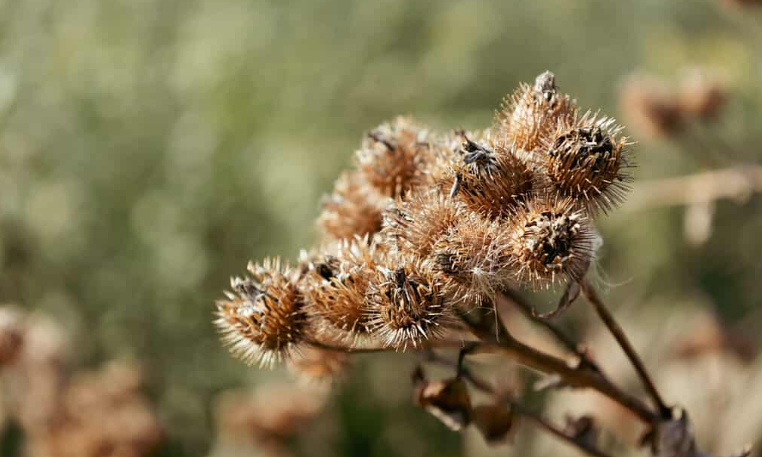
Bushes with stickers show up in nearly every region of the world, having independently evolved thorns, spines, and prickles as a defense against grazing animals across completely unrelated plant families. That independent evolution is part of what makes this group so varied, since a “sticker” on one shrub might be a modified leaf, on another a modified stem, and on a third a genuine outgrowth of the bark itself, even though all three can leave a person with the same scratched arm after brushing past them in a garden or on a trail.
Despite that shared defensive purpose, these shrubs come from an enormous range of native habitats, from the damp hedgerows of the English countryside to the sun-scorched washes of the Sonoran Desert. Several are prized ornamentals still deliberately planted for security hedging or wildlife value, while a good number of others are aggressive invasive species that spread specifically because their thorny growth habit makes them so difficult to remove once established. Knowing which category a given shrub falls into matters just as much as knowing how to identify it.
Hardiness across this list spans an unusually wide range, from USDA zone 2, where a handful of tough native shrubs shrug off brutal northern winters, to zone 10, where only genuinely subtropical species survive outdoors. Mature size varies just as dramatically, from low, tangled brambles under 6 feet tall to substantial multi-stemmed shrubs and small trees exceeding 20 feet.
What follows covers 21 shrubs known for their thorns, spines, or prickles, along with where each one grows, its typical size, and the growing data that sets it apart from its less defended relatives.
Firethorn
Firethorn is native to a broad stretch of southern Europe, the Caucasus, and China, where it grows as a dense, thorny shrub across rocky hillsides and open scrub. Its thorns, which form as hardened, sharpened branch tips rather than true modified leaves, can exceed an inch in length on older wood, making it a popular choice for security hedging beneath windows. A mature plant typically reaches 6 to 10 feet tall and wide, with dense evergreen foliage and heavy clusters of orange to red berries each fall.
It tolerates USDA zones 6 through 9 and requires full sun for the best berry production and densest, most defensive growth habit.
Japanese Barberry
Japanese barberry is native to Japan, typically found growing in mountain thickets and forest margins across a range of elevations. Its numerous small, sharp spines occur singly along the stems rather than in clusters, and while it’s still widely sold for its compact form and colorful foliage, it has become invasive across much of the northeastern and midwestern United States. A mature shrub typically reaches 3 to 6 feet tall and equally wide, with dense branching that makes it difficult to walk through once established.
It tolerates USDA zones 4 through 8 and has been banned or restricted from sale in a number of states due to its tendency to escape cultivation and its documented link to higher tick populations in invaded woodlands.
Common Barberry
Common barberry is native to Europe, North Africa, and western Asia, typically found along hedgerows, woodland edges, and disturbed ground across a wide climatic range. Unlike Japanese barberry, its spines occur in distinctive clusters of 3 at each leaf node, a trait that makes the two species relatively easy to tell apart even without flowers or fruit present. A mature shrub reaches 6 to 10 feet tall, with arching branches and bright red, oblong berries in fall.
It tolerates USDA zones 3 through 8 and has been actively eradicated across parts of North America since the early 1900s, since it serves as an alternate host for a serious fungal disease affecting wheat crops.
Multiflora Rose
Multiflora rose is native to Japan, Korea, and eastern China, and according to a Penn State Extension publication on the species, it was first introduced to the eastern United States in 1866 as rootstock for ornamental roses before later being promoted for erosion control and living fences. Its arching canes, covered in stiff, curved thorns, can reach 10 to 15 feet long, and any cane tip that touches the ground readily roots to form an entirely new plant. A single mature shrub can produce close to 500,000 seeds annually, a reproductive output that has helped it spread aggressively across most of the eastern and midwestern United States.
It tolerates USDA zones 4 through 9 and is now classified as a noxious weed in several states, since its dense, thorny thickets crowd out native vegetation and are extremely difficult to remove once established.
Rugosa Rose
Rugosa rose is native to coastal areas of eastern Asia, including Japan, Korea, and northeastern China, where it grows in sandy, salt-exposed dune habitats along the shoreline. Its canes are covered in dense, straight, needle-like thorns considerably more numerous than those found on most other cultivated roses, giving it strong deer and pest resistance in garden settings. A mature shrub reaches 4 to 6 feet tall and wide, with crinkled, deeply veined leaves and large, fragrant flowers followed by oversized rose hips.
It tolerates USDA zones 2 through 7 and handles salt spray, sandy soil, and coastal wind exceptionally well, a trait tied directly to its native dune habitat.
Blackberry
Blackberry is native to temperate regions across the Northern Hemisphere, with numerous wild species found throughout North America, Europe, and Asia growing along woodland edges, fence rows, and disturbed open ground. Its canes are armed with stiff, curved prickles rather than true thorns, technically modified epidermal outgrowths rather than modified stems or leaves, though the practical effect on skin and clothing is much the same. A mature thicket can spread several feet per year through both root suckers and cane tips that root wherever they touch soil.
It tolerates USDA zones 5 through 9 and produces its heaviest fruit crop in full sun, with second-year canes generally responsible for the majority of each season’s berry production.
Raspberry
Raspberry is native to a wide range spanning Europe, North America, and temperate Asia, typically found colonizing open, disturbed ground at forest edges and in clearings following fire or logging. Like its close relative blackberry, its canes are covered in fine, hooked prickles that catch readily on clothing and skin, though raspberry canes tend to be somewhat less aggressively armed overall. A mature planting spreads by underground suckers, often expanding several feet outward each year if left unmanaged.
It tolerates USDA zones 3 through 9 and prefers full sun with well-drained, slightly acidic soil, producing its best fruit set on second-year canes in most climates.
Gooseberry
Gooseberry is native to a wide range across Europe, North Africa, and parts of Asia, with related native species also found across North America, typically growing in cool, moist woodland understories and hedgerows. Its stems carry sharp spines, usually in groups of 1 to 3, positioned directly at each leaf node, making the plant notably prickly to harvest by hand despite its relatively compact size. A mature shrub typically reaches 3 to 5 feet tall and wide, with a dense, twiggy growth habit.
It tolerates USDA zones 3 through 8 and prefers partial shade in warmer climates, since its shallow root system is sensitive to prolonged heat and drought stress.
Trifoliate Orange
Trifoliate orange, also called hardy orange, is native to northern and central China and the Korean peninsula, typically found in mixed woodland habitats within a fairly narrow climatic band. Its stout, sharp green thorns can exceed 2 inches in length and remain green year-round even after the plant drops its leaves, making it one of the most effective and impenetrable living security hedges available in temperate climates. A mature shrub reaches 8 to 15 feet tall and wide, with fragrant white spring flowers followed by small, fuzzy, inedible fruit resembling a miniature orange.
It tolerates USDA zones 6 through 9, notably cold-hardy for a citrus relative, and has become naturalized in parts of the southeastern United States where birds distribute its abundant seed.
Devil’s Walking Stick
Devil’s walking stick is native to the eastern and central United States, commonly found along woodland edges, fields, and stream banks from New York south to Florida and west into Texas. According to the North Carolina Extension Gardener Plant Toolbox, its stout, sharp spines cover the stems, branches, and even the leaf stalks, giving the plant a distinctly menacing appearance that’s responsible for both its common name and its alternate name, Hercules’ club. It typically grows 10 to 15 feet tall, though it can occasionally reach 35 feet as a small, sparsely branched tree, with huge compound leaves clustered at the top of otherwise bare, spiny stems.
It tolerates USDA zones 4 through 9 and spreads readily by root suckers, often forming dense colonies over time in the moist, partially shaded woodland edges it prefers.
Sea Buckthorn
Sea buckthorn is native to a huge range spanning Europe, northern Asia, and the Himalayan foothills, where it colonizes coastal dunes, riverbanks, and rocky mountain slopes that few other shrubs can tolerate. Its stiff, sharp thorns occur along the branches among its narrow, silvery leaves, adding a defensive layer to a plant already valued for its dense, tangled growth habit and vitamin-rich orange berries. It reaches 10 to 15 feet tall and just as wide, tolerating extreme cold down to USDA zone 2.
It tolerates poor, sandy, and even saline soils better than almost any other thorny shrub on this list, a trait that has made it popular for erosion control on difficult coastal and mountain sites.
Russian Olive
Russian olive is native to a wide swath of Europe and Central Asia, typically found along riverbanks and in dry, open habitats across a broad climatic range in its native region. Its branches carry stiff, sharp thorns up to 2 inches long, and its silvery-gray foliage, combined with small, fragrant yellow flowers, made it a popular ornamental and windbreak planting across North America for much of the 20th century. A mature shrub or small tree can reach 20 feet tall and equally wide.
It tolerates USDA zones 2 through 7 and has since become a significant invasive species across much of the western and midwestern United States, particularly along riparian corridors where it outcompetes native cottonwood and willow.
Cockspur Hawthorn
Cockspur hawthorn is native to the eastern and central United States and southeastern Canada, typically found along woodland edges, fence rows, and open pastureland. It’s known for producing some of the longest thorns of any North American tree or shrub, with individual spines commonly reaching 3 inches and occasionally exceeding 4 inches in length along its branches. A mature specimen reaches 20 to 30 feet tall with a broad, flat-topped, spreading crown, technically classifying it as a small tree, though it’s frequently grown and pruned as a large security hedge.
It tolerates USDA zones 4 through 7 and has historically been planted as a livestock-proof hedge specifically because of its formidable thorns, a practice dating back to early agricultural settlement across its native range.
Gorse
Gorse is native to the western coast of continental Europe and the British Isles, and according to Oregon State University Extension’s guide to invasive forestland weeds, it was introduced to the Oregon coast as an ornamental in the 1890s and has since become one of the most difficult invasive shrubs to eradicate in the region. Its green leaves are almost entirely replaced by stiff, sharp spines up to 1.5 inches long, an adaptation that helps the plant conserve water while still deterring browsing animals. A mature shrub can grow up to 15 feet tall and spread 10 to 30 feet wide, forming dense, nearly impenetrable thickets.
It tolerates USDA zones 7 through 9 and produces seed that remains viable in the soil for up to 30 years, making established infestations extraordinarily persistent even after aggressive removal efforts.
Blackthorn
Blackthorn, also called sloe, is native to Europe, western Asia, and parts of North Africa, typically found in hedgerows, woodland edges, and scrubland across a wide climatic range. Its densely branched, twiggy growth is studded with stiff, sharp thorns that form directly from hardened, sharpened side shoots, making mature thickets extremely effective as a livestock barrier. A mature shrub reaches 12 to 15 feet tall, spreading by root suckers into dense colonies over time, with small, tart, dark purple fruit called sloes that ripen in fall.
It tolerates USDA zones 4 through 8 and has long been used in traditional European hedge-laying, a hedge-management technique that takes advantage of its dense, thorny growth to create a stock-proof barrier.
Catclaw Acacia
Catclaw acacia is native to the southwestern United States and northern Mexico, typically found along desert washes and rocky slopes below 4,500 feet in elevation. As documented by University of Arizona Cooperative Extension’s guide to thorny native shrubs, its short, sharply curved thorns occur singly along the twigs and are notorious for tearing clothing and skin, giving the plant its alternate common name of “wait-a-minute bush” among hikers. It typically grows 5 to 12 feet tall as a large shrub, though older specimens can develop into small, multi-trunked trees.
It tolerates USDA zones 8 through 10 and remains green and actively growing through much of the desert summer, in contrast to many of its deciduous desert neighbors that drop their leaves during the hottest, driest months.
Wait-a-Minute Bush
Wait-a-minute bush, a separate species from catclaw acacia despite sharing the same common nickname, is native to the southwestern United States and northern Mexico, typically found at slightly higher elevations than catclaw, generally between 3,000 and 6,000 feet. Its small, sharply hooked thorns occur in pairs along the stems and catch on clothing readily enough to stop hikers in their tracks, which is how the plant earned its name. A mature shrub typically reaches 3 to 6 feet tall, with fine, fern-like deciduous foliage and small, fuzzy pink or white flower clusters in summer.
It tolerates USDA zones 7 through 9 and, like many desert shrubs, shows strong drought tolerance once established, requiring little supplemental water beyond its first year or two in the ground.
Prickly Pear Cactus
Prickly pear cactus is native throughout much of North and South America, with numerous species adapted to habitats ranging from coastal dunes to high desert plateaus. Its flattened, paddle-shaped stems carry both large, visible spines and clusters of tiny, hair-like barbed bristles called glochids, which detach on contact and are notoriously difficult to remove from skin. A mature clump can spread several feet wide over time, with individual pads typically reaching 6 to 12 inches in length.
It tolerates USDA zones 4 through 10 depending on the specific species, with some cold-hardy types surviving winters well into the northern United States.
Mesquite
Mesquite is native to the arid regions of the southwestern United States, Mexico, and parts of South America, typically found along desert washes and in grasslands where its deep taproot can access groundwater far below the surface. Its branches carry straight, sharp thorns that can exceed an inch in length, positioned in pairs at each node along younger growth. A mature tree or large shrub typically reaches 20 to 30 feet tall, with a wide-spreading canopy and a taproot documented to extend over 50 feet deep in some desert soils.
It tolerates USDA zones 6 through 9 and has become a significant rangeland management concern in parts of Texas and the Southwest, where dense thickets can outcompete native grasses used for grazing.
Jerusalem Thorn
Jerusalem thorn, also called retama or Mexican palo verde, is native to the arid regions of the southwestern United States, Mexico, and parts of South America, typically found along desert washes and disturbed open ground. Its slender green branches carry sharp thorns up to an inch long, and the plant photosynthesizes primarily through its green bark and stems rather than its small, sparse leaves, an adaptation that helps it conserve water in extreme heat. A mature tree or large shrub reaches 15 to 25 feet tall, with a graceful, weeping branch structure and bright yellow spring flowers.
It tolerates USDA zones 8 through 11 and has become invasive in parts of Australia and other warm, dry regions outside its native range, where it forms dense thickets along waterways.
Bougainvillea
Bougainvillea is native to South America, particularly Brazil, Peru, and neighboring countries, where it grows as a vigorous, sprawling shrub or woody vine along forest edges and disturbed ground in warm, humid habitats. Its stems are armed with sharp, curved thorns concealed among its foliage and vivid papery bracts, catching unwary gardeners off guard during pruning or maintenance. A mature plant can reach 15 to 30 feet when allowed to climb or sprawl freely, though it’s frequently kept smaller and shrub-like through regular pruning.
It tolerates USDA zones 9 through 11 and requires warm, frost-free conditions to thrive outdoors, generally grown as a container plant that’s brought indoors during winter in cooler climates.
Key Takeaways
Bushes with stickers, thorns, or prickles can add a distinctive combination of texture, seasonal color, wildlife value, and natural protection to a landscape. Species such as firethorn, barberry, prickly ash, and other thorny shrubs can work well as borders, screens, hedges, or specimen plants. However, their sharp growth makes careful placement important, especially around paths, play areas, and frequently used garden spaces.
When choosing a thorny bush, look beyond its appearance and consider its mature size, growing conditions, maintenance requirements, and whether it is invasive in your region. Some attractive thorny shrubs can spread aggressively or create ecological problems outside their native range. Selecting a suitable species for your climate and planting location will help you enjoy the protective and ornamental qualities of these unusual bushes without creating future problems.
Further References
- Penn State Extension — Types of Trees and Shrubs. Useful guidance on selecting shrubs according to soil, hardiness, light, drainage, space, and other landscape conditions. Penn State Extension — Types of Trees and Shrubs
- Missouri Botanical Garden — Prickly Ash (Zanthoxylum americanum). Provides botanical information, growing conditions, mature size, and details about its characteristic prickles and thicket-forming habit. Missouri Botanical Garden — Prickly Ash
- University of Minnesota Extension — Common Buckthorn. Details identification features, including thorn-tipped twigs, as well as the invasive characteristics of common buckthorn. University of Minnesota Extension — Common Buckthorn
- Penn State Extension — Evergreen Shrubs and Trees for Pennsylvania. Includes information on scarlet firethorn, including its thorny branches, landscape uses, growth characteristics, and fruit. Penn State Extension — Evergreen Shrubs and Trees for Pennsylvania
- Missouri Botanical Garden — Japanese Barberry (Berberis thunbergii). Covers the shrub’s spiny stems, ornamental characteristics, landscape uses, and invasive potential in parts of North America. Missouri Botanical Garden — Japanese Barberry