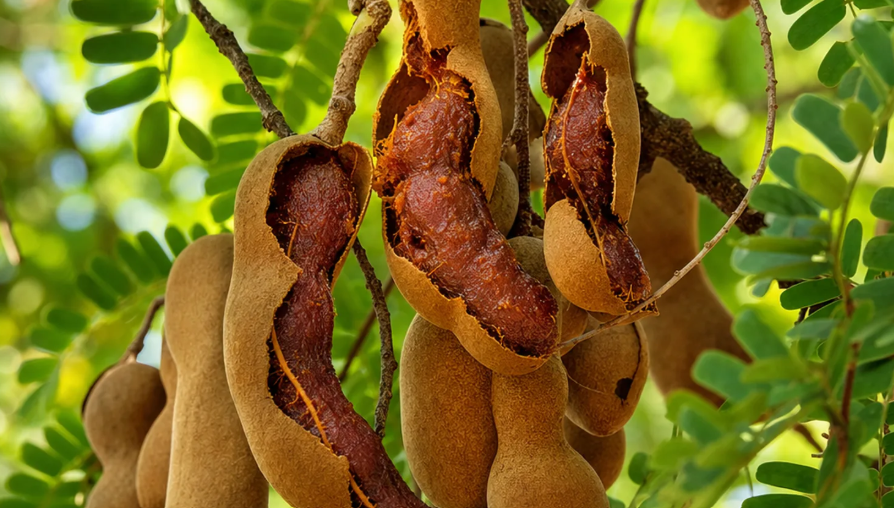
Tamarind is a large, long-lived tropical tree, and most of the real work involved in growing one happens early on: choosing the right site, watering consistently while it establishes, and training a strong branch structure while the tree is still young. Once established, tamarind settles into a genuinely low-maintenance tree, and the University of Florida IFAS Extension describes it as largely free of serious pests and diseases.
This guide covers everything involved in growing and caring for tamarind: site selection, light, water, soil, propagation, fertilizing, pruning, pests and diseases, and what to expect at harvest time.
Choosing a Planting Site
Tamarind eventually becomes a genuinely large tree, commonly reaching 40 to 60 feet tall with a broad, spreading canopy, and some specimens grow considerably larger still. Choose a planting site with that mature size in mind from the start, keeping the tree at least 6 feet away from sidewalks, foundations, and other structures that its root system might otherwise interfere with over time.
Full sun is non-negotiable for good growth and fruiting, so pick the sunniest available spot in the landscape. It’s also worth thinking ahead about pod drop, since mature trees shed their seed pods seasonally, and that litter can get genuinely messy on a patio, driveway, or other hard surface directly beneath the canopy.
Light Requirements
Tamarind wants full sun, ideally 6 to 8 hours of direct light a day or more. It will tolerate partial shade and still survive, but expect noticeably poorer fruit production from a tree that isn’t getting adequate direct sunlight.
If you’re choosing between planting sites, prioritize sun exposure over nearly every other consideration, since a tamarind tree in part shade will grow but rarely fruit well.
Watering
Young trees need consistent moisture while they establish, and in hot weather that can mean watering every 1 to 3 days during the first year. As the tree matures, watering needs drop off considerably, and an established tamarind is genuinely drought tolerant, generally needing only a deep watering once a week during summer and considerably less in winter.
Despite that drought tolerance, a mature tree still benefits from more frequent watering during extended high heat, since its water needs rise along with the temperature even once it’s well established. Letting the soil dry out somewhat between waterings is appropriate for a mature tree, but a young, still-establishing tamarind shouldn’t be allowed to dry out completely.
Soil Requirements
Tamarind is genuinely one of the more soil-adaptable tropical fruit trees available, tolerating sandy, loamy, clay, and even saline or alkaline soils across a pH range from about 5.5 to 8.0. That said, it performs best in deep, well-draining, moderately fertile soil, and the University of Florida IFAS Extension specifically recommends moist, fertile, sandy soil for the best results.
Good drainage matters more than any other single soil factor, since waterlogged roots are one of the few genuine threats to an otherwise tough, adaptable tree. If your soil is heavy clay, working in organic matter or coarse material before planting will help prevent water from pooling around the root zone.
Propagation
Tamarind is most commonly grown from seed, and seeds should be soaked in warm water for 24 hours, or overnight, to soften their tough outer coating and speed up germination. Sow soaked seeds about an inch deep in well-draining soil, keep the growing medium consistently moist, and place the container in a warm, sunny spot until seedlings emerge.
Seed-grown trees are reliable but take time, generally requiring a minimum of 3 to 4 years before producing their first fruit. For gardeners wanting a head start, semi-hardwood cuttings can also be rooted in warm, humid conditions, though success rates are more variable than with seed, and grafted or air-layered trees, when available, tend to reach fruiting maturity considerably faster than a tree grown from seed.
Fertilizing
Young, establishing trees benefit from a balanced fertilizer applied every 2 to 3 months to support vigorous early growth. Once a tree matures, that frequency can drop significantly, with most established trees needing only 1 or 2 balanced fertilizer applications a year.
A slow-release balanced fertilizer applied in early spring, at the start of the growing season, is a practical approach for a mature tree, and organic fertilizer works well too if that’s your preference.
Pruning
Structural pruning while the tree is young matters more for tamarind than routine pruning later on. Train young trees to a single central trunk with major branches well-spaced along it, since that early structural work pays off considerably once the tree reaches its full size and weight.
Once a tamarind tree is mature, pruning needs drop to little more than removing dead, damaged, or crossing branches as needed. The tree also tolerates fairly heavy pruning if size control becomes necessary, which has made it a popular choice for bonsai cultivation as well as full-sized landscape planting.
Pests and Diseases
Tamarind has a genuine reputation as an unusually trouble-free tree. The University of Florida IFAS Extension describes it as free of serious pests and diseases, and most of the problems that do occasionally show up, scale insects, mealybugs, and aphids, tend to affect young, tender growth rather than established trees.
When pests do appear, horticultural oil or neem oil applied in the early morning is generally an effective, low-intervention treatment. Root rot is the main disease risk worth watching for, and it’s almost always tied to poorly draining soil rather than any inherent vulnerability in the tree itself.
Cold Protection
Tamarind is strictly a tropical and subtropical tree, hardy outdoors only in USDA zones 10 through 11, with some sources extending that range to the warmer parts of zone 9. Mature trees can survive brief exposure to temperatures around 26 to 30 degrees Fahrenheit without lasting damage, and tamarind is root hardy enough to regrow from the base even if the top of the tree is killed back by an unusually hard freeze.
Young trees have far less cold tolerance than mature ones and need genuine frost protection during their first few winters. If you’re gardening at the cooler edge of tamarind’s range, or growing one in a container that spends summers outdoors, plan on moving young trees to shelter or covering them whenever a freeze is forecast.
Harvesting
Pods typically mature and are ready to harvest in spring or summer, depending on your specific climate and growing region. A seed-grown tree needs real patience, generally taking at least 3 to 4 years to produce its first fruit, while a grafted or air-layered tree can often fruit considerably sooner.
Ripe pods are generally left on the tree until the shell turns brittle and brown, then harvested by hand, since the tart, sticky pulp inside is what’s actually used in cooking. Once established and fruiting reliably, a mature tamarind tree can continue producing for many decades, making the early investment in site selection and establishment care well worth the wait.
Key Takeaways
- Tamarind trees (Tamarindus indica) are tropical and subtropical trees that thrive in warm climates and plenty of sunlight.
- Choose a planting site with full sun, enough space for the mature tree, and protection from prolonged cold.
- Tamarind grows well in deep, fertile, well-drained soil, but established trees can tolerate a range of soil conditions.
- Water young trees regularly to encourage strong establishment, while mature trees are generally more drought-tolerant.
- Avoid constantly waterlogged soil, as excessive moisture can contribute to root problems and poor growth.
- Apply a balanced fertilizer when needed, particularly while young trees are becoming established and producing new growth.
- Pruning can help develop a strong structure, remove damaged branches, and maintain a manageable shape.
- Tamarind trees grow into large, long-lived trees, so provide adequate room for their canopy and root system.
- Trees grown from seed may take several years to produce fruit, while grafted or vegetatively propagated trees can fruit earlier.
- With sufficient warmth, sunlight, moisture, and proper care, tamarind can become a productive fruit tree with a long growing life.