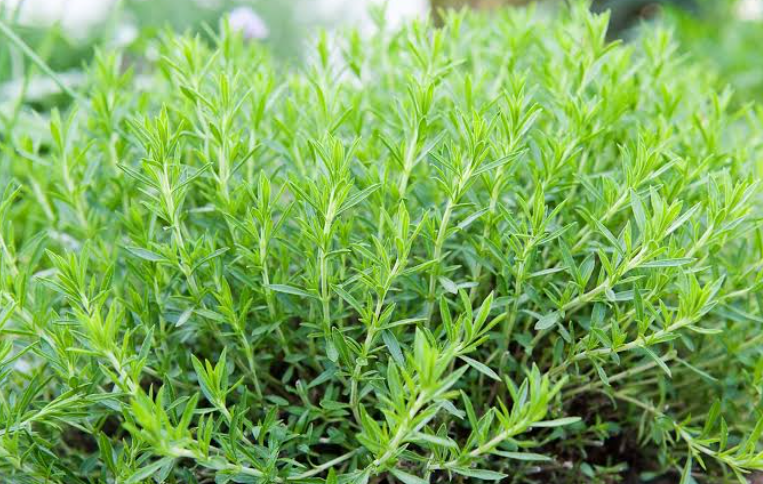
Before you plant a single tarragon seed or cutting, there’s one fact worth knowing that trips up more gardeners than almost anything else about this herb: true French tarragon, the kind prized for its sweet, anise-like flavor in classic French cooking, cannot be grown from seed at all. If you buy a packet of tarragon seeds, you will get Russian tarragon instead, a hardier, easier-to-grow relative with a noticeably blander, sometimes bitter flavor that lacks the distinctive licorice note French tarragon is actually grown for.
That single distinction shapes almost everything else about growing this herb successfully. This guide covers how to start French tarragon the right way, along with light, soil, watering, fertilizing, pests and diseases, harvesting, and winter care.
French Tarragon vs. Russian Tarragon
French tarragon, botanically Artemisia dracunculus var. sativa, produces flowers that are genuinely sterile and never set viable seed, which is exactly why it must be propagated vegetatively, through division or cuttings, from an already-established plant. Russian tarragon, by contrast, flowers and seeds freely, which is why it’s the variety you’ll almost always find sold as seed, even on a packet simply labeled “tarragon” with no further distinction.
If culinary flavor is your goal, French tarragon is the only real choice, and that means sourcing an actual plant, a rooted cutting, or a division from someone who already has one, rather than a seed packet. It’s worth checking labels carefully when buying a plant too, since “tarragon” alone doesn’t guarantee you’re getting the French variety unless it’s specifically identified as French tarragon or Artemisia dracunculus ‘Sativa’.
Propagation
Since seed isn’t an option for the true culinary variety, French tarragon is propagated by root division in spring or by semi-hardwood stem cuttings taken in late spring or summer. Division involves carefully separating an established clump into smaller sections, each with its own roots and growing points attached, though the University of California Cooperative Extension notes the root system is shallow and lateral, so handle it gently during the process.
For stem cuttings, take 6 to 8 inch sections of healthy new growth, strip the lower leaves, and root them in moist sand or a similar rooting medium, keeping them consistently moist until new growth confirms successful rooting. Both methods have a genuinely high success rate when done with reasonable care, and either approach will get you a true-to-type French tarragon plant that seed simply can’t provide.
Light Requirements
Tarragon wants full sun for the strongest growth and flavor, though in a hot climate it genuinely appreciates some relief from intense afternoon sun. Morning sun or light, dappled shade through the hottest part of the day is a reasonable compromise in a particularly hot summer climate.
In cooler regions, full sun all day is both tolerated and ideal. A sheltered spot, protected from strong wind, also benefits the plant, since tarragon’s relatively soft growth can be damaged by exposure in an open, windy site.
Soil Requirements
Well-drained, light, loamy, or sandy soil is essential, and tarragon genuinely struggles in heavy, poorly draining, or consistently wet ground. A soil pH somewhere between 6.0 and 7.5 suits it well, and it specifically doesn’t perform well in acidic soil, so it’s worth testing or amending if your garden runs notably acidic.
If your native soil is heavy clay, working in horticultural grit, coarse sand, or other material to improve drainage before planting will make a real difference. Tarragon has genuinely low fertility requirements, so rich, heavily amended soil isn’t necessary and can actually encourage lush, weak growth at the expense of flavor.
Watering
Moderate, consistent water while a plant is young and establishing is important, but mature tarragon performs best when you let the soil dry out somewhat between waterings rather than keeping it constantly moist. Once established, a weekly watering is generally enough under normal conditions, and the plant handles brief dry spells reasonably well.
Overwatering is a far more common problem than underwatering, since consistently wet soil is the most direct path to the root rot and fungal diseases that cause the most trouble for this herb. Water at the base of the plant rather than overhead when possible, since wet foliage, especially in humid conditions, encourages the same fungal problems that soggy soil does.
Fertilizing
Tarragon doesn’t need much feeding at all, and several sources describe fertilizing as unnecessary for healthy growth. If you do fertilize, a light application is plenty, since excessive fertility tends to produce soft, lush growth that’s both more prone to disease and, by most accounts, less flavorful than a plant grown a little leaner.
This is genuinely one of the lower-maintenance aspects of growing tarragon, and skipping fertilizer altogether in reasonably decent garden soil is a perfectly reasonable approach.
Pests and Diseases
Tarragon has a well-earned reputation for being largely pest-free, and most sources describe it as having few to no serious insect problems at all. The real risks come from fungal issues, specifically downy mildew, powdery mildew, rust, and root rot, nearly all of which trace back to excess moisture, whether that’s overly wet soil, poor air circulation, or water splashed onto the leaves.
Giving plants adequate spacing for good airflow, watering at the base rather than overhead, and promptly removing any yellowed, browned, or visibly infected foliage all go a long way toward preventing these problems before they start. Clearing away plant debris at the end of the season, rather than leaving it in place over winter, also helps reduce the chance of fungal spores overwintering near the plant’s crown.
Harvesting and Maintenance
Pick tarragon leaves frequently throughout the growing season, since regular harvesting actually encourages the plant to keep producing fresh new growth rather than slowing down. If flower buds appear, pinch them off promptly, since letting the plant flower tends to reduce leaf production and can diminish flavor.
Frequent cutting back during the growing season does double duty, keeping you supplied with fresh herb while also improving air circulation through the plant, which helps with the fungal disease prevention covered above.
Winter Care
French tarragon dies back to the ground each winter and is best described as a short-lived, somewhat tender perennial, generally hardy in USDA zones 4 through 8, though it benefits from protection at the colder end of that range. A layer of mulch applied in fall helps protect the dormant crown through winter in a marginal climate.
If you’re gardening somewhere notably colder than zone 4, or simply want extra insurance, potting up a division in late summer and bringing it indoors for winter is a reliable way to protect the plant, cutting the foliage back to just above the soil line before bringing it inside. New growth should reliably return from the dormant crown each spring once the weather warms.
Dividing and Replacing Older Plants
Tarragon is genuinely short-lived as perennials go, typically remaining productive for only about 3 to 4 years before growth noticeably slows and leaf production declines. When that happens, it’s time to divide the plant, which both rejuvenates it and gives you new divisions to replant or share.
Because tarragon’s root system tends to become tangled over time, dividing an older, well-established clump can be more difficult than dividing a younger plant, so don’t be surprised if it takes some patience and a sharp tool to separate the roots cleanly. Replanting a healthy division right away, rather than letting the roots dry out, gives the new plant the best possible start.
Key Takeaways
- Tarragon is a perennial herb that grows best in a sunny location with good air circulation and well-drained soil.
- French tarragon (Artemisia dracunculus var. sativa) is the most commonly grown culinary type and is valued for its distinctive flavor.
- Provide full sun to partial shade, with some afternoon protection in areas with very hot summers.
- Plant tarragon in fertile, well-drained soil and avoid areas where water tends to collect.
- Water regularly while plants are establishing, but allow the soil to dry slightly between waterings once plants are well established.
- Avoid excessive fertilizer, as overly rich conditions can encourage leafy growth while reducing the plant’s characteristic flavor.
- Tarragon is usually propagated from root divisions or stem cuttings, particularly because French tarragon rarely produces viable seeds.
- Regular harvesting encourages fresh growth; cut stems just above a set of leaves rather than removing too much of the plant at once.
- Prune plants periodically to maintain a compact shape and remove old, damaged, or weak growth.
- Tarragon generally becomes less productive as it ages, so dividing established plants every few years can help maintain vigorous growth.