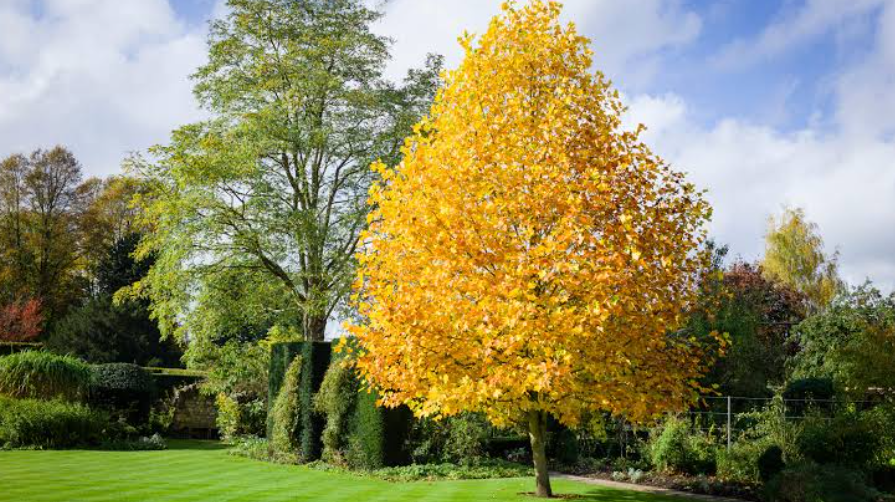
Fast-growing trees can transform a garden, woodland, farm, or large landscape in surprisingly little time. Some species can add 1–2 metres of height per year when young and growing in fertile, moist soil, while others considered fast-growing in the UK may add around 50–80 centimetres annually. The actual rate depends heavily on the site, so the figures in this article should be viewed as useful estimates rather than guarantees.
The UK has a particularly interesting selection of fast-growing trees because its relatively mild, maritime climate allows many species to grow vigorously. Native trees such as willow, alder, birch and sycamore can grow quickly, while introduced trees including giant sequoia, eucalyptus, Douglas fir and some poplars can also make impressive annual gains. Research at the University of Reading, for example, has examined growth performance among common urban trees in Britain, demonstrating how strongly growth can vary between species and locations.
When choosing a fast-growing tree, however, speed should not be the only consideration. Mature height, crown width, root behaviour, soil requirements and resistance to wind or drought are equally important. The RHS notes that fast-growing trees can sometimes have shorter lifespans, while the right tree needs to be matched carefully to the available space and growing conditions.
Quick List: 28 Fast Growing Trees in the UK
| Tree | Approx. annual growth | Typical mature height | Where it grows best |
|---|---|---|---|
| Hybrid Poplar | 1–2 m | 25–30 m+ | Moist, fertile soils |
| White Willow | 1–2 m | 20–25 m | Wet soils, riverbanks |
| Crack Willow | 0.8–1.5 m | 20–25 m | Wet lowlands |
| Goat Willow | 0.5–1 m | 8–15 m | Woodland edges, damp soils |
| Grey Willow | 0.5–1 m | 6–12 m | Wet ground, heathland |
| Silver Birch | 0.5–1 m | 15–25 m | Well-drained soils |
| Downy Birch | 0.4–0.8 m | 15–20 m | Wet and acidic soils |
| Common Alder | 0.5–1 m | 20–25 m | Wet and fertile soils |
| Sycamore | 0.5–1 m | 25–35 m | Wide range of soils |
| Wild Cherry | 0.5–1 m | 15–30 m | Fertile, well-drained soils |
| Norway Maple | 0.5–1 m | 20–30 m | Urban and garden soils |
| European Ash | 0.5–1.2 m | 25–35 m | Fertile, moist soils |
| London Plane | 0.5–1 m | 25–35 m | Urban environments |
| Eucalyptus gunnii | 1–2 m | 15–25 m | Sunny, sheltered sites |
| Giant Sequoia | 0.5–0.8 m | 30–50 m+ | Spacious, moist sites |
| Douglas Fir | 0.5–1 m | 40–60 m+ | Deep, fertile soils |
| Western Red Cedar | 0.4–0.8 m | 20–35 m | Moist, sheltered sites |
| Sitka Spruce | 0.5–1.2 m | 30–50 m | Cool, wet areas |
| Japanese Larch | 0.5–1 m | 20–30 m | Open, well-drained sites |
| European Larch | 0.4–0.8 m | 25–35 m | Upland and woodland sites |
| Hybrid Larch | 0.6–1 m | 25–35 m | Forestry and large landscapes |
| Black Poplar | 0.5–1.2 m | 20–30 m | Floodplains and moist soils |
| Lombardy Poplar | 1–1.5 m | 20–30 m | Open, sunny sites |
| Tulip Tree | 0.5–1 m | 20–35 m | Deep, fertile soils |
| English Walnut | 0.5–1 m | 15–25 m | Sheltered, fertile sites |
| Common Lime | 0.4–0.8 m | 20–30 m | Parks, avenues, gardens |
| Horse Chestnut | 0.4–0.8 m | 20–30 m | Parks and spacious gardens |
| Indian Bean Tree | 0.5–1 m | 10–20 m | Warm, sheltered gardens |
Growth figures are approximate annual height increases under favourable conditions. Young trees often grow faster than mature trees.
1. Hybrid Poplar (Populus hybrids)
Hybrid poplars are among the fastest-growing trees suitable for the UK. Depending on the hybrid and growing conditions, young trees can add around 1–2 metres of height per year. Some vigorous selections are capable of very rapid early growth, particularly when planted in fertile soil with reliable moisture.
They are large trees, often reaching 25–30 metres or more, so they are much better suited to large gardens, farmland, shelterbelts and woodland than small urban plots. The RHS records Populus × generosa, for example, as a very fast-growing tree with young plants capable of gaining about 2 metres per year.
2. White Willow (Salix alba)
White willow is a classic fast-growing UK tree, especially where soil remains moist. Under favourable conditions, young trees can add approximately 1–2 metres per year, eventually developing into large trees with broad crowns and pale-backed leaves.
It is naturally associated with riverbanks, floodplains, lakes and other damp environments. White willow can become 20–25 metres tall, sometimes more, and is therefore best reserved for spacious sites. The RHS describes willows as fast-growing large trees that thrive in wet or waterlogged soils and full sun.
3. Crack Willow (Salix fragilis)
Crack willow is another vigorous willow associated with wet landscapes. A healthy young tree can commonly put on around 0.8–1.5 metres of height per year, particularly where moisture is plentiful.
It is native to parts of Europe and western Asia and has become naturalised in many parts of Britain. The species is especially common near rivers, streams, canals and wetlands. Its large mature size and potentially brittle branches mean it is better suited to open sites away from buildings and heavily used paths.
4. Goat Willow (Salix caprea)
Goat willow is a relatively fast-growing native tree that is smaller than many other willows. It can gain approximately 0.5–1 metre per year when young and eventually reach around 8–15 metres.
It is widespread across Britain and can be found in woodland margins, hedgerows, scrub and damp ground. One of its most attractive features is its early spring catkins, which appear before the leaves and provide an important early food source for insects.
5. Grey Willow (Salix cinerea)
Grey willow is a vigorous native species particularly associated with wet ground. It generally grows as a large shrub or small tree, reaching roughly 6–12 metres, with annual height growth commonly around 0.5–1 metre under good conditions.
It occurs naturally around wetlands, marshes, river margins and damp woodland. Because it tolerates wet soil, it can be useful where many conventional garden trees would struggle, although its eventual spread should be allowed for when planting.
6. Silver Birch (Betula pendula)
Silver birch is one of Britain’s best-known native trees and is capable of relatively rapid early growth. Young trees can add approximately 0.5–1 metre per year, particularly in open positions with adequate moisture and sunlight.
The mature tree can reach approximately 15–25 metres, developing a light, airy crown and distinctive white bark. It naturally occurs throughout much of Britain and is particularly well adapted to poorer, acidic or sandy soils. It is also widely planted in gardens because its relatively narrow canopy takes up less space than many large deciduous trees.
7. Downy Birch (Betula pubescens)
Downy birch is closely related to silver birch but is particularly well suited to wetter conditions. It can grow around 0.4–0.8 metres annually when young and may eventually reach approximately 15–20 metres.
The species is widespread in Britain, including northern and upland regions. It commonly grows on damp heathland, wet woodland and acidic soils, making it a useful choice where a tree needs to cope with heavier moisture levels.
8. Common Alder (Alnus glutinosa)
Common alder is a vigorous native tree that performs especially well in wet or periodically waterlogged ground. Growth can reach approximately 0.5–1 metre per year, with mature trees commonly reaching 20–25 metres.
It is naturally associated with streams, rivers, wet woodland and floodplains. Alder has an additional ecological advantage because it can improve soil fertility through its relationship with nitrogen-fixing bacteria. Forest Research lists common alder among species capable of vigorous regrowth, reflecting its strong ability to recover and regenerate.
9. Sycamore (Acer pseudoplatanus)
Sycamore is one of the fastest-growing large broadleaf trees commonly encountered in Britain. Under favourable conditions, young trees can add around 0.5–1 metre per year and eventually reach approximately 25–35 metres.
Originally native to central and southern Europe, sycamore has become naturalised throughout Britain and is particularly successful in disturbed habitats, woodlands and urban environments. It tolerates a broad range of soils and conditions, helping explain its widespread distribution. A University of Reading tree resource describes sycamore as adaptable and relatively fast-growing, with mature specimens capable of reaching around 35 metres.
10. Wild Cherry (Prunus avium)
Wild cherry is a native British tree valued for its spring blossom, attractive bark and edible fruit. Young trees can grow approximately 0.5–1 metre per year, eventually reaching around 15–30 metres depending on conditions.
It occurs naturally in woodland, hedgerows and open countryside throughout much of Britain. The tree prefers fertile, reasonably well-drained soil and plenty of light. The University of Reading describes wild cherry as a fast-growing species that commonly reaches 10–20 metres, although exceptional trees can grow considerably taller.
11. Norway Maple (Acer platanoides)
Norway maple is a vigorous deciduous tree that can add around 0.5–1 metre per year when young. Mature specimens can reach approximately 20–30 metres, producing a broad, rounded canopy.
It originated in mainland Europe and has been widely planted across Britain. Its tolerance of urban conditions makes it useful for parks, avenues and larger gardens, although its eventual size means it should not be planted too close to buildings or overhead infrastructure.
12. European Ash (Fraxinus excelsior)
European ash is a large native tree capable of rapid growth on fertile sites. Young trees may add approximately 0.5–1.2 metres per year, particularly where soil moisture and fertility are favourable.
Ash is widespread throughout Britain and can reach around 25–35 metres. It grows particularly well on fertile soils but is vulnerable to ash dieback, a serious disease that has affected populations across the UK. Because of that disease risk, planting decisions should take local conditions and current forestry guidance into account.
13. London Plane (Platanus × acerifolia)
London plane is one of the classic large urban trees of Britain. It is capable of relatively rapid growth, commonly adding around 0.5–1 metre annually when young and growing well.
Mature trees can reach 25–35 metres and develop substantial trunks and broad crowns. The species is particularly valued in towns and cities because it tolerates pollution, compacted conditions and heavy pruning better than many trees. Research into British urban trees has included London plane among the species studied for their performance in cities.
14. Eucalyptus gunnii
Eucalyptus gunnii is an evergreen tree from Tasmania that has become popular in milder parts of Britain. Established plants can produce around 1–2 metres of new growth per year under favourable conditions, especially when young.
It can eventually become a large tree, although regular pruning can keep it much smaller. It prefers full sun and reasonably well-drained soil. Eucalyptus is particularly useful in sheltered gardens in southern and western parts of the UK, while colder or exposed locations may be less suitable.
15. Giant Sequoia (Sequoiadendron giganteum)
Giant sequoia is one of the most impressive fast-growing trees that can be cultivated in Britain. Recent research involving University College London and the Royal Botanic Gardens, Kew found that some UK-grown giant sequoias were adding approximately 70 centimetres of height per year, with the fastest-growing trees approaching growth rates recorded in their native California.
These are enormous trees. Specimens in Britain can exceed 50 metres, and one Scottish Douglas fir currently holds the UK’s height record at about 66 metres. The UCL study found substantial differences between sites, with the wet northern site at Benmore producing particularly strong growth.
16. Douglas Fir (Pseudotsuga menziesii)
Douglas fir is one of Britain’s most important fast-growing conifers and is widely grown in forestry. On good sites, young trees can add around 0.5–1 metre of height per year, with exceptional conditions producing stronger growth.
It can eventually exceed 40 metres and may reach 60 metres or more in exceptional British specimens. It performs particularly well on deep, fertile soils with adequate moisture and is especially valuable in western and upland parts of Britain.
17. Western Red Cedar (Thuja plicata)
Western red cedar is a relatively fast-growing evergreen conifer capable of adding around 0.4–0.8 metres per year under favourable conditions. It develops dense evergreen foliage and can eventually reach approximately 20–35 metres.
It prefers moist, fertile soil and generally performs particularly well in the wetter parts of western Britain. Because it retains its foliage throughout winter, it is also useful for screening, shelterbelts and large evergreen boundaries.
18. Sitka Spruce (Picea sitchensis)
Sitka spruce is among the most important commercial forestry trees in Britain and is particularly successful in cool, wet climates. Depending on site quality, young trees can add approximately 0.5–1.2 metres per year.
It can eventually grow beyond 30 metres, with exceptional forest specimens becoming much taller. The species is especially well suited to western and northern Britain, where high rainfall and relatively mild winters favour vigorous growth.
19. Japanese Larch (Larix kaempferi)
Japanese larch is a deciduous conifer that can grow approximately 0.5–1 metre per year when young. Unlike evergreen spruces and cedars, it loses its needles in autumn, often producing attractive golden-yellow colour before they fall.
Mature trees can reach around 20–30 metres. It prefers open positions with good light and reasonably well-drained soils and has been widely planted in forestry and larger estates.
20. European Larch (Larix decidua)
European larch can grow around 0.4–0.8 metres annually under good conditions and may eventually reach 25–35 metres. It is a deciduous conifer with soft green needles that turn golden before falling.
The species is native to the mountains of central Europe but has been grown extensively in Britain. It generally performs well in open, cool locations and is especially associated with upland forestry.
21. Hybrid Larch (Larix × marschlinsii)
Hybrid larch combines characteristics of European and Japanese larch and has been used extensively in forestry because of its vigorous growth. Young trees can commonly add around 0.6–1 metre per year on suitable sites.
Mature trees can reach roughly 25–35 metres. Like other larches, it is deciduous, allowing considerably more winter light through the canopy than evergreen conifers. It is best suited to spacious sites rather than small domestic gardens.
22. Black Poplar (Populus nigra)
Black poplar is a large deciduous tree associated with river valleys, floodplains and damp lowland landscapes. It can add around 0.5–1.2 metres per year when young, especially on fertile, moisture-rich sites.
The species can reach approximately 20–30 metres and develops a broad crown. Britain’s native black poplar population is relatively scarce and genetically diverse, so conservation of existing trees is important. It is generally more appropriate for large landscapes and restoration projects than small gardens.
23. Lombardy Poplar (Populus nigra ‘Italica’)
Lombardy poplar is the narrow, upright form of black poplar and is famous for its tall columnar silhouette. Young trees can add approximately 1–1.5 metres per year, making them among the more visibly rapid-growing trees for creating vertical structure.
Mature specimens can reach approximately 20–30 metres but remain considerably narrower than ordinary black poplars. They are useful as formal landscape trees, windbreaks and tall screening features, although their ultimate height and root spread need to be considered carefully.
24. Tulip Tree (Liriodendron tulipifera)
Tulip tree is a large North American species that can grow approximately 0.5–1 metre per year when young on deep, fertile soil. Its unusual four-lobed leaves and yellow-green tulip-shaped flowers make it particularly attractive as an ornamental specimen.
Mature trees can reach approximately 20–35 metres in Britain, with larger specimens possible in excellent conditions. It prefers fertile, moisture-retentive soil and plenty of space. Its size makes it better suited to parks, estates and very large gardens.
25. English Walnut (Juglans regia)
English walnut is capable of moderate to fast growth when young, particularly on fertile, well-drained soil. A healthy tree may add around 0.5–1 metre per year during its more vigorous stages.
Mature trees can reach approximately 15–25 metres and develop a broad crown. It has been cultivated in Britain for centuries and is particularly successful in sheltered areas with warm summers. Besides its ornamental value, it can produce edible walnuts once mature.
26. Common Lime (Tilia × europaea)
Common lime is a large, long-lived tree capable of relatively rapid early growth. Young specimens can add approximately 0.4–0.8 metres per year, eventually developing into trees around 20–30 metres tall.
It is particularly common in parks, avenues and historic landscapes. Its dense foliage provides excellent shade, while its summer flowers are valuable to pollinating insects. Because the mature crown can become very broad, common lime needs substantial room.
27. Horse Chestnut (Aesculus hippocastanum)
Horse chestnut is a familiar British landscape tree with a rounded crown, large palmate leaves and conspicuous spring flower spikes. Young trees can grow around 0.4–0.8 metres per year under favourable conditions.
Mature trees can reach approximately 20–30 metres, making them better suited to large gardens, parks and open landscapes. It prefers fertile, reasonably moist soil and plenty of space for its broad crown. Horse chestnut is also affected by several pests and diseases, so tree health should be monitored.
28. Indian Bean Tree (Catalpa bignonioides)
Indian bean tree, also called southern catalpa, is a warm-climate ornamental that can grow surprisingly quickly in the right part of Britain. Young trees may add approximately 0.5–1 metre per year once established.
It can eventually reach around 10–20 metres and produces enormous heart-shaped leaves, large white flowers and distinctive long seed pods. It performs best in a sunny, sheltered position with fertile soil, making it particularly suitable for warmer southern gardens rather than exposed northern sites.
Which Are the Fastest Growing Trees in the UK?
If your main goal is maximum height gain, several species stand out.
1. Hybrid Poplar
Hybrid poplars can add around 1–2 metres per year, particularly when young and planted in fertile, moist soil.
2. White Willow
White willow can also approach 1–2 metres of annual growth under excellent conditions. Its preference for wet soil makes it particularly effective near ponds, streams and other damp areas.
3. Eucalyptus gunnii
In a sheltered, sunny position, established eucalyptus can produce around 1–2 metres of new growth annually.
4. Lombardy Poplar
Lombardy poplar can add approximately 1–1.5 metres per year, creating a tall vertical feature much faster than many conventional ornamental trees.
5. Giant Sequoia
Giant sequoia is not necessarily the fastest tree during its earliest years, but its sustained growth can be impressive. UK research has recorded trees adding around 70 centimetres annually, with some individuals growing at rates approaching those observed in California.
Fast-Growing Trees for Wet UK Gardens
If your garden has consistently damp soil, don’t automatically assume that drainage must be improved before planting. Some of Britain’s fastest-growing trees actually prefer plenty of water.
Good choices include:
- White willow
- Crack willow
- Grey willow
- Goat willow
- Common alder
- Black poplar
- Hybrid poplar
- Sitka spruce in suitable large-scale settings
Willow is particularly associated with wet ground. Research from Bangor University has also examined fast-growing willow systems in the UK and notes their suitability for wetter regions of north-west Europe.
Fast-Growing Trees for Large Gardens
For a large garden or estate, some of the strongest candidates include giant sequoia, Douglas fir, hybrid poplar, white willow, sycamore, wild cherry, tulip tree and London plane.
However, these are not small trees that can simply be planted close to a house and pruned whenever they become inconvenient. Many eventually reach 20–50 metres or more, so planning for their mature dimensions is essential.
Fast-Growing Trees for Smaller Gardens
Fast growth and small size do not always go together. If space is limited, look for trees that combine reasonable growth with a naturally smaller mature size or a narrow habit.
Potential options include:
- Goat willow
- Wild cherry on a suitable rootstock
- Silver birch
- Indian bean tree in an appropriate climate
- Smaller eucalyptus cultivars
- Narrow ornamental forms of larger species
The RHS recommends considering the available space, soil and growing conditions before selecting a tree rather than choosing purely on growth speed.
What Makes a Tree Grow Faster?
The biggest factors are soil, moisture, light, temperature, competition and establishment. A tree planted in deep, fertile soil with sufficient water can grow dramatically faster than the same species planted in shallow, compacted or drought-prone ground.
Young trees also need time to establish their root systems. Watering during dry periods, controlling competing grass and weeds, applying an appropriate mulch and avoiding damage to the trunk can all improve establishment.
Growth also changes with age. A young tree may put on substantial height each year, while an older tree naturally shifts more of its resources toward maintaining its existing crown and producing larger branches and trunks. UK forestry systems therefore often measure productivity using yield class and volume growth, rather than simply centimetres of height.
Why Fast Growth Isn’t Always Better
There is an important trade-off between speed and long-term performance. Some extremely fast-growing trees produce relatively soft wood, develop large branches quickly or have shorter useful lifespans than slower-growing species.
Poplars and willows are excellent examples. Their rapid growth makes them valuable for screening, biomass production and large landscapes, but their branches and mature size can create management challenges.
Climate is another consideration. Research on urban trees in Great Britain has found significant differences in growth between cities and identified rainfall and temperature as important influences on growth. Hot, dry growing seasons can reduce growth, particularly for some species in southern and eastern areas.
Key Takeaways
The UK has an impressive range of fast-growing trees, from native willows and alder to giant sequoias, eucalyptus, poplars and forestry conifers. The fastest choices can potentially add 1–2 metres of height in a year, while many other useful species achieve approximately 0.5–1 metre under favourable conditions.
The best tree, however, is not necessarily the one with the highest growth rate. A tree that matches your soil, rainfall, exposure and available space will generally give you a better long-term result. For a wet site, willow or alder may outperform a supposedly faster tree that dislikes wet roots. For a large rural property, poplar, Douglas fir or giant sequoia may make sense, while a smaller garden calls for much more careful selection.
A recent University of Sheffield survey found more than 120 tree species growing in private gardens across Sheffield, illustrating just how diverse the UK’s garden-tree population can be. The goal should therefore be to choose a fast-growing tree that is not only quick, but also right for the site and right for the space.
Further References
- University College London (UCL) — Giant Sequoias Are a Rapidly Growing Feature of the UK Landscape.
UCL — Giant sequoias in the UK
Particularly useful for discussing giant sequoia (Sequoiadendron giganteum). UCL research found that some UK-grown specimens have growth rates close to those of trees in their native California range, with wetter parts of the UK supporting faster growth. - University of Cumbria — Preliminary Growth Functions for Eucalyptus gunnii in the UK.
University of Cumbria — Eucalyptus gunnii growth in the UK
An excellent scientific reference for one of the faster-growing trees that can be cultivated in Britain. The study developed UK-specific growth functions and reports substantial growth under suitable conditions, while also noting that mortality can be a limitation. - University of Edinburgh — Eucalypts as a Genus for Short Rotation Forestry in Great Britain.
University of Edinburgh — Eucalypts for short-rotation forestry
Useful for comparing fast-growing eucalyptus species in Britain. The research examines growth, frost tolerance, yield, and the suitability of different eucalyptus species for UK conditions. - Lancaster University — Potential Drivers of Fast Growth in Paulownia.
Lancaster University — Fast growth in Paulownia
A recent scientific review examining why Paulownia species can grow exceptionally rapidly. It is useful when discussing very fast-growing ornamental or forestry trees, while noting that performance depends on environmental and genetic factors. - Edinburgh Napier University — Rate of Growth.
Edinburgh Napier University — Rate of tree growth
Particularly valuable for explaining how UK forestry measures tree growth. The source discusses yield class, which expresses forest productivity in cubic metres per hectare per year, and explains why growth rates change as trees age and respond to site conditions, spacing, and thinning.