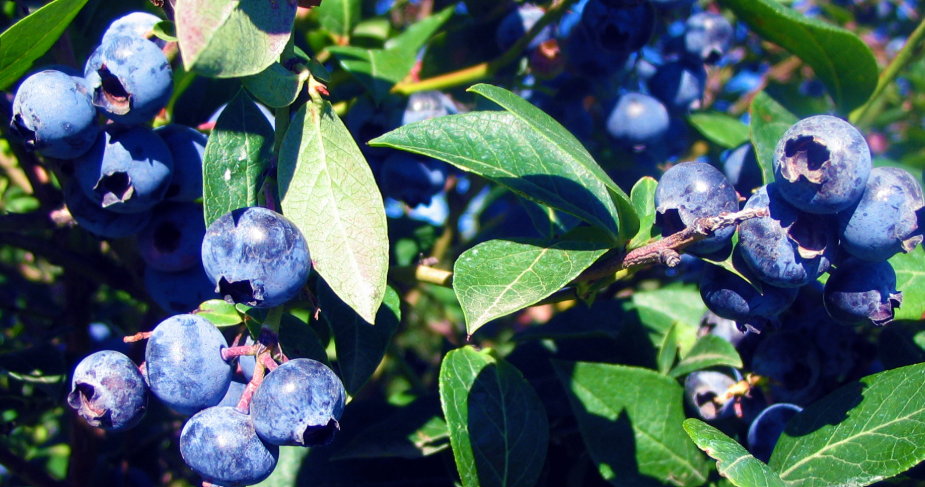
Huckleberries are wonderfully tough native shrubs, but “tough” does not mean disease-proof. When a huckleberry begins developing yellow leaves, dark spots, dying stems, or poor growth, the cause may be a fungal, bacterial, or viral disease—or something that looks like a disease but is actually caused by watering, soil, weather, or nutrient problems.
The word huckleberry covers several species, including Vaccinium membranaceum, Vaccinium parvifolium, Vaccinium ovatum, and other related plants. Disease susceptibility therefore varies from one species and growing environment to another. A problem commonly seen on cultivated Vaccinium plants may not affect every wild huckleberry in the same way.
The best approach is not to reach immediately for a fungicide. First identify the symptoms, inspect the stems and roots, consider recent weather and watering, and determine whether the problem is actually a disease. Good drainage, appropriate soil conditions, sanitation, and adequate air circulation prevent many problems before they become serious.
Also Read: Major Types of Huckleberries
1. Phytophthora Root Rot
Symptoms: Plants affected by Phytophthora root rot may show weak growth, yellowing leaves, wilting, and general decline. In advanced cases, branches can die back even though the soil appears moist.
This disease is associated with waterlogged or poorly drained soil. Phytophthora organisms thrive in wet conditions and can damage roots, preventing the plant from taking up water and nutrients properly.
How to fix it: Improve drainage first. If a container-grown huckleberry is affected, make sure drainage holes are open and the plant is not sitting in standing water. In the landscape, move future plantings to well-drained locations rather than repeatedly trying to correct severe root problems with chemicals.
Avoid excessive irrigation and allow the growing medium to drain between waterings. Severely affected plants may be difficult to save.
2. Armillaria Root Disease
Armillaria root disease is another potentially serious problem affecting woody plants. Huckleberries growing in forests or landscapes where infected roots or stumps are present can potentially encounter the disease.
Symptoms: Aboveground symptoms may include reduced vigor, yellowing foliage, premature leaf drop, and gradual branch dieback. Because the disease begins below ground, symptoms can sometimes be mistaken for drought or nutrient deficiency.
How to fix it: There is no simple cure for an established Armillaria infection. Prevention is therefore extremely important. Avoid planting huckleberries in locations with a known history of serious root disease.
Remove severely diseased plants when practical and avoid spreading infected roots or plant material to healthy areas. Good drainage and appropriate planting conditions can reduce general plant stress.
3. Botryosphaeria Canker and Dieback
Canker diseases can be particularly frustrating because the first obvious symptom may be a branch that suddenly begins dying.
Symptoms: Look for dead or declining branches, sunken areas on stems, discoloration beneath damaged bark, and progressive dieback. Cankers often become more noticeable after environmental stress such as drought, winter injury, or physical damage.
How to fix it: Prune affected branches well below visibly damaged tissue, using clean and properly maintained pruning tools. Do not leave infected cuttings around the base of the shrub.
The best defense is keeping plants vigorous without overwatering or overfertilizing them. Avoid unnecessary wounds to stems, because damaged tissue can provide opportunities for pathogens to enter.
4. Anthracnose
Anthracnose is a general name used for diseases caused by several fungi. On susceptible Vaccinium plants, these diseases can affect leaves, shoots, and fruit.
Symptoms: You may notice small brown or dark spots on leaves, damaged shoots, or lesions on developing fruit. During prolonged wet weather, disease can spread more easily.
How to fix it: Remove heavily infected fallen leaves and prune badly affected plant material where appropriate. Keep the plant’s canopy reasonably open so that foliage dries more quickly after rain.
Avoid overhead irrigation when possible. Water directed toward the soil reduces the amount of time leaves remain wet and can help reduce conditions favorable to fungal diseases.
Also Read: Common Huckleberry Pests and How to Control Them
5. Leaf Spot Diseases
Leaf spots are among the easiest huckleberry problems to notice. Several different fungi can cause similar-looking spots, so it is often impossible to identify the exact pathogen from a photograph alone.
Symptoms: Leaves may develop circular, irregular, brown, reddish, or dark spots. Severe infections can cause premature leaf drop and reduce the plant’s overall vigor.
How to fix it: Start with sanitation. Remove heavily affected fallen leaves and dispose of infected plant debris rather than allowing it to accumulate around the shrub.
Improve air circulation by avoiding excessive crowding. If a fungicide is being considered, choose one specifically labeled for the plant and disease in your location and follow its label instructions.
6. Powdery Mildew
Powdery mildew looks very different from most leaf-spot diseases. Instead of producing isolated lesions, it creates a white, powdery coating on leaves or young shoots.
The disease is favored by certain combinations of humidity, temperature, and poor air movement. Unlike many fungal diseases, powdery mildew does not necessarily require prolonged leaf wetness.
How to fix it: Give huckleberries sufficient space and avoid creating dense, stagnant growth. Prune selectively to improve air movement where necessary.
Keep the plant appropriately watered, particularly during dry weather, because stressed plants can be more vulnerable to problems. Remove severely affected foliage when practical.
7. Rust Diseases
Rust fungi can affect various plants in the heath family and may occasionally cause problems on Vaccinium species.
Symptoms: Depending on the particular rust, symptoms can include yellow, orange, reddish, or brown spots and powdery structures on the underside of leaves. In severe cases, affected foliage may drop prematurely.
Rust diseases can have complicated life cycles, with some species requiring more than one host plant.
How to fix it: Remove severely infected leaves and clear fallen foliage from around the plant. Improve air circulation and avoid unnecessary overhead watering.
Because identifying rust species can be difficult, persistent or severe infections are worth having examined by a local extension service or plant-disease diagnostic laboratory.
8. Botrytis Blight
Botrytis, sometimes called gray mold, is more likely to become troublesome under cool, humid, and persistently wet conditions.
Symptoms: Flowers, young shoots, leaves, or fruit may develop brown, water-soaked-looking areas followed by fuzzy gray fungal growth.
Crowded plants and poor air circulation can make the problem worse.
How to fix it: Remove affected flowers, fruit, and plant material as soon as practical. Avoid allowing infected debris to remain around the shrub.
Water at the base rather than repeatedly wetting the foliage. Improving air movement and reducing excessive humidity around the plant can make conditions less favorable for Botrytis.
9. Bacterial Diseases
Bacterial diseases are less straightforward to diagnose because their symptoms can resemble fungal infections or environmental damage.
Symptoms: Depending on the pathogen, symptoms can include leaf spots, water-soaked lesions, shoot damage, cankers, or general decline.
How to fix it: Remove severely affected plant material and disinfect pruning tools between plants when dealing with suspected infectious diseases. Avoid working on plants while foliage is wet because moisture can assist the movement of some pathogens.
Do not automatically assume that every dark spot is bacterial. If the problem continues to spread, obtaining a professional diagnosis is preferable to repeatedly applying treatments that may not address the actual cause.
10. Viral Diseases
Viruses can occasionally affect plants in the Vaccinium group. Unlike many fungal diseases, viral infections generally cannot be cured once a plant is infected.
Symptoms: Possible signs include unusual leaf patterns, mottling, distorted growth, reduced vigor, or poor fruit development. However, these symptoms can also result from nutrient deficiencies, herbicide injury, insects, or environmental stress.
How to fix it: First confirm the diagnosis. Do not remove a valuable plant simply because its leaves look unusual.
If a virus is confirmed, removal may be recommended depending on the specific disease and its potential to spread to nearby susceptible plants. Controlling insect vectors and using healthy planting material are important preventative measures.
Also Read: Best Companion Plants for Huckleberries
Problems That Look Like Huckleberry Diseases
Before treating a huckleberry for disease, check whether something else is responsible.
Poor Drainage
Constantly wet roots can cause yellow leaves, wilting, slow growth, and dieback. These symptoms can look remarkably similar to root disease.
Drought Stress
A plant that is too dry may develop brown leaf edges, wilted foliage, premature leaf drop, and dying shoots.
Incorrect Soil pH
Many huckleberries prefer acidic soils. If the growing medium becomes unsuitable, nutrient availability can be affected, resulting in yellow or pale foliage.
Excess Fertilizer
Too much fertilizer can damage roots and cause leaf scorch. More fertilizer is not necessarily the answer to weak growth.
Herbicide Injury
Accidental exposure to herbicides can cause distorted leaves, unusual growth, discoloration, and dieback. If symptoms appeared shortly after nearby weed-control work, consider chemical injury before assuming disease.
How to Prevent Huckleberry Diseases
Prevention is usually easier than treatment. When I establish a huckleberry, I pay particular attention to the conditions around the root system because a healthy plant has a much better chance of tolerating environmental stress.
Start with healthy plants. Purchase plants from reputable nurseries and avoid specimens showing obvious disease symptoms.
Choose appropriate soil. Many huckleberries perform best in acidic, organic-rich soil with good drainage.
Avoid overwatering. Huckleberries appreciate consistent moisture, but saturated roots can create serious problems.
Improve air circulation. Don’t crowd plants unnecessarily, particularly in humid climates.
Keep the planting area clean. Remove fallen leaves and obviously diseased plant material when appropriate.
Prune carefully. Remove dead or diseased branches with clean tools, but avoid unnecessary pruning that creates additional wounds.
Inspect plants regularly. Catching a problem early gives you more options than waiting until large sections of the shrub have died.
When Should You Remove a Diseased Huckleberry?
Removal is not always necessary. A few leaf spots on an otherwise vigorous shrub do not automatically justify destroying the plant.
Consider removal when a plant has severe root disease, extensive irreversible decline, a confirmed pathogen that poses a substantial threat to nearby plants, or a viral disease for which management is not practical.
Before removing an unusual or valuable native huckleberry, consider contacting a local university extension service or plant diagnostic laboratory. A correct diagnosis can prevent unnecessary treatment and help protect other plants.
Final Thoughts
Huckleberry diseases can be frustrating, but many apparent “diseases” are actually problems with water, drainage, soil conditions, weather, or plant stress. That is why diagnosis should come before treatment.
The most effective long-term strategy is to grow the right huckleberry species in conditions that resemble its natural habitat. Provide suitable acidic soil, reliable but not excessive moisture, adequate air circulation, and good sanitation. When a problem does appear, examine the entire plant rather than focusing on one discolored leaf.
And remember that huckleberries are a diverse group. A disease affecting a cultivated blueberry does not necessarily affect every wild huckleberry species in the same way. When symptoms are severe, persistent, or difficult to identify, a local extension specialist or plant diagnostic laboratory is often the best source of a definitive diagnosis.
References
- Oregon State University Extension Service — Huckleberries: Information on huckleberry biology, cultivation, and disease-related considerations. Oregon State University Extension Service
- Washington State University Extension — Small Fruits: Resources covering Vaccinium crops, plant health, pests, and diseases. Washington State University Extension
- University of Minnesota Extension — Plant Disease Diagnosis: Guidance on identifying plant diseases and distinguishing disease symptoms from environmental problems. University of Minnesota Extension
- USDA Forest Service — Fire Effects Information System: Species information and ecological references for western huckleberries, including Vaccinium species and their growing environments. USDA Forest Service — Fire Effects Information System