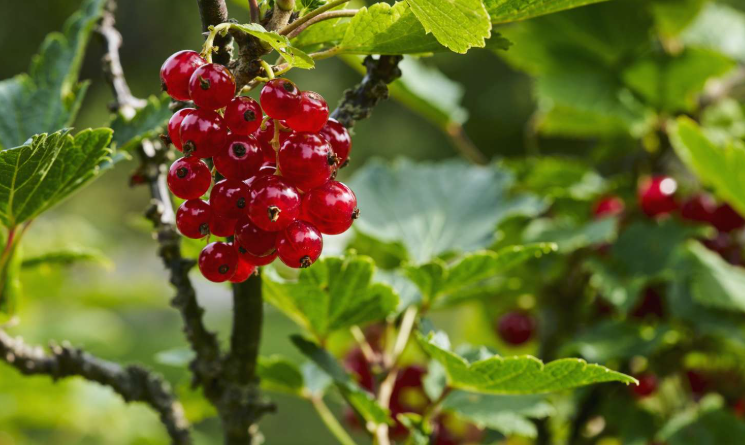
A shady backyard does not have to mean giving up on berries. Although many of the most popular fruit crops produce their largest harvests in full sun, several berry-producing shrubs can tolerate partial shade, woodland conditions, or filtered light. Currants and gooseberries are particularly well suited to shade, while serviceberries, elderberries, chokeberries, and some native huckleberries can also perform well in less-than-sunny locations.
There is an important distinction between surviving in shade and producing a heavy crop in shade. Most fruiting shrubs produce more flowers and fruit when they receive adequate sunlight. University of Maryland Extension, for example, recommends at least six hours of direct sun for blueberries, currants, and gooseberries, while other extension guidance confirms that currants and gooseberries can still tolerate partial shade.
The plants below therefore range from berries that genuinely prefer cooler, partly shaded conditions to woodland shrubs that tolerate shade but may fruit more heavily when they receive some direct sunlight. For the best results, look for bright filtered light, morning sun, or roughly 3–6 hours of direct sunlight rather than deep, dark shade.
1. Red Currant (Ribes rubrum)
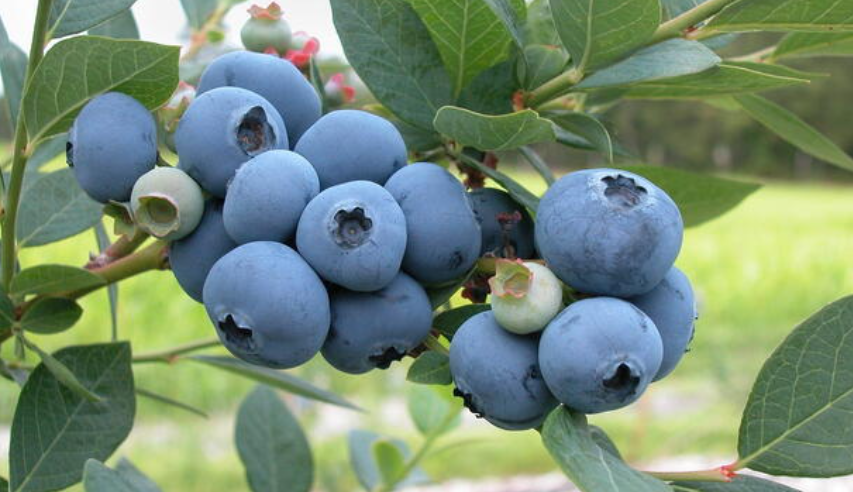
Red currant is one of the best berry bushes for a partially shaded garden. Unlike many conventional fruit crops, currants tolerate partial shade and appreciate the cooler conditions that can occur beneath trees or on the north side of a building.
The plants produce attractive strings of translucent red berries that hang from the branches. Their tart flavor makes them particularly useful for jams, jellies, sauces, desserts, and baked goods.
Although red currants tolerate shade, they generally produce a better crop when they receive some direct sunlight. Good air circulation is also important because crowded, humid conditions can encourage fungal diseases.
Also Read: Best Berry Bushes for Backyard Planting
2. Black Currant (Ribes nigrum)
Black currant is another excellent choice for a garden that does not receive full-day sunshine. It forms a medium-sized deciduous shrub and can tolerate partial shade better than many traditional berry crops.
Its dark berries have a strong, distinctive flavor and are often used in jams, jellies, syrups, desserts, and other preparations. The fruit is produced in clusters that make harvesting relatively straightforward.
Choose a cultivar suited to your local climate and pay attention to disease resistance. Extension recommendations specifically mention looking for resistance to white-pine blister rust in areas where that disease is a concern.
3. White Currant (Ribes rubrum cultivars)
White currants are closely related to red currants and share their ability to tolerate partial shade. They are particularly useful where a gardener wants a fruiting shrub that can occupy a cooler corner of the landscape.
The berries are usually pale yellow, cream, or translucent white rather than red. Their flavor is generally milder and sweeter than that of many red currants, making them appealing for fresh eating as well as preserves.
Like other currants, they perform best when the soil remains reasonably moist but well drained. Partial shade is acceptable, but a little direct sunlight can improve flowering and fruit production.
4. Gooseberry (Ribes spp.)
Gooseberries are among the most reliable berry-producing shrubs for partial shade. Their natural tolerance of cooler conditions makes them particularly useful for gardens where taller trees or buildings block some sunlight.
Depending on the variety, the fruit can be green, yellow, pink, red, or purple. Gooseberries have a characteristic sweet-tart flavor and are excellent in pies, jams, jellies, sauces, and desserts.
They generally prefer cool, moist, well-drained soil. Good air movement is important because overly humid, stagnant conditions can encourage powdery mildew and other problems.
5. American Gooseberry (Ribes hirtellum)
American gooseberry is a North American native that can be useful in a partly shaded fruit garden. It naturally occurs in environments where sunlight may be filtered by surrounding vegetation.
The small berries can be used similarly to cultivated gooseberries. The plant is also interesting from a wildlife perspective because native shrubs can contribute food and cover to local ecosystems.
Its thorny branches require care during pruning and harvesting. Give the plant enough room for air circulation and avoid placing it immediately beside a frequently used pathway.
6. Jostaberry (Ribes × nidigrolaria)
Jostaberry is a hybrid involving black currant and gooseberry, making it an interesting option for gardeners who want an unusual fruiting shrub.
The berries are dark, almost black when ripe, and larger than typical currants. Their flavor combines characteristics of their parent plants and works well for fresh eating, preserves, and desserts.
Because jostaberries are related to currants and gooseberries, they can tolerate partial shade. Colorado State University Extension notes that jostaberries, currants, and gooseberries can grow in partial shade, although full sunlight generally provides better fruit production.
7. Serviceberry (Amelanchier spp.)
Serviceberry is an excellent choice for a woodland-style garden because it naturally occurs in or around wooded environments. Depending on the species, it can grow as a large shrub or small tree.
Its white spring flowers are followed by small fruits that mature from reddish tones to deep purple or nearly black. The berries are edible and are also highly attractive to birds.
Serviceberries tolerate full sun to part shade, although fruit production is generally better with more sunlight. Their combination of flowers, fruit, wildlife value, and fall color makes them especially versatile.
Also Read: Berry Bushes That Have Thorns
8. Saskatoon Berry (Amelanchier alnifolia)
Saskatoon is a serviceberry species particularly valued for its edible fruit. It can tolerate some shade and works well in gardens where a small fruiting shrub or multi-stemmed plant is desired.
The berries resemble blueberries in appearance but belong to a different plant family. They can be eaten fresh or used in jams, jellies, pies, syrups, and baked goods.
For the largest harvest, give Saskatoon as much sunlight as the site allows. In partial shade it can still be attractive and productive, but shaded plants may produce less fruit than those growing in brighter locations.
9. American Elderberry (Sambucus canadensis)
American elderberry is a large, fast-growing native shrub that can handle partly shaded conditions. It is particularly useful in naturalized landscapes and gardens designed to attract wildlife.
Large clusters of small white flowers appear during the growing season, followed by dark purple-black fruits. Birds are attracted to the fruit, while the flowers also provide resources for pollinators.
Elderberries can tolerate moist conditions and are therefore useful where the soil is not excessively dry. The berries are commonly cooked and processed rather than eaten raw.
10. Black Chokeberry (Aronia melanocarpa)
Black chokeberry is a hardy North American shrub that can tolerate some shade. It is particularly valuable when the goal is to combine wildlife benefits with ornamental interest.
The shrub produces clusters of dark berries that are notably astringent when eaten fresh. They are better suited to cooked or processed foods than direct eating.
Chokeberry also offers attractive white flowers and strong autumn foliage color. It can therefore fill a partly shaded location while providing seasonal interest and food for wildlife. Extension resources list chokeberry among native fruiting shrubs suitable for residential landscapes.
11. Evergreen Huckleberry (Vaccinium ovatum)
Evergreen huckleberry is particularly well suited to woodland-style gardens and naturally occurs in shaded or partly shaded environments in the Pacific Northwest.
It is an attractive evergreen shrub with glossy foliage and dark berries. The combination of year-round leaves and edible fruit gives it value beyond simply being a seasonal berry plant.
It generally appreciates acidic, organic-rich soil with consistent moisture. While it can tolerate shade, fruit production can be improved where the plant receives some filtered or direct sunlight.
12. Red Huckleberry (Vaccinium parvifolium)
Red huckleberry is a woodland species that is particularly appropriate for gardeners attempting to recreate a forest-edge environment.
The translucent red berries are produced along distinctive greenish branches. The fruit provides seasonal food for wildlife and can also be collected where appropriate.
Red huckleberry prefers acidic, organic-rich conditions and is naturally associated with forest habitats. It is a better choice for a shaded woodland garden than for a hot, exposed fruit bed.
13. Salal (Gaultheria shallon)
Salal is an evergreen Pacific Northwest native that is especially valuable for shady landscapes. It naturally forms dense, low-growing thickets beneath forest canopies.
The shrub produces pinkish-white flowers followed by dark purple to nearly black fruits. The berries are edible when ripe and have traditionally been used in various preparations.
Salal is particularly useful where a gardener wants an evergreen berry-producing plant rather than a deciduous shrub. It prefers acidic, organic soils and adapts well to woodland conditions.
Also Read: Best Native Berry Bushes for Wildlife Gardens
14. Oregon Grape (Mahonia aquifolium)
Oregon grape is an evergreen native shrub that tolerates partial shade and is well suited to woodland landscapes.
Its yellow flowers appear in clusters and are followed by blue-purple berries covered with a waxy bloom. The berries are important to wildlife and can be used in certain culinary preparations after proper identification and preparation.
Its spiny, holly-like foliage gives the plant a distinctive appearance. Oregon grape is particularly useful for naturalized gardens where evergreen foliage, wildlife value, and shade tolerance are priorities.
15. Evergreen Wintergreen (Gaultheria procumbens)
Wintergreen is a low-growing evergreen native that thrives in acidic woodland conditions. It is much smaller than conventional berry bushes, but its red berries make it an attractive addition to a shaded garden.
The bright red fruits contrast beautifully with the plant’s glossy green leaves. Its foliage also has a distinctive wintergreen fragrance when crushed.
Because wintergreen is a low groundcover rather than a large shrub, it is particularly useful beneath taller trees and shrubs. It prefers acidic, organically rich soil and protection from intense afternoon heat.
16. Arrowwood Viburnum (Viburnum dentatum)
Arrowwood viburnum is a shade-tolerant native shrub that can grow in a range of landscape conditions. Iowa State University Extension specifically lists it among shrubs adapted to partial shade.
The plant produces clusters of creamy white flowers in spring followed by blue fruits later in the season. These fruits are especially valuable to birds.
Although the berries are not generally grown as a human food crop, arrowwood viburnum is an excellent choice for a wildlife garden. Its adaptability and attractive structure make it useful beneath taller trees or along woodland edges.
17. Highbush Cranberry (Viburnum opulus var. americanum)
Highbush cranberry is a deciduous viburnum that can tolerate partial shade. Despite its common name, it is not a true cranberry but produces attractive red, cranberry-like fruits.
The berries persist into fall and sometimes winter, providing valuable food for wildlife. The shrub also produces white flowers and can develop attractive autumn foliage.
Give the plant adequate moisture and room to mature. It is especially useful in a naturalistic garden where ornamental fruit and wildlife value are more important than maximizing an edible berry harvest.
18. Northern Bayberry (Morella pensylvanica)
Northern bayberry is an adaptable native shrub that tolerates partial shade as well as a variety of soil conditions. University of Illinois Extension lists it as suitable for full sun to partial shade.
Female plants produce distinctive gray, waxy fruits that can persist into winter. These fruits are not the type of sweet berry normally grown for eating, but they are attractive and have traditional uses.
Bayberry is especially useful as a wildlife or naturalized shrub. Remember that male and female plants are separate, so both are required if you want female plants to produce the characteristic fruits.
19. Red Elderberry (Sambucus racemosa)
Red elderberry is a woodland shrub that can grow in partial shade and is particularly appropriate for naturalistic gardens.
It produces clusters of bright red fruits that stand out against the foliage. The berries are valuable to birds and other wildlife, making the plant useful in a wildlife-focused landscape.
Red elderberry should be treated primarily as a wildlife plant unless you have reliable species-specific guidance about safe preparation. It can become a substantial shrub, so allow enough room for mature growth.
20. Red-Osier Dogwood (Cornus sericea)
Red-osier dogwood is better known for its striking red stems than for its fruit, but it is an excellent shade-tolerant, berry-producing native shrub.
White flowers appear in clusters and are followed by small white fruits that attract birds. Illinois Extension lists red-osier dogwood among native shrubs useful in landscapes and notes its wildlife value.
It is particularly useful in moist, partly shaded locations where its colorful winter stems can provide additional interest. The plant spreads by suckers, so give it adequate space.
Also Read: Types of Red Berry Trees
21. Coralberry (Symphoricarpos orbiculatus)
Coralberry is a deciduous shrub valued primarily for its clusters of ornamental berries and wildlife benefits. It can tolerate shaded conditions and is useful in naturalized landscapes.
Its small pink, purple, or coral-colored fruits can remain on the branches after the leaves drop, providing winter interest. The dense growth can also provide cover for wildlife.
Coralberry is not generally grown as a human food crop. Oklahoma State University lists coralberry and snowberry among shrubs that tolerate or prefer shade, making this group useful when the goal is a berry-producing landscape plant rather than a traditional edible berry bush.
Final Thoughts
If your backyard receives limited sunlight, currants and gooseberries are among the strongest choices for an edible berry harvest. Serviceberries, elderberries, huckleberries, and some other native fruiting shrubs can also work well in partial shade, particularly when they receive filtered light or several hours of direct sun. Extension sources consistently point out that shade tolerance does not necessarily mean maximum fruit production; more sunlight generally means a larger crop.
Before planting, observe your garden throughout the day and determine whether the site receives deep shade, filtered shade, morning sun, or several hours of direct sunlight. Then match the plant to those conditions. For a food-producing garden, prioritize currants, gooseberries, jostaberries, serviceberries, and suitable huckleberries; for a wildlife garden, consider elderberries, chokeberries, viburnums, dogwoods, coralberries, and other native shrubs. Choosing plants adapted to the existing light conditions is usually much more successful than trying to force a full-sun fruit crop to produce heavily in deep shade.
Further References
- Penn State Extension — Home Fruit Plantings: Gooseberries and Currants. Information on growing currants and gooseberries, including their tolerance of partial shade. Penn State Extension — Home Fruit Plantings: Gooseberries and Currants
- Oregon State University Extension — Selecting Berry Crop Varieties for Central Oregon. Includes information on currants, gooseberries, Saskatoon berries, and their performance in partial shade. Oregon State University Extension — Selecting Berry Crop Varieties
- Iowa State University Extension — Trees and Shrubs Suitable for Partial Shade. Information on serviceberries, arrowwood viburnum, alpine currant, and other shade-tolerant shrubs. Iowa State University Extension — Trees and Shrubs Suitable for Partial Shade
- University of Maryland Extension — Starting a Home Fruit Garden. Guidance on light requirements for blueberries, currants, gooseberries, serviceberries, elderberries, and other small fruits. University of Maryland Extension — Starting a Home Fruit Garden
- University of Maryland Extension — Serviceberries. Information on serviceberry identification, fruit, wildlife value, and growing conditions. University of Maryland Extension — Serviceberries
- UMass Amherst — Currants and Gooseberries. Detailed information on partial shade, soil, moisture, air circulation, and cultivation. UMass Amherst — Currants and Gooseberries