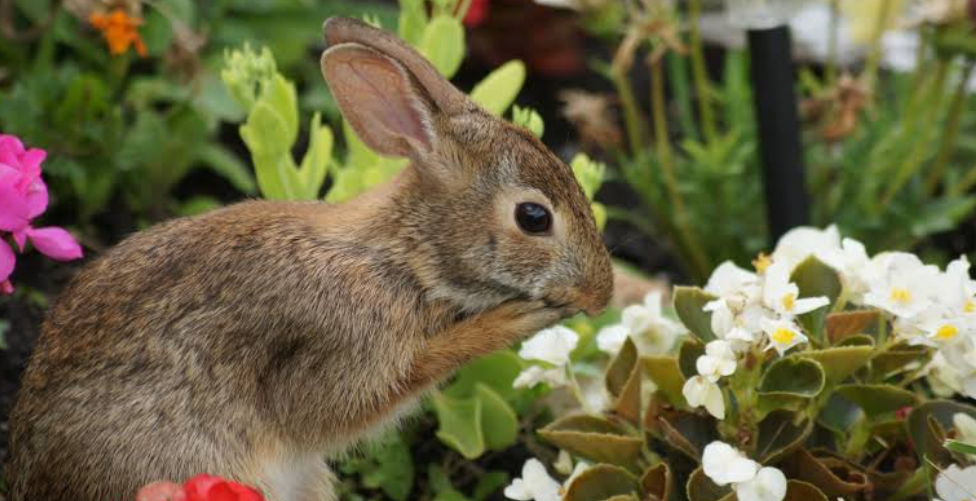
A rabbit-proof garden doesn’t actually exist, and according to Colorado State University Extension, no list of resistant plants is foolproof, since a genuinely hungry animal will eat just about anything, including plants that are technically poisonous. What does exist is a reliable pattern: rabbits consistently avoid plants that are very aromatic, covered in prickles or spines, tough and leathery in texture, or laced with toxic compounds or milky sap.
That pattern holds up well enough that gardeners in rabbit-heavy areas can genuinely tilt the odds in their favor by choosing from it deliberately, even while accepting that a young or particularly hungry rabbit will occasionally sample something it’s “not supposed to” eat. Penn State Extension’s Pike County Master Gardeners maintain a published list of rabbit-resistant garden and landscape plants for exactly this purpose. It’s also worth clearing up 2 common misconceptions before diving in: several widely marketed “deer and rabbit resistant” perennial lists still mistakenly include hosta and daylily, both of which rank among the most reliably devoured perennials in a typical garden, so neither appears on this list.
These plants span aromatic Mediterranean herbs, native prairie wildflowers, and shade-tolerant woodland perennials, with the shared traits of scent, texture, or toxicity doing the real work of keeping rabbits away. What follows covers 50 perennials that rabbits generally leave alone.
Lavender
Lavender is native to the Mediterranean region, forming a compact, woody-based mound of narrow, silvery-gray leaves topped with spikes of small purple flowers each summer. The oils responsible for its unmistakable fragrance concentrate most heavily in the foliage itself, which is exactly the part a browsing rabbit would need to bite through first.
A mature plant typically reaches 1 to 3 feet tall and thrives in full sun and lean, well-drained soil, often struggling more from soggy roots over winter than from any pest. Its flower spikes are a magnet for bees and butterflies even as they go entirely ignored by rabbits.
Russian Sage
Russian sage is native to Central Asia, sending up airy, silvery stems lined with finely cut, aromatic leaves that release a sharp, sage-like scent the moment they’re brushed against. By midsummer the whole plant is topped in a haze of small lavender-blue flowers that give it a soft, cloud-like presence in the border.
A mature plant typically reaches 3 to 4 feet tall and just as wide, tolerating drought and poor, rocky soil far better than richer garden ground. Its woody lower stems and pungent upper growth combine to make it one of the more consistently overlooked plants on a rabbit’s rounds.
Catmint
Catmint, a relative of true catnip, is native to Europe and Asia, producing soft, gray-green, scalloped leaves and loose spikes of small blue-violet flowers that bloom in waves from late spring into fall. Crushing a leaf releases an intense minty scent that cats find irresistible but rabbits generally avoid entirely.
A mature plant typically reaches 1 to 3 feet tall, sprawling into a loose, informal mound that looks equally at home spilling over a path edge or filling a sunny border. Shearing it back hard after the first flush of bloom often triggers a fresh round of flowering later in the season.
Bee Balm
Bee balm is native to North America, producing shaggy, tubular flowers in shades of red, pink, or purple atop square, mint-family stems lined with strongly scented, slightly fuzzy leaves. The same pungent oils that make the crushed foliage smell faintly of oregano and citrus are what keep rabbits from bothering it.
A mature plant typically reaches 2 to 4 feet tall, favoring consistently moist soil in sun to partial shade, and spreads steadily by rhizomes into an expanding clump over a few seasons. Its nectar-rich, firework-shaped blooms are a favorite of hummingbirds throughout summer.
Yarrow
Yarrow is native to Europe, Asia, and North America, forming a low mat of finely divided, fern-like leaves that smell sharply herbal when crushed, topped by flat-headed clusters of tiny flowers in white, yellow, or pink. That same feathery texture and strong scent are what make it one of the more reliably rabbit-avoided plants in a mixed border.
A mature plant typically reaches 1 to 3 feet tall and tolerates poor, dry soil that would leave many other perennials struggling. Its long-lasting flower clusters hold their color well when cut and dried, making it a popular addition to everlasting arrangements.
Perennial Salvia
Perennial salvia, in its many hardy garden forms, sends up upright spikes of small, tubular flowers in shades of deep blue and violet above wrinkled, aromatic, mint-family foliage. The same volatile oils that give the leaves their sharp scent when brushed are what keep rabbits from grazing on them.
A mature plant typically reaches 1 to 3 feet tall, blooming heavily in late spring with a strong chance of a second flush if spent flower spikes are cut back promptly. It performs best in full sun and well-drained soil, tolerating heat and drought with relatively little fuss.
Lamb’s Ear
Lamb’s ear is native to Turkey and Iran, producing thick, velvety, silver-gray leaves so densely covered in fine hairs that they feel almost like fabric to the touch. That same dense fuzz, appealing as it is to human hands, is exactly the texture rabbits and deer alike tend to find unpalatable.
A mature plant typically stays low, generally under a foot tall, spreading into a dense, weed-suppressing mat over a couple of seasons. Its tall, felted flower spikes are often removed by gardeners who prefer the plant purely for its foliage rather than its relatively modest purple blooms.
Artemisia
Artemisia, including cultivars like ‘Silver Mound,’ is native to a wide range across the Northern Hemisphere, forming a dense, rounded cushion of finely dissected, silvery foliage with a strong, almost medicinal scent. That intensity of fragrance is concentrated in aromatic compounds that make the leaves genuinely bitter and unappetizing to browsing animals.
A mature plant typically stays compact, under a foot tall, and its silver color makes it a popular foil for brighter flowering perennials nearby. It performs best in lean, well-drained soil, since overly rich ground tends to make the mound flop open in the center.
Rosemary
Rosemary is native to the Mediterranean region, producing dense, needle-like, dark green leaves along woody stems that release an intensely resinous, pine-like scent when brushed or cut. That same concentrated oil, prized in the kitchen, is what makes the foliage genuinely unpleasant for a rabbit to chew through.
A mature plant can reach 2 to 4 feet tall in climates where it survives winter outdoors, developing thick, gnarled, almost shrub-like stems over several years. Its small blue flowers appear intermittently and are a reliable early-season draw for bees.
Oregano
Oregano is native to the Mediterranean region, forming a low, spreading mat of small, oval, deep green leaves that carry an unmistakably pungent, savory scent the moment they’re touched. That intensity of flavor and aroma, so valued in cooking, is precisely what keeps the plant off a rabbit’s menu.
A mature plant typically stays low, under a foot tall, spreading readily by both seed and creeping stems to fill in bare patches along a path or border edge. Its small pink or white flower clusters in midsummer draw a steady stream of bees and other pollinators.
Thyme
Thyme is native to the Mediterranean region, forming a low, woody-based mat of tiny, aromatic leaves that release a sharp, herbal scent underfoot when planted between stepping stones. That same intensity of essential oil concentrated in such small leaves is more trouble than most rabbits are willing to bother with.
A mature plant typically stays very low, generally under 6 inches tall, and tolerates being walked on occasionally better than almost any other herb. Its tiny purple or pink flowers in early summer are a magnet for bees, giving the plant a second life as a pollinator draw beyond its culinary use.
Mint
Mint, in its many hardy garden forms, produces bright green, toothed leaves along square stems that release an intense, instantly recognizable scent whenever the foliage is disturbed. That same overpowering aroma, released from oil glands throughout the leaf surface, is what generally keeps rabbits from grazing on it despite its lush, tender appearance.
A mature planting spreads rapidly via underground rhizomes, often requiring a buried container or physical barrier to keep it from overtaking neighboring plants within a single season. Its small purple flower spikes in summer attract pollinators even as the plant’s aggressive spread makes it better suited to a contained bed than an open border.
Foxglove
Foxglove is native to Europe, sending up a tall, dramatic spike of tubular, speckled flowers in shades of purple, pink, or white above a low rosette of soft, textured leaves. Every part of the plant contains cardiac glycosides genuinely toxic if ingested, a chemical deterrent that keeps rabbits away far more reliably than scent or texture alone.
A mature plant typically reaches 2 to 5 feet tall in its second year of growth before flowering and setting seed. It self-seeds readily once established, often popping up in unexpected corners of a shaded or partly sunny bed the following season.
Bleeding Heart
Bleeding heart is native to Asia, producing arching stems lined with delicate, fern-like foliage and rows of distinctive heart-shaped pink or white flowers that dangle like a string of lockets each spring. Its foliage contains alkaloid compounds that make it mildly toxic and genuinely unappealing to rabbits and other browsing animals.
A mature plant typically reaches 1 to 3 feet tall, favoring the dappled shade and rich, moist soil found at a woodland edge. Its foliage often dies back completely by midsummer once the weather turns hot and dry, leaving a gap in the bed that’s best filled by later-emerging shade perennials planted nearby.
Monkshood
Monkshood is native to mountainous regions of Europe and Asia, sending up tall spikes of distinctive hooded, deep blue-purple flowers above deeply lobed, dark green foliage in late summer. Every part of the plant, from root to flower, contains aconitine, one of the most potent toxins found in any commonly grown ornamental, which keeps it reliably untouched by any browsing animal.
A mature plant typically reaches 3 to 4 feet tall, favoring rich, consistently moist soil in partial shade. Given its genuine toxicity, gloves are recommended when handling or dividing the plant, and it’s best sited away from areas where children or pets spend unsupervised time.
Lily of the Valley
Lily of the valley is native to Europe and Asia, spreading into a dense, low carpet of broad, glossy leaves from which nodding clusters of tiny, intensely fragrant white bells emerge each spring. Every part of the plant, including the small red berries that follow the flowers, is toxic if ingested, which keeps it entirely off a rabbit’s diet.
A mature planting stays low, generally under a foot tall, spreading steadily via underground rhizomes to form a thick groundcover in shaded areas where grass struggles to grow. Its fragrance, often used in perfumery, is disproportionately strong for how small and unassuming each individual flower actually is.
Daffodil
Daffodil is native to Europe and North Africa, pushing up narrow, strap-like leaves each spring followed by the familiar trumpet-shaped flowers in shades of yellow, white, and orange. Both the bulb and foliage contain lycorine and other toxic alkaloids, a trait that sets daffodils apart from many other spring bulbs that get devoured by rabbits and deer alike.
A mature plant typically reaches 1 to 1.5 feet tall, naturalizing readily into large drifts when left undisturbed over several years. Its foliage should be allowed to yellow and die back naturally after flowering, since cutting it too early weakens the bulb’s ability to bloom the following spring.
Oriental Poppy
Oriental poppy is native to the Caucasus region and Iran, producing large, crepe-paper-like flowers in vivid orange, red, or pink atop coarse, deeply cut, bristly-haired foliage each late spring. That same rough, hairy leaf texture that makes the plant feel almost prickly to the touch is a large part of why rabbits leave it alone.
A mature plant typically reaches 2 to 3 feet tall when flowering, then goes dormant and disappears entirely by midsummer, leaving a gap that’s often filled with later-blooming annuals planted around it. Its seed pods, left standing after the petals drop, add architectural interest and a source of self-sown seedlings the following year.
Euphorbia
Euphorbia, including many hardy garden species, produces striking chartreuse-yellow flower bracts above blue-green or purple-tinged foliage, depending on the specific type grown. Every cut or broken stem releases a milky, irritating latex sap that’s genuinely unpleasant on contact, a defense mechanism that reliably discourages rabbits from taking more than a curious first bite.
A mature plant’s size varies considerably by species, generally ranging from 1 to 3 feet tall, and most types tolerate dry, poor soil far better than richer garden conditions. Gloves are worth wearing when cutting back or dividing the plant, since the sap can cause skin irritation in sensitive individuals.
Hellebore
Hellebore, also called Lenten rose, is native to Europe and parts of Asia, producing leathery, deeply divided evergreen leaves and nodding, cup-shaped flowers in shades of white, pink, and deep maroon that open in late winter, often through a dusting of snow. Its tough, glossy foliage and genuinely toxic sap keep it untouched by rabbits even during the leanest months of the year, when other fresh greenery is scarce.
A mature plant typically reaches 1 to 1.5 feet tall, thriving in the dappled shade beneath deciduous trees where its evergreen leaves provide winter interest long after most other perennials have died back. Its flowers persist for months, gradually fading from their original color to a papery green as the seed pods develop.
Peony
Peony is native to Asia, Europe, and western North America, producing enormous, fragrant, multi-petaled flowers in shades of pink, white, red, and coral atop sturdy stems each late spring. Its glossy, somewhat leathery foliage is generally unappealing to rabbits, which lets the plant’s brief but spectacular bloom reliably reach full display undisturbed.
A mature plant typically reaches 2 to 3 feet tall and can remain productive in the same spot for decades once established, resenting being moved or divided too frequently. Its foliage often turns attractive shades of burgundy and gold in fall, giving the plant a second season of interest well after the flowers have finished.
Feather Reed Grass
Feather reed grass is a hybrid ornamental grass forming a tight, upright clump of narrow green blades that sends up tall, feathery flower plumes in early summer, holding their shape and color well into winter. Its tough, fibrous leaf blades offer little nutritional reward for the effort a rabbit would need to put into chewing through them.
A mature clump typically reaches 3 to 5 feet tall when flowering, maintaining a notably narrow, upright silhouette that makes it useful as a vertical accent without sprawling into surrounding plants. It tolerates both clay and average garden soil, asking for little beyond full sun and an annual cutback in late winter.
Ostrich Fern
Ostrich fern is native to North America, unfurling large, vase-shaped clusters of feathery, bright green fronds each spring from a central crown, eventually reaching an impressive scale in the right conditions. Its fibrous, non-succulent fronds generally hold little appeal for rabbits compared to the tender new growth of nearby perennials.
A mature plant can reach 3 to 6 feet tall once fully unfurled, spreading gradually via underground rhizomes to form a substantial colony in consistently moist, shaded ground. Its edible fiddleheads, harvested for a brief window each spring before they unfurl, are a foraged delicacy in regions where the fern grows wild.
Bearded Iris
Bearded iris is native to Europe and the Mediterranean region, producing tall, sword-shaped, blue-green leaf fans and large, ruffled flowers in an enormous range of colors each late spring. Its tough, fibrous foliage and underground rhizome, which contains mildly toxic compounds, generally keep the plant off a rabbit’s list of things worth chewing.
A mature plant typically reaches 1 to 3 feet tall, and its rhizomes should be planted with the top surface exposed to sunlight rather than buried, since deep planting is one of the more common reasons bearded iris fail to bloom. Dividing overcrowded clumps every few years keeps the planting vigorous and flowering well.
Yucca
Yucca is native to the Americas, forming a dramatic rosette of stiff, sword-shaped leaves that taper to a genuinely sharp point, topped by a tall flower spike of creamy white, bell-shaped blooms in summer. That rigid, spine-tipped foliage offers a straightforward physical deterrent that discourages rabbits from browsing anywhere near the base of the plant.
A mature clump typically reaches 2 to 4 feet tall, tolerating drought, poor soil, and intense heat better than almost any other perennial on this list. Its architectural, spiky silhouette makes it a popular focal point in xeriscape and desert-style plantings.
Sedum
Sedum, particularly upright varieties like ‘Autumn Joy,’ is native to a wide range across the Northern Hemisphere, forming a sturdy clump of thick, succulent, blue-green leaves topped with broad, flat flower clusters that shift from pale pink to deep rust as they mature in fall. That fleshy, water-storing leaf tissue is generally unappealing to rabbits compared to the thinner, more tender foliage of nearby plants.
A mature plant typically reaches 1.5 to 2 feet tall, tolerating drought and poor soil while asking for almost nothing beyond full sun. Its late-season flower heads remain attractive well into winter if left uncut, providing both visual interest and a source of seed for overwintering birds.
Ornamental Allium
Ornamental allium, a flowering relative of onion and garlic, sends up a single leafless stem topped with a perfectly round, densely packed sphere of small purple, white, or blue flowers each early summer. That same pungent, sulfurous scent that defines onions and garlic runs through the entire plant, keeping rabbits away from both the foliage and the flower stalk alike.
A mature plant’s flower stalk typically reaches 1 to 3 feet tall, depending on the specific species, with strap-like foliage that often yellows and fades before the flowers even open. Its dried seed heads, left standing after bloom, add sculptural interest to the border well into fall.
Baptisia
Baptisia, also called false indigo, is native to eastern and central North America, producing a substantial, shrub-like mound of blue-green, clover-like foliage topped with spikes of pea-like flowers in shades of blue, purple, yellow, or white each late spring. Its tough, somewhat leathery leaves generally go unbothered by rabbits once the plant is established.
A mature plant can reach 3 to 4 feet tall and equally wide, developing a substantial, deep taproot that makes it notably drought tolerant but difficult to transplant once settled. Its dark seed pods rattle audibly in the wind by late summer, adding an unexpected auditory element to the fall garden.
Globe Thistle
Globe thistle is native to Europe and western Asia, producing spiny, deeply cut, silvery-green foliage topped with perfectly round, steel-blue flower globes that bees find irresistible each midsummer. The same sharp spines running along its leaves and stems make the plant genuinely uncomfortable for a rabbit to approach, let alone chew.
A mature plant typically reaches 2 to 4 feet tall, tolerating poor, dry soil and thriving with minimal care once established. Its unusual, spherical blue flower heads hold their color well when cut and dried for arrangements.
Sea Holly
Sea holly is native to Europe, producing stiff, spiny, metallic blue-gray foliage and thistle-like flower heads surrounded by equally spiky bracts in a matching steely blue shade. That rigid, prickly texture running through the entire plant discourages rabbit browsing just as effectively as it discourages careless hands.
A mature plant typically reaches 2 to 3 feet tall, favoring lean, sandy, well-drained soil where richer conditions would cause it to flop. Its unusual coloring and architectural form make it a favorite among florists for both fresh and dried arrangements.
Cardoon
Cardoon is native to the Mediterranean region, producing enormous, deeply cut, silvery leaves covered in fine spines, topped by large, thistle-like purple flower heads on a plant that can dominate an entire section of border. That substantial physical armor, scaled up from the more modest spines of globe thistle or sea holly, makes it one of the more thoroughly rabbit-proof plants on this list.
A mature plant can reach 4 feet tall and wide within a single growing season, giving it an almost tropical presence despite its Mediterranean origins. Its blanched inner stalks, a delicacy in parts of Europe, require tying and covering the plant for several weeks before harvest to reduce their natural bitterness.
Columbine
Columbine is native to North America, Europe, and Asia, producing delicate, lobed, blue-green foliage and distinctive spurred flowers in shades of red, purple, yellow, and blue that seem to hover above the plant on wiry stems each late spring. Despite its fine-textured, seemingly tender appearance, it’s generally left alone by rabbits, likely owing to mildly bitter compounds in its foliage.
A mature plant typically reaches 1 to 2 feet tall and self-seeds readily, often producing volunteer seedlings with slightly different flower colors than the parent plant. Its nodding, intricately shaped blooms are a favorite of hummingbirds arriving in early spring.
Coreopsis
Coreopsis is native to North America, producing narrow, somewhat coarse foliage topped with cheerful, daisy-like yellow or bicolor flowers that bloom continuously from early summer through fall. That slightly rough leaf texture is enough to make it a lower priority for rabbits compared to smoother, more tender nearby plants.
A mature plant typically reaches 1 to 2 feet tall, tolerating heat, drought, and poor soil while blooming more reliably than many showier perennials. Regular deadheading extends its already long bloom season considerably, though many gardeners simply let it self-seed freely instead.
Black-Eyed Susan
Black-eyed Susan is native to North America, producing coarse, hairy leaves and cheerful golden-yellow, daisy-like flowers with a distinctive dark brown center that bloom heavily from midsummer into fall. According to Colorado State University Extension’s critter-resistant plant list, it’s among the perennials commonly recommended for gardens dealing with rabbit and deer pressure, likely thanks to that same rough, bristly foliage texture.
A mature plant typically reaches 1 to 3 feet tall and spreads readily by both seed and rhizome, quickly filling in a sunny bed or naturalized meadow planting. Its seed heads, left standing through winter, provide a valuable food source for finches and other seed-eating birds.
Purple Coneflower
Purple coneflower is native to North America, producing coarse, bristly-textured leaves and distinctive daisy-like flowers with drooping purple-pink petals surrounding a raised, spiny orange-brown cone. That same rough texture found throughout the plant, particularly on the cone itself, generally keeps rabbits from bothering it.
A mature plant typically reaches 2 to 4 feet tall, tolerating drought and poor soil while attracting a steady stream of butterflies throughout its long summer bloom period. Its seed heads are a favorite of goldfinches in fall, making it worth leaving standing rather than cutting back too early.
Shasta Daisy
Shasta daisy, a garden hybrid bred from several wild daisy species, produces classic white, daisy-shaped flowers with broad petals and a sunny yellow center atop dark green, toothed foliage each summer. It generally goes untouched by rabbits despite its otherwise unassuming, tender-looking leaves, likely owing to a mild bitterness in the foliage.
A mature plant typically reaches 1 to 3 feet tall, forming an increasingly full clump over several years that benefits from division every 3 or so years to stay vigorous. Its long-lasting, classic white blooms make it a reliable cut flower throughout the summer.
Veronica
Veronica, also called speedwell, is native to Europe and Asia, producing narrow, somewhat leathery leaves and dense, upright spikes of small blue, purple, or pink flowers that bloom for weeks each summer. That firm, slightly textured leaf surface generally makes it a lower priority for browsing rabbits compared to softer nearby foliage.
A mature plant typically reaches 1 to 2 feet tall, and shearing back the spent flower spikes often encourages a second round of bloom later in the season. It performs reliably in average garden soil with minimal supplemental care once established.
Goldenrod
Goldenrod is native to North America, producing narrow, somewhat rough leaves and dense, plume-like clusters of tiny golden-yellow flowers that light up meadows and borders each fall. Despite its unfair reputation among gardeners as an aggressive roadside weed, it’s a valuable native perennial that rabbits generally leave alone.
A mature plant can reach 3 to 5 feet tall, spreading by rhizome into substantial colonies if left unchecked in richer garden soil. Its late-season flowers provide a critical nectar source for migrating monarch butterflies and other pollinators stocking up before winter.
Joe-Pye Weed
Joe-Pye weed is native to eastern North America, producing tall, sturdy stems lined with whorled, coarse-textured leaves and topped by large, domed clusters of dusty pink-purple flowers in late summer. That same coarse leaf texture that gives the plant its substantial presence also makes it generally unappealing to rabbits.
A mature plant can reach 5 to 7 feet tall, favoring moist, rich soil where it can achieve its full, statuesque height by the back of a border. Its enormous flower clusters are a major late-summer draw for butterflies, particularly swallowtails.
Coral Bells
Coral bells, botanically Heuchera, is native to North America, forming a low mound of rounded, somewhat fuzzy-textured leaves in colors ranging from deep purple to bright chartreuse, topped with airy sprays of tiny bell-shaped flowers on thin stems. That slightly textured leaf surface generally keeps the plant off a rabbit’s preferred menu.
A mature clump typically reaches 8 to 18 inches tall, thriving in partial shade where its colorful foliage provides season-long interest well beyond its relatively brief bloom period. Many modern cultivars have been bred specifically for foliage color, making the flowers almost a secondary feature.
Brunnera
Brunnera is native to the Caucasus region and Siberia, producing heart-shaped leaves, often marked with striking silver variegation depending on the cultivar, and clouds of tiny, forget-me-not-blue flowers each spring. That coarse, somewhat bristly-textured leaf surface generally deters rabbit browsing even as the plant’s spring flower display draws plenty of attention from gardeners.
A mature plant typically reaches 1 to 1.5 feet tall, thriving in the same shaded, moist conditions favored by hosta, making it a useful substitute in gardens where hosta has proven too tempting to local wildlife. Its silvery-marked cultivars brighten dark corners of the garden throughout the growing season.
Epimedium
Epimedium is native to Asia and the Mediterranean region, producing heart-shaped leaves with finely spined edges and delicate, spurred flowers in shades of yellow, pink, or white that appear on wiry stems each spring. That tough, leathery, somewhat spiny-edged leaf texture generally keeps the plant untouched by browsing rabbits.
A mature plant typically stays low, under a foot tall, spreading slowly to form an effective groundcover in dry shade where few other perennials perform well. Its evergreen or semi-evergreen foliage, depending on the species and climate, provides winter interest that few other shade perennials can match.
Pulmonaria
Pulmonaria, also called lungwort, is native to Europe and western Asia, producing spotted or silver-splashed leaves covered in coarse hair, topped with clusters of small, funnel-shaped flowers that often open pink before shifting to blue as they mature. That dense, bristly leaf texture, similar to lamb’s ear, generally deters both deer and rabbits from browsing.
A mature plant typically stays low, under a foot tall, thriving in the same rich, moist shade favored by hellebore and brunnera. Its early spring bloom time makes it a valuable nectar source for the first bumblebees emerging from winter dormancy.
Amsonia
Amsonia, also called blue star, is native to North America, producing narrow, willowy foliage and clusters of soft blue, star-shaped flowers each late spring, followed by a spectacular display of golden fall color. Its foliage contains a mildly toxic, milky sap similar to that of euphorbia, which discourages rabbit browsing throughout the growing season.
A mature plant typically reaches 2 to 3 feet tall, forming a graceful, fountain-like mound that holds its shape well without staking. Its fine, threadlike foliage turns a brilliant gold each October, giving the plant a genuinely spectacular second season of interest.
Japanese Anemone
Japanese anemone is native to China, producing broad, coarse, dark green leaves and tall, wiry stems topped with simple, saucer-shaped pink or white flowers that bloom late in the season, often continuing after the first light frost. It’s generally left untouched by rabbits, which allows its late-season flower stalks to reach full bloom reliably even as most other perennials are winding down.
A mature plant typically reaches 2 to 4 feet tall, spreading gradually by rhizome in the partial shade and rich soil it prefers. Its late bloom time makes it a valuable source of fresh color in the garden well after most summer perennials have finished.
Agastache
Agastache, also called hyssop, is native to North America, producing narrow, aromatic, mint-family leaves and dense spikes of tubular flowers in shades of orange, pink, and purple that bloom for months on end. That same intensely scented foliage, released whenever the leaves are brushed, keeps rabbits from bothering the plant.
A mature plant typically reaches 2 to 3 feet tall, tolerating heat and drought while drawing hummingbirds and butterflies in steady numbers throughout its long bloom season. It performs best in lean, well-drained soil, since overly rich ground can shorten its lifespan.
Agapanthus
Agapanthus, also called lily-of-the-Nile, is native to South Africa, producing thick, strap-like leaves and tall, leafless stems topped with large, rounded clusters of trumpet-shaped blue or white flowers each summer. That tough, fibrous leaf texture generally keeps the plant off a rabbit’s list of preferred browse.
A mature plant typically reaches 1.5 to 2 feet tall, thriving in full sun where it can be left undisturbed for years, since it tends to bloom more heavily once slightly crowded in its container or bed. Its striking, globe-shaped flower heads make it a popular choice for coastal and Mediterranean-style gardens.
Red Hot Poker
Red hot poker, botanically Kniphofia, is native to South Africa, producing narrow, grass-like foliage and dramatic, torch-shaped flower spikes that shift from orange at the base to yellow at the tip, blooming through much of summer. Its tough, fibrous leaves are generally unappealing to rabbits despite the plant’s otherwise bold, eye-catching presence.
A mature plant typically reaches 2 to 4 feet tall, tolerating heat and drought while drawing hummingbirds to its unusually shaped, nectar-rich blooms. Its evergreen foliage in mild climates provides year-round structure even between bloom cycles.
Foamflower
Foamflower, botanically Tiarella, is native to North America, forming a low mound of maple-shaped, somewhat fuzzy leaves topped with delicate, airy spikes of small white or pale pink flowers each spring. That slightly textured leaf surface generally keeps the plant left alone by rabbits, much as it does for its close relative coral bells.
A mature plant typically stays low, under a foot tall, spreading gradually to form an attractive groundcover in the moist, shaded conditions of a woodland garden. Its foliage often takes on attractive bronze and red tones through fall and winter in cooler climates.
Black Mondo Grass
Black mondo grass is native to Japan, producing narrow, strap-like leaves in a striking, near-black shade that contrasts dramatically against surrounding green foliage, with small, inconspicuous flowers followed by glossy black berries. That unusually dark coloring accompanies tough, fibrous foliage that tends to go untouched by rabbits even as it draws plenty of attention from gardeners.
A mature clump typically reaches 8 to 12 inches tall, spreading slowly to form a dense, low groundcover well suited to edging a path or filling a small, shaded gap between stepping stones. Its dramatic coloring makes it a popular choice for high-contrast plant pairings with silver or chartreuse foliage nearby.
Conclusion
Perennials that rabbits tend to avoid usually share certain traits that make them less appealing. Many have strong aromas or pungent oils that overwhelm a rabbit’s sensitive nose, signaling that the plant may be unpalatable or even toxic. These natural fragrances, while pleasant or useful to humans, act as a deterrent in the animal world, keeping rabbits from nibbling on them.
Another common trait of rabbit-resistant perennials is their texture. Plants with fuzzy, spiny, leathery, or tough leaves are far less inviting to rabbits compared to tender, smooth foliage. The physical difficulty of chewing through such leaves makes them an unattractive option when softer alternatives are available in the garden.
Toxicity also plays a role in keeping rabbits away. Some perennials contain alkaloids, saponins, or other natural compounds that are harmful if ingested. Rabbits have a strong instinct for avoiding potentially poisonous plants, and this natural defense mechanism helps protect them from accidental harm. For gardeners, these plants are valuable because they tend to remain untouched even in areas with heavy rabbit pressure.
Seasonal growth habits further influence how attractive a perennial is to rabbits. Plants that emerge early with bitter-tasting foliage, or those that develop woody stems as they mature, are often less vulnerable. Rabbits prefer young, tender shoots, so perennials that quickly toughen up after sprouting usually escape the worst damage.
Finally, the placement and diversity of perennials in the garden can enhance rabbit resistance overall. By combining plants with strong scents, bitter tastes, or coarse textures, gardeners create a landscape that is naturally less appealing to rabbits.