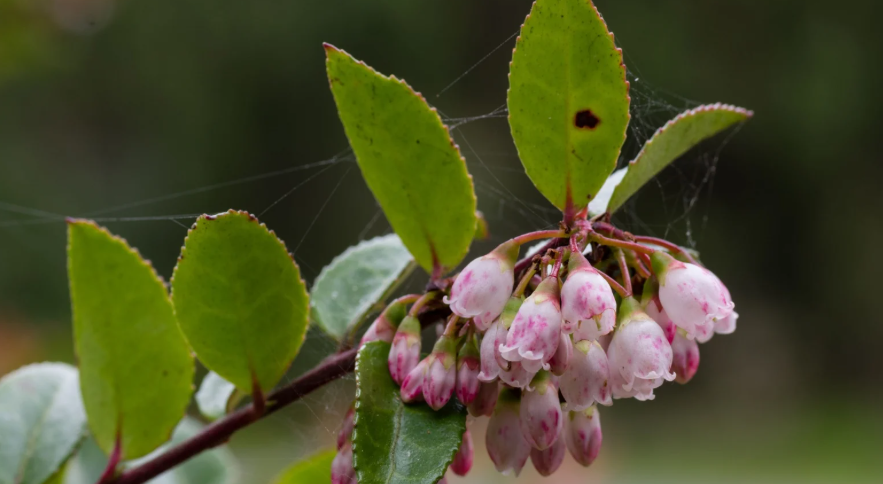
Growing huckleberries from cuttings can be a rewarding way to produce new plants without buying several nursery-grown specimens. It is particularly useful when you have access to a healthy huckleberry plant with characteristics you want to preserve, such as vigorous growth, attractive form, or good fruit production.
Huckleberries can be more challenging to propagate than many common garden shrubs. They have specific requirements for soil acidity, moisture, rooting conditions, and aftercare. Success therefore depends less on simply placing a cutting in soil and more on creating an environment where new roots can develop without the cutting drying out or rotting.
The techniques described below are most applicable to woody Vaccinium species, but the exact response can vary considerably among huckleberry species. Mountain huckleberry (Vaccinium membranaceum), red huckleberry (Vaccinium parvifolium), evergreen huckleberry (Vaccinium ovatum), and other species do not necessarily root with equal ease.
Can You Grow Huckleberries From Cuttings?
Yes, huckleberries can be propagated from cuttings, although success rates vary by species and cutting type.
Propagation from cuttings has one major advantage over growing from seed: the new plant is genetically identical to the parent plant. If the parent has particularly desirable fruit or growth characteristics, cuttings provide a way to reproduce those traits.
The downside is that huckleberries can be slow to root. Some cuttings may fail even when they appear healthy, so taking several cuttings rather than relying on one gives you a much better chance of producing successful plants.
When Is the Best Time to Take Huckleberry Cuttings?
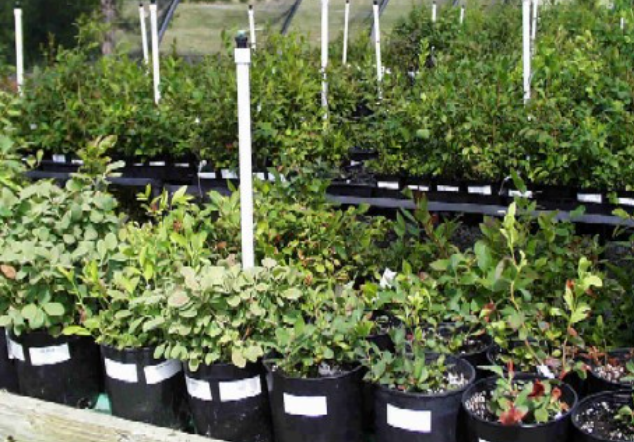
The best timing depends on the type of cutting you are using.
For many woody plants, late spring through summer is a useful period for taking semi-hardwood cuttings. At this stage, new growth has begun to mature but is not yet completely hardened.
Evergreen huckleberry can also be propagated from suitable cuttings taken during the growing season. Deciduous species may respond differently, so it is worth researching the particular species you are propagating.
Avoid taking cuttings from plants that are severely stressed by drought, disease, pests, or extreme heat.
What You Need
You do not need a complicated propagation setup. Gather:
- A healthy huckleberry plant
- Clean, sharp pruning shears
- Small propagation pots
- A sterile, well-draining rooting medium
- Clean water
- Rooting hormone, if appropriate
- A clear humidity cover or propagation dome
- A bright location away from intense direct sunlight
- Plant labels
The most important things are clean equipment, suitable moisture, high humidity, and a well-drained rooting medium.
Also Read: How to Increase Huckleberry Fruit Production
Step 1: Choose a Healthy Parent Plant
Start with a vigorous, healthy huckleberry.
Choose a plant that has good foliage, strong stems, and no obvious signs of disease or severe pest infestation. Avoid taking cuttings from weak branches or plants that are already struggling.
If you are propagating a native huckleberry, make sure you have permission to collect plant material. In many areas, collecting plants or cuttings from public lands is restricted.
Step 2: Select Suitable Stems
Look for healthy current-season growth that has begun to mature.
A suitable cutting should be firm enough to stand upright but should not be extremely old and woody. Very soft new shoots can wilt easily, while extremely old wood may root poorly.
Aim for several cuttings rather than just one. Propagation is never guaranteed, and having multiple candidates improves your odds.
Step 3: Make the Cut
Use clean, sharp pruning shears to make the cutting.
A cutting several inches long is generally practical for home propagation. Make the lower cut just below a node, where leaves were attached.
Keep the cuttings cool and moist while preparing them. Do not allow them to sit exposed to hot sun or dry air for an extended period.
Step 4: Remove the Lower Leaves
Remove leaves from the lower portion of each cutting.
The lower section will eventually be placed into the rooting medium, so leaves buried underground can decay and create problems.
Keep several healthy leaves toward the upper portion of the cutting. These leaves allow the cutting to continue photosynthesis while roots are developing.
Do not strip all the foliage from the stem.
Step 5: Apply Rooting Hormone
Dip the prepared lower portion in an appropriate rooting hormone if you choose to use one.
Rooting hormone can encourage root formation in many woody cuttings, but it is not magic. A cutting placed in poor conditions will not suddenly root simply because hormone was applied.
Use only a product labeled for the intended use and follow its instructions. Avoid excessive application.
Step 6: Prepare the Rooting Medium
Huckleberries are acid-loving plants, but a propagation medium should also provide excellent drainage and air around the developing roots.
A sterile propagation medium containing materials such as peat and perlite can be suitable. The exact mixture can vary, but avoid heavy garden soil that becomes compacted and waterlogged.
Moisten the medium before inserting the cuttings. It should be damp rather than saturated.
Step 7: Plant the Cuttings
Make a small hole in the rooting medium before inserting each cutting.
Place the lower portion of the stem into the medium and gently firm the material around it.
The cutting should stand securely without being buried too deeply.
If you are propagating several cuttings, give them enough space that their leaves are not constantly touching one another.
Step 8: Create High Humidity
Humidity is one of the most important factors in successful cutting propagation.
A cutting has no established root system, so it can lose water through its leaves much faster than it can replace it.
Cover the propagation container with a clear humidity dome or another suitable transparent cover. The objective is to maintain humid air around the foliage without keeping the rooting medium permanently saturated.
Check the cuttings regularly for excessive condensation, mold, or wilting.
Also Read: Best Companion Plants for Huckleberries
Step 9: Provide the Right Light
Place the cuttings somewhere with bright, indirect light.
Avoid intense afternoon sunlight, especially when the cuttings are beneath a clear cover. The temperature inside the enclosure can rise quickly, causing the foliage to wilt or the stems to become stressed.
At the same time, extremely dark conditions can reduce the cutting’s ability to maintain healthy leaves.
A bright but protected location is generally a good compromise.
Step 10: Keep the Medium Consistently Moist
Check the rooting medium frequently.
It should remain evenly moist but should never remain saturated for long periods.
Too little moisture can cause the cutting to wilt and die. Too much moisture can encourage fungal and bacterial problems and can cause the base of the cutting to rot before roots develop.
Good drainage is therefore just as important as moisture.
Step 11: Be Patient
This is where many gardeners go wrong.
Huckleberry cuttings may take weeks or longer to develop a useful root system. Do not pull up the cutting every few days to see whether roots have formed.
Instead, look for signs of continued vitality. New growth can eventually indicate that the plant has begun establishing itself, although new leaves alone do not always prove that a strong root system has formed.
How to Know When a Cutting Has Rooted
There are several clues that rooting has occurred.
The cutting may begin producing new growth, remain firm and healthy, and resist gentle movement when lightly tested.
However, avoid repeatedly tugging on the cutting. Newly developing roots are delicate and can easily be damaged.
Once a healthy root system has formed, the young plant can gradually be transitioned from the humid propagation environment.
Step 12: Acclimate the New Plant
Do not immediately move a newly rooted cutting from a humid propagation chamber into harsh outdoor conditions.
Instead, gradually increase ventilation over several days.
This process allows the young plant to adapt to lower humidity without suddenly losing excessive moisture through its leaves.
Once the plant is growing steadily and has developed a healthy root system, it can be moved into a larger container or an appropriate garden location.
Also Read: Best Berry Bushes for Backyard Planting
Step 13: Transplant Carefully
Young huckleberries should be transplanted carefully because their developing roots can be delicate.
Prepare an acidic, organic-rich planting medium or a suitable garden site before removing the young plant from its propagation container.
Handle the root ball gently and avoid unnecessarily disturbing the roots.
Water thoroughly after transplanting and maintain consistent moisture while the plant becomes established.
Best Soil for Young Huckleberries
Huckleberries generally prefer acidic soil with plenty of organic matter.
This is one reason they can be difficult to grow successfully in ordinary garden soil. If your soil is alkaline, the plant may struggle even if the cutting roots successfully.
A soil test can tell you whether your planting site is appropriate.
Do not add large quantities of amendments without first understanding your soil. The goal is to create a stable growing environment rather than continually changing soil chemistry.
Can You Grow Huckleberry Cuttings in Water?
Although some easy-to-root plants can develop roots in water, water propagation is generally not the preferred method for huckleberries.
Huckleberry cuttings are woody and have specialized growing requirements. A well-drained propagation medium provides better support and an environment more suitable for developing roots.
If you want to propagate huckleberries, a dedicated rooting medium is generally a better starting point than a glass of water.
Why Huckleberry Cuttings Fail
Several problems can prevent successful rooting.
The Cutting Dries Out
A cutting without roots can lose moisture quickly. Low humidity and excessive heat are common causes of failure.
The Base Rots
Constantly saturated rooting medium can deprive the cutting of oxygen and encourage decay.
The Cutting Is Too Old
Very mature woody stems may be harder to root than suitable younger wood.
Too Much Sun
Direct sunlight can cause overheating and rapid water loss.
Poor Parent Plant
Cuttings taken from unhealthy or severely stressed plants are less likely to perform well.
Disturbing the Cuttings
Repeatedly removing cuttings to check for roots can damage developing roots and reduce success.
Hardwood vs. Semi-Hardwood Cuttings
Gardeners often encounter two main categories of woody cuttings.
Semi-hardwood cuttings are taken from growth that has partially matured during the growing season. They are often used for shrubs and woody ornamentals.
Hardwood cuttings are taken from mature dormant wood, generally later in the year.
Which method works best depends on the huckleberry species. If you are propagating a specific species such as red huckleberry or evergreen huckleberry, species-specific propagation information is preferable to assuming that every Vaccinium behaves identically.
How Many Cuttings Should You Take?
If you want three successful plants, don’t take exactly three cuttings.
Propagation involves natural losses, so taking multiple healthy cuttings is a sensible strategy.
For a home gardener, preparing a small batch allows you to compare results without putting all your effort into a single cutting.
Label each group with the species and date collected. This becomes particularly useful if you are experimenting with different propagation techniques.
Caring for Newly Rooted Huckleberries
Once the cuttings have rooted, continue providing consistent moisture and suitable light.
Avoid heavy fertilization while the plants are young. Their developing root systems do not need excessive nutrients.
Gradually introduce the plants to outdoor conditions if they were rooted indoors or in a protected propagation area.
Once established, care should focus on the same fundamentals as mature huckleberries: acidic soil, adequate moisture, good drainage, and appropriate light.
Can You Grow Different Huckleberry Species From Cuttings?
Yes, but the difficulty can vary significantly.
Red huckleberry (Vaccinium parvifolium) is a deciduous species associated with moist Pacific Northwest forests.
Evergreen huckleberry (Vaccinium ovatum) is an evergreen coastal species that is often grown as a native landscape shrub.
Mountain huckleberry (Vaccinium membranaceum) is another important western species associated with mountain forests.
Their natural habitats differ, so their propagation and subsequent growing requirements should not be assumed to be identical.
Cuttings vs. Seeds: Which Is Better?
Both methods have advantages.
| Propagation method | Main advantage | Main disadvantage |
|---|---|---|
| Cuttings | Produces a genetic clone of the parent | Rooting can be difficult |
| Seeds | Can produce many plants | Plants may differ from the parent |
| Nursery plant | Fastest way to establish a garden plant | Usually costs more |
If your goal is to reproduce a particular plant, cuttings are attractive. If your goal is simply to grow huckleberries from scratch and you have plenty of patience, seed propagation can also be worthwhile.
Final Thoughts
Growing huckleberries from cuttings is a project that rewards patience rather than speed. The key is to start with healthy plant material and maintain the delicate balance between high humidity and good drainage while roots are forming.
Choose suitable stems, prepare a clean propagation medium, maintain consistent moisture, provide bright indirect light, and resist the temptation to disturb the cuttings. Once roots develop, gradually acclimate the young plants before transplanting them.
Most importantly, remember that huckleberries are not all the same. Species such as mountain huckleberry, red huckleberry, and evergreen huckleberry can differ in their natural habitats and propagation response. When possible, use propagation information specific to the species you are growing.
References
- Oregon State University Extension Service — Resources on huckleberries, native plants, propagation, and Pacific Northwest gardening. Oregon State University Extension Service
- Washington State University Extension — Horticultural information on plant propagation, native plants, and Pacific Northwest gardening. Washington State University Extension
- USDA Forest Service — Fire Effects Information System — Ecological information on huckleberry species, including habitat, growth, and reproduction. USDA Forest Service FEIS
- University of California Agriculture and Natural Resources — Horticultural resources covering propagation and care of woody landscape plants. UC Agriculture and Natural Resources