Huckleberries are valuable native shrubs that can thrive for years when they are planted in conditions that resemble their natural habitat. However, even healthy huckleberry plants can attract insects and other pests. Leaves may become distorted, shoots can weaken, and developing berries may disappear before they are ready to harvest.
The challenge with huckleberry pests is that the name “huckleberry” applies to several different Vaccinium species. Mountain huckleberry (Vaccinium membranaceum), red huckleberry (Vaccinium parvifolium), evergreen huckleberry (Vaccinium ovatum), and other species can experience different pest pressures depending on their location and growing environment.
Fortunately, most pest problems can be managed without immediately reaching for strong pesticides. Regular inspection, good growing conditions, pruning, sanitation, physical barriers, and encouraging beneficial insects can go a long way toward keeping huckleberry bushes healthy.
1. Aphids
Aphids are small, soft-bodied insects that commonly gather on young shoots, tender leaves, and flower stems.
They feed by sucking plant sap, which can cause curled, distorted, yellowing, or weakened foliage. Heavy infestations may leave a sticky substance called honeydew on leaves. This can encourage the growth of sooty mold.
How to Control Aphids
Start by inspecting the newest growth. A light infestation can often be managed by spraying the affected plant with a strong but gentle stream of water.
Encourage natural predators such as lady beetles, lacewings, and hoverfly larvae. Avoid broad-spectrum insecticides whenever possible because they can eliminate beneficial insects along with aphids.
If an infestation becomes severe, an insecticidal soap labeled for the plant and pest can be considered. Always follow the product label carefully.
Also Read: How to Increase Huckleberry Fruit Production
2. Leafhoppers
Leafhoppers are small, active insects that jump or fly away when disturbed. Different leafhopper species feed on a wide range of plants, including members of the Vaccinium group.
Feeding can produce small pale spots or stippling on leaves. Severe infestations may weaken plants, particularly young shrubs.
How to Control Leafhoppers
Inspect the undersides of leaves and young stems regularly. Remove heavily affected foliage when practical and keep weeds around the planting area under control because some leafhoppers can use surrounding vegetation as alternative hosts.
Beneficial insects and spiders can help keep populations in check. Avoid unnecessary insecticide applications that disrupt these natural controls.
3. Scale Insects
Scale insects can be easy to overlook because they often look like small bumps attached to stems rather than conventional insects.
They feed by extracting plant sap. A heavily infested huckleberry may show weak growth, yellowing foliage, branch decline, or reduced vigor.
How to Control Scale
First identify whether the bumps are actually scale. Some harmless structures on woody plants can be mistaken for insects.
Light infestations can sometimes be removed manually from accessible branches. Prune badly infested twigs when appropriate.
Horticultural oils can be effective against certain scale insects, particularly when applied at the appropriate stage of the pest’s life cycle. Always check the label for use on Vaccinium or the specific plant you are treating.
4. Spider Mites
Spider mites are tiny relatives of spiders rather than true insects. They can become troublesome during hot, dry weather, especially when huckleberries are under drought stress.
The first signs may be tiny pale dots across the leaves. As feeding continues, foliage can become bronze, yellow, or dull. Fine webbing may appear during heavy infestations.
How to Control Spider Mites
The first step is reducing plant stress. Keep huckleberries adequately watered during dry periods without creating waterlogged soil.
A gentle spray of water directed at the undersides of leaves can dislodge some mites. Encourage predatory mites and other beneficial organisms by avoiding unnecessary broad-spectrum pesticides.
If the infestation is severe, use a miticide or other appropriate product only if it is specifically labeled for the plant and pest.
5. Thrips
Thrips are extremely small insects that can feed on flowers, leaves, and developing plant tissue.
Their feeding can cause silvery patches, distorted growth, discoloration, and damage to flowers or fruit. Because they are tiny and fast-moving, an infestation can be present before the gardener realizes what is happening.
How to Control Thrips
Inspect flowers and young foliage closely. Remove badly damaged plant material when practical.
Keeping the garden free of excessive weeds can reduce alternative hosts. Blue or yellow sticky traps can also help monitor adult thrips, although traps alone may not eliminate an established population.
Beneficial predatory insects can provide valuable natural control.
6. Huckleberry Fruit Flies
Fruit flies and related small flies can become a concern as berries begin to ripen.
The adults may be attracted to developing or damaged fruit, while larvae of certain fruit-infesting flies can develop inside berries. This makes the problem particularly frustrating because the damage may not be obvious until fruit is opened.
How to Control Fruit Flies
The most important strategy is harvesting ripe berries promptly. Do not leave overripe or damaged fruit on the plant unnecessarily.
Remove fallen berries from beneath the shrub and dispose of badly infested fruit rather than leaving it in the garden.
For valuable container plants or small backyard crops, protective netting can also reduce access by flying pests.
7. Huckleberry Maggots
Some fly larvae can infest Vaccinium fruits. The larvae feed inside the berries, making them difficult to control once they are already within the fruit.
Infested berries may look normal from the outside, so the problem can sometimes be discovered only after harvesting.
How to Control Them
Monitor berries as they develop and harvest promptly when they reach the appropriate stage.
Remove damaged, fallen, or suspicious fruit from the growing area. Good garden sanitation is particularly important because some fruit-infesting pests can continue their life cycle in fallen berries.
If a recurring infestation is severe, contact your local extension service for information about the particular fruit fly species in your region and appropriate monitoring methods.
8. Japanese Beetles
Japanese beetles can feed on the foliage of many plants. Where established populations occur, they may occasionally become a problem on huckleberries and related plants.
Adults typically chew on leaves, producing a skeletonized appearance when feeding is heavy.
How to Control Japanese Beetles
For a small huckleberry shrub, hand-picking visible beetles can be surprisingly effective. Drop them into a container of soapy water rather than crushing them directly on the plant.
Protect valuable shrubs with appropriate insect netting when practical.
Avoid using broad-spectrum insecticides simply because a few beetles are present. Huckleberries support wildlife and beneficial insects, so maintaining a balanced garden ecosystem is preferable.
9. Caterpillars and Leaf-Chewing Insects
Various caterpillars can feed on huckleberry leaves. Some are highly visible, while others remain hidden among foliage during the day.
Small amounts of leaf damage usually do not justify treatment. Healthy established shrubs can often tolerate some feeding without significant long-term effects.
How to Control Caterpillars
Inspect the plant regularly and remove large numbers of caterpillars by hand when practical.
Encourage birds and predatory insects that naturally consume caterpillars. If a serious infestation is identified, a biological insecticide containing Bacillus thuringiensis (Bt) may be appropriate for certain caterpillar species when used according to its label.
Correct identification matters because Bt products work against specific groups of caterpillars and not against every garden insect.
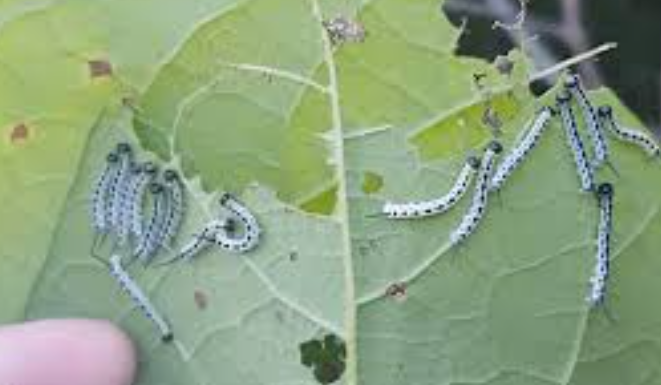
10. Sawfly Larvae
Sawfly larvae can resemble caterpillars, but they are actually related to wasps.
They can chew holes in leaves and, during severe infestations, may remove substantial amounts of foliage.
How to Control Sawflies
Inspect the undersides of leaves and young shoots. Small infestations can often be removed by hand or washed from the plant.
Encourage natural predators and avoid unnecessary pesticide use. If chemical control is necessary, select a product labeled specifically for sawfly larvae and the host plant.
Also Read: Common Huckleberry Diseases and How to Fix Them
11. Birds: A Different Kind of Huckleberry Pest
Technically, birds are not pests in the usual insect-control sense, but anyone growing huckleberries for fruit quickly discovers that birds may compete for the crop.
A mature berry can disappear almost as quickly as it ripens.
How to Protect Huckleberries From Birds
The most reliable solution for a small garden planting is bird netting. Install it before the fruit becomes fully ripe and secure the edges so birds cannot easily enter underneath.
You can also harvest ripe berries regularly rather than leaving them on the shrub for extended periods.
Remember that birds are an important part of the ecosystem. The goal is to protect your harvest without unnecessarily harming wildlife.
How to Tell Whether Your Huckleberry Has a Pest Problem
Not every damaged leaf indicates an insect infestation.
Before treating the plant, examine it carefully.
Look at:
- The undersides of leaves
- Young shoots
- Flower clusters
- Developing berries
- Stems and branch junctions
- The soil around the plant
- Fallen leaves and fruit
Look for insects, webbing, sticky honeydew, chewing marks, stippling, distorted growth, or insects hiding beneath foliage.
A magnifying glass can be extremely useful. Many pests, especially mites and thrips, are difficult to see with the naked eye.
The Importance of Healthy Growing Conditions
A stressed huckleberry is generally more difficult to manage than a vigorous one.
Start with the basics. Most huckleberries prefer conditions that resemble their native habitats, including appropriate acidic soil, adequate moisture, good drainage, and suitable light.
Do not automatically fertilize a plant simply because it looks weak. Excess fertilizer can damage roots or produce soft, overly vigorous growth that creates additional problems.
Likewise, avoid keeping the soil permanently saturated. Poor drainage can weaken roots and create symptoms that are easily mistaken for insect damage.
Natural Pest Control for Huckleberries
An experienced gardener’s first line of defense is often observation rather than chemicals.
Encourage beneficial insects by planting a diverse selection of flowers and native plants nearby. Lady beetles, lacewings, predatory bugs, spiders, and parasitic wasps can help control many insect pests.
Avoid spraying insecticides on a schedule when there is no pest problem. Routine pesticide use can disrupt beneficial insects and sometimes cause secondary pest outbreaks.
Instead, monitor first, identify second, and treat only when necessary.
Good Garden Hygiene Makes a Difference
Sanitation is particularly useful for pests associated with fruit.
Remove fallen or rotten berries, particularly if they contain larvae or show obvious pest damage. Keep the area around container-grown plants reasonably clean and remove severely infested plant material.
When pruning, use clean tools and avoid moving suspicious plant material from one shrub to another.
If you have several huckleberries, inspect new plants before placing them near established shrubs. Introducing an infested plant is one of the easiest ways to spread pests throughout a collection.
When Should You Use Insecticides?
Insecticides should generally be considered a last resort rather than the first response.
A few aphids, caterpillars, or leaf-chewing insects rarely justify spraying an entire huckleberry bush. Healthy plants can tolerate a surprising amount of minor feeding.
If treatment becomes necessary, first identify the pest. Then select a product whose label specifically permits its use on the plant and targets the pest in question.
Always follow the label’s directions concerning application, protective equipment, environmental precautions, and harvest intervals. Never use a product on edible fruit unless its label permits that use.
Common Mistakes When Controlling Huckleberry Pests
Spraying Without Identifying the Pest
Different pests require different management approaches. Spraying a random insecticide can waste money and harm beneficial organisms.
Treating Every Insect as Harmful
Not every insect found on a huckleberry is damaging the plant. Some may be predators feeding on pests.
Overwatering
Excess moisture can weaken roots and create conditions favorable to other plant-health problems.
Ignoring the Undersides of Leaves
Many sap-feeding pests spend much of their time underneath leaves. Inspect both sides.
Waiting Until Harvest
If fruit-infesting pests are a recurring problem, begin monitoring before berries ripen rather than after the crop has already been damaged.
A Simple Huckleberry Pest-Control Routine
For most home gardeners, a straightforward routine works well:
Once a week: Inspect leaves, stems, flowers, and berries.
During dry weather: Check soil moisture and watch carefully for spider mites.
During flowering and fruit development: Look for thrips, fruit-infesting insects, and other pests.
As berries ripen: Harvest regularly and remove damaged or fallen fruit.
After pest damage: Identify the pest before deciding whether treatment is necessary.
This simple approach can prevent minor pest problems from becoming major infestations.
Final Thoughts
Huckleberry pests are manageable when you approach them with patience and good observation. Aphids, scale insects, spider mites, caterpillars, fruit-infesting flies, and other pests can occasionally cause problems, but healthy plants rarely need constant chemical treatment.
The best strategy is to create favorable growing conditions, inspect plants regularly, protect ripening fruit when necessary, and encourage natural predators. When a pest does become troublesome, identify it before choosing a control method.
Most importantly, remember that huckleberries are native plants in many parts of North America and are valuable to wildlife. A few insects or nibbled leaves do not necessarily mean something has gone wrong. A healthy garden is not an insect-free garden—it is an ecosystem where pest populations remain at manageable levels.
References
- Oregon State University Extension Service — Resources on huckleberries, native plants, insects, and integrated pest management. Oregon State University Extension Service
- Washington State University Extension — Integrated Pest Management — Guidance on monitoring pests and using cultural, biological, and other control methods. Washington State University Extension
- University of California Integrated Pest Management Program — Detailed information on identifying and managing common garden insects, mites, and fruit pests. UC Integrated Pest Management
- USDA Forest Service — Fire Effects Information System — Ecological and botanical information on western huckleberry species and their native habitats. USDA Forest Service — Fire Effects Information System