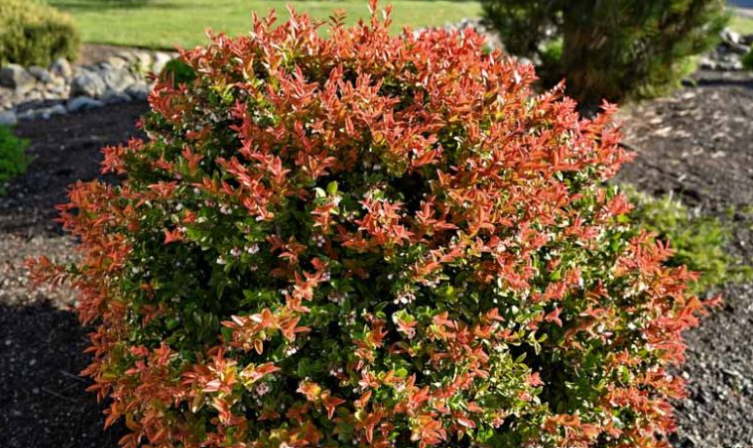
Huckleberries are popular native berry-producing shrubs known for their flavorful fruit, attractive foliage, and value to wildlife. But if you are planning to grow one in your garden, an important question comes first: What hardiness zone is suitable for huckleberries?
The answer is more complicated than it may appear. “Huckleberry” is a common name used for numerous species in the Vaccinium genus, and different species tolerate different winter temperatures. Mountain huckleberry, red huckleberry, evergreen huckleberry, and other species can have noticeably different hardiness ranges.
For that reason, gardeners should identify the particular huckleberry species before choosing a planting location. The chart below provides a practical overview of several commonly discussed huckleberries and their approximate USDA hardiness zones.
Huckleberry Hardiness Zone Chart
| Huckleberry species | Common name | Approximate USDA hardiness zone | Growth habit |
|---|---|---|---|
| Vaccinium membranaceum | Mountain/Big Huckleberry | Zone 5 and warmer | Deciduous |
| Vaccinium parvifolium | Red Huckleberry | Zone 5 and warmer | Deciduous |
| Vaccinium ovatum | Evergreen Huckleberry | Zone 7 and warmer | Evergreen |
| Vaccinium ovalifolium | Oval-leaf Huckleberry | Approximately Zones 5–8 | Deciduous |
| Vaccinium deliciosum | Cascade Huckleberry | Approximately Zones 5–8 | Deciduous |
| Vaccinium alaskense | Alaska Huckleberry | Approximately Zones 5–8 | Deciduous |
Important: Hardiness information can vary between sources, populations, cultivars, and local growing conditions. The zone ranges above should therefore be used as a planting guide rather than an absolute guarantee.
Oregon State University lists both mountain huckleberry (Vaccinium membranaceum) and red huckleberry (Vaccinium parvifolium) as hardy to USDA Zone 5. It lists evergreen huckleberry (Vaccinium ovatum) as hardy to Zone 7.
What USDA Hardiness Zone Is Best for Huckleberries?
There is no single “best” USDA hardiness zone for all huckleberries. Many of the western North American species are naturally adapted to relatively cool climates, while evergreen species from coastal regions are better suited to milder winters.
If you are growing mountain huckleberry, USDA Zone 5 or colder may be possible depending on the particular plant and local conditions, while Zone 5 and warmer provides a useful starting point for gardeners.
Red huckleberry is also listed by Oregon State University as hardy to Zone 5. The species naturally occurs from Alaska south toward central California and is particularly associated with Pacific coastal and mountain environments.
Evergreen huckleberry, by contrast, is more sensitive to severe cold. Oregon State University lists Vaccinium ovatum as hardy to USDA Zone 7, making it a better choice for milder climates.
Also Read: Different Types of Huckleberries
Huckleberries for USDA Zone 5
Gardeners in Zone 5 have several potentially suitable huckleberry choices, particularly among deciduous western species.
Mountain huckleberry is one of the best-known examples. Oregon State University describes Vaccinium membranaceum as a deciduous shrub and lists it as hardy to Zone 5.
Red huckleberry is another Zone 5 option. It is a deciduous shrub with bright red fruit and is naturally adapted to cool, moist forest environments.
However, hardiness zone is only one part of successful cultivation. A Zone 5 huckleberry growing in a sheltered, acidic, organic-rich location may perform differently from the same species planted in an exposed, dry site.
Huckleberries for USDA Zone 6
USDA Zone 6 can provide favorable winter temperatures for several deciduous huckleberry species.
Red huckleberry, mountain huckleberry, and other cool-climate Vaccinium species may perform well when their other requirements are met.
Natural Resources Canada’s plant-hardiness database provides additional evidence of the broad climatic range of red huckleberry. Its observations span Canadian zones from 2a through 9a, although the distribution of observations does not mean that every population is equally suited to every one of those zones.
This is a useful reminder that native species can sometimes tolerate a broader range of conditions than a simple nursery hardiness label suggests.
Huckleberries for USDA Zone 7
Zone 7 is particularly interesting for huckleberry gardeners because it can accommodate both some cold-hardy deciduous species and evergreen huckleberry.
Evergreen huckleberry (Vaccinium ovatum) is listed by Oregon State University as hardy to Zone 7. It is an evergreen shrub that can grow approximately 3–5 feet tall, sometimes reaching greater heights, and produces edible dark blue-black fruit.
The USDA Forest Service describes evergreen huckleberry as a Pacific Coast species occurring from British Columbia to central California. It is found in coastal forests, woodland openings, and other habitats and can tolerate both sun and shade.
Zone 7 gardeners therefore have several options, but local moisture and summer temperatures remain important.
Huckleberries for USDA Zone 8
USDA Zone 8 is suitable for many western huckleberries, particularly those adapted to Pacific coastal climates.
Evergreen huckleberry is especially well suited to this type of environment. Natural Resources Canada’s plant-hardiness data for Vaccinium ovatum includes observations across Canadian zones 4b through 9a and shows most of its USDA-zone observations concentrated in Zones 8 and 9.
However, this does not mean the plant requires Zone 8. Oregon State University gives Zone 7 as its hardiness limit. The difference demonstrates why gardeners should consider the source and the specific climate of their property rather than relying on a single number.
Huckleberries for USDA Zone 9
Zone 9 is generally better suited to evergreen and coastal huckleberries than to species requiring pronounced winter chill or cooler growing conditions.
Evergreen huckleberry is a particularly useful choice in mild climates. It is naturally distributed along the Pacific Coast and can tolerate both sun and shade.
One important consideration in warm climates is summer heat. A plant can technically survive the winter in Zone 9 while still struggling with intense summer heat, low humidity, or dry soil.
For this reason, gardeners in warm regions should focus on the complete climate rather than the minimum winter temperature alone.
Can Huckleberries Grow in Zone 4?
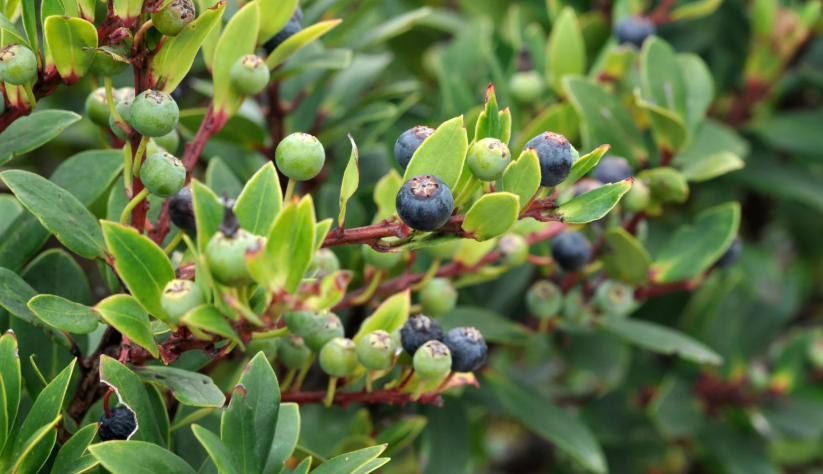
Some huckleberry species may occur in very cold regions, but Zone 4 requires careful species selection.
Natural Resources Canada’s distribution data for red huckleberry includes some observations associated with very cold zones, including Zone 2a. However, those observations represent the species’ broader ecological distribution and should not automatically be interpreted as a recommendation for growing nursery plants in every cold Zone 2 or Zone 3 garden.
For a home garden, it is safer to select a plant with documented hardiness for your particular region and, ideally, obtain locally adapted material.
Can Huckleberries Grow in Zone 10?
Some huckleberries can survive in Zone 10, particularly species adapted to mild Pacific coastal conditions. Evergreen huckleberry is a better candidate for warmer areas than mountain huckleberry.
However, heat tolerance is different from winter hardiness.
A plant adapted to cool, moist mountain forests may survive a Zone 10 winter but struggle with prolonged heat and dry soil during summer. In warm regions, providing appropriate shade, soil moisture, and acidic growing conditions can be more important than winter protection.
Why Hardiness Zone Isn’t the Whole Story
Many gardeners make the mistake of looking only at the lowest winter temperature. For huckleberries, soil and moisture are equally important.
Most huckleberries prefer acidic soil. The USDA Forest Service notes that Vaccinium species generally require acidic conditions and can grow on relatively infertile soils.
Red huckleberry, for example, commonly occurs in soils with acidic conditions and is associated with forest environments containing organic matter and humus.
A plant may therefore be hardy enough to survive your winter but still fail because the soil is alkaline, compacted, excessively dry, or poorly drained.
Best Soil for Huckleberries
A good huckleberry planting site should generally have:
- Acidic soil
- High organic matter
- Good drainage
- Consistent moisture
- Adequate air circulation
- Protection from extreme environmental stress
The USDA Forest Service reports that California huckleberry (Vaccinium ovatum) can grow in acidic soils with pH values around 4.3–5.2 and is commonly found in well-drained soils.
Rather than adding large amounts of fertilizer, focus on creating a healthy root environment. Huckleberries are adapted to relatively nutrient-poor forest soils and generally do not need the heavy feeding associated with some ornamental plants.
Do Huckleberries Need Full Sun?
Not necessarily.
Many huckleberries naturally grow as understory shrubs. The USDA Forest Service notes that huckleberries can be shade tolerant, although flowering, fruiting, and reproduction may increase in openings or after canopy disturbance.
Red huckleberry, for example, is described as tolerant of both sun and shade.
In a hot climate, partial shade can help protect the plant from excessive afternoon heat. In a cool climate, more sunlight may encourage better fruit production if adequate moisture is available.
How Cold Temperatures Affect Huckleberries
Huckleberries that are adapted to cold climates generally enter winter dormancy and can tolerate freezing temperatures.
The problem often occurs when extreme cold arrives after an unusually warm period or when young plants have not yet become well established.
Newly planted shrubs are more vulnerable than established plants. A thick organic mulch layer around the root zone can help moderate soil-temperature fluctuations, although mulch should not be piled directly against the stems.
Choosing the Right Huckleberry for Your Zone
The simplest approach is to match the species first and the hardiness zone second.
For colder gardens, mountain huckleberry and red huckleberry are worth investigating.
For milder coastal gardens, evergreen huckleberry may be a better option.
If you are unsure which species grows naturally in your area, look at native plant lists from your state or province and check local extension resources. A locally adapted species is often a better choice than attempting to force a huckleberry from a very different climate into an unsuitable garden.
Also Read: Berries That Look Like Huckleberries
Huckleberry Hardiness Zone by Species
Here is a quick summary:
Mountain Huckleberry — Vaccinium membranaceum
Hardiness: Zone 5 and warmer according to Oregon State University.
This deciduous species is native across a broad area of western and central North America. It is particularly associated with mountain forests and can tolerate cold winters.
Red Huckleberry — Vaccinium parvifolium
Hardiness: Zone 5 and warmer according to Oregon State University.
Red huckleberry is particularly associated with moist forests and Pacific coastal environments. Its bright red berries make it one of the easiest huckleberries to recognize when fruit is present.
Evergreen Huckleberry — Vaccinium ovatum
Hardiness: Zone 7 and warmer according to Oregon State University.
This evergreen species is best suited to relatively mild climates. It is native along the Pacific Coast and can tolerate sun or shade when growing conditions are appropriate.
Frequently Asked Questions
What is the lowest USDA zone for huckleberries?
There is no single lowest zone for all huckleberries. Different species have different levels of cold tolerance. Some documented populations occur in very cold climates, while commonly cultivated species may have narrower recommended ranges.
What is the best USDA zone for growing huckleberries?
For many western huckleberries, Zones 5–8 provide a useful starting range, although the ideal zone depends on the species. Evergreen huckleberry is generally better suited to Zones 7 and warmer.
Can huckleberries grow in Zone 5?
Yes. Mountain huckleberry and red huckleberry are both listed as hardy to USDA Zone 5 by Oregon State University.
Can huckleberries grow in Zone 8?
Yes. Several huckleberry species can grow in Zone 8. Evergreen huckleberry is particularly well suited to mild Pacific coastal conditions.
Do huckleberries need acidic soil?
Generally, yes. Huckleberries are members of the heath family and are adapted to acidic forest soils. Soil testing is useful before planting.
Final Thoughts
The huckleberry hardiness zone depends on the species, so there is no universal USDA zone that applies to every huckleberry. Mountain huckleberry and red huckleberry are commonly listed as hardy to Zone 5, while evergreen huckleberry is generally listed as hardy to Zone 7.
However, hardiness is only one piece of the puzzle. Huckleberries also need suitable acidic soil, appropriate moisture, good drainage, and a climate that matches their natural habitat. In many cases, choosing a locally adapted species will produce better results than simply selecting a plant based on its USDA zone.
If you know your USDA hardiness zone, use it as the starting point—but identify the exact huckleberry species before buying or planting.
References
- Oregon State University — Landscape Plants: Species information and hardiness data for mountain, red, and evergreen huckleberries. Oregon State University Landscape Plants
- USDA Forest Service — Fire Effects Information System: Ecological information on Vaccinium species, including habitat, soils, climate, and distribution. USDA Forest Service FEIS
- Natural Resources Canada — Plant Hardiness Site: Distribution and climate data for species including red and evergreen huckleberry. Canada’s Plant Hardiness Site
- USDA Natural Resources Conservation Service — PLANTS Database: Authoritative plant distribution and botanical information for North American plant species. USDA NRCS PLANTS Database