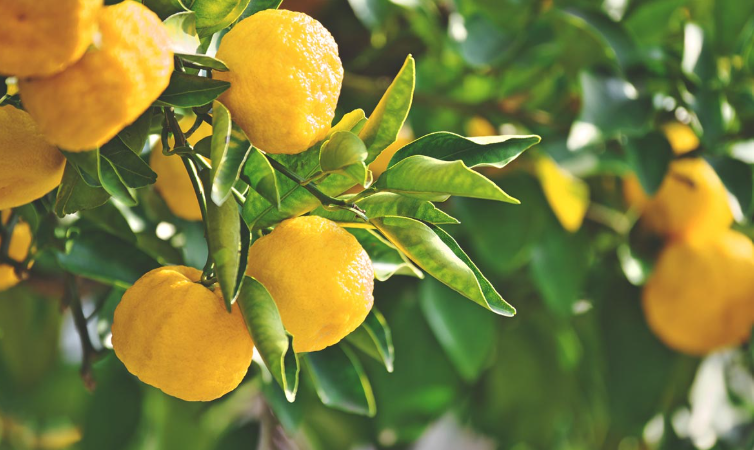
Citrus fruits are some of the most widely grown and recognizable fruits in the world. They are valued for their refreshing flavors, aromatic oils, colorful peels, and high culinary versatility. Oranges, lemons, limes, mandarins, and grapefruits are the most familiar examples, but the citrus group is much larger than the fruits commonly found in supermarkets.
Most cultivated citrus belongs to the genus Citrus and the family Rutaceae. However, citrus classification can become complicated because humans have cultivated and crossed citrus species for centuries. Many familiar fruits are hybrids rather than completely separate wild species. This is why different botanical references may classify the same citrus differently.
Citrus fruits also vary enormously in appearance and flavor. Some are tiny and oval, while others can weigh several pounds. Their peels may be green, yellow, orange, red, or even unusually thick and bumpy. The flesh can be extremely sour, pleasantly sweet, bitter, juicy, or almost dry depending on the species and cultivar.
Below is a broad list of citrus fruits and important citrus types, including common fruits, lesser-known varieties, hybrids, and unusual relatives. Because citrus taxonomy is complex, the list includes both botanically recognized citrus species and widely recognized cultivated types.
Common Citrus Fruits
- Sweet Orange (Citrus sinensis)
- Sour Orange (Citrus aurantium)
- Mandarin Orange (Citrus reticulata)
- Tangerine
- Clementine
- Satsuma
- Blood Orange
- Navel Orange
- Valencia Orange
- Cara Cara Orange
- Seville Orange
- Bergamot Orange
- Moro Blood Orange
- Tarocco Blood Orange
- Maltese Blood Orange
- Hamlin Orange
- Pineapple Orange
- Jaffa Orange
- Washington Navel
- Dancy Tangerine
- Honey Tangerine
- Fairchild Tangerine
- Kinnow
- Murcott
- Minneola Tangelo
Lemon Types
- Eureka Lemon
- Lisbon Lemon
- Meyer Lemon
- Ponderosa Lemon
- Pink Variegated Lemon
- Improved Meyer Lemon
- Bearss Lemon
- Rough Lemon
- Citron-Lemon
- Volkamer Lemon
Lime Types
- Key Lime
- Persian Lime
- Mexican Lime
- Tahiti Lime
- Kaffir Lime
- Finger Lime
- Australian Finger Lime
- Rangpur Lime
- Australian Desert Lime
- Australian Round Lime
- Australian Blood Lime
- Sweet Lime
- Palestine Sweet Lime
- Mandarin Lime
- Giant Key Lime
Grapefruit Types
- Grapefruit (Citrus × paradisi)
- Ruby Red Grapefruit
- Pink Grapefruit
- White Grapefruit
- Oroblanco
- Marsh Grapefruit
- Duncan Grapefruit
- Star Ruby Grapefruit
- Rio Red Grapefruit
- Flame Grapefruit
- Sweetie Grapefruit
Pummelo and Related Fruits
- Pomelo (Citrus maxima)
- Chandler Pomelo
- Thong Dee Pomelo
- Nam Roi Pomelo
- Oroblanco
- Melogold
- Banpeiyu Pomelo
- Honey Pomelo
- Pink Pomelo
- White Pomelo
- Shatian Pomelo
Citron Types
- Citron (Citrus medica)
- Etrog Citron
- Buddha’s Hand Citron
- Diamante Citron
- Corsican Citron
- Fingered Citron
- Florentine Citron
- Greek Citron
- Moroccan Citron
Kumquats
- Nagami Kumquat
- Meiwa Kumquat
- Marumi Kumquat
- Hong Kong Kumquat
- Calamondin
- Malayan Kumquat
- Jiangsu Kumquat
- Centennial Variegated Kumquat
Mandarin and Mandarin Hybrids
- Clementine
- Satsuma
- Kinnow
- Murcott
- Honey Mandarin
- Dancy Mandarin
- Ponkan
- Pixie Mandarin
- Page Mandarin
- Encore Mandarin
- Gold Nugget Mandarin
- Kishu Mandarin
- Shiranui
- Dekopon
- Fallglo
- Temple Orange
- Tango Mandarin
- Sunburst Mandarin
- Owari Satsuma
- Okinawa Satsuma
- Silverhill Satsuma
Tangelo Types
- Minneola Tangelo
- Orlando Tangelo
- Mapo Tangelo
- Seminole Tangelo
- Nova Tangelo
- Wekiwa Tangelo
- Ugly Fruit
- Jamaican Tangelo
Citranges and Citrange Hybrids
- Carrizo Citrange
- Troyer Citrange
- Rusk Citrange
- Citrange
- C-35 Citrange
Citrons and Unusual Citrus
- Ichang Lemon
- Yuzu
- Sudachi
- Kabosu
- Yuko
- Shangjuan
- Miyagawa
- Shunkokan
- Kawachi Bankan
- Sanbokan
- Ougonkan
- Hassaku
- Natsumikan
- Amanatsu
- Kabosu
- Sudachi
- Daidai
Australian Citrus
- Australian Finger Lime
- Australian Desert Lime
- Australian Round Lime
- Australian Blood Lime
- Australian Lime
- Australian Native Kumquat
- Doja Lime
- Citrus australasica
- Citrus glauca
- Citrus garrawayi
Japanese Citrus
- Yuzu
- Sudachi
- Kabosu
- Daidai
- Shikuwasa
- Hebesu
- Kabosu
- Unshu Mikan
- Natsumikan
- Amanatsu
- Hassaku
- Iyokan
- Dekopon
- Kiyomi
- Ponkan
- Kishu Mandarin
Specialty and Hybrid Citrus
- Calamondin
- Limequat
- Eustis Limequat
- Lakeland Limequat
- Tavares Limequat
- Orangequat
- Sunquat
- Citrumelo
- Citrandarin
- Citrangequat
- Faustrimedin
- Faustrime
- Lemonquat
- Mandarinquat
- Kumquat-Citron Hybrid
- Buddha’s Hand Hybrid
- Meyer Lemon
- Rangpur Lime
- Volkamer Lemon
- Chinotto
- Sweet Lemon
- Sweet Lime
- Limequat
- Pomelo-Grapefruit Hybrid
Bitter Citrus
- Chinotto
- Bitter Orange
- Seville Orange
- Trifoliate Orange
- Bitter Lemon
- Bitter Lime
- Daidai
- Bergamot Orange
Unusual Citrus Relatives
- Trifoliate Orange (Poncirus trifoliata)
- Flying Dragon Orange
- Japanese Bitter Orange
- Citrus hystrix
- Citrus ichangensis
- Citrus halimii
- Citrus macroptera
- Citrus cavaleriei
- Citrus indica
- Citrus latipes
- Citrus micrantha
- Citrus glauca
20 Particularly Interesting Citrus Fruits
If you want to explore the most unusual citrus rather than simply the most common varieties, these are especially interesting:
- Buddha’s Hand – A citron with finger-like segments and almost no conventional pulp.
- Finger Lime – Produces small bead-like juice vesicles often called citrus caviar.
- Yuzu – A highly aromatic Japanese citrus used extensively in sauces and beverages.
- Sudachi – A small, intensely fragrant Japanese citrus commonly used as a seasoning.
- Kabosu – A green Japanese citrus with a tart, aromatic flavor.
- Kaffir Lime – Known especially for its fragrant leaves and bumpy fruit.
- Calamondin – A small citrus commonly grown as an ornamental container plant.
- Rangpur Lime – Orange-colored fruit with a strongly acidic, lime-like flavor.
- Bergamot Orange – Best known for its fragrant peel, which is used to flavor Earl Grey tea.
- Kumquat – Unlike most citrus, the entire fruit, including the peel, can be eaten.
- Pomelo – One of the largest naturally occurring citrus fruits.
- Oroblanco – A sweet, low-acid hybrid of pomelo and grapefruit.
- Melogold – Another pomelo-grapefruit hybrid selected for sweet fruit.
- Minneola Tangelo – A mandarin-grapefruit hybrid with a distinctive neck near the stem.
- Shikuwasa – A small Okinawan citrus traditionally used in drinks and food.
- Chinotto – A small bitter orange used in flavoring and beverages.
- Australian Finger Lime – A highly unusual native Australian citrus with elongated fruit.
- Australian Desert Lime – A small, acidic native citrus adapted to dry conditions.
- Trifoliate Orange – A cold-hardy citrus relative often used as rootstock.
- Shiranui (Dekopon) – A large, sweet mandarin hybrid distinguished by its prominent neck.
How Many Citrus Fruits Are There?
There is no single universally accepted number because “citrus fruit” can refer to species, hybrids, cultivars, and commercial varieties.
The genus Citrus contains a relatively small number of fundamental species, but centuries of natural and intentional hybridization have produced hundreds of cultivated forms.
For example, the familiar orange, grapefruit, lemon, lime, mandarin, and many tangelos are not all straightforward independent species. Some have complex hybrid origins involving ancestral mandarins, pomelos, citrons, and other citrus relatives.
This is why a list of citrus fruits can contain hundreds of names depending on whether cultivars and hybrids are counted separately.
Main Citrus Groups
For practical purposes, most citrus fruits can be organized into several major groups:
- Oranges – sweet oranges, sour oranges, blood oranges, and numerous cultivars.
- Mandarins – mandarins, tangerines, satsumas, clementines, and related hybrids.
- Lemons – Eureka, Lisbon, Meyer, Ponderosa, and specialty types.
- Limes – Key, Persian, Mexican, Rangpur, finger lime, and Australian limes.
- Grapefruits – white, pink, red, and numerous commercial cultivars.
- Pomelos – large fruits with thick rinds and sweet or mildly acidic flesh.
- Citron – large, thick-rinded citrus used especially for its aromatic peel.
- Kumquats – small citrus generally eaten whole.
- Tangelos – hybrids involving mandarins and other citrus.
- Limequats – hybrids combining kumquat and lime characteristics.
- Citranges and citrumelos – specialized hybrids often important in citrus breeding and rootstock development.
- Australian native citrus – unusual species such as finger lime and desert lime.
Which Citrus Fruits Are Sweetest?
If sweetness is the priority, several citrus groups are particularly popular.
Navel oranges, Valencia oranges, Cara Cara oranges, mandarins, clementines, satsumas, Kishu mandarins, Oroblanco, and Melogold are generally appreciated for their sweet flavor.
However, sweetness varies with cultivar, growing conditions, harvest maturity, and the balance between sugars and acidity. A fruit with relatively high sugar can still taste tart if it also contains substantial acidity.
Which Citrus Fruits Are Most Sour?
For strongly acidic flavors, lemons, Key limes, Mexican limes, Persian limes, yuzu, sudachi, kabosu, and Rangpur lime are among the best-known choices.
Some are primarily eaten fresh, while others are more commonly used as culinary ingredients.
Yuzu, sudachi, and kabosu, for example, are valued as much for their fragrance and complex aroma as for their acidity.
Citrus Fruits With Unusual Appearance
Some citrus fruits look dramatically different from the familiar orange.
Buddha’s Hand has finger-like projections instead of a conventional rounded fruit. Finger lime produces elongated fruit filled with small, bead-like juice vesicles. Kaffir lime has heavily wrinkled skin, while pomelo can become much larger than an ordinary orange.
Trifoliate orange is also unusual because its leaves are divided into three leaflets and its small fruits are quite different from commercial sweet oranges.
This extraordinary range of shapes is one reason citrus is such an interesting group for gardeners, collectors, and fruit enthusiasts.