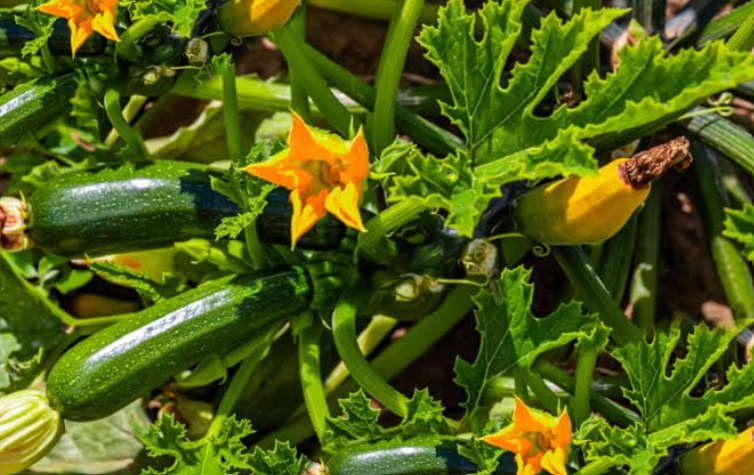
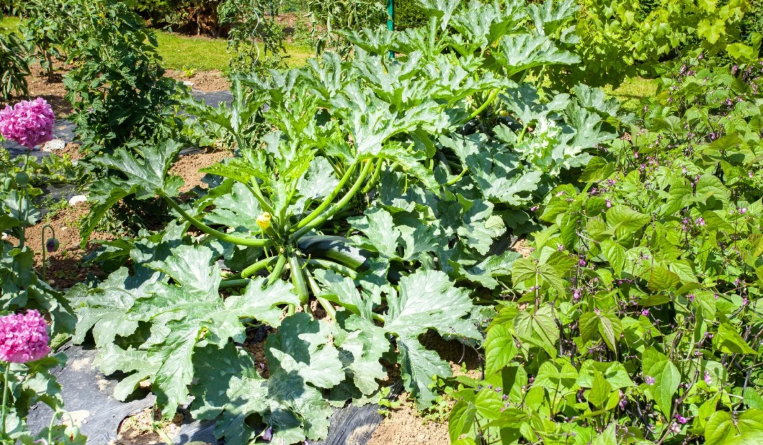
Zucchini is famous among home gardeners for its sheer productivity, with a single healthy plant capable of producing 6 to 10 pounds of fruit or more over the course of a season, often faster than a household can use it. Because zucchini grows so vigorously, sending out broad leaves and sprawling stems that can spread 3 to 4 feet in every direction, choosing the right neighbors matters more than it might for a smaller, slower crop. This is exactly where companion plants for zucchini come in, since the right combination of nearby plants can help repel pests, attract the pollinators zucchini depends on heavily, improve soil health, and make the most of available garden space.
Zucchini has fairly specific needs, generally requiring soil temperatures above 60°F to germinate well and at least 6 to 8 hours of direct sun each day to produce a strong yield. Because zucchini plants rely almost entirely on bees and other pollinating insects to set fruit, with poor pollination being one of the most common causes of fruit that starts to form and then rots on the vine, companions that draw in pollinators are especially valuable. Aromatic herbs are also frequently used, since compounds in their foliage are widely believed to interfere with the ability of pests such as squash bugs and cucumber beetles to locate host plants by scent.
Good companion planting around zucchini also plays a meaningful role in pest and disease management. Squash bugs and squash vine borers are two of the most damaging pests zucchini growers face, and certain companions such as nasturtiums and radishes are frequently used as trap crops to help reduce pest pressure by a noticeable margin. Nitrogen-fixing legumes, meanwhile, can boost soil nitrogen levels by a meaningful amount, supporting the fairly heavy feeding needs of a fast-growing zucchini plant throughout a productive season that can last 10 weeks or longer. The fifty companions described below span herbs, flowers, vegetables, and alliums, each bringing its own practical or ornamental benefit to a zucchini bed.
Also Read: Companion Plants For Peppers
Plants That Grow Well Together With Zucchini
Nasturtium
Nasturtiums are one of the most reliable trap crops for squash bugs and aphids, luring these pests toward their own leaves and away from tender zucchini growth. Their trailing habit and bright, edible flowers add color at the base of a sprawling zucchini plant. Because they thrive in poor soil, nasturtiums require very little additional care to perform well.
Radish
Radishes are frequently interplanted with zucchini specifically to deter squash bugs and cucumber beetles, which are thought to prefer radish foliage over zucchini leaves. Radishes mature quickly, often in as little as 3 to 4 weeks, making them a low-commitment companion planted around young zucchini seedlings. Their compact size means they don’t interfere with developing zucchini roots.
Marigolds
Marigolds are planted near zucchini largely for their root exudates, which have been shown in various studies to suppress harmful nematodes in the surrounding soil by a significant margin. Their bright orange and yellow flowers also attract pollinators, supporting the fruit set zucchini depends on so heavily. Marigolds are easy to grow from seed and typically bloom continuously from early summer through the first frost.
Dill
Dill attracts beneficial predatory insects such as ladybugs and lacewings, both of which help keep aphid populations under control near zucchini plants. Its feathery foliage adds a soft textural contrast to the broad, coarse leaves of a zucchini plant. Many gardeners also find that dill grown nearby supports better overall pollination once it flowers.
Beans
Bush beans fix nitrogen in the soil through bacteria in their root nodules, meaningfully benefiting the fairly heavy feeding needs of nearby zucchini plants. Their compact, bushy growth fits well into gaps between sprawling zucchini stems. Beans are typically spaced to avoid excessive shading of young zucchini plants.
Peas
Like beans, peas are nitrogen-fixing legumes that can improve soil fertility ahead of a zucchini crop. Because peas are a cool-season plant, they are usually grown and harvested earlier in spring, finishing before zucchini vines spread and require the bulk of the bed’s space. Their vining habit can be trained onto simple supports at the edge of a zucchini patch.
Corn
Corn’s tall, sturdy stalks add vertical structure to a bed otherwise dominated by low, sprawling zucchini foliage. The two crops occupy different vertical layers of the garden, making efficient use of space in a mixed vegetable bed. However, corn is a heavy feeder as well, so soil fertility should be monitored closely when the two are grown together.
Also Read: Companion Plants For Cucumbers
Sunflower
Sunflowers can provide a modest windbreak and visual anchor at the edge of a sprawling zucchini bed. Their large flower heads attract pollinators, which supports the heavy reliance zucchini has on insect pollination for fruit set. Adequate spacing helps prevent sunflowers’ extensive root systems from competing too heavily with zucchini roots.
Lettuce
Lettuce makes an efficient early-season companion for zucchini, since it can be harvested and cleared out before zucchini plants spread and shade the surrounding soil. Its shallow root system draws moisture and nutrients from a different soil layer than zucchini, minimizing competition. Lettuce also helps cover bare soil early in the season, reducing weed pressure around young zucchini transplants.
Spinach
Spinach is a cool-season crop that can share a bed with zucchini during the early part of the year, before zucchini plants mature and spread out. Its low, spreading rosettes help retain soil moisture and suppress early weeds. Spinach is typically finished and harvested well before zucchini reaches peak production.
Onions
Onions are commonly interplanted with zucchini, their pungent scent thought to help mask zucchini from pests that locate host plants by smell. Onions typically mature in around 100 to 120 days, allowing many varieties to be harvested before zucchini plants fully sprawl across the bed. Their upright form means they take up relatively little lateral space.
Garlic
Garlic’s sulfur compounds are widely believed to help repel aphids and squash bugs when grown near zucchini. It is typically planted in fall for a summer harvest, occupying the bed at a different point in the season than actively fruiting zucchini. Its narrow, upright growth allows it to be planted at the edges of a zucchini bed without crowding the plant.
Chives
Chives are grown near zucchini for their mild pest-repellent scent, thought to deter aphids and certain beetles. Their narrow, grass-like foliage takes up very little space, making them easy to tuck along the edge of a zucchini bed. As a perennial herb, chives can remain in place for several years with minimal upkeep.
Leeks
Leeks, like onions and garlic, are believed to help mask zucchini from pests that locate host plants by scent. Their tall, narrow form allows them to be planted in tight rows near zucchini without much competition for light. Leeks have a long growing season, often remaining in the ground well into the zucchini harvest period.
Basil
Basil’s strong scent is believed to help repel aphids and certain beetles when grown near zucchini. Its bushy, compact growth habit fits into gaps around a sprawling zucchini plant without competing much for light. Many gardeners also grow basil near zucchini simply for convenience in the kitchen.
Oregano
Oregano’s low, spreading growth habit makes it a useful living mulch at the edges of a zucchini bed, helping retain soil moisture. Its aromatic foliage is thought to help confuse pests that hunt by scent. As a hardy perennial in many climates, oregano can remain part of the same bed year after year.
Also Read: Companion Plants For Tomatoes
Thyme
Creeping thyme forms a low, fragrant mat that suppresses weeds and helps retain soil moisture around the base of zucchini plants. Its small flowers are highly attractive to pollinating bees, which is especially valuable since zucchini depends heavily on insect pollination. Because it stays close to the ground, thyme rarely competes with zucchini for sunlight.
Sage
Sage’s woody, aromatic foliage is thought to help deter certain beetles when grown near zucchini. It prefers similarly well-draining soil, making it broadly compatible with zucchini growing conditions. Sage also draws in pollinators when it blooms, supporting the wider garden ecosystem.
Mint
Mint’s strong scent is believed to help repel aphids and certain beetles, but it should be grown in a container even within a zucchini bed, since its roots spread aggressively and can quickly overtake nearby plants. When allowed to flower, mint attracts a wide range of pollinators. Careful containment is essential to using it successfully near zucchini.
Parsley
Parsley attracts a range of beneficial insects, including hoverflies and parasitic wasps, particularly once it’s allowed to flower in its second year. Its dense, ferny foliage helps shade the soil around the base of zucchini plants, reducing moisture loss. As a biennial, parsley may need occasional replanting to remain a consistent companion.
Cilantro
Cilantro draws in a variety of small beneficial insects when allowed to flower, helping manage common zucchini pests. It has a fairly short growing season, often bolting within 45 to 60 days in warm weather, so it tends to work best as an early or late-season companion. Its airy white flower clusters add a light textural contrast near zucchini.
Lemon Balm
Lemon balm’s citrus scent is thought to help mask zucchini from pests that rely on smell to locate host plants. It spreads readily, so many gardeners keep it contained or planted at a slight distance. Its small white flowers, when allowed to bloom, attract pollinators to the surrounding bed.
Petunia
Petunias are often interplanted with zucchini for their believed ability to deter certain beetles and aphids, along with a long season of colorful blooms. Their trailing, mounding habit fills bare soil around the edges of a zucchini plant, helping suppress weeds. They also attract pollinators, supporting fruit set on nearby zucchini flowers.
Zinnia
Zinnias bring strong color and are highly attractive to pollinators and beneficial insects such as ladybugs, which prey on aphids. Their upright, sturdy stems add structural variety without shading out zucchini. Zinnias are easy to start from seed and bloom reliably through the hottest part of summer.
Calendula
Calendula is planted near zucchini both for its cheerful blooms and its ability to attract predatory insects that help manage aphid and beetle populations. It can also act as something of a trap crop, drawing pests toward its own foliage. Calendula tolerates cooler temperatures well, extending color into the shoulder seasons of the zucchini growing period.
Cosmos
Cosmos adds height and airy, feathery foliage to a zucchini bed, along with daisy-like flowers that draw in pollinators and beneficial insects. Their tall, slender stems rarely compete significantly with zucchini for light. Once established, cosmos is quite drought-tolerant, needing little extra water.
Alyssum
Sweet alyssum forms a low, dense carpet of tiny, fragrant flowers that attract pollinators and beneficial insects such as hoverflies. Its shallow root system draws moisture and nutrients from a different soil layer than zucchini, minimizing competition. Alyssum’s spreading habit also helps shade the soil surface around the base of zucchini plants.
Borage
Borage attracts pollinators and predatory insects such as parasitic wasps that help control common zucchini pests. Its star-shaped blue flowers are edible and add ornamental value to a vegetable bed. Borage often self-seeds readily, meaning it may return on its own in following seasons.
Bee Balm
Bee balm’s tubular flowers are a strong draw for bees and hummingbirds, which can meaningfully improve pollination rates for zucchini flowers, since zucchini relies almost entirely on insect pollination to set fruit. Its aromatic foliage may also help deter some pests. Bee balm prefers slightly more consistent moisture than zucchini, so it works best at the moister edges of a bed.
Sweet William
Sweet William offers fragrant, colorful blooms that attract pollinators to a zucchini bed. As a biennial, it typically flowers in its second year, providing a different bloom cycle than many annual companions. Its compact size allows it to be planted along the front of a zucchini row without shading the plants.
Daisies
Shasta daisies and similar daisy-type flowers attract a wide range of pollinators and beneficial insects to a zucchini bed, supporting improved fruit set overall. Their simple white and yellow blooms contrast nicely with the broad green leaves of zucchini. Most daisies tolerate the same well-draining soil conditions zucchini prefers.
Verbena
Verbena’s clusters of small, colorful flowers form a low, spreading groundcover at the edges of a sprawling zucchini plant, helping fill bare soil and suppress weeds. It blooms nearly continuously through the warm season and is highly attractive to pollinators. Its trailing habit is useful along bed edges or between zucchini rows.
Geraniums
Geraniums, especially scented varieties, are sometimes grown near zucchini for their believed ability to deter certain beetles. Their compact, mounding form fits easily along the edges of a zucchini bed. Their long bloom season provides steady color through much of the growing period.
Yarrow
Yarrow’s flat clusters of small flowers attract ladybugs, lacewings, and other beneficial insects that help control aphid populations near zucchini. Its fine, ferny foliage is quite drought-tolerant, requiring little supplemental water once established. Yarrow also contributes organic matter to the soil as its leaves break down over time.
Chamomile
Chamomile’s small white and yellow flowers attract hoverflies and other beneficial insects that help control aphid populations around zucchini. It is also thought to contribute beneficial compounds to the soil as its foliage decomposes. Chamomile’s low, mounding habit keeps it from competing significantly with zucchini for light.
Amaranth
Amaranth is sometimes used as a trap crop near zucchini, drawing certain pests toward its foliage instead of the vegetable crop. Its tall, colorful seed heads add ornamental interest to a zucchini bed. Amaranth is drought-tolerant and undemanding, requiring little special care.
Also Read: Exotic Vegetables You Need To Know
Lovage
Lovage is a tall, celery-like herb sometimes planted near zucchini for its believed ability to attract beneficial insects when in flower. Its substantial mature size, often reaching 3 to 4 feet, means it’s best placed toward the back or edge of a zucchini bed. As a hardy perennial, lovage can remain in place for years once established.
Tansy
Tansy’s button-like yellow flowers are thought to help repel certain beetles and ants when grown near zucchini. It can spread aggressively, so it is often planted with a root barrier or kept at the margins of a bed. Tansy is quite hardy and tolerates a range of soil conditions.
Horehound
Horehound is sometimes planted near zucchini for its believed ability to attract beneficial insects and support the general health of nearby plants. Its fuzzy, gray-green foliage provides a textural contrast to broad zucchini leaves. It is drought-tolerant and undemanding, requiring little supplemental care.
Marjoram
Marjoram, closely related to oregano, offers a similarly low, spreading growth habit that works well as groundcover around zucchini plants. Its aromatic foliage is thought to help confuse pests that rely on scent to locate host plants. In mild climates, marjoram can persist as a perennial in the same bed across multiple seasons.
Carrots
Carrots grow well near the base of zucchini plants since their root systems occupy a different soil depth, allowing efficient use of space. The loose, well-draining soil carrots prefer is broadly compatible with zucchini growing conditions. Carrots also benefit from the light shade cast by broad zucchini leaves during the hottest part of summer.
Beets
Beets share similar soil preferences with zucchini, favoring loose, fertile, well-draining ground. Their relatively shallow root systems allow them to be planted near zucchini without major competition for deeper soil resources. Beet greens also help cover bare soil, reducing moisture loss and weed pressure.
Celery
Celery’s dense, upright growth pairs reasonably well with zucchini in terms of spacing, and both prefer consistently moist soil. Its presence is thought to help deter certain pests that occasionally stray into a zucchini bed. Celery’s ribbed stalks also add textural variety to a mixed vegetable planting.
Cucumbers
Cucumbers and zucchini share similar warm-season requirements, including full sun and consistently moist, fertile soil, making them common companions in mixed vegetable beds. Both benefit from good airflow, since each is somewhat prone to fungal disease in humid conditions. Spacing should be generous, since both cucumber and zucchini vines can spread significantly if left unchecked.
Peppers
Peppers and zucchini share a preference for warm soil and consistent moisture, making them reasonably compatible bed mates in a summer vegetable garden. Growing them together can simplify fertilization and watering schedules, since both have moderate to heavy feeding needs. Adequate spacing is important, since sprawling zucchini plants can shade out shorter pepper plants if not managed carefully.
Tomatoes
Tomatoes and zucchini are frequently grown together, both being warm-season crops with similar sun and soil needs. Both plants require generous spacing, with mature zucchini often needing 2 to 3 feet of clearance in every direction. Rotating the location of both crops each year helps reduce the buildup of shared soilborne diseases.
Eggplant
Eggplant shares a preference for warm soil and full sun with zucchini, making the two reasonably compatible in a mixed summer bed. Its upright form adds visual variety alongside the low, sprawling habit of zucchini. As with other warm-season crops, rotating bed locations each year helps reduce the buildup of shared soilborne diseases.
Okra
Okra thrives in the same hot, sunny conditions that suit zucchini well, often tolerating heat that causes other vegetables to struggle. Its tall, upright form can provide a bit of afternoon shade for zucchini during the most intense heat of midsummer. Both crops tend to produce steadily over a long harvest window once established.
Also Read: Vegetables That Grow Well in Containers
Asparagus
Asparagus is sometimes planted at the edge of a zucchini bed, since it occupies a fixed, permanent spot rather than being intermixed directly with a sprawling zucchini plant. Because asparagus is harvested in spring before zucchini is typically planted, the two crops rarely compete for space or attention at the same time. This pairing works especially well in permanent raised bed systems.
Horseradish
Horseradish is sometimes planted at the corners of a zucchini bed for its reputed ability to help protect nearby plants from certain fungal issues and pests, thanks to compounds in its roots and leaves. Because it spreads via deep, persistent roots, it is generally kept in a contained area rather than planted directly among zucchini. Once established, horseradish requires very little ongoing maintenance and can remain productive for many years.