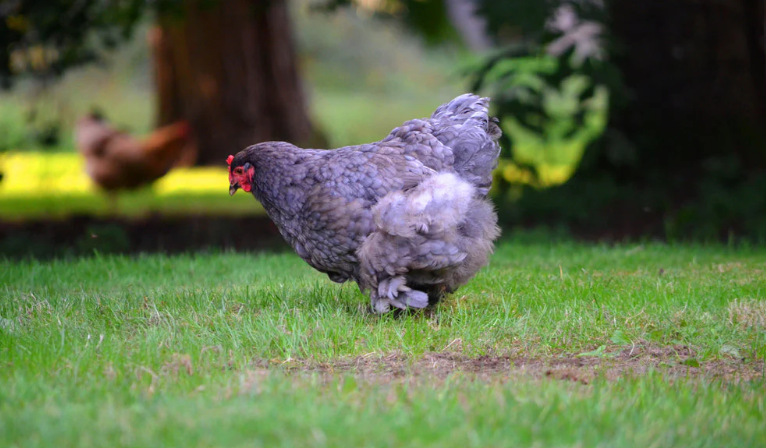
Fluffy chicken breeds owe their soft, rounded, cloud-like appearance to a combination of genetic traits that affect feather structure, most notably an increased density of downy plumes beneath the outer feathers and, in certain breeds, a structural mutation that prevents the tiny barbules of each feather from properly hooking together, producing the characteristically loose, hair-like texture seen in breeds such as the Silkie. An average chicken carries somewhere in the range of eight to nine thousand individual feathers, and in especially heavily feathered breeds this density runs noticeably higher still, providing substantially greater insulation, which helps explain why many of the fluffiest breeds also tend to tolerate cold climates unusually well, while sometimes struggling more in hot, humid conditions where their dense plumage traps excess body heat against the skin.
Many of today’s most popular fluffy breeds carry long, well-documented histories behind their distinctive plumage. The Silkie is frequently cited as one of the oldest recorded chicken breeds, with descriptions matching its unusual furry appearance appearing in travel writings attributed to Marco Polo as early as the thirteenth century, while heavily feathered breeds such as the Cochin were introduced to Europe and North America from China in the mid-nineteenth century, sparking a wave of poultry-keeping enthusiasm historians have sometimes nicknamed “hen fever.” Because so much of these breeds’ energy investment goes toward producing dense plumage rather than maximizing egg output, fluffy ornamental breeds typically lay noticeably fewer eggs annually than high-production layer breeds; a Silkie hen, for example, generally produces roughly one hundred to one hundred twenty small eggs per year, compared to the two hundred fifty to three hundred eggs a commercial production breed such as a White Leghorn can lay across that same period.
Beyond their ornamental appeal, fluffy breeds are prized by backyard keepers for their generally calm, docile temperaments, a trait that has made breeds like the Cochin and Orpington especially popular choices for families and for keepers seeking reliably broody hens willing to patiently incubate and raise chicks, including those of other breeds or even other species such as ducks. Their dense plumage, however, does require some additional care, since heavily feathered feet and body feathers can trap mud, moisture, and parasites more readily than the sleeker plumage of standard breeds, making regular cleanliness checks and dry, well-maintained coop bedding especially important for keeping these birds healthy year-round. The thirty breeds described below represent some of the most popular and distinctive fluffy chickens kept by hobbyists, exhibitors, and backyard flock owners around the world.
Types of Fluffy Chicken Breeds
Silkie
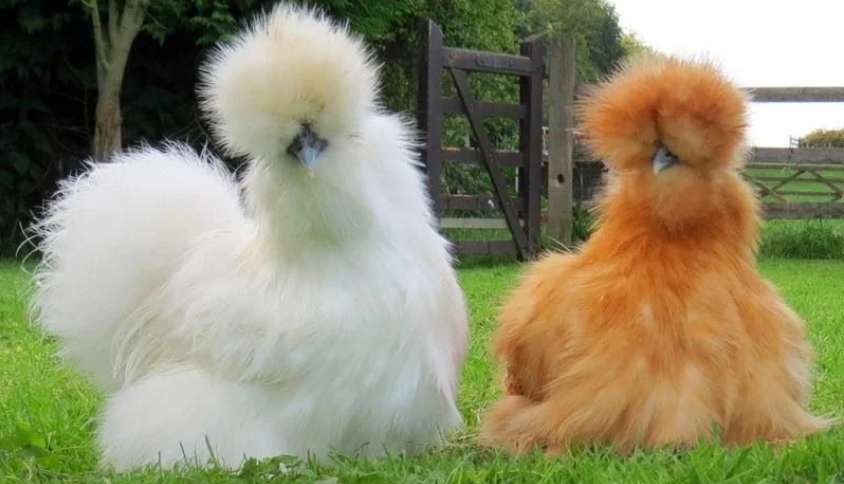
The Silkie is instantly recognizable for its uniquely soft, fur-like plumage, a texture caused by a genetic mutation that prevents feather barbules from hooking together in the way they normally would in other breeds, giving the entire bird a fluffy, almost mammalian appearance from head to tail. Beyond its unusual feathering, the Silkie is further distinguished by dark blue-black skin and bones, a trait that surprises many new owners the first time they see it, along with five toes per foot rather than the usual four found in most chicken breeds. Silkies are famous for an especially gentle, calm, and broody temperament, making them a favorite choice for families, for keepers with children, and for anyone hoping to have a reliable hen willing to patiently sit on and hatch eggs, including those of entirely different breeds or species.
Cochin
The Cochin is a large, heavily feathered breed originating in China, known for its enormous, rounded, almost pom-pom-like body shape created by exceptionally dense plumage that extends all the way down its legs and feet, entirely obscuring the shape of its toes beneath a thick covering of feathers. Roosters can weigh up to roughly eleven pounds, and hens are similarly substantial, yet despite their imposing size, Cochins are widely known for a remarkably calm, gentle, and unhurried temperament that has made them a long-standing favorite among backyard keepers, exhibitors, and families alike. The breed’s arrival in Europe and North America during the mid-nineteenth century helped ignite widespread public fascination with exotic poultry breeds, a phenomenon historians often refer to as “hen fever.”
Orpington
The Orpington is a broad, soft-feathered breed developed in England during the late nineteenth century by poultry breeder William Cook, prized for its plush, generously covered body that gives it a notably rounded, fluffy silhouette, particularly striking in the widely popular buff color variety that remains the breed’s most recognizable form today. Orpingtons are known for friendly, docile behavior that makes them easy to handle even for inexperienced keepers, alongside reasonably good egg production for a breed that leans heavily toward ornamental and companionable qualities rather than pure commercial output. Their dense, insulating plumage also makes them well suited to colder climates, and they remain one of the most popular dual-purpose fluffy breeds kept in backyard flocks around the world today.
Brahma
The Brahma is a large, imposing breed with dense feathering that extends down its legs into fully feathered feet, giving it a powerful yet noticeably fluffy appearance despite its considerable overall size, with roosters sometimes standing a foot or more in height and commanding an unmistakable physical presence in the coop. Often nicknamed the “King of Chickens” for its impressive stature, the Brahma is known for a calm, gentle temperament that belies its imposing size, alongside strong cold-weather hardiness thanks to its thick, well-insulated plumage covering nearly every part of its body. The breed rose to particular prominence in the United States during the nineteenth century, where its large size and hardy constitution made it a valued addition to many farmyard flocks.
Polish
The Polish chicken is known primarily for its dramatic, fluffy crest of feathers atop its head, a distinctive pom-pom of plumage that can grow so large in some individuals that it partially obstructs their vision, occasionally requiring careful trimming or the use of small hair clips to keep the bird’s sightline clear. Bred largely for exhibition and ornamental value rather than production, Polish chickens come in a wide range of crest and body colors, from solid white to elaborately laced patterns, and are popular among poultry fanciers specifically for this striking, eye-catching head plumage rather than for any particular practical farmyard purpose. Their somewhat reduced visibility due to the crest also means they can be more easily startled than other breeds, so calm, predictable handling is generally recommended.
Sultan
The Sultan is an ornamental breed originating in Turkey, featuring a full fluffy crest, a soft beard, heavily feathered feet, and additional plumage tufts around the legs known as vulture hocks, combining together to give the bird an unusually elaborate, almost costume-like fluffy appearance unlike nearly any other chicken breed. Historically kept in the ornamental gardens of the Ottoman sultans purely for decorative beauty rather than any practical farmyard purpose, the breed carries a name that reflects this luxurious historical association and its long-standing reputation as a purely aesthetic addition to elite poultry collections. The breed remains genuinely rare today, kept almost exclusively by dedicated exhibition breeders and heritage poultry enthusiasts committed to preserving its unusual and highly ornamental appearance.
Faverolles
The Faverolles is a French breed easily recognized by its fluffy beard and muffled cheek feathers, which give the bird’s face a notably soft, rounded appearance, combined with feathered feet and generally full body plumage that adds to its overall gentle, huggable silhouette. Originally developed as a practical dual-purpose farm breed near the French village of Faverolles from which it takes its name, the breed was historically valued for both its meat quality and its reasonably steady egg production, qualities that made it a popular choice among French farmers during the nineteenth century. Today the Faverolles is valued as much for its gentle, sociable temperament and distinctive fluffy-faced look as for any remaining practical farmyard use.
Frizzle
Frizzle refers to a feather mutation rather than a single distinct breed, in which each individual feather curls outward and backward instead of lying flat against the body, producing a wild, windswept, exceptionally fluffy overall appearance that can occur across numerous different chicken breeds carrying the underlying frizzling gene. Because frizzled feathers are structurally weaker and provide somewhat less effective insulation and waterproofing than normally structured feathers, frizzled birds generally require extra protection from cold and wet weather conditions to avoid becoming chilled or excessively soiled. The frizzle trait can be bred into almost any base breed, resulting in frizzled versions of Cochins, Polish, and numerous other breeds, each combining the frizzle’s dramatic curling texture with that base breed’s own particular body shape and coloring.
Pekin Bantam
The Pekin Bantam, sometimes simply called the Pekin, is a small, rounded bantam breed with abundant soft plumage extending all the way down to fully feathered feet, giving it a compact, almost ball-like fluffy appearance that has made it especially popular among keepers working with limited coop or yard space. Calm, friendly, and generally very well suited to families and small backyard flocks, Pekin Bantams are among the most widely kept ornamental bantam breeds worldwide, prized for combining a genuinely diminutive size with the same lovable, plush appearance found in their larger Cochin relatives. Hens make attentive, reliably broody mothers, and their gentle disposition makes the breed a common recommendation for children first learning to handle poultry.
Wyandotte
The Wyandotte is an American breed with a notably rounded, curvy body shape and generously full plumage that gives it a soft, plush appearance overall, particularly prized in its richly patterned laced color varieties, which display intricate dark outlining around each individual feather. While not as extremely feathered as breeds like the Cochin or Brahma, its dense, tightly packed feathering provides excellent cold-weather insulation, and the breed pairs this comfortable, fluffy appearance with genuinely solid, reliable egg production, making it a practical as well as an attractive choice for backyard flocks. Wyandottes were developed in the United States during the late nineteenth century and remain one of the most consistently popular dual-purpose breeds kept by hobbyist and small-scale farm keepers alike.
Plymouth Rock
The Plymouth Rock is a sturdy American dual-purpose breed with a moderately full, soft plumage and a calm, friendly disposition, most familiar to backyard keepers in its classic black-and-white barred color pattern, though several other color varieties exist as well. While less dramatically fluffy than purely ornamental breeds such as the Silkie or Cochin, its dense, well-insulated feathering and comfortably rounded body shape have made it a long-standing favorite for both reliable backyard egg production and general hardiness in colder North American climates. First developed in the nineteenth-century United States, the Plymouth Rock remains one of the most historically significant and widely recognized American chicken breeds.
Belgian d’Uccle
The Belgian d’Uccle is a small bantam breed featuring a fluffy beard, a soft crest-like tuft of feathers on the head, and heavily feathered feet, giving it an especially decorative, softly rounded overall appearance that has made it a long-standing favorite among ornamental poultry keepers. Known for a friendly, curious temperament and a genuinely wide range of striking color patterns, including the especially popular mille fleur variety, the breed is a favorite among fanciers seeking a compact, exceptionally fluffy bantam suitable for exhibition or simply as an endearing backyard companion. Developed in Belgium in the early twentieth century, the breed has since spread widely among poultry enthusiasts across Europe and North America.
Booted Bantam
The Booted Bantam, also known by its Dutch name Sabelpoot, is closely related to the Belgian d’Uccle and is distinguished by exceptionally long, fluffy feathers on its legs and feet, sometimes referred to as vulture hocks, that trail dramatically behind the bird as it walks and can appear almost like a flowing skirt around its lower body. Bred primarily for exhibition, the breed’s extravagant leg feathering represents one of the most exaggerated examples of feathered-foot fluffiness found anywhere in ornamental poultry, requiring careful coop management to keep the delicate feathering clean and free of mud or debris. The breed comes in numerous recognized color varieties, each showcasing the same signature dramatic leg plumage regardless of overall body coloring.
Houdan
The Houdan is a French breed featuring a full, rounded fluffy crest along with a soft beard and muffled facial feathering, giving it a distinctly soft-featured appearance in addition to its practical dual-purpose qualities as both a reliable layer and a valued table bird historically prized in French farmyards. Its unusual five-toed feet, a trait it shares with the Silkie and Sultan, add further to its distinctive and somewhat whimsical overall look, setting it apart visually from the vast majority of standard four-toed chicken breeds. Once common across French poultry yards, the Houdan today survives mainly through the dedicated efforts of heritage breed enthusiasts working to preserve its unusual combination of practical utility and ornamental charm.
Crevecoeur
The Crevecoeur is a rare French breed recognized by its full, fluffy crest and soft beard, giving its otherwise striking black plumage an added layer of soft, rounded texture around the head and face, and it is considered one of the oldest French chicken breeds still known to exist today. Once prized specifically for the quality of its meat in traditional French regional cuisine, particularly in Normandy where the breed originated, the Crevecoeur’s numbers declined substantially over the twentieth century as commercial poultry production shifted toward faster-growing, more standardized breeds. Today the Crevecoeur survives mainly through the committed efforts of heritage breed conservationists working to keep this historic and visually distinctive French breed from disappearing entirely.
Sizzle
The Sizzle is a modern hybrid breed created by crossing Silkies with Frizzles, combining the Silkie’s furry, hair-like plumage and distinctive dark blue-black skin with the Frizzle’s dramatically outward-curling feathers to produce an exceptionally soft, wild, and thoroughly whimsical fluffy appearance unlike almost any other chicken. Popular among hobbyist keepers specifically for its unusual, eye-catching, almost otherworldly look, the Sizzle inherits the generally calm, friendly, and easygoing temperament characteristic of both of its parent breeds, making it as pleasant to handle as it is visually striking. Because Sizzles are a relatively recent hybrid creation rather than an old established breed, they remain somewhat less standardized in appearance than more traditional fluffy breeds, with considerable individual variation from bird to bird.
Silkie Showgirl
The Silkie Showgirl is a Silkie variant that carries a naked-neck gene, producing a bird with a bare, featherless neck contrasted dramatically against an otherwise extremely fluffy body and a full, poofy head crest, creating a distinctive and somewhat comical silhouette that has made it a popular novelty among poultry enthusiasts. Bred primarily for exhibition and its unusual, attention-grabbing appearance, the Showgirl retains the gentle, docile temperament and characteristic furry plumage texture found elsewhere on its body, differing from a standard Silkie only in this single striking naked-neck feature. The breed’s unusual combination of bare skin and dense fluffy plumage makes it an easy and immediately recognizable variant for even casual poultry observers to identify.
Buff Orpington
The Buff Orpington is the most popular color variety of the Orpington breed, prized for its warm golden plumage combined with the breed’s characteristically plush, rounded, fluffy body shape that has made it one of the most recognizable and beloved chicken breeds among backyard keepers worldwide. Known for being especially friendly, calm, and easy to handle even by young children, the Buff Orpington remains one of the most commonly recommended fluffy breeds for first-time backyard chicken keepers and families looking for a gentle, reliable, and visually appealing addition to their flock. Its warm golden coloring and generously soft plumage have made it something of an unofficial mascot breed for the broader backyard poultry-keeping hobby.
Buff Brahma
The Buff Brahma is a golden-colored variety of the Brahma breed, combining the breed’s impressively large size and heavily feathered legs and feet with a warm buff plumage color that has made it one of the most popular and widely admired Brahma varieties among exhibitors and backyard keepers alike. Its dense, fluffy feathering provides excellent insulation against cold weather, making it especially well suited to colder climates where its thick plumage offers real practical protection alongside its considerable ornamental appeal. Buff Brahmas share the same calm, gentle temperament found throughout the broader Brahma breed, making their imposing size considerably less intimidating in practice than their impressive stature might initially suggest.
Light Brahma
The Light Brahma is a striking black-and-white variety of the Brahma breed, featuring the same heavily feathered legs and full, fluffy body plumage found throughout other Brahma varieties, set off dramatically by a pattern of black hackle and tail feathers contrasted against a predominantly white body. It remains one of the most widely recognized and frequently exhibited Brahma color varieties, valued by poultry show judges and casual keepers alike for the striking visual contrast created between its dark and light plumage areas. Like other Brahmas, the Light Brahma combines this dramatic appearance with a calm, easygoing temperament and strong tolerance for cold weather conditions.
Partridge Cochin
The Partridge Cochin is a richly patterned color variety of the Cochin breed, combining the breed’s signature enormous, rounded, fluffy body shape with a warm reddish-brown plumage finely marked with dark penciling, a pattern particularly striking and intricate when displayed on hens. Like other Cochin varieties, the Partridge Cochin is known for a calm, unhurried temperament and dense, insulating feathering well suited to cold weather, alongside the breed’s characteristic feathered feet and generally massive, cloud-like overall silhouette. The intricate penciled pattern of the Partridge variety makes it a particular favorite among exhibitors seeking to showcase both fine feather detail and the breed’s impressively fluffy overall body shape.
Frizzled Cochin
The Frizzled Cochin combines the Cochin breed’s already substantial, rounded plumage with the outward-curling frizzle feather mutation, producing an especially dramatic, wild, and voluminous fluffy appearance that stands out even among other already quite fluffy Cochin varieties. Because frizzled feathers offer somewhat reduced insulation and weather resistance compared to a Cochin’s normal, smoothly layered plumage, owners of Frizzled Cochins typically provide extra shelter and protection from wet or particularly cold conditions to keep the birds comfortable and healthy. The combination of the Cochin’s massive size with the frizzle’s chaotic, curling texture creates one of the most visually extreme fluffy chicken varieties commonly kept by hobbyist breeders.
Mille Fleur d’Uccle
The Mille Fleur d’Uccle is an especially popular color variety of the Belgian d’Uccle bantam, featuring a striking mahogany plumage covered in small white spangles across nearly every feather, a pattern whose French name translates to “a thousand flowers” in reference to this dense, spangled coloring. Combined with the breed’s characteristic fluffy beard and heavily feathered feet, this vivid, intricately patterned plumage makes the Mille Fleur d’Uccle one of the most visually admired ornamental bantam varieties kept anywhere in the world. Its combination of small size, dramatic coloring, and generously soft feathering makes it a particular favorite at poultry exhibitions and among hobbyists seeking a genuinely eye-catching addition to a backyard flock.
Salmon Faverolles
The Salmon Faverolles is the most popular color variety of the Faverolles breed, featuring warm salmon-toned body plumage on hens contrasted with darker, richer coloring on roosters, combined throughout with the breed’s signature fluffy beard, muffled cheeks, and feathered feet. Known for a particularly gentle and sociable temperament even among the generally friendly Faverolles breed as a whole, it remains a favorite among keepers specifically seeking a warm-colored, distinctly fluffy-faced bird that gets along well with children and other flock members alike. Its soft coloring and fluffy facial features combine to give the Salmon Faverolles a notably gentle, approachable appearance that matches its equally gentle temperament in practice.
Buff Laced Polish
The Buff Laced Polish is a striking color variety of the Polish breed, featuring golden buff plumage delicately outlined with white lacing along the edge of each individual feather, an intricate pattern set off beautifully by the breed’s dramatic, fluffy head crest sitting prominently atop the bird’s head. Bred primarily for exhibition purposes, it is prized among poultry fanciers for the combination of intricate, finely detailed feather patterning across the body and its characteristically poofy, attention-grabbing crested head, making it a frequent standout at poultry shows. The lacing pattern requires careful, selective breeding to maintain consistently across generations, adding to its appeal among dedicated exhibition breeders.
White Crested Black Polish
The White Crested Black Polish is one of the most visually dramatic Polish varieties, pairing glossy, iridescent black body plumage with a brilliant white fluffy crest that creates a striking, high-contrast appearance especially prized at poultry exhibitions and shows around the world. Like other Polish varieties, its oversized, prominent crest can sometimes partially obstruct the bird’s vision, so owners often trim the feathering carefully around the eyes or closely monitor the bird for any resulting difficulty navigating its surroundings safely. The dramatic visual contrast between its dark body and bright white crest makes this variety one of the most immediately recognizable and frequently photographed among all Polish color varieties.
Cochin Bantam
The Cochin Bantam is a miniature version of the standard Cochin, retaining the same enormously fluffy, rounded body shape and fully feathered feet in a much smaller, considerably more manageable size that is well suited to keepers working with limited coop or garden space. Popular for its calm, gentle temperament and considerable ornamental charm, the Cochin Bantam is widely kept both for formal exhibition purposes and simply as an especially soft, cuddly backyard pet enjoyed by families and individual hobbyists alike. Despite its reduced size compared to the standard Cochin, it retains all of the breed’s characteristic fluffiness in a delightfully compact and approachable package.
Silkie Bearded
The Bearded Silkie is a variety of the standard Silkie distinguished by an additional tuft of fluffy feathers beneath the beak, giving the bird an even fuller, softer facial appearance in addition to its already characteristic furry, hair-like body plumage found throughout the entire Silkie breed. Otherwise sharing all the defining traits of the standard Silkie, including its famously gentle temperament, dark blue-black skin, and strong tendency toward broodiness, the bearded variety is especially popular among exhibitors and hobbyist breeders seeking an even softer, fuller-faced version of this already beloved breed. The added beard tuft is considered by many fanciers to further enhance the breed’s already considerable charm and appeal.
Appenzeller Spitzhauben
The Appenzeller Spitzhauben is a Swiss breed known for its distinctive upright, forward-pointing feathered crest, resembling the shape of a traditional Swiss bonnet from which the breed takes its name, adding a notably fluffy, decorative element atop an otherwise sleek and athletic overall body shape. Hardy and well adapted to the mountainous, cold climate conditions of its native Switzerland, the breed is kept primarily for its striking, unusual ornamental appearance and lively, alert temperament rather than for any significant meat or egg production purpose. Its distinctive crest shape sets it visually apart from the more rounded, pom-pom style crests seen in breeds such as the Polish, giving it a uniquely recognizable silhouette among crested chicken breeds.
Chabo
The Chabo, also known as the Japanese Bantam, is a small ornamental breed with very short legs and a proudly carried, notably full and fluffy tail that often stands taller than the bird’s own head, combined with generously soft body plumage covering the rest of its compact frame. Long valued in Japan for its distinctive, almost comically dramatic silhouette and generally gentle disposition, the Chabo remains a popular ornamental bantam breed among poultry fanciers internationally, prized both for exhibition purposes and simply as an unusual, endearing addition to a backyard flock. Its combination of a low-slung body, dramatically upright tail, and soft plumage makes it one of the more visually distinctive fluffy bantam breeds kept today.