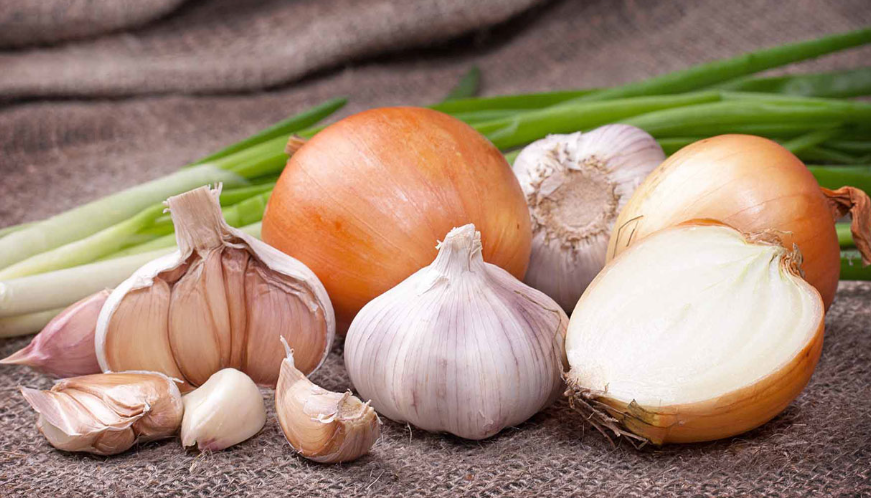
Allium vegetables form one of the most widely used groups of culinary plants in the world, valued for their pungent, savory flavor and the distinctive sulfur compounds that give onions, garlic, and their relatives their characteristic bite. The genus these vegetables belong to is enormous, containing well over 1,000 recognized species, though only about a dozen are grown commercially as food crops on any significant scale. Despite this narrow slice of the genus being used in the kitchen, allium vegetables appear in nearly every cuisine on earth, with onions alone estimated to be grown in more than 175 countries worldwide.
These vegetables share a few defining traits despite their differences in size, shape, and flavor intensity. Most grow from an underground bulb or a thickened base of leaves rather than a true root, and nearly all release a similar family of sulfur-based compounds when cut or crushed, which is what produces the sharp smell and, in some cases, the tears associated with chopping onions and garlic. Allium vegetables also share a long history of medicinal use, with garlic in particular referenced in food and health traditions dating back thousands of years for its purported antibacterial and cardiovascular benefits.
Growing requirements vary somewhat across the group, but most allium vegetables prefer full sun and rich, well-drained soil, with maturity times ranging enormously depending on the type. Scallions can be ready for harvest in as little as 50 to 70 days, while a full bulb onion typically needs 100 to 140 days to mature, and shallots can take 8 to 10 months from planting to harvest. Garlic is unusual among the group in that it does not produce viable seed for propagation, meaning gardeners must plant individual cloves rather than starting new plants from seed.
Nutritionally, allium vegetables are valued for more than just flavor, offering meaningful amounts of vitamin C, antioxidants, and anti-inflammatory compounds depending on the specific type. Many are also low-maintenance, pest-resistant crops thanks to their strong natural odor, which deters a wide range of insects and browsing animals. Below is a complete rundown of the different allium vegetables grown and eaten around the world, each known for its own flavor, texture, and culinary use.
List of Allium Vegetables
Onion
Onion is the most widely cultivated allium vegetable in the world, available in yellow, white, red, and purple skin varieties that range from sharp and pungent to sweet and mild depending on the cultivar. A standard bulb onion typically takes 100 to 140 days from planting to reach full maturity, and the plant is generally started either from seed indoors 6 to 8 weeks before the last frost or from small bulb sets planted directly in spring. Onions are harvested once the leafy tops yellow and fall over, then cured in a dry, well-ventilated space for several weeks before long-term storage.
Shallot
Shallot is prized for a more delicate, refined flavor often described as a cross between sweet onion and mild garlic, distinguishing it from the sharper taste of standard onions. This vegetable grows in clusters divided into individual cloves, typically taking 8 to 10 months from planting to reach full maturity, one of the longer growing periods among common allium vegetables. Shallots are usually planted in fall or early spring, spaced 4 to 6 inches apart, and are considered relatively low-maintenance once established.
Garlic
Garlic is the strongest-tasting allium vegetable in widespread culinary use, with each bulb divided into individual cloves that are planted directly rather than grown from seed. This vegetable is typically planted in fall, about 2 to 3 inches deep, and harvested the following summer once the foliage begins to die back. Garlic has been used for thousands of years both as a food and a folk remedy, and modern research has linked its sulfur compounds to potential cardiovascular and antimicrobial benefits.
Elephant Garlic
Elephant Garlic produces unusually large bulbs made up of just a handful of oversized cloves, in contrast to the many small cloves found in standard garlic bulbs. Despite its name and garlic-like appearance, this vegetable has a notably milder flavor, closer to a mild onion than true garlic, making it popular for slicing and eating raw in salads. Elephant Garlic is widely used across Mediterranean, Middle Eastern, and African cuisines where a subtler allium flavor is desired.
Leek
Leek is often called the largest member of the allium vegetable family in terms of visible size, capable of growing up to 2 feet long and 2 inches thick without ever forming a true bulb. This vegetable is a staple in French, Belgian, and Dutch cooking, with those 3 countries collectively leading the world in leek production. Leeks typically take 100 to 150 days to reach maturity and are best harvested by digging rather than pulling, since their fibrous roots can otherwise damage the stalk.
Kurrat
Kurrat, sometimes called Egyptian leek, is native to the Mediterranean region and closely resembles a standard leek in appearance but carries a noticeably stronger, more pungent flavor. This vegetable is a staple in Middle Eastern cooking, where it is commonly sautéed, roasted, or used as a flavor base for soups and stews. Because of its intensity, Kurrat is typically used in smaller quantities than milder allium vegetables like leeks or shallots.
Scallion
Scallion, also known as green onion or spring onion, is not a distinct species but rather the young, immature form of any bulbing onion, harvested before the bulb has fully developed. Both the white base and the green tops are edible, and scallions typically reach harvestable size in just 50 to 70 days, among the fastest-maturing allium vegetables grown. Scallions are prized for their mild, fresh onion flavor and are used raw in salads as often as they are cooked into dishes.
Welsh Onion
Welsh Onion, also called the bunching onion, is a distinct allium species specifically valued for producing the mildest, least pungent scallions among the common allium vegetables. Unlike bulb onions, this type does not form a true underground bulb, instead developing a thickened cluster of leaf bases that can be harvested repeatedly from the same clump. Welsh Onion is a hardy perennial in many climates, allowing for a longer harvest window than annual scallion varieties.
Chives
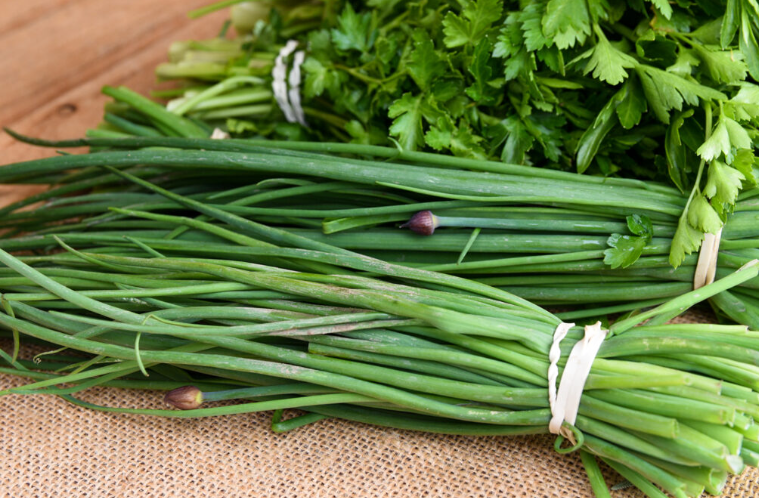
Chives are grown as a perennial herb rather than an annual vegetable, producing thin, hollow, grass-like leaves with a mild onion flavor well suited to garnishing dips, soups, and baked potatoes. This variety is closely related to ornamental grasses in growth habit and can be harvested about 60 to 70 days after planting, continuing to regrow new leaves throughout the season. Even the flowers of chive plants are edible, adding a mild onion flavor and decorative purple color to salads.
Garlic Chives
Garlic Chives, also known as Chinese chives, are a separate species from standard chives, producing flat rather than hollow leaves with a flavor closer to mild garlic than onion. This vegetable is commonly used as a gentler substitute for fresh garlic in dishes where a subtler flavor is preferred. Garlic Chives are a popular ingredient across many East Asian cuisines, used both for their leaves and their edible flower buds.
Ramps
Ramps, also called wild leeks, are a woodland-native allium vegetable found across eastern North America, prized as a highly seasonal spring delicacy with a flavor that combines onion and strong garlic notes. Unlike most cultivated allium vegetables, ramps grow best in shaded, moist forest conditions rather than full sun. Their short harvest window and slow-growing nature have made them an increasingly prized ingredient among chefs and foragers alike.
Ramsons
Ramsons, also known as wild garlic, is a European woodland allium vegetable with a strong garlic flavor and broad, glossy green leaves quite different from the narrow foliage of most cultivated alliums. This vegetable grows wild across forests and fields throughout much of Europe and is typically foraged rather than commercially cultivated. Ramsons is often used fresh in pestos, soups, and salads shortly after harvest, since the leaves lose potency quickly once picked.
Walking Onion
Walking Onion, also known as Egyptian walking onion or tree onion, is named for its unusual reproductive habit of producing small bulbils at the top of its flowering stalk instead of true seeds. As these bulbils mature, they weigh the stalk down until it bends to the ground, allowing the plant to root in a new spot and effectively “walk” across the garden over successive seasons. This vegetable is a favorite among heirloom and low-maintenance gardeners, since a single planting can continue spreading and producing new onions for years with little intervention.
Garlic Scapes
Garlic Scapes are the curling flower stalks that emerge from hardneck garlic varieties in late spring, harvested before the underground bulb has fully matured. These scapes carry a flavor similar to garlic but noticeably milder and slightly sweeter, making them a popular seasonal ingredient in pestos, stir-fries, and pickles. Harvesting scapes also redirects the plant’s energy back into bulb development, typically resulting in larger garlic heads at the main harvest.
Pearl Onion
Pearl Onion is a small, mild-flavored allium vegetable typically less than an inch in diameter, prized for its use whole in stews, roasts, and pickling. This vegetable’s compact size means it cooks quickly and evenly, making it a popular addition to dishes where larger onion pieces would be impractical. Pearl Onions are often sold pre-peeled or frozen due to the time-consuming nature of peeling their small, delicate skins by hand.
Rakkyo
Rakkyo, sometimes called Chinese onion, is a small, slender allium vegetable widely used in Japanese and Chinese cuisine, most commonly pickled in vinegar, sugar, and salt to create a sweet-tangy condiment. This vegetable has a milder, crisper texture than garlic or standard onions, making it well suited to pickling rather than cooking. Rakkyo is traditionally served alongside curry dishes in Japan as a palate-cleansing side.
Siberian Onion
Siberian Onion is a cold-hardy allium vegetable well suited to northern climates, capable of surviving as a perennial even in regions with extremely harsh winters. This vegetable is typically harvested by cutting the leaves much like chives, leaving enough foliage behind to support healthy regrowth the following year. Siberian Onion offers a reliable, low-maintenance green onion substitute for gardeners in climates too cold for standard bunching onions to survive as perennials.