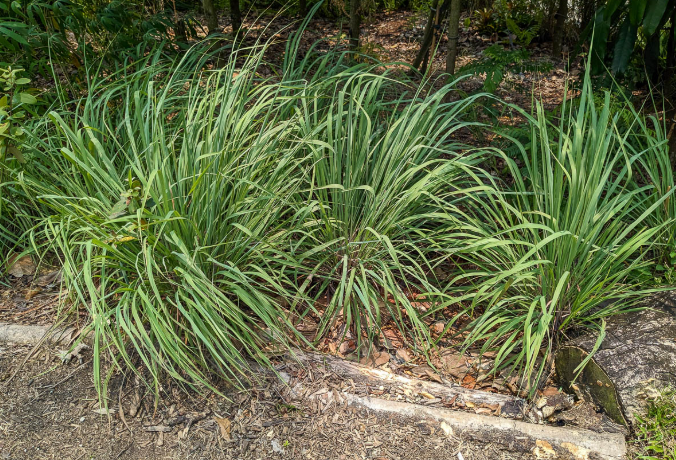
Lemongrass is one of the most important and widely cultivated aromatic plants in the world, a tall tropical grass native to South and Southeast Asia that produces intensely lemon-fragrant stems and leaves from extraordinarily high concentrations of citral — the primary lemon volatile compound. It has been used in traditional medicine and cooking across Asia for over 2,000 years and is today grown commercially across tropical and subtropical regions on every inhabited continent. The global lemongrass oil market was valued at over 350 million dollars in 2022 and continues to grow at approximately 8 percent annually, driven by expanding demand from the food, cosmetics, aromatherapy, and pharmaceutical industries.
Lemongrass plants grow as vigorous, clump-forming tropical grasses reaching 3 to 6 feet in height and 3 to 4 feet in spread, with long, narrow, sharp-edged leaves rising from thick, pale, tightly layered stem bases that are the primary culinary and commercially harvested part of the plant. India is the world’s largest producer of lemongrass essential oil, accounting for approximately 65 to 70 percent of global production, followed by China, Guatemala, Indonesia, and Vietnam. Total world lemongrass production exceeds 2 million metric tons annually and the crop supports the livelihoods of hundreds of thousands of smallholder farming families across tropical Asia and Africa.
The extraordinary lemon fragrance of lemongrass comes primarily from citral — constituting approximately 65 to 85 percent of the essential oil — making lemongrass one of the most citral-rich natural sources available to the flavor and fragrance industries globally. Beyond its aromatic value, lemongrass has been extensively studied for its bioactive properties, with documented antimicrobial, antifungal, anti-inflammatory, and antioxidant activities attributed to citral and other volatile compounds. It is one of the most widely used natural fragrance ingredients in soap, household cleaning products, cosmetics, and aromatherapy products worldwide.
In the kitchen, lemongrass is consumed across Thai, Vietnamese, Indonesian, Malaysian, Cambodian, Lao, Indian, and increasingly Western cuisines as fresh stalks, dried and powdered, freeze-dried, and in paste form. It is one of the three essential aromatics of Thai cooking alongside galangal and kaffir lime leaf, and its absence fundamentally changes the character of the dishes in which it is traditionally used. Its combination of culinary importance, commercial essential oil value, documented medicinal properties, and ease of cultivation as an ornamental garden grass make it one of the most multi-functional aromatic plants grown anywhere in the world.
Best Conditions for Growing Lemongrass
Climate and Temperature
Lemongrass is a tropical plant that thrives in warm, humid conditions and requires consistently warm temperatures between 65°F and 95°F (18°C to 35°C) for vigorous growth and maximum essential oil production. It is cold-sensitive and will die back or be killed outright by frost, making it a perennial only in USDA zones 9 to 12 and an annual or container plant in cooler zones. In temperate climates, plants must be brought indoors before the first autumn frost and overwintered in a warm, bright indoor position until temperatures rise again in late spring.
Sunlight Requirements
Lemongrass requires full sun — a minimum of 6 to 8 hours of direct sunlight per day — for best growth, maximum aromatic oil production, and the most vigorous, productive clumps. In partial shade, plants grow more slowly, produce less aromatic oil in the stems and leaves, and develop a weaker, less robust clump structure that is both less ornamentally attractive and less productive for culinary harvesting. In very hot climates where afternoon temperatures regularly exceed 100°F, light afternoon shade can prevent heat stress without significantly reducing oil production.
Soil Requirements
Lemongrass grows best in fertile, well-draining, loamy soil with a pH between 5.5 and 7.0, though it adapts to a surprisingly wide range of soil types including sandy and clay soils provided drainage is adequate. Waterlogged or poorly draining soils cause root rot and significantly reduce plant vigor, so raised beds or well-amended garden soil is preferred in areas with heavy clay. Incorporating generous amounts of compost or well-rotted organic matter before planting improves soil fertility, moisture retention, and drainage simultaneously — all qualities that benefit lemongrass growth significantly.
Watering
Lemongrass requires consistent, regular moisture throughout the growing season to maintain the vigorous growth and high aromatic oil content that make it most valuable for both culinary and commercial use. Water deeply and regularly during the growing season, ensuring the soil remains consistently moist but never waterlogged, and reduce watering significantly during cooler months when growth slows. In dry climates, lemongrass benefits from mulching around the base of the clump with a thick layer of organic material that retains soil moisture, moderates soil temperature, and gradually improves soil fertility as it decomposes.
Fertilization
Lemongrass is a vigorous, heavy feeder that responds exceptionally well to regular fertilization during the active growing season, producing significantly more growth, larger clumps, and higher essential oil content when adequately fed. Apply a balanced, nitrogen-rich fertilizer every four to six weeks from spring through late summer to support the rapid leaf and stem growth that characterizes this productive grass, or incorporate slow-release granular fertilizer into the soil at the beginning of the growing season. High nitrogen levels are particularly important as nitrogen drives the lush, leafy growth that is the primary harvestable product.
Spacing and Planting
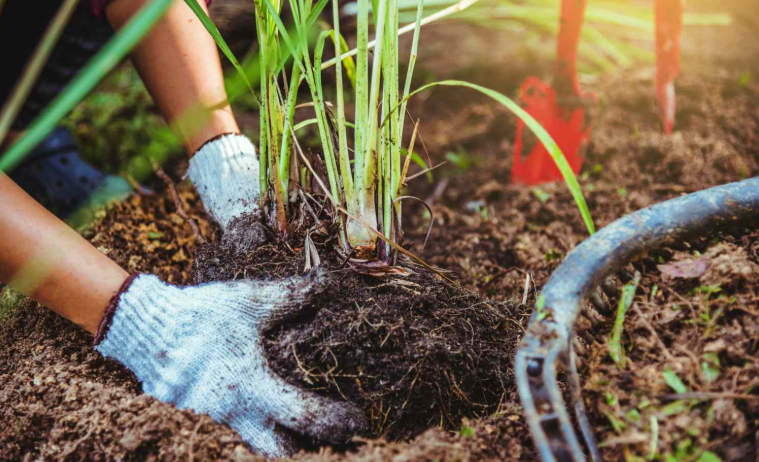
Lemongrass clumps expand steadily over time and should be planted at least 3 to 4 feet apart to allow adequate space for mature clump development without overcrowding, which reduces air circulation and can increase disease pressure. Individual plants started from divisions, purchased pots, or stalks rooted in water establish quickly in warm conditions and can produce harvestable stalks within 3 to 4 months of planting under good growing conditions. In containers, use the largest practical pot — at least 12 to 18 inches in diameter — with excellent drainage holes and premium potting mix to support the vigorous root system.
Propagation
Lemongrass is most easily and reliably propagated by division of established clumps or by rooting fresh market lemongrass stalks in water — one of the most practical and inexpensive methods for home gardeners to establish new plants. To root from fresh stalks, purchase fresh lemongrass with intact roots or root bases from an Asian grocery store, place the stalks in a few inches of water in a bright, warm position, and roots typically emerge within two to three weeks before the rooted stalks are transplanted into soil. Dividing established clumps in spring by separating individual stalks with attached roots and replanting them is the fastest method for multiplying existing garden plants.
Harvesting
Lemongrass is ready for its first harvest approximately 3 to 4 months after planting when the stems have reached at least a quarter inch in diameter at the base, and established clumps can be harvested repeatedly throughout the growing season by cutting individual outer stalks at ground level. The most aromatic and flavorful part of the stalk is the tender, pale inner base — the bottom 4 to 6 inches of the stalk after the tough outer leaves are removed — and this is the portion used in most culinary applications. Regular harvesting of outer stalks actually encourages the production of new growth from the center of the clump, making established plants increasingly productive over time.
Overwintering in Cool Climates
In climates cooler than USDA zone 9, lemongrass must be overwintered indoors to survive the winter and return to productive growth the following season. Before the first frost, cut the foliage back to 6 to 12 inches, dig the clump carefully to preserve as much of the root system as possible, pot it into a container with well-draining potting mix, and place it in the brightest, warmest indoor position available — ideally near a south-facing window with supplemental grow light. Water sparingly through winter as the plant’s growth rate slows dramatically, and resume regular watering and fertilization in spring as temperatures rise and active growth resumes.
Pests and Disease Management
Lemongrass is relatively resistant to pests and diseases compared to most cultivated plants, which is partly attributable to the high concentrations of aromatic volatile compounds in the leaves and stems that deter many common pest insects. Rust fungus — which produces orange, powdery pustules on the leaf surface — is the most common disease problem, particularly in humid conditions with poor air circulation, and is best managed by spacing plants adequately, avoiding overhead watering, and removing affected leaves promptly. Spider mites can be a problem on container-grown plants indoors during winter when conditions are warm and dry, and regular misting or wiping of the leaves with a damp cloth helps prevent infestations.
Container Growing
Container growing is an excellent option for gardeners in cooler climates who want to grow lemongrass as a productive, ornamental patio or balcony plant that can be moved indoors for winter protection. Choose a large container of at least 12 to 18 inches in diameter with excellent drainage holes, use a premium, well-draining potting mix enriched with compost, place in the sunniest available outdoor position from late spring through early autumn, and water and fertilize regularly throughout the growing season. Container-grown lemongrass can be surprisingly productive, providing multiple harvests of aromatic culinary stalks from a single large pot throughout the warm months.