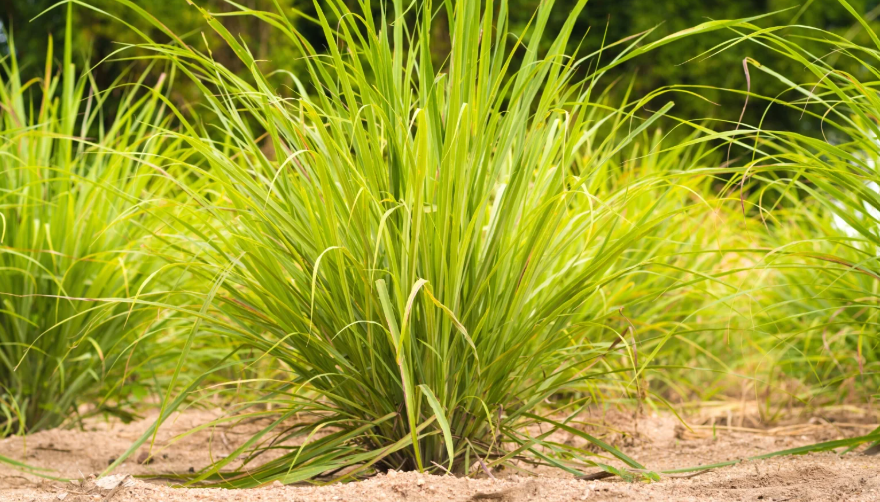
Lemongrass is one of the most important and widely cultivated aromatic plants in the world, a tall tropical grass native to South and Southeast Asia that produces intensely lemon-fragrant stems and leaves from extraordinarily high concentrations of citral — the primary lemon volatile compound — making it simultaneously one of the most important culinary herbs in Asian cooking and one of the most commercially valuable essential oil crops globally. It has been used in traditional Ayurvedic and Southeast Asian medicine for over 2,000 years and is today cultivated commercially across tropical and subtropical regions on every continent. The global lemongrass oil market was valued at over 350 million dollars in 2022 and continues to grow at approximately 8 percent annually driven by expanding demand from the food flavoring, cosmetics, aromatherapy, and pharmaceutical industries.
Lemongrass plants grow as vigorous, clump-forming tropical grasses reaching 3 to 6 feet in height and 3 to 4 feet in spread, with long, narrow, sharp-edged, grey-green leaves rising from thick, pale, tightly layered stem bases that are the primary culinary and commercially harvested part of the plant. The inner white to pale yellow base of the stem — the lemongrass stalk — is the part most used in cooking, containing the highest concentrations of citral and other aromatic volatile compounds. India is the world’s largest producer of lemongrass and lemongrass oil, accounting for approximately 65 to 70 percent of global essential oil production, followed by China, Guatemala, Indonesia, and Vietnam, with total world lemongrass production exceeding 2 million metric tons annually.
The extraordinary lemon fragrance of lemongrass comes primarily from citral — a mixture of two isomeric aldehyde compounds, geranial and neral — which constitutes approximately 65 to 85 percent of the essential oil, making lemongrass one of the most citral-rich natural sources available to the flavor and fragrance industries. Beyond citral, lemongrass oil contains myrcene, limonene, geraniol, linalool, and numerous other volatile compounds that contribute to its characteristic, complex, fresh, clean lemon-with-floral-undertone aromatic profile. Lemongrass essential oil is one of the most widely used natural fragrance ingredients in soap, household cleaning products, cosmetics, and aromatherapy diffuser blends globally.
Lemongrass grows as a perennial grass in USDA zones 9 to 12 and can be grown as an annual or container plant in cooler climates where it must be brought indoors before the first frost. It requires full sun, warm temperatures, and consistent moisture for best growth and oil production. In the kitchen, lemongrass is consumed across Thai, Vietnamese, Indonesian, Malaysian, Cambodian, Lao, Indian, and increasingly Western cuisines as fresh stalks, dried and powdered, freeze-dried, and preserved in oil and paste forms. Its combination of culinary importance, commercial essential oil value, documented medicinal properties, and ornamental grace as a garden grass make it one of the most multi-functional and valuable aromatic plants cultivated anywhere in the world.
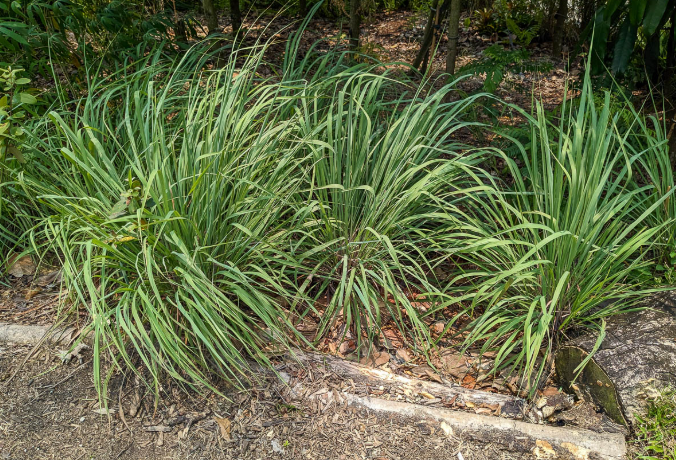
Types of Lemongrass
1. West Indian Lemongrass
West Indian Lemongrass is the most widely grown and most commercially important lemongrass species in the world, accounting for the vast majority of global lemongrass essential oil production and the primary lemongrass species cultivated across India, China, Guatemala, Brazil, and other major producing countries. It produces the highest citral content of any lemongrass species — typically 65 to 85 percent citral in the essential oil — along with a powerful, clean, true lemon fragrance that is the benchmark lemongrass aroma for the flavor, fragrance, and aromatherapy industries. India’s Kerala and Madhya Pradesh states are the most important production regions for this species.
2. East Indian Lemongrass (Malabar Grass)
East Indian Lemongrass, also called Malabar Grass or Cochin Grass, is the second most commercially important lemongrass species and the variety most widely used in Southeast Asian cooking — particularly in Thai, Vietnamese, Indonesian, and Malaysian cuisines where fresh lemongrass stalks are a fundamental culinary ingredient. It produces a slightly different aromatic profile than West Indian Lemongrass with somewhat lower citral content but a more complex, slightly more floral, citrusy fragrance that many cooks and chefs consider superior for fresh culinary applications. It is the lemongrass most commonly sold fresh in Asian grocery stores and specialty food retailers internationally.
3. Thai Lemongrass
Thai Lemongrass refers to the specific lemongrass varieties cultivated and selected in Thailand for the particular aromatic qualities most suited to Thai cooking — a bright, clean, intensely citrusy, slightly floral character that is essential to the authentic flavor of Thai curries, tom yum soup, and the foundational Thai aromatic paste that begins many traditional preparations. Thai cooks consider the specific lemongrass varieties grown in Thailand to be the finest available for Thai cooking, and Thai-grown fresh lemongrass is exported to international Thai restaurant supply chains and specialist Asian food retailers as a premium culinary product. It is grown across central and northern Thailand.
4. Indonesian Lemongrass (Sereh)
Indonesian Lemongrass, called sereh in Indonesian and Javanese, is an essential ingredient in Indonesian cooking across Java, Sumatra, Bali, and the other Indonesian islands, used in bumbu spice pastes, soto soups, rendang braises, and numerous other fundamental Indonesian preparations where its citrusy, aromatic character contributes an essential flavor note. Indonesia is one of the world’s most important lemongrass-consuming nations and the specific varieties grown across the Indonesian archipelago reflect regional culinary preferences for slightly different aromatic profiles suited to the diverse regional cooking traditions of this extraordinarily culinarily diverse nation.
5. Vietnamese Lemongrass (Sả)
Vietnamese Lemongrass, called sả in Vietnamese, is a fundamental aromatic ingredient across both North and South Vietnamese cooking traditions, used in soups, grilled meat preparations, lemongrass beef (bò lá lốt), lemongrass chicken, seafood preparations, and the aromatic base of many traditional Vietnamese sauces and marinades. Vietnamese lemongrass tends to be used more generously and in more direct applications than in Thai cooking — often as a primary rather than supporting flavoring — and the fresh, bright, intensely citrusy character of Vietnamese-grown lemongrass suits the lighter, fresher flavor balance of Vietnamese cuisine compared to the richer, more complex spice profiles of Thai and Indonesian cooking.
6. Indian Lemongrass (Cochin Grass)
Indian Lemongrass, grown primarily in Kerala, Karnataka, and Assam in northeastern India, is both an important culinary herb in South Indian and Ayurvedic cooking traditions and the primary source of India’s globally dominant lemongrass essential oil production. India exports approximately 60 percent of the world’s lemongrass essential oil, with the Cochin port historically the most important export point for lemongrass oil — giving rise to the commercial designation Cochin Lemongrass Oil that is still used in the international essential oil trade. The essential oil from Indian lemongrass is the most widely used lemongrass oil in the global cosmetics, soap, and household fragrance industries.
7. Malaysian Lemongrass (Serai)
Malaysian Lemongrass, called serai in Malay, is one of the most important aromatic ingredients in Malay, Chinese Malaysian, and Nyonya (Peranakan) cooking, used in laksa paste, rendang, satay marinade, and numerous other fundamental Malaysian preparations where its bright, citrusy character balances the rich, complex spice profiles of traditional Malaysian cuisine. The specific varieties grown in peninsular Malaysia and Malaysian Borneo reflect regional culinary preferences and growing conditions, and lemongrass is so fundamental to Malaysian cooking that the herb market in every Malaysian town and city carries fresh lemongrass as one of the most essential daily purchases for home cooks.
8. Cambodian Lemongrass (Slak Krai)
Cambodian Lemongrass, called slak krai in Khmer, is an essential component of kroeung — the national spice paste of Cambodian cuisine comprising lemongrass, galangal, kaffir lime leaf, turmeric, garlic, and shallots — that forms the aromatic flavor foundation of numerous traditional Cambodian dishes including fish amok and samlor korko soup. Cambodian culinary tradition places great importance on the freshness and aromatic quality of the lemongrass used in kroeung, as the quality of this fundamental paste determines the success of the dishes prepared from it. Lemongrass is grown throughout Cambodia and is one of the most widely used fresh herbs in Cambodian home cooking.
9. Lemongrass Cymbopogon Nardus (Citronella Grass)
Citronella Grass is the most commercially important species in the lemongrass genus after the primary culinary species, producing the citronella essential oil that is the most widely used natural insect repellent in the world — found in citronella candles, mosquito-repellent sprays, lotions, and diffuser products sold globally. While related to culinary lemongrass, citronella grass has a distinctly different, somewhat soapy, green, medicinal-citrusy fragrance that is less pleasant for cooking but highly effective as an insect deterrent from geraniol and citronellal compounds. Sri Lanka and Java in Indonesia are the most important citronella oil producing regions.
10. Lemon Balm (Melissa)
Lemon Balm is a European mint-family herb that produces a gentle, sweet, lemon-like fragrance similar in character to lemongrass but from different volatile compounds — primarily citral and citronellal — and is the European culinary and medicinal equivalent of lemongrass in providing fresh, lemony aromatic character to herbal teas, desserts, and light cooking preparations. While not botanically related to true lemongrass, it is included in the broader lemongrass-type herb category in many herbal and culinary references for its similar lemon aromatic character. It grows to 18 to 24 inches as a spreading perennial, hardy in USDA zones 3 to 7.
11. Lemongrass Powder (Dried Ground)
Dried and Ground Lemongrass Powder is a shelf-stable spice product produced by drying fresh lemongrass stalks and leaves at low temperatures before grinding them into a fine powder, providing a convenient, year-round available alternative to fresh lemongrass for cooking applications where the whole stalk is not needed or available. The drying process significantly reduces the volatile aromatic compounds compared to fresh lemongrass — producing a milder, somewhat different flavor that suits dry spice rubs, spice blends, and long-cooked preparations better than fresh applications where the bright, full aromatic character of fresh lemongrass is most important. It is widely available from Asian grocery stores and spice retailers.
12. Freeze-Dried Lemongrass
Freeze-Dried Lemongrass is the highest-quality processed form of lemongrass available outside fresh stalks, produced by removing moisture from finely chopped fresh lemongrass at very low temperatures using vacuum freeze-drying technology that preserves the volatile aromatic compounds, vivid color, and cellular structure far more effectively than conventional hot-air drying. The resulting freeze-dried product reconstitutes with a fresh lemongrass character significantly closer to fresh than any other dried form and is the preferred form for premium food manufacturers, fine dining restaurant kitchens, and serious home cooks who cannot obtain fresh lemongrass locally but refuse to sacrifice flavor quality. It is available from premium spice suppliers.
13. Lemongrass Essential Oil
Lemongrass Essential Oil is one of the most commercially important and most widely used essential oils in the global fragrance, cosmetics, household cleaning, and aromatherapy industries, produced by steam distillation of the fresh or partially dried leaves and stems of lemongrass plants. The oil’s primary applications include soap and detergent fragrance — lemongrass is one of the most widely used fragrance ingredients in bar soap and liquid hand soap products globally — cosmetics, aromatherapy diffuser blends, insect repellent formulations, and as a source of natural citral for the synthesis of vitamin A and ionone compounds for the perfume industry. India dominates global production.
14. Lemongrass Tea
Lemongrass Tea is one of the most widely consumed herbal teas in Southeast Asia, West Africa, and increasingly globally, produced by steeping fresh or dried lemongrass leaves and stalks in hot water to produce a refreshing, bright, citrusy, gently floral beverage with a clean, true lemon character and virtually zero calories. Beyond its pleasant flavor, lemongrass tea has been used in traditional medicine across Southeast Asia and West Africa for digestive, anti-anxiety, antimicrobial, and general tonic purposes, and several of these traditional uses are now being investigated by pharmacological researchers. It is one of the most rapidly growing herbal tea categories in the global functional beverage market.
15. Lemongrass Paste
Lemongrass Paste is a commercially prepared, shelf-stable product produced by blending fresh lemongrass with oil, salt, and sometimes citric acid into a smooth paste that provides genuine lemongrass flavor without the preparation labor of processing fresh stalks — which must have their tough outer layers removed and be very finely chopped or pounded before use. Commercial lemongrass pastes from Southeast Asian food manufacturers are widely available in tubes and jars from Asian grocery stores and mainstream supermarkets in regions with significant Southeast Asian cuisine interest and provide a reasonably good approximation of fresh lemongrass flavor for everyday cooking. Thai Kitchen, Maesri, and various other brands produce widely available commercial versions.
16. Palmarosa Grass
Palmarosa is a close relative of lemongrass in the same grass genus, producing a distinctly different, more rose-like, floral, sweet essential oil from very high concentrations of geraniol — a volatile compound that gives the oil a genuine rose-like character — rather than the citral-dominated lemon character of culinary lemongrass. Palmarosa oil is one of the most important ingredients in natural rose-scented cosmetics, perfumes, and skincare products where it provides a more affordable natural alternative to the enormously expensive true rose oil. India is the world’s primary palmarosa oil producer and the oil is an important export crop from several Indian states.
17. Guatemalan Lemongrass
Guatemalan Lemongrass refers to the West Indian Lemongrass varieties cultivated in Guatemala — the largest lemongrass essential oil producer in the Western Hemisphere — where the combination of high-altitude tropical growing conditions, volcanic soils, and consistent rainfall produces lemongrass oil of very good quality with high citral content. Guatemala has become an increasingly important player in the global lemongrass oil trade since the mid-twentieth century, providing a Western Hemisphere source of supply for North American and European essential oil buyers who value the shorter supply chain and the distinctive character of Guatemalan-grown oil. The highlands of Guatemala’s Alta Verapaz and Izabal departments are the primary production regions.
18. Chinese Lemongrass
Chinese Lemongrass refers to the lemongrass varieties cultivated across southern China — particularly in Yunnan, Guangdong, Hainan, and Guangxi provinces — where lemongrass is both an important culinary herb in southern Chinese regional cuisines and a significant commercial essential oil crop for the domestic Chinese fragrance and cosmetics industry. China is the world’s second largest lemongrass oil producer after India and has developed significant domestic lemongrass cultivation capacity to supply the rapidly growing Chinese domestic market for natural fragrance and flavoring ingredients. Chinese lemongrass is also increasingly used in Traditional Chinese Medicine preparations where its documented antimicrobial and digestive properties are valued.
19. Brazilian Lemongrass (Capim-Limão)
Brazilian Lemongrass, called capim-limão in Portuguese, is grown across tropical Brazil — particularly in the states of São Paulo, Minas Gerais, and Bahia — where it has been cultivated since its introduction from Asia and has become thoroughly integrated into Brazilian culinary and folk medicine traditions. In Brazil, lemongrass tea — called chá de capim-limão — is one of the most widely consumed herbal teas in the country, used as a digestive, calming, and general wellness beverage across all demographic groups and social contexts. Brazil has developed its own domestically selected lemongrass varieties adapted to Brazilian growing conditions and consumer preferences for the herbal tea market.
20. African Lemongrass
African Lemongrass encompasses the lemongrass varieties grown across West and East Africa — particularly in Ghana, Nigeria, Tanzania, Kenya, and Madagascar — where lemongrass cultivation has expanded significantly over the past several decades driven by both domestic demand for culinary and medicinal use and growing export demand for essential oil. West African lemongrass tea and decoctions are important traditional remedies across the region for fever, digestive complaints, and general wellness, and the herb is widely sold in fresh and dried forms in markets across the continent. Tanzania and Kenya have developed significant commercial lemongrass oil export industries supplying European and North American buyers.
21. Lemongrass Hybrid Varieties
Lemongrass Hybrid Varieties represent the product of ongoing agricultural research and breeding programs aimed at developing improved lemongrass cultivars with higher essential oil yields, higher citral content, improved disease resistance, and better adaptation to specific regional growing conditions. Agricultural research institutions in India — particularly the Central Institute of Medicinal and Aromatic Plants — have developed several important named hybrid lemongrass cultivars including Pragati, Krishna, Cauvery, and Nima that produce significantly higher essential oil yields than traditional unselected varieties and have been widely adopted by commercial lemongrass oil producers across India. These improved hybrid varieties represent the continuing agricultural development of lemongrass as a commercial crop.