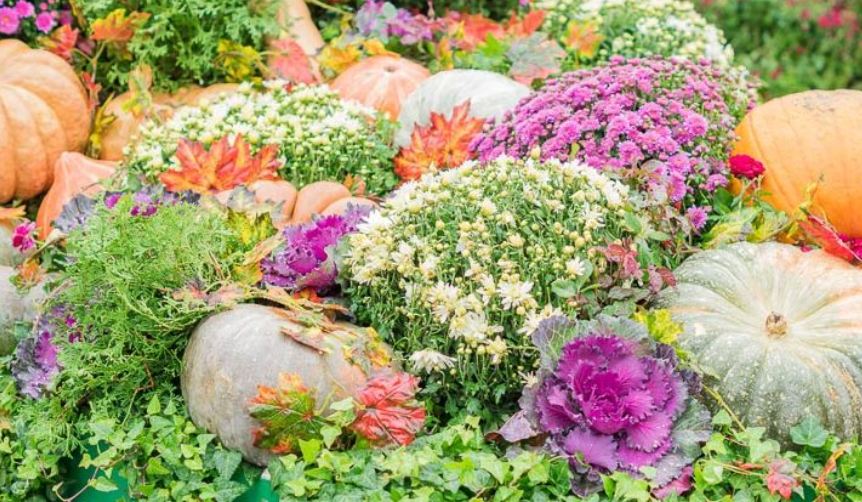
Pumpkins are large, fleshy fruits belonging to the genus Cucurbita, closely related to squash, gourds, and cucumbers within the Cucurbitaceae family. Native to North America, they have been cultivated for thousands of years and today are grown on every continent except Antarctica. With global production exceeding 20 million metric tons annually, pumpkins rank among the most economically significant vegetable crops in the world, with China, India, and the United States leading production.
Beyond their iconic role in autumn festivals and Halloween decorations, pumpkins are a highly nutritious food source rich in vitamin A, vitamin C, potassium, and dietary fibre. The flesh, seeds, flowers, and even the leaves are edible, making the pumpkin one of the most fully utilised crops in traditional and modern cuisines alike. Pumpkin seeds alone have become a significant global commodity, valued for their high protein and healthy fat content.
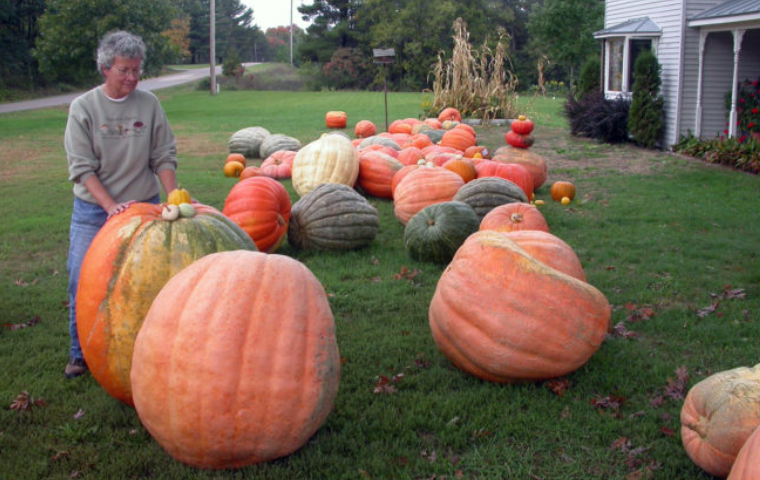
The diversity within the pumpkin world is remarkable. Varieties range in weight from under half a kilogram to over 1,000 kilograms, with the world record for the heaviest pumpkin exceeding 1,226 kilograms. Skin colours span deep orange, white, green, blue-grey, red, and multicoloured patterns, while flesh colours range from pale yellow to deep orange. This enormous variation has been shaped by centuries of selective breeding for culinary, ornamental, and agricultural purposes.
Pumpkins are warm-season crops that thrive in well-drained, fertile soils with plenty of sunshine and consistent moisture. Most varieties mature within 75 to 100 days from planting, making them suitable for single-season cultivation across a wide range of climates. In the United States alone, approximately 680 million kilograms of pumpkins are produced each year, with Illinois accounting for the largest share of commercial production.
Types of Pumpkins
Jack O’Lantern
The Jack O’Lantern is the quintessential Halloween pumpkin, bred specifically for its uniform round shape, bright orange skin, and flat base that allows it to sit stably for carving. It typically weighs between 3 and 7 kilograms and has a relatively thin wall, making it easy to cut and hollow out. While edible, its flesh is somewhat stringy and bland compared to culinary varieties, and it is grown primarily for decorative and seasonal use.
Sugar Pie Pumpkin
The Sugar Pie pumpkin is the most widely grown culinary pumpkin in North America, prized for its dense, sweet, finely textured flesh that is ideal for pies, soups, and baked goods. It is small and compact, typically weighing between 1.5 and 3 kilograms, with deep orange skin and a rich flavour that intensifies when roasted. Its low moisture content makes it particularly well suited to cooking, as it produces a thick, smooth puree without excess liquid.
Atlantic Giant
The Atlantic Giant is the world’s premier competition pumpkin, capable of reaching weights exceeding 900 kilograms under optimal growing conditions. It was developed from the Dill’s Atlantic Giant variety and holds most of the world records for pumpkin weight, with the current record surpassing 1,226 kilograms. The skin is pale orange to cream-coloured and heavily ribbed, and while technically edible, the Atlantic Giant is grown almost exclusively for competitive exhibition.
Cinderella Pumpkin
Named for its resemblance to the fairy-tale carriage, the Cinderella pumpkin, known botanically as Rouge Vif d’Étampes, is a French heirloom variety with a distinctive flattened, deeply lobed shape and vivid red-orange skin. It is both ornamental and culinary, producing sweet, moist flesh well suited to soups, purees, and roasting. Originally cultivated in France in the 19th century, it remains a popular variety in European and North American markets.
Jarrahdale Pumpkin
The Jarrahdale is an Australian heirloom pumpkin with striking blue-grey skin and deeply ridged lobes that make it one of the most visually distinctive varieties available. Beneath its unusual exterior, the flesh is dense, sweet, and bright orange, making it an excellent culinary pumpkin for roasting, soups, and pies. It stores exceptionally well and can remain in good condition for up to twelve months after harvest when kept in a cool, dry environment.
Kabocha Pumpkin
Kabocha is a Japanese pumpkin variety with dark green, slightly mottled skin and exceptionally sweet, dry, starchy flesh that tastes like a cross between sweet potato and pumpkin. It is one of the most highly regarded culinary pumpkins in East Asian cuisine, used in tempura, simmered dishes, soups, and desserts. Weighing between 1 and 3 kilograms, kabocha is compact and dense, and its dry texture makes it ideal for applications where moisture control is important.
Butternut Squash Pumpkin
Though commonly referred to as a squash, the butternut is botanically classified within the same Cucurbita moschata species as many pumpkins and shares many of the same culinary characteristics. It has a distinctive tan skin, elongated pear shape, and rich, sweet orange flesh that is among the smoothest and most flavourful of any cucurbit variety. It is one of the best-selling varieties in supermarkets globally and is used extensively in soups, roasting, pasta fillings, and baby food.
White Ghost Pumpkin
The White Ghost pumpkin is an ornamental variety with smooth, pale white to cream-coloured skin and a classic round pumpkin shape, making it a popular choice for autumn decorating and Halloween displays. Despite its ghostly appearance, it is fully edible with mild, slightly sweet flesh that can be used in soups and baked dishes. Its striking colour contrast against traditional orange pumpkins makes it a favourite in decorative arrangements and centrepieces.
Baby Boo Pumpkin
Baby Boo is a miniature white pumpkin with a flattened shape and smooth, creamy white skin, typically measuring only 5 to 8 centimetres in diameter. It is grown almost entirely for ornamental purposes and is a popular component of autumn table decorations, wreaths, and seasonal displays. The tiny fruits are sometimes hollowed out and used as individual serving vessels for soups, dips, or desserts at festive events.
Lumina Pumpkin
The Lumina is a large white pumpkin weighing between 4 and 7 kilograms, with smooth, bright white skin that provides an excellent surface for painting and decorating. Its bold white colour makes it a standout choice for Halloween carving, as the thin skin glows beautifully when lit from inside. The flesh is sweet and edible, making Lumina one of the few large white varieties that serves equally well as both a decorative and culinary pumpkin.
Fairytale Pumpkin
The Fairytale pumpkin is a large, deeply ribbed French heirloom variety with a flattened profile similar to the Cinderella but with rich tan to buff-coloured skin that deepens to a warm brown at maturity. It is widely regarded as one of the finest culinary pumpkins, producing moist, sweet, deeply flavoured flesh that is outstanding in soups, roasting, and purees. Its dramatic appearance also makes it a popular decorative variety at farm stands and autumn markets.
Long Island Cheese Pumpkin
Named for its resemblance to a wheel of cheese, the Long Island Cheese pumpkin is a large, squat, heavily ribbed heirloom variety with tan to buff skin and rich, sweet orange flesh. It is one of the oldest American pumpkin varieties, with records of its cultivation dating back to the 1800s, and was historically one of the most popular pie pumpkins in the northeastern United States. Its thick flesh and excellent flavour make it a favourite among heirloom gardeners and artisan food producers.
Red Kuri Pumpkin
Red Kuri, also known as Hokkaido pumpkin or Uchiki Kuri, is a Japanese variety with smooth, teardrop-shaped fruit and vivid red-orange skin. The flesh is pale yellow to orange, smooth, and dry with a delicate chestnut-like flavour that makes it one of the most sought-after culinary pumpkins in European and Japanese cuisine. It is particularly popular in France, where it is used in soups, gratins, and stuffed preparations, and it is easily recognised by its vibrant colour and distinctive shape.
Hubbard Squash Pumpkin
The Hubbard is a large, teardrop-shaped cucurbit with a hard, warty, blue-grey or green skin and exceptionally thick, fine-grained orange flesh. It is one of the oldest and most respected culinary varieties in North America, valued for its rich, dry, sweet flesh that is ideal for pies, soups, and roasting. Hubbard squash can weigh between 4 and 20 kilograms and stores exceptionally well for extended periods, making it a practical crop for winter use.
Delicata Pumpkin
The Delicata is a small, elongated pumpkin with cream-coloured skin marked by distinctive green and orange stripes running along its length. Its flesh is sweet, moist, and fine-textured, making it one of the most flavourful of the smaller cucurbit varieties, often compared in taste to sweet potato. Delicata has thin, edible skin that does not require peeling before cooking, making it one of the most convenient pumpkins to prepare in the kitchen.
Acorn Squash Pumpkin
The Acorn squash is a small, deeply ribbed pumpkin with dark green, sometimes orange-streaked skin and a distinctive acorn-like shape. Its pale yellow to orange flesh is mildly sweet and slightly fibrous, with a flavour that pairs well with butter, brown sugar, maple syrup, and savoury spices. Halved and roasted, acorn squash is one of the most popular autumn vegetables in North American kitchens, and it is small enough to serve as a single-person portion.
Turk’s Turban Pumpkin
The Turk’s Turban is one of the most visually dramatic of all pumpkin varieties, featuring a distinctive shape in which a small, rounded secondary lobe erupts from the top of the main fruit, resembling a traditional Ottoman turban. The skin displays a striking mix of orange, green, white, and cream colours in irregular patterns, making it one of the most sought-after ornamental varieties. The flesh is edible but bland, and the Turk’s Turban is grown primarily for its extraordinary decorative appeal.
Connecticut Field Pumpkin
The Connecticut Field is one of the oldest American pumpkin varieties, historically grown across New England as a field crop for both human consumption and livestock fodder. It produces large, round to slightly oval fruits with classic orange skin, weighing between 7 and 15 kilograms. While it remains a popular choice for carving and decoration, it has largely been superseded by purpose-bred culinary and carving varieties in modern production.
Galeux d’Eysines Pumpkin
The Galeux d’Eysines, also known as the peanut pumpkin, is a French heirloom variety with salmon-pink skin covered in distinctive corky, wart-like protrusions that develop from sugar deposits in the skin as the fruit matures. Beneath this unusual exterior lies dense, sweet, fine-grained orange flesh that is considered among the finest in French cuisine for soups and purees. It is as much an ornamental curiosity as a culinary treasure, frequently displayed at autumn harvest festivals.
Musquee de Provence Pumpkin
The Musquée de Provence is a large French heirloom pumpkin with a deeply ribbed, flattened profile and rich tan to buff skin that matures to a warm terracotta brown. Its flesh is exceptionally thick, sweet, and finely textured, and it is considered one of the finest culinary pumpkins in French gastronomy, used extensively in soups, gratins, and roasted preparations. It can weigh up to 10 kilograms and is widely sold in portions at French markets during the autumn and winter months.
Spaghetti Squash Pumpkin
The Spaghetti squash is a unique oblong pumpkin whose cooked flesh separates into long, thin strands resembling pasta, giving it its distinctive name. It has pale yellow skin and mild, slightly nutty flavour, and is widely used as a low-carbohydrate alternative to pasta in health-conscious cooking. When halved and baked, the strands are scraped out with a fork and served with sauces, herbs, and toppings just as one would serve conventional spaghetti.
Marina di Chioggia Pumpkin
The Marina di Chioggia is an ancient Italian heirloom pumpkin from the Venice region, with distinctive dark blue-green skin covered in large, bumpy warts and a deeply flattened, turban-like profile. Its flesh is exceptionally thick, dry, sweet, and dense, making it one of the most prized culinary pumpkins in Italian cuisine, where it is used in risotto, pasta fillings, fritters, and soups. It is deeply embedded in the culinary heritage of the Veneto region and remains a celebrated ingredient in traditional Venetian cooking.
Jarradale Blue Pumpkin
A close relative of the standard Jarrahdale, the Jarradale Blue is distinguished by its intensely blue-grey skin and slightly more pronounced ribbing. Like its parent variety, it produces dense, sweet orange flesh with excellent flavour and outstanding keeping qualities, often remaining in good condition for up to a year in storage. It is equally valued for decorative display and culinary use, and its unusual colour makes it a popular choice for autumn arrangements and farm market displays.
Queensland Blue Pumpkin
The Queensland Blue is an Australian heirloom variety with distinctive slate-blue skin, deep ribs, and a flattened to round profile that has made it a beloved winter squash in Australian kitchens for generations. The flesh is thick, dense, and deeply orange with a rich, sweet flavour well suited to roasting, soups, and mashing. It is one of the most widely grown pumpkin varieties in Australia and remains a staple at produce markets throughout the country during the autumn and winter seasons.
Seminole Pumpkin
The Seminole pumpkin is a Native American heirloom variety cultivated for centuries by the Seminole people of Florida, valued for its remarkable heat tolerance, drought resistance, and ability to thrive in the hot, humid conditions of the American Southeast. It produces tan to buff-coloured, round to pear-shaped fruits with sweet, dry flesh well suited to baking and soups. Its exceptional adaptability to difficult growing conditions has made it a subject of renewed interest among gardeners and researchers working on climate-resilient food crops.
Sugar Dumpling Pumpkin
The Sugar Dumpling is a small, attractive pumpkin with cream to ivory skin decorated with green stripes and a compact, slightly flattened shape. Its flesh is sweet, moist, and fine-grained, making it an excellent single-serving culinary pumpkin well suited to stuffing and roasting whole. It is a popular choice for home gardeners with limited space, as the compact vines are more manageable than those of larger varieties.
Spookie Pumpkin
The Spookie is a small, smooth-skinned pumpkin bred for maximum carving practicality, with a round shape, thin walls, and uniformly orange skin similar to the Jack O’Lantern but in a smaller, more manageable size. It typically weighs between 1 and 2 kilograms and is designed to be easy for children to carve during Halloween activities. It is not widely grown for culinary purposes but is a popular choice in seasonal pick-your-own pumpkin operations.
Howden Pumpkin
The Howden is one of the most commercially important pumpkin varieties in North America, developed specifically to improve on the Jack O’Lantern type with a more uniform round shape, stronger handle, and deeper orange colour. It is the dominant carving pumpkin in the United States commercial market and accounts for a significant share of the millions of pumpkins sold each Halloween season. While primarily a carving variety, Howden pumpkins are technically edible, though their culinary quality is secondary to their visual appeal.
Pepitas Pumpkin
The Pepitas pumpkin, also known as the naked-seeded or hull-less pumpkin, is grown primarily for its seeds rather than its flesh. The seeds lack the tough outer hull found on conventional pumpkin seeds, making them soft, easy to eat, and exceptionally convenient for snacking, oil production, and culinary use. Originating in Austria’s Styrian region, hull-less pumpkin seed oil has become a prized gourmet product with a distinctive dark green colour and rich, nutty flavour.
New England Pie Pumpkin
The New England Pie pumpkin is a heritage culinary variety with small, round, smooth-skinned fruits weighing between 1 and 2 kilograms and rich, sweet flesh that has been used in traditional American pie-making for generations. It is closely related to the Sugar Pie variety and shares its dense, low-moisture flesh that produces outstanding results in pies, muffins, and custards. Its compact size and productive vines make it a practical choice for home gardens across a wide range of climates.
Styrian Oil Pumpkin
The Styrian oil pumpkin is an Austrian heirloom variety cultivated specifically for its hull-less seeds, which are cold-pressed to produce the celebrated Styrian pumpkin seed oil. The fruits are mid-sized with dark green to orange mottled skin and relatively unremarkable flesh, as the entire crop is grown for seed production. Styrian pumpkin seed oil is a protected regional product in Austria and Slovenia and is used as a finishing oil in salads, soups, and desserts for its intensely rich, nutty flavour.
Butterscotch Pumpkin
The Butterscotch pumpkin is a compact, round variety with smooth tan to butterscotch-coloured skin and sweet, dense orange flesh reminiscent of the butternut squash. Weighing between 1 and 2 kilograms, it is an ideal single-use culinary pumpkin well suited to roasting, soups, and baking. Its attractive appearance and easy handling make it popular at farm stands and in grocery stores as a decorative yet fully functional cooking pumpkin.
Autumn Gold Pumpkin
Autumn Gold is a hybrid pumpkin variety bred for early maturity, turning from green to gold to bright orange earlier in the season than most other varieties. It produces medium-sized, round, uniformly shaped fruits weighing between 3 and 5 kilograms, making it suitable for both carving and limited culinary use. Its early colour development gives it commercial advantages in markets where pumpkins are needed for sale before the traditional late-season harvest period.
Wolf Pumpkin
The Wolf pumpkin is a large, round to slightly oval variety with classic deep orange skin and a sturdy, well-defined handle that makes it a popular choice for display and carving. It typically weighs between 7 and 15 kilograms and has a strong, upright vine habit that suits commercial field production. While primarily a decorative variety, its thick walls and large cavity make it useful for large-scale carving projects and display pieces.
Triple Treat Pumpkin
Triple Treat is a unique dual-purpose pumpkin variety developed to provide excellent carving characteristics, ornamental quality, and edible hull-less seeds in a single fruit. The round, orange pumpkins weigh between 3 and 5 kilograms and produce seeds without hulls that can be eaten directly after roasting. This combination of three uses in one variety makes Triple Treat a practical and space-efficient choice for home gardeners who want maximum value from their pumpkin patch.
Prizewinner Pumpkin
The Prizewinner is a large, competitive exhibition pumpkin producing perfectly round, deeply orange fruits that can weigh between 30 and 60 kilograms under good growing conditions. Unlike the Atlantic Giant, which sacrifices shape and colour for maximum size, the Prizewinner combines impressive weight with a visually attractive, classic pumpkin appearance. It is a popular choice at county fairs and harvest competitions where both size and appearance are judged.
Lumpy Goblin Pumpkin
The Lumpy Goblin is an ornamental variety prized for its heavily warted, irregular surface, which gives it a grotesque, otherworldly appearance perfectly suited to Halloween decoration. The fruit is typically round to slightly elongated with deep orange skin and a rough, bumpy texture that increases its visual impact in seasonal displays. It is not grown for culinary purposes and is selected entirely for its unusual and striking decorative qualities.
Casper Pumpkin
The Casper pumpkin is a large white variety weighing between 5 and 8 kilograms, named after the friendly cartoon ghost for its smooth, pure white skin. It is both an outstanding decorative pumpkin and a genuinely excellent culinary variety, producing thick, sweet, golden-yellow flesh with a fine texture well suited to pies and soups. Its clean white surface also makes it an ideal canvas for painting, carving, and other decorative treatments during the autumn season.
Porcelain Doll Pumpkin
The Porcelain Doll is a visually stunning variety with smooth, pale pink skin reminiscent of porcelain and a classic round to slightly flattened pumpkin shape. It is a relatively recent introduction to the ornamental pumpkin market and has quickly become one of the most photographed and sought-after decorative varieties for its soft, unusual colour. The flesh is edible but the Porcelain Doll is grown primarily for its extraordinary visual appeal in autumn decoration.
Polar Bear Pumpkin
The Polar Bear is one of the largest white pumpkin varieties, capable of producing fruits weighing between 18 and 36 kilograms with smooth, bright white skin and a classic round shape. It combines the visual impact of a large exhibition pumpkin with the distinctive white colouring that sets it apart on the show bench and in decorative settings. The flesh is edible and mild-flavoured, though the Polar Bear is grown primarily for its impressive size and ornamental qualities.
Munchkin Pumpkin
The Munchkin is one of the most popular miniature pumpkin varieties, producing small, perfectly round fruits with classic orange skin and well-defined ribs that are virtually identical in appearance to full-sized carving pumpkins but measure only 7 to 10 centimetres in diameter. These tiny pumpkins are used extensively in autumn table decorations, wreaths, centrepieces, and seasonal crafts. They are technically edible but are grown almost exclusively for their ornamental value and the charming novelty of their diminutive size.
Flat White Boer Ford Pumpkin
The Flat White Boer Ford is a South African heirloom variety with a distinctive flattened, disc-like shape and smooth, pale cream to white skin. It is a vigorous, productive variety well adapted to warm climates and is grown primarily as a culinary pumpkin across southern Africa, where it is used in traditional soups, stews, and roasted preparations. Its flat shape makes it easy to cut and portion, and its mild, sweet flesh is versatile in a wide range of cooking applications.
Candy Roaster Pumpkin
The Candy Roaster is an Appalachian heirloom pumpkin with an elongated, banana-like shape and smooth, pale pink to orange skin with a distinctively sweet and rich flavour. It has been grown in the southern Appalachian mountains of the United States for centuries and is treasured in regional cooking for its exceptionally sweet, fine-grained flesh that is outstanding in pies, breads, and roasted preparations. The Candy Roaster is a beloved heritage variety with deep cultural roots in Appalachian food traditions.
Blue Hubbard Pumpkin
The Blue Hubbard is a large, teardrop-shaped winter squash with thick, bumpy, blue-grey skin and dense, golden-orange flesh with a rich, sweet flavour. It can weigh between 7 and 15 kilograms and stores exceptionally well for extended periods, making it a practical crop for winter provisioning. The flesh is considered among the finest for pies, soups, and roasting, and the Blue Hubbard has maintained a loyal following among heirloom vegetable enthusiasts and traditional farmers.
Hooligan Pumpkin
The Hooligan is a small ornamental pumpkin variety producing a mix of creamy white and orange bicoloured fruits with irregular patterns and slightly warted skin. Each fruit is uniquely patterned, making every individual pumpkin a one-of-a-kind decorative piece for autumn displays. They are produced on compact, productive vines and are widely used in mixed ornamental pumpkin collections, autumn table settings, and seasonal craft projects.
Sweetie Pie Pumpkin
The Sweetie Pie is a small, flattened, deeply ribbed pumpkin with a warm orange to tan skin tone that gives it an elegant, heirloom appearance. Weighing around 1 kilogram, it is one of the most attractive of the miniature culinary pumpkins, with sweet, dense flesh suitable for individual roasting and small-batch cooking. Its ornamental appearance and culinary usefulness make it a popular choice both at farmers’ markets and as a decorative kitchen pumpkin throughout the autumn season.
Rocket Pumpkin
The Rocket is a tall, elongated pumpkin variety with a distinctive vertical orientation that sets it apart from the typically round or flattened forms of most cultivars. Its bright orange skin and unusual shape make it a novelty item in seasonal decorating, where it adds visual interest and height variation to pumpkin displays. While edible, the Rocket is grown primarily for its striking appearance and its value as a conversation piece at farm stands and autumn festivals.
Gold Nugget Pumpkin
The Gold Nugget is a small, round pumpkin with smooth, deep orange skin and sweet, dry, fine-textured flesh that is excellent for baking, roasting, and pies. Weighing between 0.5 and 1.5 kilograms, it is one of the smallest culinary pumpkins and matures earlier than most varieties, making it suitable for shorter growing seasons in cooler climates. Its compact size and productive vines make it an ideal choice for small gardens and container growing.
Dill’s Atlantic Giant Pumpkin
Dill’s Atlantic Giant is the foundational variety behind most of the world’s giant pumpkin breeding programmes, developed by Canadian grower Howard Dill in the 1970s and 1980s through selective breeding of the largest-fruited plants over many generations. Seeds from record-breaking Atlantic Giants command premium prices among competitive growers and are carefully tracked through lineage records. While all Atlantic Giants trace back to this original variety, modern competition pumpkins have been so thoroughly improved through selective breeding that they represent a continuously evolving genetic line pushing the boundaries of maximum pumpkin size.
Sunshine Pumpkin
The Sunshine is a hybrid variety with distinctive bright red-orange skin, a round to slightly flattened shape, and sweet, fine-grained orange flesh that is excellent for both culinary and decorative use. Its vivid colour is more intense and saturated than most standard orange pumpkins, making it a standout choice at farm stands and in autumn decorating schemes. The Sunshine was developed through careful hybridisation to combine outstanding visual appeal with genuinely good eating quality in a single compact variety.
Baby Bear Pumpkin
Baby Bear is an All-America Selections award-winning miniature pumpkin variety producing small, flattened, deeply ribbed fruits weighing between 0.5 and 1 kilogram with classic orange skin and a naturally dried, twisted stem that adds to its ornamental appeal. The hull-less seeds can be roasted for snacking, the flesh is edible and mildly sweet, and the compact fruits are ideal for decoration, making Baby Bear one of the most versatile of all miniature pumpkin varieties. Its manageable vine size also makes it one of the most practical choices for home gardeners with limited space.
Jarrahdale Cream Pumpkin
A colour variant of the classic Jarrahdale, this variety produces fruits with a pale cream to ivory skin rather than the standard blue-grey colouring, while retaining the same deeply ribbed profile and excellent culinary qualities. The flesh is dense, sweet, and richly coloured orange, and the fruits store well for several months after harvest. Its softer, more neutral colouring makes it a versatile decorative pumpkin that blends well with both traditional orange arrangements and more contemporary neutral-toned autumn displays.
Crown Prince Pumpkin
The Crown Prince is a British and Australian favourite, a large, drum-shaped variety with distinctive slate-blue to silver-grey skin and exceptionally fine, sweet, dry orange flesh. It is widely regarded as one of the best-flavoured pumpkins available, and its outstanding keeping quality — sometimes lasting up to twelve months in storage — makes it highly practical for home growers and commercial producers alike. The Crown Prince has become one of the most popular varieties in UK and Australian supermarkets and is prized by chefs for its superior culinary qualities.