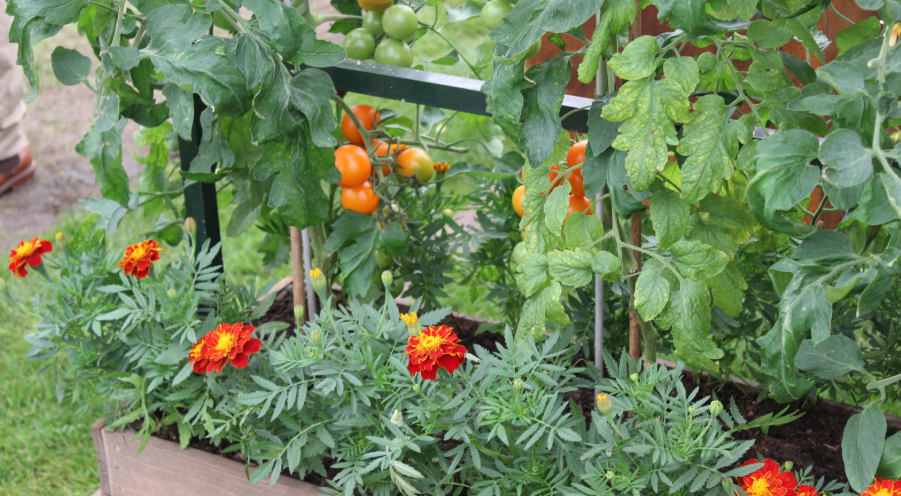
Growing vegetables in full sun is the foundation of productive food gardening, as the vast majority of edible crops evolved in open, sun-drenched environments where light energy is abundant and readily available. Full sun is generally defined as a minimum of six hours of direct sunlight per day, though many of the most productive vegetable crops perform best with eight or more hours. Studies have consistently shown that vegetable yields increase significantly with additional sun exposure, with some crops like tomatoes producing up to 50 percent more fruit in full sun compared to partially shaded positions.
The relationship between sunlight and vegetable productivity is rooted in photosynthesis, the process by which plants convert light energy into the sugars and carbohydrates that fuel growth, flowering, and fruiting. Crops grown in insufficient light tend to produce elongated, weak stems, pale foliage, and significantly reduced harvests compared to those grown in optimal sun conditions. This fundamental dependence on light explains why choosing the sunniest available garden space is always the most important first decision in vegetable garden planning.
Full sun vegetable gardens are particularly well suited to warm-season crops such as tomatoes, peppers, cucumbers, squash, and corn, all of which require both high light levels and warm soil temperatures to perform at their best. These crops not only need sunlight for photosynthesis but also depend on the soil warmth that direct sun provides to stimulate root activity and nutrient uptake. In regions where summers are short, maximizing sun exposure is critical for achieving harvests of heat-loving crops before cooler autumn temperatures arrive.
The global commercial vegetable industry is almost entirely built around full sun growing conditions, with major production regions chosen specifically for their high sunshine hours and warm temperatures. Countries such as Spain, the United States, China, and Mexico dominate global vegetable exports, benefiting from extensive growing seasons with abundant sunshine. In the United States alone, the vegetable farming industry generates over 20 billion dollars annually, with the majority of production concentrated in the sun-rich states of California, Florida, and Arizona.
Planning a full sun vegetable garden requires careful attention to the movement of sunlight across the growing space throughout the day and across the seasons. Taller crops should be positioned on the north side of the garden to avoid shading shorter neighbors, while structures, fences, and trees should be assessed for the shadows they cast at different times of year. With thoughtful planning and the right crop selection, a full sun vegetable garden can produce extraordinary quantities of fresh, nutritious food from even a relatively modest growing space.
Also Read: Vegetables That Grow Well In Greenhouses
Vegetables That Grow Well in Full Sun
Tomatoes
Tomatoes are the quintessential full sun vegetable, requiring at least eight hours of direct sunlight daily for strong growth, prolific flowering, and abundant fruit production. Insufficient sun leads to poor fruit set, slow ripening, and increased susceptibility to fungal diseases such as blight.
Full sun exposure also helps keep foliage dry between waterings, significantly reducing disease pressure. With adequate sunlight, water, and nutrition, a single tomato plant can produce 10 to 15 pounds of fruit over a single growing season.
Peppers
Peppers are heat and sun-loving vegetables that thrive in full sun positions, requiring at least six to eight hours of direct light daily to produce their best harvests. Both sweet and hot pepper varieties develop more intense flavors and better fruit color when grown in maximum sunlight.
Insufficient sun causes peppers to produce fewer fruits that take longer to ripen and develop their characteristic color. Full sun also helps maintain the warm soil temperatures that pepper roots require for active nutrient uptake throughout the growing season.
Cucumbers
Cucumbers are vigorous, fast-growing vegetables that perform best in full sun, where warm temperatures and high light levels promote rapid vine growth and prolific fruiting. They require consistently warm conditions both above and below ground, making full sun exposure essential for reliable production in most climates.
A single cucumber plant growing in full sun can produce 10 or more fruits over the course of a season when regularly harvested. Shaded cucumber plants tend to produce fewer, bitter fruits and are significantly more susceptible to powdery mildew infection.
Zucchini
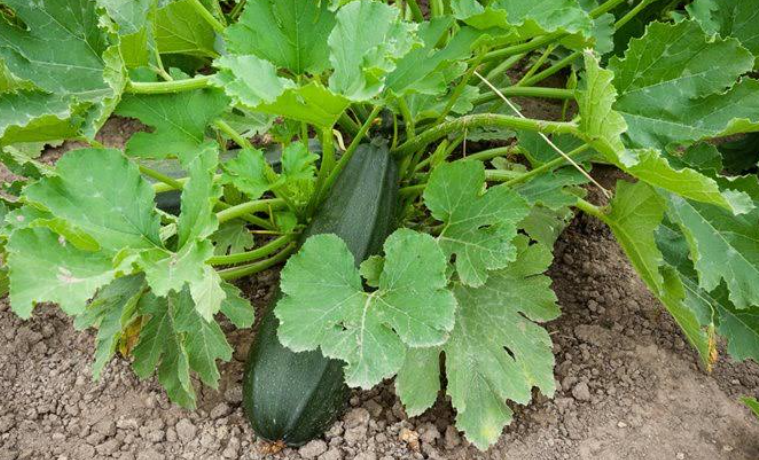
Zucchini is one of the most productive full sun vegetables available, capable of producing astonishing quantities of fruit from a single plant when grown in optimal light conditions. Full sun promotes the rapid growth that zucchini is famous for, with fruits sometimes reaching harvestable size within 48 hours of flowering.
The large, open flowers of zucchini require pollinator visits to set fruit, and full sun positions attract the greatest number of bees and other beneficial insects. Regular harvesting of young fruits keeps plants productive throughout the entire growing season.
Also Read: Vegetables That Grow Well With Tomatoes
Corn
Corn is a tall, sun-demanding crop that requires full sun and warm temperatures throughout its entire growing season to develop properly filled ears. Its height means it must be positioned carefully in the garden to avoid shading neighboring crops during the peak growing season.
Corn is wind-pollinated and performs best when planted in blocks rather than rows, ensuring adequate pollen transfer between plants. In full sun with adequate moisture and nutrition, corn plants can reach heights of 6 to 8 feet and produce one to two ears per stalk.
Beans
Both bush beans and climbing beans are productive full sun crops that thrive in warm, sunny conditions with at least six to eight hours of direct light daily. Full sun promotes rapid, even germination and strong plant development from the earliest stages of growth.
Climbing beans in particular make excellent use of vertical space in sunny garden positions, producing abundant harvests of tender pods over extended periods. Regular picking of pods before they become mature and stringy encourages continuous production throughout the warm season.
Eggplant
Eggplant is one of the most sun and heat-dependent vegetables in the kitchen garden, requiring full sun and warm temperatures to develop properly and produce quality fruits. In cooler climates with limited sunshine, eggplant production is often disappointing, making full sun positioning absolutely critical for success.
The deep purple skin of eggplant fruits develops its richest color when exposed to maximum sunlight throughout the ripening period. Full sun also helps maintain the soil warmth that eggplant roots need for active growth and nutrient absorption.
Squash
Winter and summer squash varieties are vigorous, space-hungry crops that produce their best yields in full sun positions where light and warmth are maximized. Their large leaves require substantial light to fuel the rapid growth and fruit development that makes squash such a productive garden crop. Full sun exposure also helps reduce the humidity around foliage that can otherwise promote powdery mildew, the most common disease problem affecting squash plants. With adequate space, sunlight, and irrigation, a single squash plant can produce 10 to 20 pounds of fruit in a single season.
Sweet Potatoes
Sweet potatoes are warm-season root vegetables that thrive in full sun positions, where the combination of heat and light promotes vigorous vine growth and the development of large, sweet tubers underground. They require a long, warm growing season of at least 90 to 120 days, making full sun exposure essential for maximizing the available warmth.
The trailing vines spread extensively in full sun, covering large areas of bare ground and effectively suppressing weeds. In full sun with warm soil, sweet potato plants are among the most productive and low-maintenance crops available to the home gardener.
Also Read: Vegetables that Grow Well Together
Watermelon
Watermelon is a full sun, warm-season crop that requires maximum light exposure and consistently high temperatures to develop its characteristic large, sweet fruits. The long growing season required by watermelon, typically 70 to 90 days from transplanting, means every available hour of sunlight is important for achieving ripe fruit before autumn.
Full sun positions also warm the soil rapidly in spring, allowing earlier planting and a longer productive season. A single well-grown watermelon plant in full sun can produce two to four large fruits weighing 10 to 30 pounds each.
Cantaloupe
Cantaloupe and other muskmelons require full sun and warm temperatures throughout their growing season to develop the sweet, aromatic flesh that makes them a summer favorite. Like watermelon, they have a long growing season that makes full sun positioning essential for reliable fruit maturity in temperate climates.
Full sun also helps the soil around the spreading vines stay warm, which promotes active root growth and efficient nutrient uptake. The characteristic netting pattern on cantaloupe skin develops most completely and attractively in plants grown in maximum sunlight.
Okra
Okra is a heat-loving, full sun vegetable that originated in tropical Africa and performs best in the hottest, sunniest positions available in the garden. It is one of the few vegetables that actually thrives during the hottest part of summer, when many other crops slow down or cease production.
Full sun promotes the tall, rapid growth that okra is known for, with plants reaching 4 to 6 feet in height under ideal conditions. Regular harvesting of pods every two to three days keeps plants productive and prevents individual pods from becoming fibrous and inedible.
Pumpkins
Pumpkins are vigorous, space-consuming full sun crops that require maximum light exposure and a long, warm growing season to develop their characteristic large fruits. Their extensive trailing vines spread widely across the ground, and positioning them in full sun ensures the entire plant receives adequate light for photosynthesis.
Full sun also speeds the curing process of mature pumpkin skin, improving storage quality and shelf life after harvest. A single well-grown pumpkin plant can produce two to five fruits ranging from small pie pumpkins to enormous exhibition varieties.
Also Read: Best Vegetables For Roasting
Garlic
Garlic is a rewarding full sun crop that produces its best, most flavorful bulbs when grown in a position receiving at least six to eight hours of direct sunlight daily. Full sun exposure promotes the development of large, well-formed bulbs with tight, papery wrappers that improve storage life after harvest.
Garlic planted in autumn in full sun positions establishes strong root systems over winter and produces the earliest and most vigorous spring growth. Globally, garlic is one of the most important food crops, with world production exceeding 28 million metric tons annually.
Onions
Onions are day-length sensitive full sun crops that depend on maximum light exposure for the formation of their storage bulbs during the later stages of their growth cycle. Full sun promotes the development of large, firm bulbs with well-developed flavor compounds that make onions such an essential culinary ingredient.
Shaded onion plants tend to produce smaller bulbs with thinner wrappers that store poorly compared to those grown in full sun. With proper sun exposure and soil fertility, onions can produce bulbs weighing up to a pound or more in large varieties.
Potatoes
Potatoes are productive full sun crops that develop their best yields when the leafy canopy above ground receives maximum light for photosynthesis to fuel tuber development underground. While potatoes tolerate light shade, full sun positions consistently produce significantly higher yields of larger tubers compared to shaded plantings.
The foliage of potato plants in full sun also dries more quickly after rain and irrigation, reducing the humidity that promotes the development of late blight. World potato production exceeds 370 million metric tons annually, making it the fourth most important food crop globally.
Carrots
Carrots develop their best flavor, color, and sweetness when grown in full sun positions where maximum photosynthesis drives sugar production in the developing roots. While carrots tolerate partial shade, full sun consistently produces higher yields of longer, straighter roots with more intense flavor and color.
Full sun also promotes the deep, rich orange color associated with high beta-carotene content, the primary nutritional benefit of eating carrots. Carrots are one of the most widely consumed vegetables globally, with world production exceeding 40 million metric tons annually.
Beets
Beets are versatile full sun vegetables that produce their most intensely colored, flavorful roots when grown in maximum sunlight throughout the growing season. Full sun promotes vigorous top growth that drives active photosynthesis and rapid root development below ground.
Both the roots and the nutritious leafy tops of beet plants benefit from full sun exposure, with sun-grown plants producing more tender, flavorful greens than those grown in shade. Beetroot is also among the most nutritionally dense vegetables, containing high levels of nitrates, antioxidants, and essential minerals.
Cabbage
Cabbage is a cool-season vegetable that performs best in full sun, where adequate light drives the rapid growth needed to produce tight, well-formed heads before summer heat triggers bolting. While cabbage tolerates more shade than warm-season crops, full sun positions consistently produce larger, more tightly packed heads with better flavor and storage quality.
Full sun also helps keep cabbage foliage drier, reducing the risk of fungal diseases that commonly affect this crop in humid conditions. Regular watering is important in full sun cabbage plantings to prevent the soil from drying out excessively during warm periods.
Broccoli
Broccoli is a cool-season full sun crop that requires bright, direct light to produce well-developed, tightly packed heads of the characteristic dark green color associated with high nutritional value. Insufficient sun causes broccoli heads to develop loosely, turn yellow prematurely, and produce significantly smaller harvests.
Full sun exposure also helps soil temperatures warm quickly in early spring, allowing earlier planting and faster establishment of transplants. Broccoli is exceptionally nutritious, containing high levels of vitamins C and K, folate, and potent antioxidant compounds including sulforaphane.
Also Read: Vegetables that Grow Well In Desert
Cauliflower
Cauliflower is a demanding full sun vegetable that requires consistent light exposure throughout its growing period to develop the large, pure white curds that represent a quality harvest. In shaded positions, cauliflower heads develop slowly, remain small, and often take on a yellowish tinge rather than the desirable pure white color.
Full sun also promotes the rapid growth that helps cauliflower reach maturity before temperature extremes cause it to bolt or produce loose, ricey heads. Blanching the developing curd by tying outer leaves over it during the final weeks of growth preserves its white color even in sunny positions.
Brussels Sprouts
Brussels sprouts are a long-season full sun crop that requires sustained light exposure over their extended growing period of 80 to 100 days or more to produce tight, well-formed sprouts along the main stem. Full sun promotes the steady, strong growth that is essential for developing the characteristic firm, compact sprouts rather than loose, leafy ones.
Like other brassicas, Brussels sprouts benefit from the drier foliage conditions that full sun positions provide, reducing disease pressure throughout their long growing season. A single well-grown Brussels sprouts plant can produce 50 or more individual sprouts over an extended harvest period.
Kale
Kale is a nutritional powerhouse that grows vigorously in full sun, producing abundant harvests of tender, flavorful leaves throughout a long growing season from spring through winter in many climates. Full sun promotes rapid, leafy growth and the development of the deep green color associated with high chlorophyll and nutrient content.
While kale tolerates partial shade, full sun positions consistently produce more productive plants with better-flavored leaves. Kale is one of the most nutritionally dense vegetables available, containing exceptional levels of vitamins A, C, and K alongside calcium, iron, and powerful antioxidant compounds.
Also Read: Types of Vegetables With Seeds
Peas
Peas are cool-season full sun crops that produce their sweetest, most flavorful pods when grown in bright, direct light during the cooler parts of the growing season. Full sun promotes strong vine growth, abundant flowering, and the rapid pod development that delivers peas at their sweetest before sugars convert to starch.
While peas tolerate some shade, full sun positions produce significantly higher yields of better-quality pods compared to shaded plantings. Peas also fix atmospheric nitrogen through root nodule bacteria, gently improving soil fertility for subsequent full sun crops planted in the same location.