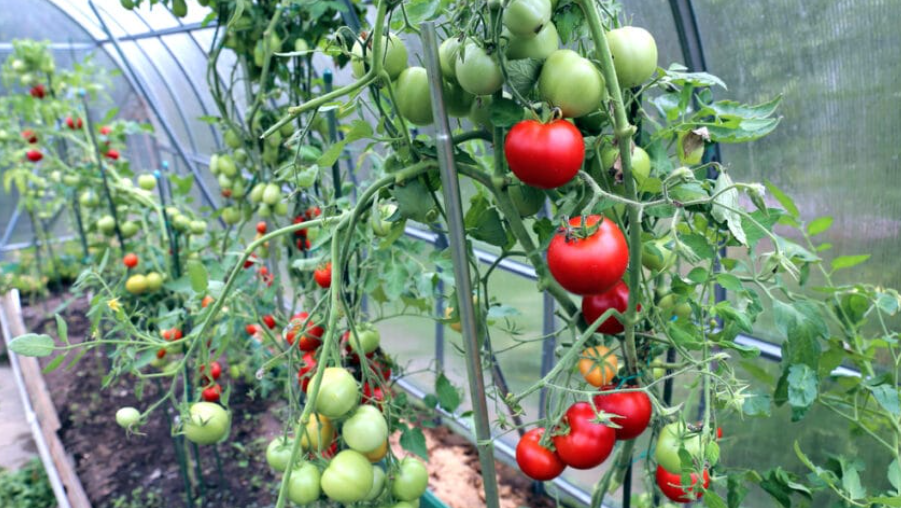
Growing vegetables in greenhouses has become one of the most productive and reliable methods of food production available to both commercial growers and home gardeners worldwide. Greenhouses extend the growing season significantly, allowing crops to be cultivated year-round in climates where outdoor growing would otherwise be limited to just a few months. The global greenhouse vegetable market was valued at approximately 42 billion dollars in 2022 and is projected to continue growing steadily, reflecting the increasing demand for locally grown, fresh produce throughout the year.
The controlled environment of a greenhouse offers growers precise management over temperature, humidity, light, and watering, creating optimal conditions that outdoor growing simply cannot replicate. This level of control allows vegetables to be grown faster, with higher yields and fewer pest and disease problems than in open garden conditions. Studies have shown that greenhouse-grown tomatoes, for example, can yield up to ten times more fruit per square meter than field-grown counterparts under optimal management.
Greenhouse vegetable growing spans an enormous range of scales, from small backyard cold frames and polytunnels to vast commercial glasshouse operations covering hundreds of acres. The Netherlands is the world leader in greenhouse vegetable production, with over 10,000 hectares of glass-covered growing area producing enormous quantities of tomatoes, peppers, and cucumbers for European and global markets. At the home gardening level, even a small greenhouse measuring just 6 by 8 feet can dramatically transform a gardener’s ability to produce fresh vegetables year-round.
Modern greenhouse technology has advanced significantly in recent decades, incorporating automated ventilation, hydroponic growing systems, LED supplemental lighting, and computer-controlled climate management. These innovations have made greenhouse growing more energy-efficient, productive, and accessible than ever before. Hydroponic systems in particular have revolutionized commercial greenhouse production, allowing crops to be grown without soil in nutrient solutions that deliver precisely calibrated nutrition directly to plant roots.
Whether used for extending the season of familiar outdoor crops or for growing heat-loving vegetables in cool climates, a greenhouse represents one of the most versatile and rewarding investments a gardener can make. The ability to control the growing environment removes many of the uncertainties associated with outdoor gardening, from unpredictable weather to pest pressure. With proper planning and management, a greenhouse can supply a household or small community with fresh, nutritious vegetables throughout the entire year.
Also Read: Vegetables That Grow Well Together
Vegetables That Grow Well in Greenhouses
Tomatoes
Tomatoes are the most widely grown greenhouse vegetable in the world, thriving in the warm, controlled conditions that a greenhouse provides year-round. Indeterminate varieties are particularly well suited to greenhouse growing, where they can be trained up vertical strings or canes and managed for continuous production over many months.
Greenhouse tomatoes benefit from hand pollination or the introduction of bumblebee hives to ensure adequate fruit set in the absence of natural pollinators. With proper management, a single greenhouse tomato plant can produce several kilograms of fruit over an extended growing season.
Cucumbers
Cucumbers are among the most productive greenhouse vegetables available, thriving in the warm, humid conditions that a controlled environment provides. All-female or gynoecious cucumber varieties bred specifically for greenhouse production eliminate the need for pollination and produce abundant, seedless fruits.
Cucumbers are typically trained vertically up strings or wires to maximize use of the available growing space. Under optimal greenhouse conditions, cucumber plants can produce fruit within six to eight weeks of planting and continue cropping for several months.
Peppers
Peppers, both sweet and hot varieties, perform exceptionally well in greenhouses where the warm temperatures they require can be maintained reliably throughout the growing season. In cool temperate climates, outdoor pepper production is often unreliable, making the greenhouse an essential environment for achieving consistent harvests.
Pepper plants are long-lived and can be overwintered in a frost-free greenhouse, producing fruit for two or more years from a single planting. Regular feeding with a high-potassium fertilizer supports prolific fruiting throughout the extended growing season.
Lettuce
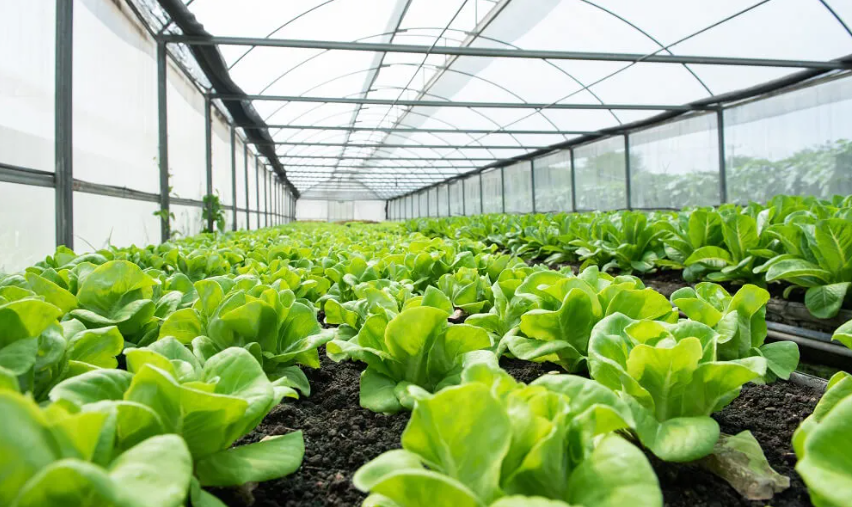
Lettuce is one of the most popular cool-season crops for greenhouse growing, producing crisp, fresh leaves year-round when outdoor conditions make outdoor cultivation impossible. Cut-and-come-again varieties are particularly productive in greenhouse settings, providing multiple harvests from a single planting over several weeks.
Lettuce grows rapidly under glass, often reaching harvest size within four to six weeks of sowing even during winter months. Its low growing height also makes it an ideal catch crop to grow beneath taller greenhouse vegetables such as tomatoes and cucumbers.
Also Read: Vegetables That Grow Well With Tomatoes
Spinach
Spinach thrives in the cool, controlled conditions of a greenhouse during autumn, winter, and early spring, producing tender leaves when outdoor growing is not possible. It is a fast-maturing crop that can be harvested as baby leaves within three to four weeks of sowing. Spinach can be grown in shallow trays or containers, making efficient use of bench space in smaller greenhouses.
Successive sowings every two to three weeks ensure a continuous supply of fresh spinach leaves throughout the cooler months.
Kale
Kale is a highly productive cool-season greenhouse crop that tolerates lower temperatures than most other leafy vegetables, making it ideal for unheated or minimally heated greenhouses during winter. Dwarf and compact kale varieties are particularly well suited to greenhouse growing where space may be limited.
Regular harvesting of outer leaves encourages continuous production of tender new growth from the center of each plant. Greenhouse-grown kale is often more tender and less bitter than outdoor-grown plants exposed to harsh weather conditions.
Swiss Chard
Swiss chard is an exceptionally productive greenhouse vegetable, producing large, colorful leaves over an extended harvest period with minimal care. It tolerates a wide range of temperatures, performing well in both cool winter greenhouses and warmer spring and summer conditions. The stems of greenhouse-grown chard are often more tender and brightly colored than those produced outdoors.
Regular harvesting of outer leaves prolongs the productive life of each plant significantly, with a single planting often yielding for many months.
Radishes
Radishes are among the fastest-maturing greenhouse vegetables, with some varieties ready to harvest just three to four weeks after sowing. Their compact size makes them ideal for growing in shallow trays or as a catch crop in spaces between larger plants. Greenhouse growing protects radishes from the flea beetle damage that commonly affects outdoor crops.
Successive sowings every two weeks throughout the year provide a continuous supply of crisp, fresh radishes for salads and garnishes.
Spring Onions
Spring onions are a valuable year-round greenhouse crop, germinating and growing quickly in controlled conditions when outdoor production has slowed or stopped. They require minimal space and can be grown in shallow trays or containers on greenhouse benches. Successive sowings every three weeks ensure a continuous supply of fresh spring onions for the kitchen throughout the year.
Their compact root system makes them compatible with growing beneath larger crops, maximizing the use of available greenhouse space.
Beetroot
Beetroot grows reliably in greenhouses during the cooler months when outdoor production is not possible, producing tender roots and nutritious edible leaves simultaneously. Cylindrical or baby beetroot varieties are particularly well suited to greenhouse growing in containers or deep trays.
The leaves of young beetroot plants can be harvested as salad greens while the roots continue to develop below. Greenhouse-grown beetroot often matures faster than outdoor crops due to the more consistent growing conditions.
Carrots
Carrots grow well in deep greenhouse containers or raised beds filled with loose, stone-free growing medium that allows roots to develop without obstruction. Short or round varieties such as Chantenay and Parisian types are particularly well suited to container growing in greenhouse conditions.
Greenhouse growing protects carrots from carrot fly damage, which is one of the most significant pest problems for outdoor carrot production. Successive sowings in deep containers throughout the year provide a nearly continuous supply of fresh carrots.
Also Read: Vegetables That Are Actually Fruits
Beans
Both climbing French beans and dwarf bush beans perform outstandingly in greenhouse conditions, producing abundant harvests of tender pods over extended periods. Climbing varieties make excellent use of vertical growing space when trained up strings or canes in the greenhouse.
Greenhouse beans are protected from the unsettled weather and low temperatures that frequently interrupt outdoor bean production in temperate climates. Regular harvesting of pods before they become tough and stringy encourages continuous production throughout the season.
Peas
Peas are excellent cool-season greenhouse crops, producing sweet, tender pods in late winter and early spring before outdoor growing conditions become suitable. Shorter, bush-type varieties are most practical for greenhouse growing where space may be limited.
Peas fix atmospheric nitrogen through root nodule bacteria, gently improving the fertility of the growing medium for subsequent crops. Greenhouse-grown peas are also largely free from the pea moth damage that commonly affects outdoor crops during summer.
Zucchini (Courgettes)
Zucchini are highly productive greenhouse vegetables, producing abundant harvests of tender fruits when given adequate space, warmth, and regular irrigation. Bush varieties are more practical for greenhouse growing than trailing types, as they take up less floor space.
Hand pollination is often necessary in greenhouse environments where natural pollinators are absent, using a small paintbrush to transfer pollen between male and female flowers. Regular harvesting of fruits when small and tender maintains productivity and prevents individual fruits from growing to unmanageable sizes.
Eggplant (Aubergine)
Eggplant is a heat-loving vegetable that performs significantly better in a greenhouse than outdoors in temperate climates, where summer temperatures are often insufficient for reliable production. The controlled warmth of a greenhouse allows eggplants to produce abundant, well-developed fruits that would rarely achieve the same quality outdoors in cooler regions.
Plants benefit from staking as fruits develop, as the weight of multiple eggplants can cause stems to bend or break. Regular feeding with a high-potassium fertilizer from flowering onward supports consistent, high-quality fruit production.
Chili Peppers
Chili peppers thrive in the warm, stable conditions of a greenhouse, producing far more reliable harvests than outdoor cultivation allows in temperate climates. The extended season provided by greenhouse growing allows hot varieties with long growing periods to reach full maturity and develop their maximum heat and flavor.
Chili plants are perennial and can be overwintered successfully in a frost-free greenhouse, producing even heavier crops in their second and subsequent years. Training plants to a central stake keeps them manageable and improves air circulation around the foliage.
Also Read: Best Vegetables For Raised Bed Gardening
Microgreens
Microgreens are one of the most space-efficient and high-value crops for greenhouse production, growing from seed to harvest in just one to three weeks depending on the variety. A wide range of vegetables including radish, pea, sunflower, beet, and mustard can be grown as microgreens in shallow trays on greenhouse benches.
Their rapid growth cycle means a small greenhouse bench area can produce multiple harvests per month throughout the year. Microgreens command premium prices at farmers markets and in restaurants, making them an economically attractive greenhouse crop.
Arugula (Rocket)
Arugula is a fast-maturing, cool-season greenhouse crop that produces peppery, flavorful leaves throughout autumn, winter, and spring when outdoor production is impossible in most temperate climates. It can be harvested as cut-and-come-again leaves within three to four weeks of sowing, with multiple harvests possible from a single planting.
Arugula requires minimal space and grows well in shallow trays or containers on greenhouse benches. Its distinctive peppery flavor intensifies slightly in cooler greenhouse conditions, producing leaves with outstanding culinary quality.
Mustard Greens
Mustard greens are fast-growing, cold-tolerant leafy vegetables that thrive in cool greenhouse conditions during autumn and winter months. They mature quickly from seed to harvest, often within four to six weeks, and can be cut repeatedly over a long harvest period. Their bold, spicy flavor makes them a popular addition to salad mixes and stir-fries.
Mustard greens also serve as an effective biofumigant when incorporated into the growing medium after harvest, releasing natural compounds that suppress soil-borne diseases and pests.
Turnips
Turnips grow rapidly in cool greenhouse conditions, producing tender, mild-flavored roots within six to eight weeks of sowing during the cooler months of the year. Baby turnip varieties are particularly appealing for greenhouse production, where space efficiency is important.
The leaves of young turnip plants are also edible and nutritious, providing a secondary harvest of tender greens alongside the developing roots. Greenhouse growing protects turnips from the flea beetle damage and clubroot disease that frequently affect outdoor crops.
Asian Greens
Asian greens including pak choi, tatsoi, mizuna, and Chinese cabbage grow exceptionally well in cool greenhouse conditions, producing tender, nutritious leaves over extended harvest periods. These crops are fast-maturing and can be harvested as baby leaves within three to four weeks of sowing.
Their tolerance of lower temperatures makes them ideal for unheated or minimally heated greenhouses during the cooler months. Regular successive sowings ensure a continuous supply of these versatile and nutritious vegetables throughout the year.
Herbs
A wide range of culinary herbs including basil, cilantro, dill, parsley, and chervil grow exceptionally well in greenhouse conditions, producing abundant, flavorful foliage year-round. Basil in particular benefits greatly from greenhouse growing in temperate climates, where outdoor temperatures are often too cool and variable for this heat-loving herb to perform well.
Growing herbs in a greenhouse alongside vegetables also provides convenient access to fresh flavors for the kitchen throughout the entire year. Herbs can be grown in small containers on greenhouse benches, making highly efficient use of available space.
Also Read: Vegetables In Season During April
Garlic
Garlic grows well in greenhouse conditions during autumn and winter, with the controlled environment protecting developing bulbs from the excessive rainfall that can cause rot in outdoor plantings. Greenhouse growing also allows gardeners in colder climates to produce reliable garlic crops without the risk of hard freezes damaging developing bulbs.
Planting cloves in deep containers or raised beds within the greenhouse allows the root system to develop fully. Greenhouse-grown garlic often matures somewhat earlier than outdoor crops, providing an earlier summer harvest.
Potatoes
Early potato varieties can be grown very successfully in large containers within a greenhouse, producing tender new potatoes weeks or even months ahead of outdoor crops. Container growing in a greenhouse protects potato plants from late frosts that commonly damage early outdoor plantings in temperate climates.
The controlled conditions also reduce the incidence of blight, which is one of the most devastating diseases affecting outdoor potato crops in wet seasons. A single large container of early potatoes in a greenhouse can produce a rewarding harvest of small, flavorful new potatoes within ten to twelve weeks of planting.
Celery
Celery is a challenging outdoor crop in many climates but performs significantly better under the controlled conditions of a greenhouse, where consistent moisture and temperature can be maintained throughout its long growing season. Greenhouse growing prevents the bolting and bitterness that often result from temperature fluctuations in outdoor celery production.
The plant benefits from regular watering and feeding throughout its growing period, which the greenhouse environment makes easier to manage consistently. Self-blanching celery varieties are particularly well suited to greenhouse production, eliminating the need for the earthing-up process required by traditional varieties.
Also Read: Vegetables that Grow Well In Desert
Fennel
Fennel grows well in greenhouse conditions, producing both its edible bulb and its feathery aromatic foliage in a more controlled and reliable manner than outdoor growing allows in many climates. Florence fennel in particular benefits from the protected environment of a greenhouse, where the risk of bolting caused by temperature fluctuations and day length changes is significantly reduced.
Greenhouse-grown fennel produces larger, more tender bulbs with better flavor than outdoor crops exposed to erratic weather. Sowing in succession every four to six weeks provides a continuous supply of this versatile vegetable throughout the year.
Endive and Chicory
Endive and chicory are excellent cool-season greenhouse crops, producing slightly bitter, nutritious leaves during autumn and winter when other salad crops may be in short supply. Forcing chicory roots in a warm, dark corner of the greenhouse during winter produces the pale, tender chicons known as witloof, a delicacy highly prized in European cuisine.
Endive grows quickly in cool greenhouse conditions, maturing within eight to ten weeks of sowing and providing harvests of flavorful salad leaves. Both crops are highly nutritious, containing beneficial compounds including inulin that supports digestive health.
Kohlrabi
Kohlrabi is a fast-maturing, cool-season vegetable that grows very successfully in greenhouse conditions, producing its distinctive swollen stem base within six to eight weeks of sowing. Its compact size makes it ideal for greenhouse growing where space efficiency is important.
Both purple and white varieties perform equally well under glass, producing tender, mildly flavored stems that are excellent eaten raw or cooked. Greenhouse growing extends the kohlrabi season well into winter in most temperate climates, providing a nutritious and unusual vegetable during months when fresh produce options are otherwise limited.
Also Read: Vegetables That Grow Well In Shade