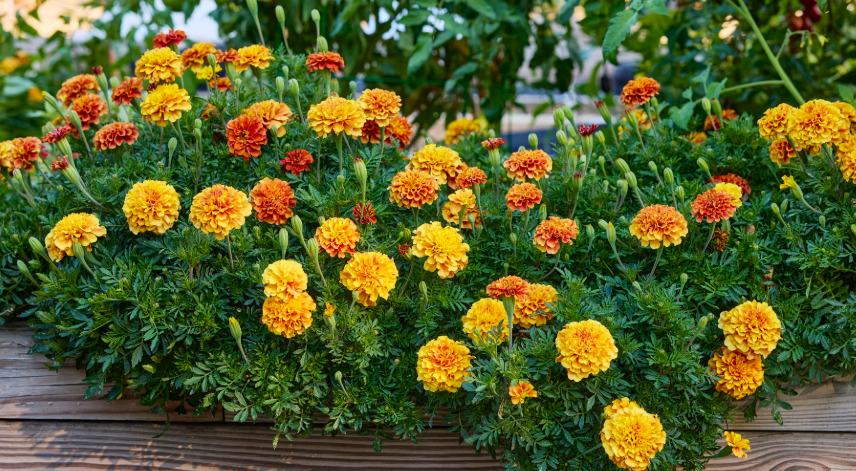
Marigold is one of the most widely grown and instantly recognizable flowering plants in the world, belonging to the genus Tagetes within the daisy family Asteraceae. With over 50 recognized species and thousands of cultivated varieties, marigolds are grown commercially and ornamentally across more than 90 countries worldwide. Global marigold production is enormous, with India alone producing over 50,000 metric tons of marigold flowers annually, primarily for religious ceremonies, festivals, and the extraction of natural dye and lutein.
As a plant, marigold produces pinnately divided, aromatic leaves with a distinctive pungent scent that plays a significant role in its pest-repelling properties. The stems are upright and somewhat succulent when young, becoming woodier toward the base as the plant matures. Plant height varies considerably by species, ranging from compact 6-inch dwarf varieties to tall African marigolds exceeding 4 feet in height.
Marigolds thrive in USDA zones 2 through 11 as warm-season annuals, making them among the most widely adaptable flowering plants available to gardeners worldwide. They perform best in warm to hot conditions, flourishing during summer months when many other cool-season flowers struggle. In frost-free tropical climates, marigolds can bloom virtually year-round, providing continuous color with minimal effort.
The flowers are marigold’s most celebrated feature, appearing in shades of yellow, orange, gold, cream, and bicolored combinations, with both single and fully double forms available. Flower heads range from less than 1 inch in signet marigolds to over 5 inches across in large African varieties. This wide range of flower sizes and forms gives gardeners enormous flexibility in using marigolds across different garden styles and applications.
Marigolds hold deep cultural significance across many civilizations, particularly in India, Mexico, and parts of Africa, where they are woven into garlands for religious ceremonies and celebrations. In Mexico, marigolds, known as cempasúchil, are the iconic flower of the Día de los Muertos celebration, used to decorate altars and guide spirits. This cultural importance drives enormous demand for marigold flowers in these regions throughout the year.
Beyond ornamental use, marigolds have significant commercial value in the agricultural and food industries. Lutein extracted from marigold petals is widely used as a natural yellow food coloring and nutritional supplement, while the flowers are also incorporated into animal feed to enhance the color of egg yolks and poultry skin. The global marigold extract market continues to grow steadily as demand for natural colorants and supplements increases.
With their vibrant colors, easy cultivation, pest-repelling properties, and cultural significance, marigolds remain one of the most versatile and valuable flowering plants available to gardeners of all levels. Whether used as border edging, container plants, companion plantings, or cut flowers, marigolds consistently deliver outstanding results with minimal effort. Their reliability, affordability, and cheerful beauty ensure their continued popularity in gardens worldwide for generations to come.
Also Read: Different Types of Marigolds
How to Grow and Care for Marigold
- Choose a Full Sun Location: Marigolds thrive in full sun and require at least six hours of direct sunlight daily for compact growth and abundant flowering. Insufficient light leads to leggy, weak stems and significantly reduced bloom production. An open, south-facing border or container position provides the ideal conditions for maximum performance.
- Prepare Well-Draining Soil: Marigolds are adaptable to a wide range of soil types but perform best in moderately fertile, well-draining soil. They actually tend to flower more prolifically in average to slightly poor soil, where excessive fertility is absent. Avoid waterlogged or heavily compacted soils, which can cause root rot and stunted growth.
- Sow Seeds Indoors or Directly: Seeds can be started indoors 6 to 8 weeks before the last frost date or sown directly into prepared garden beds after frost risk has passed. Direct sowing is particularly effective for French and signet marigolds, which establish quickly from seed. African marigold varieties benefit from an earlier indoor start due to their longer time to flower.
- Transplant After Last Frost: Young marigold transplants should be moved outdoors only after all risk of frost has completely passed. Marigolds are frost-sensitive and even a light freeze can kill young plants. Planting on a cloudy day or in the evening reduces transplant stress and helps seedlings settle in more quickly.
- Space Plants Appropriately: Dwarf marigold varieties should be spaced 6 to 9 inches apart, while taller African types need 12 to 18 inches between plants. Adequate spacing ensures good air circulation, which reduces the risk of fungal diseases. Proper spacing also allows each plant to develop its full, bushy form without competition from neighbors.
- Water at the Base: Marigolds prefer watering at soil level rather than overhead, as wet foliage and flowers are prone to botrytis and other fungal problems. Water deeply but allow the soil surface to dry slightly between waterings to prevent waterlogging. During prolonged dry spells, consistent deep watering maintains healthy growth and continuous flowering.
- Fertilize Lightly: Marigolds are not heavy feeders and generally perform well without excessive fertilization. A light application of balanced fertilizer at planting time is usually sufficient for the entire season. Overfeeding, particularly with nitrogen-rich products, results in lush leafy growth at the expense of flowers.
- Deadhead Spent Blooms Regularly: Removing faded flowers promptly is one of the most effective ways to keep marigolds blooming prolifically throughout the season. Deadheading redirects the plant’s energy from seed production toward new flower development. This simple task can dramatically extend the overall blooming period well into autumn.
- Pinch Young Plants for Bushier Growth: Pinching out the growing tips of young marigold plants when they reach about 6 inches tall encourages branching and a fuller, more compact habit. This produces more flowering stems and a significantly more impressive display overall. While pinching delays the first blooms slightly, the resulting plant performs far better throughout the season.
- Mulch to Conserve Moisture: Applying a light layer of mulch around marigold plants helps retain soil moisture, suppress weeds, and regulate soil temperature during hot summer months. Keep mulch a few inches away from the base of stems to prevent rot. Organic mulches also break down slowly, adding modest amounts of nutrients back into the soil.
- Watch for Spider Mites: Spider mites are the most common pest problem affecting marigolds, particularly during hot, dry weather when their populations explode rapidly. Regular inspection and early treatment with insecticidal soap or neem oil prevents infestations from becoming severe. Keeping plants well watered during dry spells also reduces spider mite pressure significantly.
- Monitor for Botrytis in Wet Weather: Extended periods of wet, cool weather can lead to botrytis blight, causing flowers and foliage to rot and collapse. Improving air circulation through proper spacing and removing affected plant material promptly helps limit the spread. Avoiding overhead watering and planting in well-draining soil are the most effective preventive measures.
- Use as Companion Plants: Marigolds are among the most effective companion plants in the vegetable garden, with their root secretions shown to deter nematodes and their scent repelling aphids, whiteflies, and other common pests. Planting marigolds around tomatoes, peppers, and other vegetables provides natural pest management. This dual role as ornamental plant and garden protector makes marigolds exceptionally valuable in kitchen gardens.
- Collect Seeds for Next Season: Marigolds produce abundant seed that can be easily collected and stored for sowing the following year. Allow seed heads to dry completely on the plant before harvesting, then store seeds in a cool, dry location over winter. Open-pollinated varieties come true from saved seed, making marigolds one of the most economical flowering plants to grow year after year.
- Manage Tall Varieties with Staking: Taller African marigold varieties can become top-heavy, particularly when carrying large blooms, and may require light staking in exposed or windy positions. Installing thin bamboo stakes early in the season when plants are still small minimizes root disturbance. Choosing naturally compact or dwarf varieties eliminates the need for staking altogether in most garden situations.
- Plant in Successive Waves for Continuous Color: Sowing marigold seeds every three to four weeks from early spring through early summer creates a succession of plants that ensures continuous color throughout the entire growing season. As earlier plantings begin to decline in late summer heat, newer plantings come into their peak performance. This simple succession planting strategy is particularly effective for maintaining a consistently vibrant display in cutting gardens and ornamental borders.
Also Read: Desert Marigold (Baileya multiradiata)