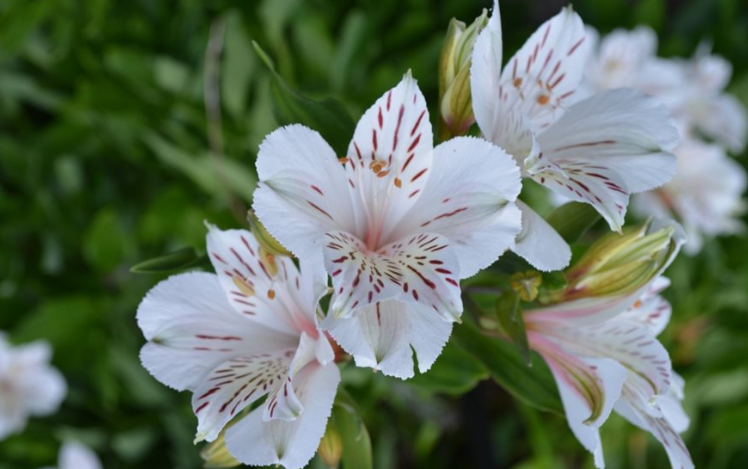
Alstroemeria, commonly known as the Peruvian Lily or Lily of the Incas, is a genus of flowering plants in the family Alstroemeriaceae, native to South America, particularly the Andean regions of Chile, Brazil, and Peru. With approximately 120 known species and thousands of cultivated hybrids, alstroemeria has become one of the most commercially significant cut flowers in the global floral industry. Its extraordinary range of flower colors, forms, and sizes has made it a favorite among florists, gardeners, and plant breeders worldwide.
As a plant, alstroemeria produces slender, upright stems clothed in distinctive twisted leaves, a unique botanical feature where the leaf petiole is inverted, causing the leaf blade to appear upside down. This unusual leaf orientation is a defining characteristic of the genus and helps distinguish alstroemeria from other flowering plants. The stems emerge from fleshy, tuberous roots that spread gradually underground, forming expanding colonies over time.
The flowers are alstroemeria’s most celebrated feature, consisting of six tepals arranged in two whorls, often marked with contrasting streaks, spots, or flares in a second color. Blooms appear in an extraordinary range of colors including white, yellow, orange, pink, red, purple, and salmon, with most varieties displaying intricate patterning on the inner tepals. This complex, orchid-like flower structure gives alstroemeria an exotic, luxurious appearance that belies its relatively straightforward growing requirements.
As a cut flower, alstroemeria is prized for its outstanding vase life of up to two weeks, significantly longer than most other popular cut flowers. This exceptional longevity, combined with its wide color range and multiple blooms per stem, makes it one of the most cost-effective choices for both professional florists and home arrangers. It consistently ranks among the top five most popular cut flowers globally, alongside roses, chrysanthemums, and carnations.
Beyond the cut flower industry, alstroemeria is increasingly valued as a garden plant for its long blooming season, which typically runs from late spring through autumn in temperate climates. Modern breeding programs have produced compact, free-flowering varieties suitable for containers and smaller garden spaces. These improvements have greatly expanded the plant’s appeal beyond commercial production into home garden cultivation worldwide.
Alstroemeria holds considerable cultural significance in its native South America, where it has been used in traditional medicine and as an ornamental plant for centuries. In the language of flowers, alstroemeria symbolizes friendship, devotion, and mutual support, making it a popular choice for gift bouquets and meaningful floral arrangements. Its association with lasting bonds reflects its own remarkable longevity as both a cut flower and a garden perennial.
With its exotic flower forms, exceptional cut flower qualities, and long garden performance, alstroemeria has secured a permanent place in both commercial horticulture and home gardens across the world. Its relative ease of cultivation once established, combined with its spectacular floral display, makes it a rewarding choice for gardeners seeking a long-blooming, high-impact perennial. Few flowering plants deliver such a consistently impressive performance across such a diverse range of growing conditions.
Also Read: How To Grow And Care For Alstroemeria Flowers
Different Types of Alstroemeria Flowers
Alstroemeria aurea (Golden Lily of the Incas)
Alstroemeria aurea is one of the most widely recognized wild species, native to the Chilean Andes and one of the parents of many modern hybrids. It produces golden yellow to orange flowers marked with dark brown streaks on the inner tepals, creating a striking two-toned effect. Growing to heights of 3 to 4 feet, it is a vigorous and spreading species well suited to naturalized garden settings. Its bold color and robust constitution have made it an important contributor to breeding programs worldwide.
Alstroemeria psittacina (Parrot Lily)
Alstroemeria psittacina, commonly known as the Parrot Lily, is a distinctive species native to Brazil, recognized for its unusual dark red and green striped flowers. The blooms have a strongly exotic appearance, with deep crimson outer tepals tipped in green and inner tepals marked with dark spots. This species is notably vigorous and can spread aggressively in warm climates, earning it an invasive designation in some regions. Despite this, its striking coloring makes it a favorite among collectors and enthusiasts of unusual flowering plants.
Alstroemeria pelegrina (Lily of the Incas)
Alstroemeria pelegrina is considered one of the most beautiful wild species, native to coastal Peru and Chile, where it grows in sandy, dry soils near the sea. Its flowers are pale lilac to white with purple streaks and yellow markings on the inner tepals, creating an intricate and delicate appearance. It is a smaller, more refined species compared to others in the genus, reaching just 12 to 18 inches in height. Historically, this species was among the first alstroemerias to be introduced to European gardens in the 18th century.
Alstroemeria ligtu (St. Martin’s Flower)
Alstroemeria ligtu is a Chilean species that has given rise to the popular Ligtu Hybrids, a group of exceptionally free-flowering garden plants. The species itself produces pale pink to lilac flowers with yellow and streaked inner tepals, offering a soft, pastel color palette. It is one of the hardier species within the genus, performing well in cooler temperate gardens. The Ligtu Hybrids derived from this species are among the most widely grown alstroemerias in European gardens.
Alstroemeria haemantha
Alstroemeria haemantha is a robust Chilean species producing deep red to orange-red flowers with yellow inner tepals marked by distinctive dark veining. It is one of the more cold-tolerant wild species, making it valuable in breeding programs aimed at producing hardier garden varieties. The plant grows vigorously, reaching heights of up to 3 feet, and spreads readily through its tuberous root system. Its strong coloring and sturdy constitution have made it a significant parent species in the development of modern hybrid alstroemerias.
Princess Series (Alstroemeria Princess Hybrids)
The Princess Series represents one of the most commercially successful groups of alstroemeria hybrids ever developed, bred specifically for compact growth and prolific flowering. Plants in this series typically reach just 12 to 18 inches in height, making them ideal for containers, window boxes, and smaller garden spaces. Flowers are produced in an exceptionally wide color range, including pure white, soft pink, bright yellow, deep purple, and vibrant orange. Their compact habit and long flowering season have made Princess Series alstroemerias among the best-selling ornamental perennials in garden centers worldwide.
Inticancha Series
The Inticancha Series is a group of dwarf alstroemeria hybrids developed for outstanding container and patio performance, with plants reaching just 8 to 12 inches in height. Despite their small stature, Inticancha varieties produce an impressive abundance of flowers over an exceptionally long blooming season. The series includes varieties in shades of pink, orange, yellow, red, and white, all sharing a neat, compact growth habit. Their diminutive size and prolific flowering make them particularly popular for balcony gardens and small urban outdoor spaces.
Alstroemeria Glory of the Andes
Glory of the Andes is a celebrated hybrid alstroemeria known for its exceptionally large, showy flowers and strong, upright stems that make it outstanding as a cut flower. The blooms display a rich combination of warm pink and cream tones with contrasting inner tepal markings, creating a luxurious, multi-layered effect. Stems can reach 3 to 4 feet in height, producing multiple flower heads per stem for an impressive floral display. This variety is widely grown commercially for the cut flower trade and is equally spectacular as a garden border plant.
Alstroemeria Indian Summer
Alstroemeria Indian Summer is a popular garden hybrid celebrated for its warm, rich color palette of deep orange and golden yellow, evoking the colors of autumn foliage. It is a vigorous, free-flowering variety that produces abundant blooms from late spring through autumn with minimal care. The plant reaches a medium height of around 24 to 30 inches, making it suitable for mid-border planting where it creates a warm focal point. Its extended blooming season and striking color have made it a consistent bestseller in European and North American garden centers.
Alstroemeria Sweet Laura
Alstroemeria Sweet Laura is a highly fragrant hybrid, unusual in a genus where most varieties produce little to no scent. The flowers are golden yellow with dark streaking on the inner tepals, producing a warm, honeyed fragrance that becomes particularly noticeable on warm summer evenings. It is a vigorous grower reaching 2 to 3 feet in height, with a long blooming season extending from late spring through early autumn. Sweet Laura’s rare combination of fragrance, attractive flower color, and strong garden performance has earned it numerous horticultural awards.
Alstroemeria Friendship
Alstroemeria Friendship is a soft-colored hybrid producing delicate pale pink flowers with subtle cream and yellow inner tepal markings, embodying the gentle, affectionate symbolism of the genus. It is a popular choice for gift bouquets and romantic floral arrangements due to its gentle color palette and long vase life. As a garden plant, Friendship reaches a medium height of around 24 inches and produces flowers prolifically from early summer through autumn. Its soft coloring and reliable performance make it a versatile addition to both cutting gardens and ornamental borders.
Alstroemeria White Queen
Alstroemeria White Queen is an elegant hybrid producing pure white flowers with subtle green and yellow markings on the inner tepals, creating a clean, sophisticated appearance. It is widely used by florists for wedding arrangements and formal floral displays, where its pristine coloring and long vase life make it particularly valuable. As a garden plant, White Queen produces strong, upright stems reaching 2 to 3 feet, with flowers appearing prolifically throughout summer. Its classic white coloring combines beautifully with virtually any companion plant or flower color in mixed borders.
Also Read: How to Grow and Care for Tiger Lily